How a British Shorthair Shows It Is Pleased
British Shorthair contentment signals include relaxed body posture, upright ears, slow blinks, and a gentle pendulum tail.
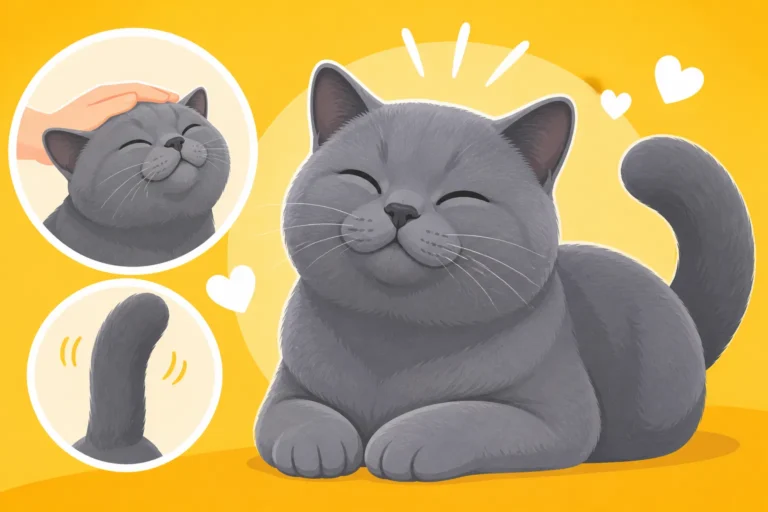
British Shorthair contentment signals include relaxed body posture, upright ears, slow blinks, and a gentle pendulum tail.
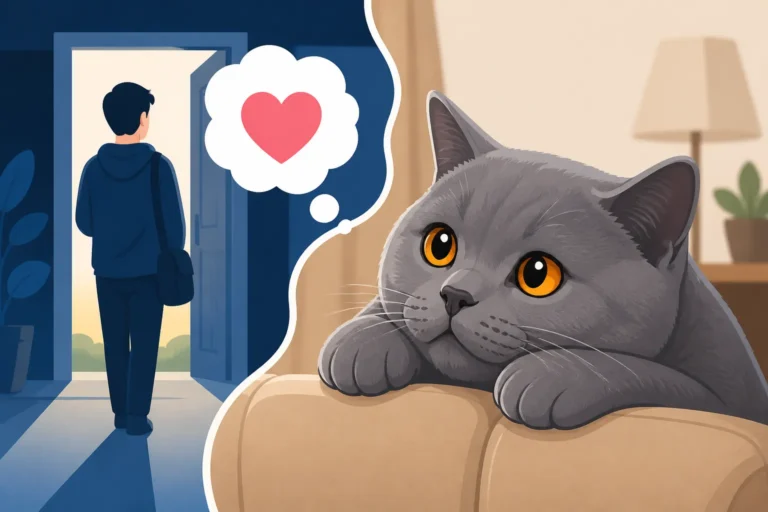
British Shorthair affection styles and subtle behavioral cues explain how these cats show love and feel your absence.
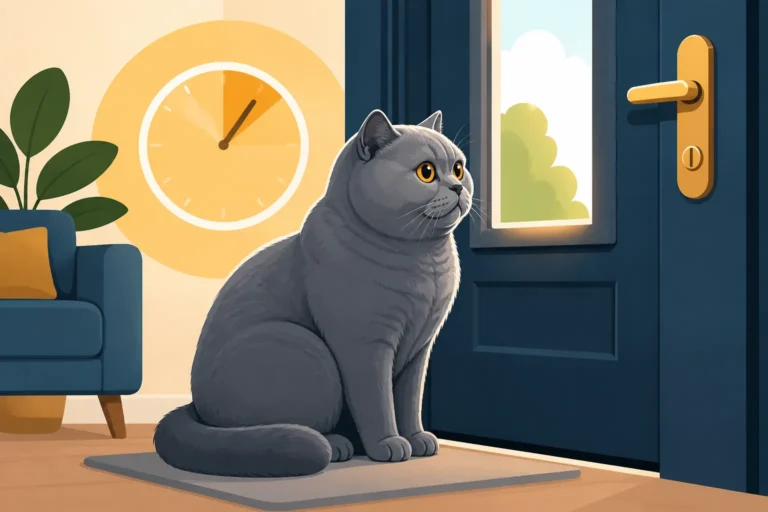
British Shorthair door waiting behavior involves a calm, observational routine lasting a few minutes rather than separation anxiety.
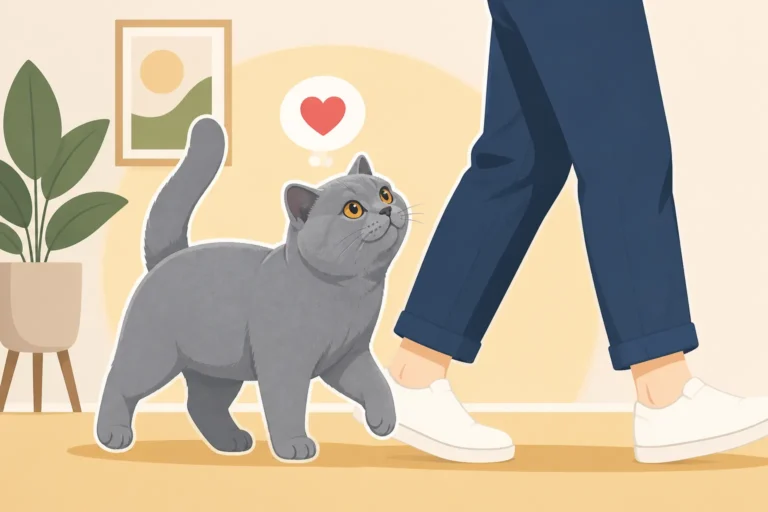
British Shorthair following behavior explains why cats trail owners room to room while maintaining a respectful personal space.
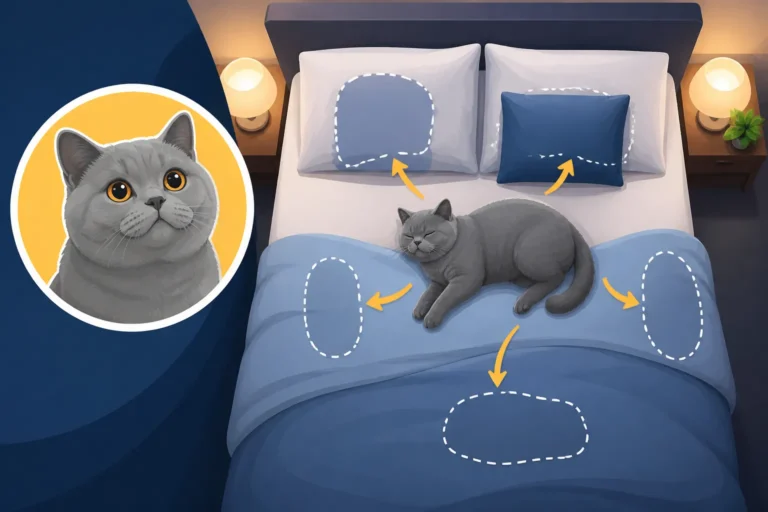
British Shorthair sleeping spots on your bed reveal feline comfort, security needs, thermal regulation, and unique affection styles.

British Shorthair cats prefer sitting on nearby chairs instead of laps to maintain personal space and avoid overheating.
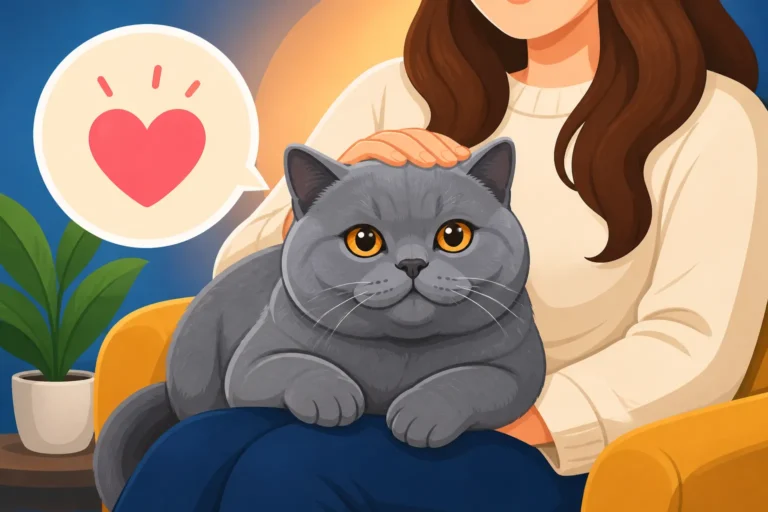
British Shorthair lap sitting happens rarely because these independent cats prefer sitting nearby on a sofa or adjacent cushion.
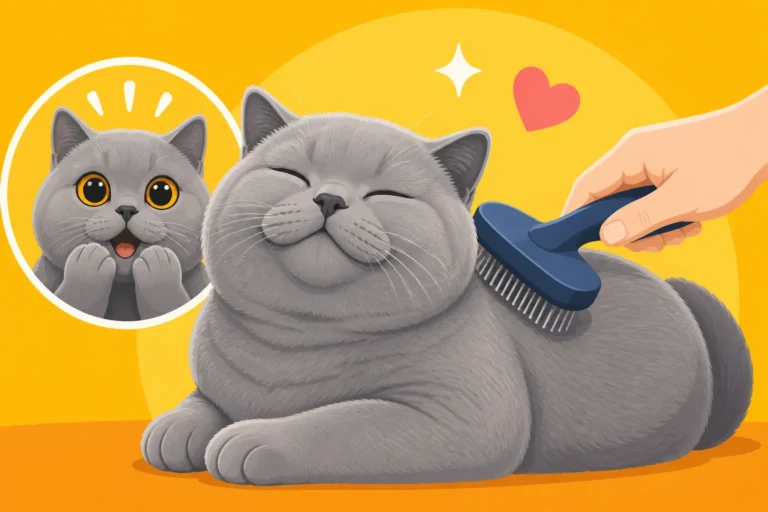
British Shorthair grooming strategies explain how to maintain dense double coats, manage seasonal shedding, and prevent painful mats.
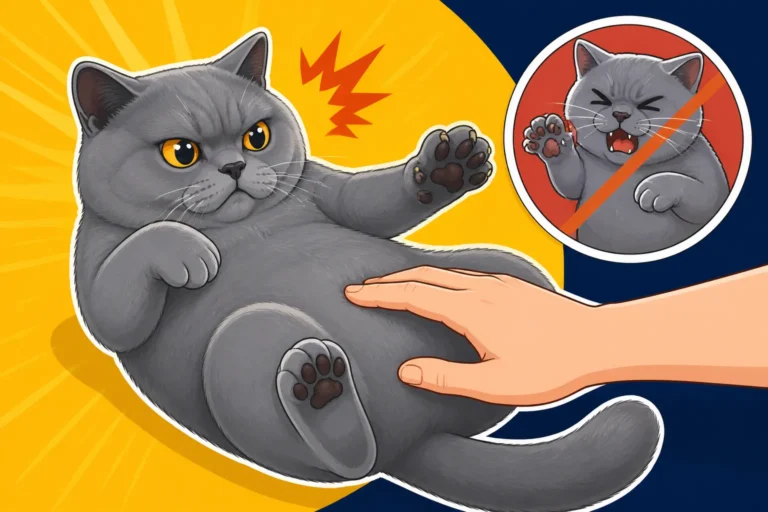
British Shorthair belly sensitivity stems from primal survival instincts, vulnerable anatomy, and dense sensory nerve receptors.
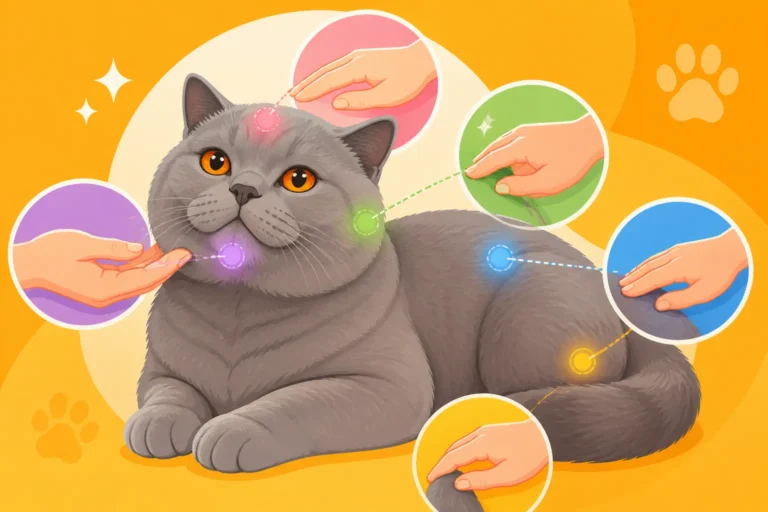
British Shorthair petting preferences explain where these cats like being touched, helping owners decode body language and respect boundaries.