Why a British Shorthair Always Looks Grumpy
British Shorthair facial anatomy, including round heads, heavy brow ridges, and full jowls, explains their perpetually grumpy expression.

British Shorthair facial anatomy, including round heads, heavy brow ridges, and full jowls, explains their perpetually grumpy expression.
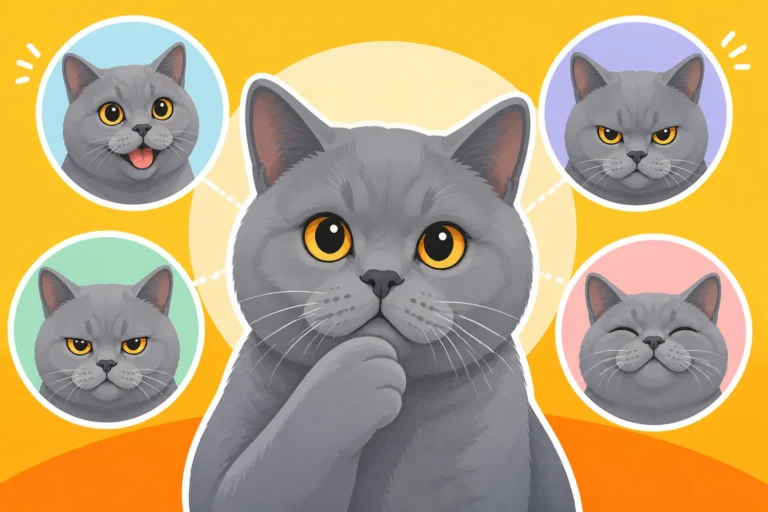
British Shorthair facial expressions and subtle cues help owners understand true feline emotions, needs, and discomfort.
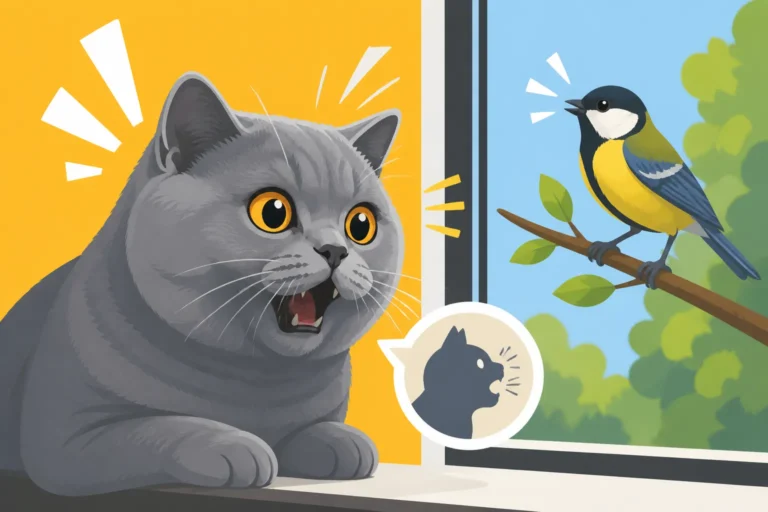
British Shorthair bird chattering stems from primal hunting instincts, frustration, and high arousal triggered by prey outside.
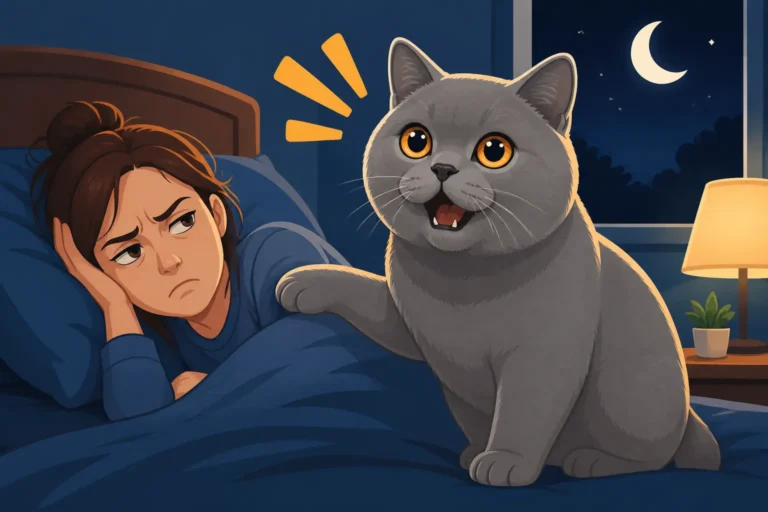
Natural sleep-wake cycles and indoor lifestyles explain why British Shorthairs wake owners at night, with solutions for better sleep.
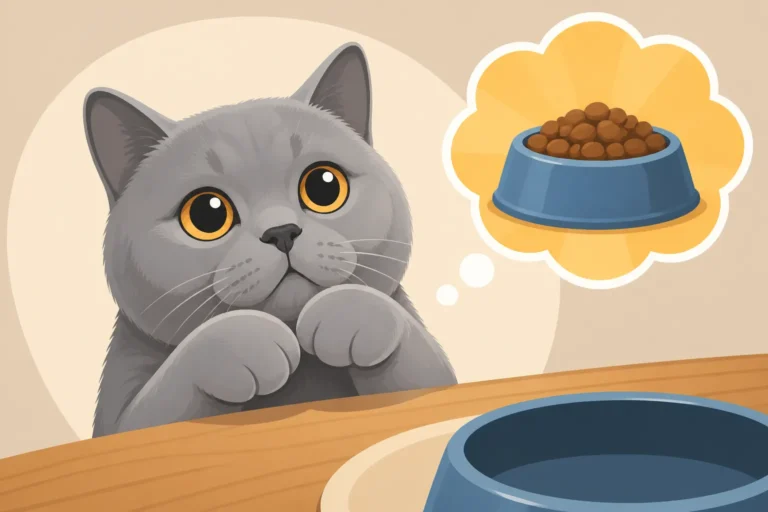
British Shorthair cats signal hunger through silent stares, gentle head nudges, leg rubs, and leading owners directly to their food bowl.

A silent British Shorthair can be naturally quiet or hiding illness. Learn behavioral signs indicating underlying discomfort.
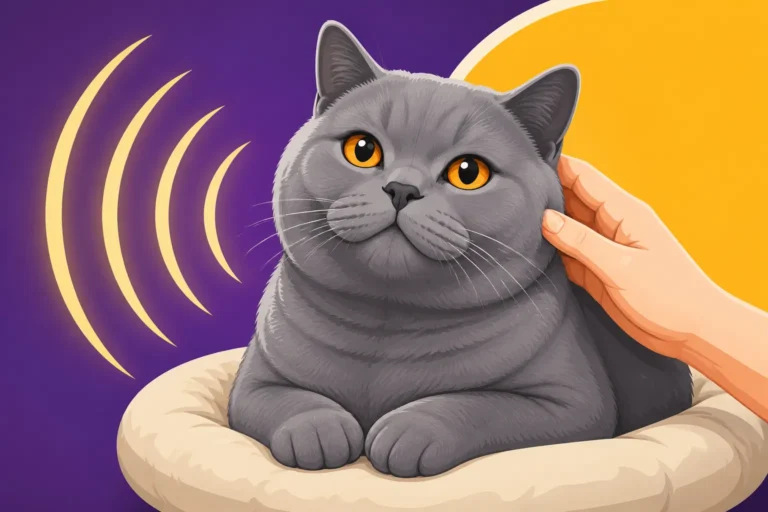
British Shorthair purr volume, soft vibrations, and quiet vocalizations reveal feline contentment, mood, and understated communication styles.
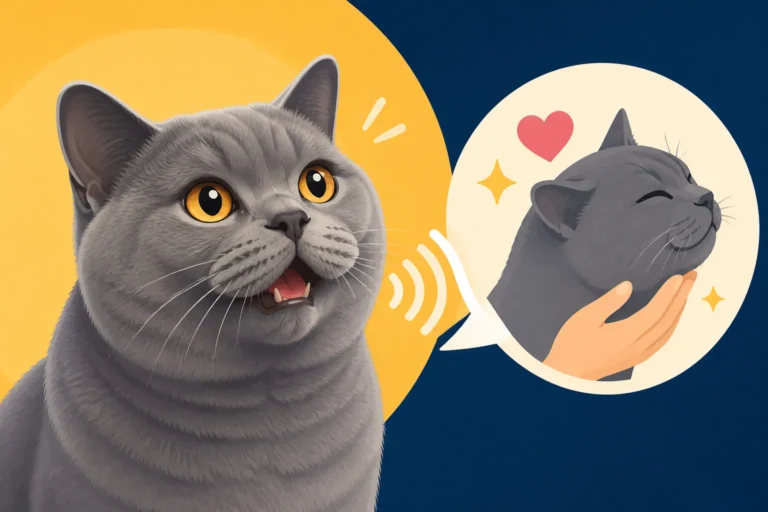
The British Shorthair trill is a short, rolling throat sound distinct from a meow, used for friendly communication and happy greetings.
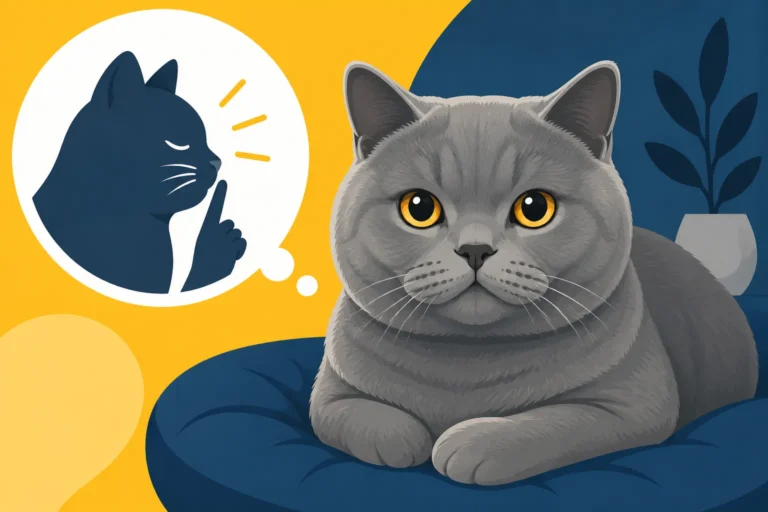
British Shorthair cats remain quiet due to historic working traits and genetics, communicating through body language and soft sounds.

British Shorthair vocal habits include soft meows and quiet chirps, explaining when these calm cats make noise.