Whether a British Shorthair Grieves a Lost Companion
It’s a heartbreaking experience to lose a beloved pet, and if you have another furry family member, especially a British Shorthair, you might find yourself wondering if they're struggling too. Many people assume cats are solitary creatures, almost aloof, and therefore immune to the profound sadness of loss. This couldn't be further from the truth. This guide is here to shed light on whether your British Shorthair grieves a lost companion, how they might show it, and critically, how you can support them through such a difficult time.
The Myth of the Uncaring Cat and British Shorthair Stoicism
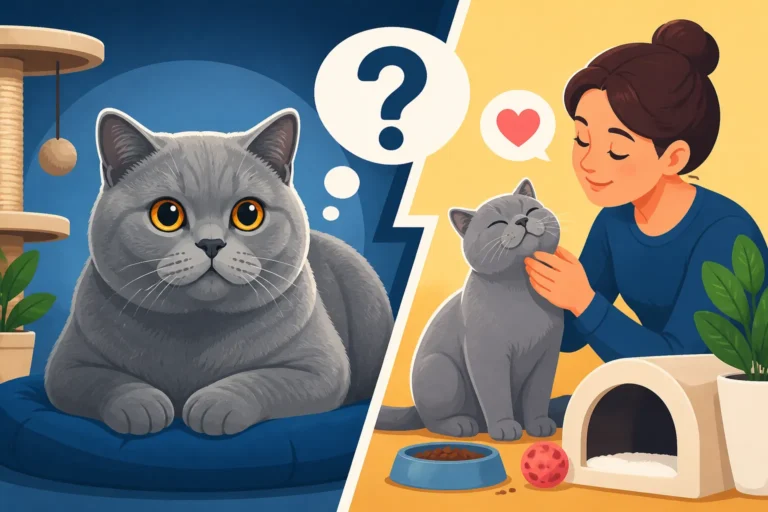
The idea that cats don't care about their companions, whether human or feline, is a pervasive myth that often leaves owners feeling guilty or confused. We tend to compare their grief responses to those of dogs or even humans, and because cats express themselves differently, their sorrow can be easily overlooked or misinterpreted. British Shorthairs, with their inherently calm and often reserved demeanor, can be even more challenging to read, making it seem like they're simply "carrying on" when, in fact, they might be deeply affected.
Why We Misinterpret Feline Grief
One of the biggest hurdles in understanding feline grief is our tendency to anthropomorphize, or project human emotions and behaviors onto our pets. While cats certainly experience complex emotions, their expressions are distinctly feline. They don't typically cry tears like humans, nor do they often display the overt mourning behaviors we might see in, say, a dog who howls for a lost pack member. Instead, a grieving cat might withdraw, hide, or subtly alter their daily routines in ways that are easily missed if you're not keenly observant. This quiet suffering can lead us to mistakenly believe they aren't feeling the loss at all. It's not that they don't care; it's that their way of coping is less dramatic and more internal.
The British Shorthair's Quiet Nature Amplifies the Challenge
If you live with a British Shorthair, you already know they're not usually the most demonstrative cats on the block. They are renowned for their placid, easygoing temperament, preferring to observe rather than participate in boisterous activities. They are typically not "lap cats" in the traditional sense, often choosing to sit near you rather than directly on you, demonstrating their affection in subtle ways. How Affectionate a British Shorthair Is is often a gentle head rub or a slow blink. This inherent calm and quiet nature means that even subtle shifts in behavior due to grief can be extremely hard to pick up on. Where a more overtly affectionate or vocal breed might display obvious signs of distress, a British Shorthair might retreat further into themselves, making their internal struggle almost invisible to the casual observer. Their normal state already includes a certain level of dignified aloofness, so when they grieve, it can look very much like their everyday, unruffled self to someone who isn't paying close attention.
Signs a British Shorthair is Grieving
Despite their stoic facade, British Shorthairs can and do grieve the loss of a companion. Recognizing these signs is the first step in providing them with the support they need. It’s about noticing deviations from their established norms, even if those norms are already quite tranquil. Remember, every cat is an individual, and their grief journey will be unique, but there are some common indicators to look out for.
Behavioral Changes to Watch For
When a British Shorthair grieves, you might see a spectrum of behavioral shifts. Some cats become more withdrawn, seeking out quiet, secluded spots to hide, perhaps under a bed or in a closet, places they wouldn't normally spend much time. They might sleep even more than their usual How Many Hours a Day a British Shorthair Sleeps, seemingly retreating from the world. On the other hand, some British Shorthairs might become uncharacteristically clingy, suddenly wanting to be close to their human companion more often, as if seeking reassurance. They might follow you from room to room or demand more attention than usual.
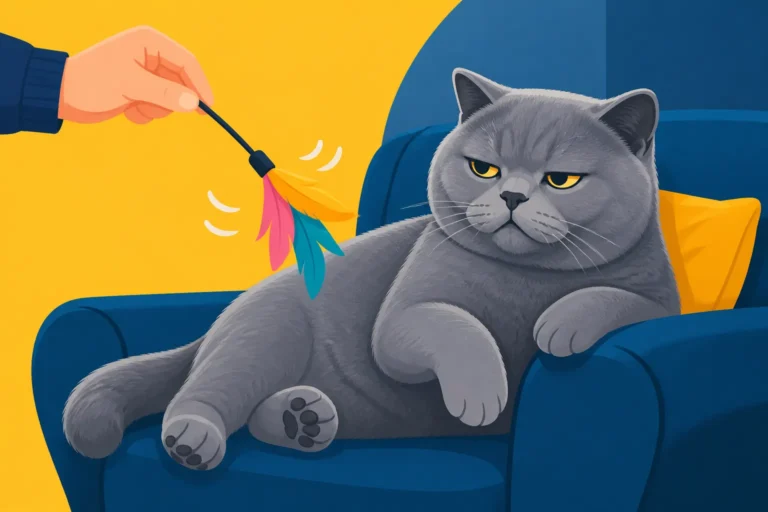
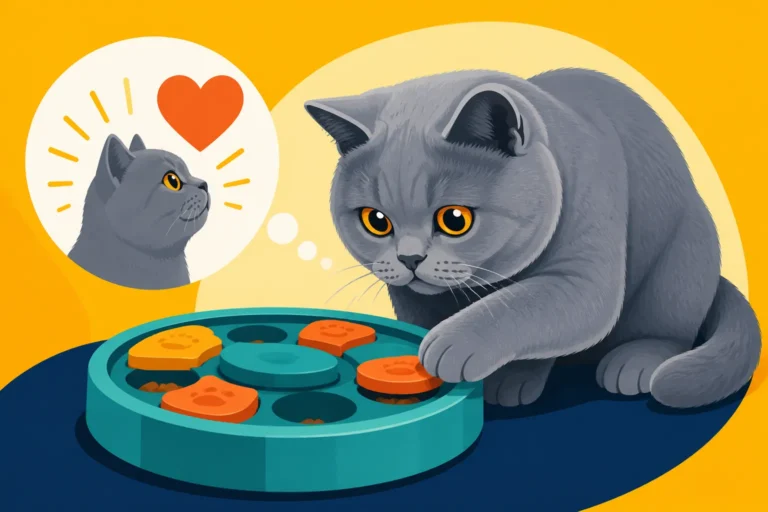
Changes in play habits are also a significant indicator. A British Shorthair is generally not the most active cat anyway; How Active a British Shorthair Is tends to be quite low. However, if they completely lose interest in even their favorite wand toy or puzzle feeder, that's a red flag. Perhaps they once enjoyed a particular type of interaction with their lost friend, and now they simply sit and stare, or ignore the toy altogether. You might also notice a change in their vocalizations. While British Shorthairs are typically quiet cats – How Vocal a British Shorthair Is is usually limited to soft chirps or trills – a grieving cat might become completely silent, or conversely, start meowing excessively, as if calling for their missing friend. They might wander the house, seeming to search, or pause by the spots where they used to share with their companion.
Physical Manifestations of Stress
Grief isn't just emotional; it can manifest physically. One of the most common physical signs is a change in appetite. Your British Shorthair might start eating less, or even refuse to eat at all, which can be very concerning. They might also show changes in their grooming habits, either over-grooming to the point of creating bald patches (a self-soothing behavior), or neglecting their grooming entirely, leading to a dull, unkempt coat. You might also notice changes in their litter box habits, such as accidents outside the box. This isn't usually spite; it's often a sign of stress or distress, and it's certainly one of the Signs a British Shorthair Is Unwell. A vet check-up is always recommended if you see these signs to rule out any underlying medical issues before attributing them solely to grief.
Changes in Interaction with Remaining Pets and People
If there are other pets in the household, your grieving British Shorthair's interactions might change dramatically. They might either seek out more closeness with a remaining pet, finding comfort in their presence, or they might become irritable and withdraw from them entirely. If the lost companion was their primary playmate or comfort, the absence will be keenly felt. Similarly, their interactions with you, their human companion, might shift. Some British Shorthairs might bond even more deeply, recognizing you as their primary source of security and comfort. Whether a British Shorthair Bonds to One Person can vary, but during times of stress, that bond can strengthen or change. Others might become more aloof, wanting their space as they process their feelings. It's crucial to respect their boundaries while still offering consistent love and attention.
Helping Your British Shorthair Through Grief
Witnessing your British Shorthair's grief can be incredibly painful, especially when you're likely grappling with your own sorrow. However, there are many proactive steps you can take to help them navigate this challenging period. The key is often patience, consistency, and a deep understanding of your cat's individual needs.
Maintaining Routine and Stability
Cats, and British Shorthairs in particular, are creatures of habit and thrive on predictability. Why a British Shorthair Hates Change is a common trait, and the loss of a companion is perhaps the most significant change they can experience. Therefore, maintaining as much of their regular routine as possible is absolutely vital. Keep meal times, play times, and cuddle sessions consistent. Use the same litter boxes in the same spots. If you typically spend evenings watching TV together, continue that ritual. This consistency provides a sense of security and normalcy in a world that suddenly feels very different and uncertain to them. Even small things, like the order in which you do things each morning, can offer immense comfort.
Encouraging Engagement and Comfort
Even if your British Shorthair seems withdrawn, gentle encouragement can make a big difference. Try to engage them with quiet, interactive play using their favorite toys. A feather wand or a laser pointer (used carefully to avoid frustration) might spark their interest, even if only for a few minutes. Many British Shorthairs enjoy toys they can bat around themselves, like soft balls or crinkle toys. You might find a good selection of engaging cat toys on Amazon, perfect for tempting a grieving cat to move a little.
Offer extra cuddle time, even if it's just sitting quietly next to them while stroking their soft fur. If they're usually one for independent rest, perhaps they'll appreciate a Whether a British Shorthair Needs a Bigger Bed to stretch out on near you. Some cats find comfort in the scent of their lost companion. If it's not too distressing for you, consider leaving out a blanket or an unwashed item that belonged to the deceased pet for a short period. This can sometimes help them process the absence, but watch your cat closely; if it seems to cause more distress, remove it. Pheromone diffusers, available from many pet stores and online retailers like Amazon, can also create a more calming environment, reducing overall stress for your British Shorthair.
Nutritional and Health Support
A loss of appetite is a common sign of grief and stress in cats, and it's particularly concerning because prolonged lack of eating can lead to serious health issues, especially in heavier breeds like the British Shorthair. Try offering highly palatable foods, like warmed wet food or a special treat they adore. If your cat typically eats dry food, consider introducing some wet food to entice them. If the lack of appetite persists for more than 24-48 hours, or if you notice other worrying physical symptoms, contact your veterinarian immediately. They can rule out any underlying medical conditions and provide guidance on appetite stimulants or other supportive care. Regular weight checks are a good idea, as significant weight loss can be a clear indicator of a deeper problem. Your vet might also suggest specific nutritional supplements that can be ordered from platforms like Amazon to support their overall health during this stressful time.
Considering a New Companion
This is a deeply personal decision, and there's no right or wrong answer or specific timeline. Some British Shorthairs might genuinely benefit from the presence of a new feline friend, especially if they had a very close bond with the deceased cat. Others might prefer to remain the sole focus of your affection. If you do consider a new companion, think carefully about the personality and age that would best suit your existing British Shorthair. A calm, similarly tempered cat is often a better match than a boisterous kitten that might overwhelm them. Always follow a slow, gradual introduction process. How to Introduce a British Shorthair to a Resident Cat involves separate spaces, scent swapping, and supervised short visits, allowing them to adjust at their own pace. Rushing the introduction can create more stress for your grieving cat.
The Timeline of Grief and Long-Term Support
Grief is a marathon, not a sprint, and it's the same for our feline friends. There's no fixed schedule for healing, and supporting your British Shorthair through this period requires ongoing patience and observation.
How Long Does Feline Grief Last?
Just like humans, cats experience grief in unique ways, and there's no set timeline for how long it will last. Some British Shorthairs might show signs of distress for a few weeks, gradually returning to their normal selves. Others might grieve for months, or even exhibit subtle changes in behavior for the rest of their lives. The duration and intensity of their grief can depend on several factors: the strength of their bond with the lost companion, their individual personality, the environment they live in, and the level of support they receive from you. A British Shorthair that was particularly close to their lost friend, perhaps Whether British Shorthair Owners Keep More Than One to alleviate loneliness, might take longer to recover. Be prepared for ups and downs; some days might seem better than others. It's a journey, and your role is to be a consistent, loving presence throughout.
Ongoing Comfort and Observation
Long-term support means continuing to be observant and responsive to your British Shorthair's needs. Pay attention to subtle cues. Are they starting to play more? Is their appetite consistently good? Are they interacting with you or other pets in the ways they used to? Continue with your routines, provide plenty of opportunities for quiet interaction and comfort, and ensure their environment is enriching. For instance, a comfy window perch or a strategically placed cat tree (even if they don't climb it much, a Which Cat Tree a British Shorthair Uses offers a sense of vertical space and security) can make a big difference.
If, after an extended period, your British Shorthair's behavior doesn't improve, or if their physical symptoms worsen, it's always wise to consult your veterinarian again. They might suggest further investigations or refer you to a veterinary behaviorist who specializes in feline emotional well-being. Sometimes, medication can be appropriate to help manage severe anxiety or depression during acute grief, especially if the cat is suffering significantly.
Here's a quick comparison of common grief signs versus how they might present in a British Shorthair:
| Grief Sign (General) | How a British Shorthair Might Show It |
|---|---|
| Loss of Appetite | May refuse to eat, pick at food, or eat significantly less, often subtly. |
| Increased Vocalization | While typically quiet, they might become completely silent or emit infrequent, soft, mournful chirps or meows, especially when searching. |
| Decreased Activity / Lethargy | Even less active than usual; prolonged How Many Hours a Day a British Shorthair Sleeps, disinterest in play that they once tolerated. |
| Hiding / Withdrawal | Retreating to secluded, quiet spots (under beds, in closets) more often, even if they usually enjoy being in the same room as you. |
| Clinginess / Attention Seeking | An uncharacteristic desire for constant closeness, following you more, or nudging for petting, especially if they were previously quite independent. |
| Changes in Grooming | Either neglecting grooming, leading to a dull coat, or over-grooming, potentially causing skin irritation or bald spots. |
| Litter Box Issues | Urinating or defecating outside the litter box due to stress, a clear signal that something is amiss. |
| Searching Behavior | Wandering through the house, pausing in places where the lost companion used to be, or appearing restless and unsettled. |
Memorializing Your Lost Pet
While your British Shorthair won't understand the concept of a "memorial," the act of memorializing your lost pet can be incredibly important for your own healing. And as you heal, you'll be better equipped to provide the stable, loving environment your grieving cat needs. Creating a photo album, planting a tree, or even donating to an animal charity in their name can provide a sense of closure. Talking about your lost pet with friends and family, even with your remaining British Shorthair (they might not understand the words, but they will sense your emotional state and the comfort in your voice), can be part of the healing process. Remember, it's okay for you to grieve openly. Your British Shorthair senses your emotions, and demonstrating your own sadness can sometimes create an even deeper bond of understanding and mutual support. Ultimately, your British Shorthair may never fully "get over" the loss, but with your love and support, they can certainly learn to live with it and find joy again.
Disclaimer
This article is for general informational purposes only and does not constitute professional advice. Laws, prices and regulations vary by location and change over time. Consult a qualified professional for guidance on your specific situation.