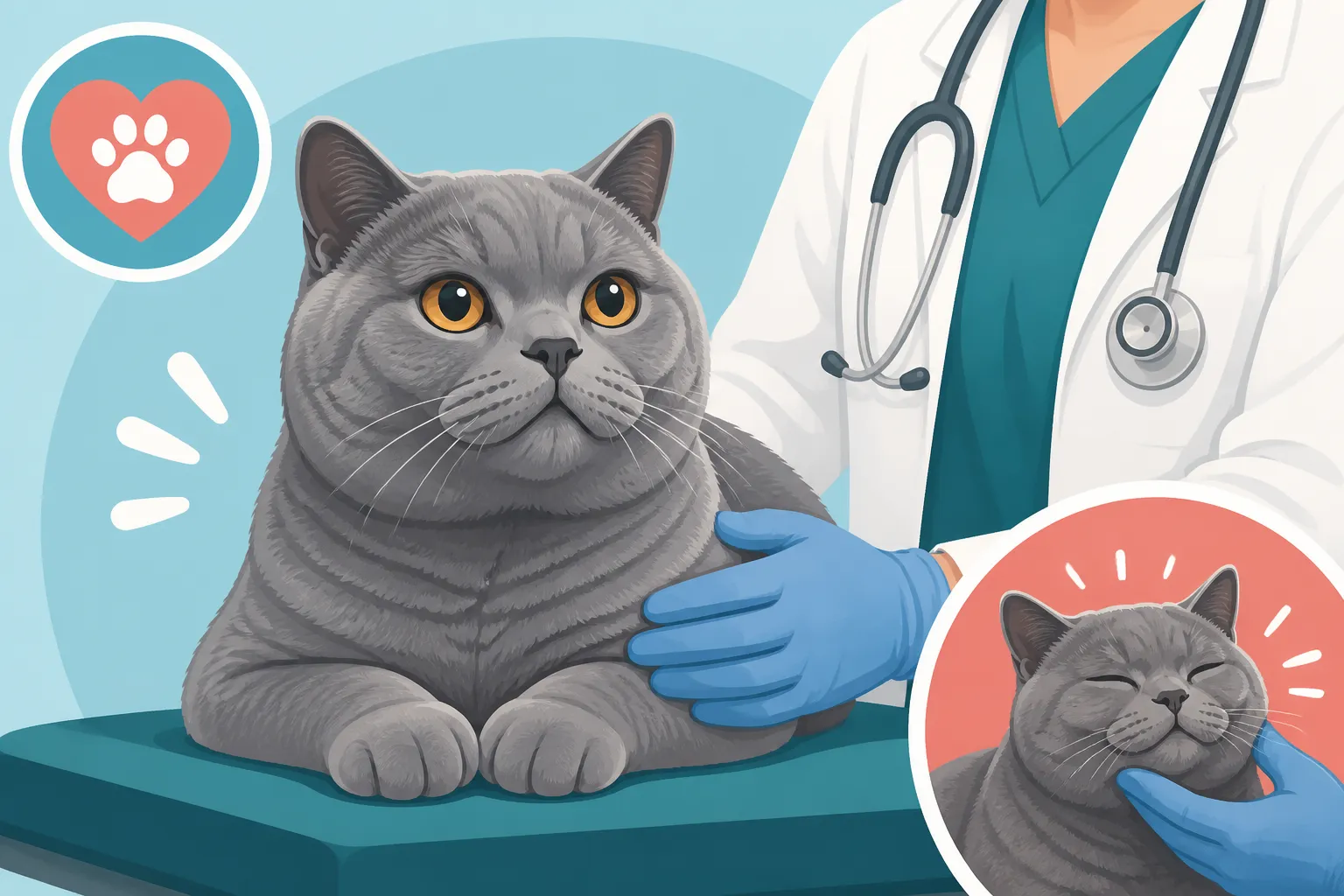
How a British Shorthair Behaves at the Vet
Getting your beloved British Shorthair to the vet can feel like preparing for a wrestling match with a very fluffy, very determined small tank. Their placid, independent nature, which we adore at home, often translates into a stoic resistance or quiet anxiety when faced with the unfamiliar sights, smells, and sounds of a veterinary clinic. This guide is here to walk you through understanding your British Shorthair's unique vet visit personality, preparing for it, and making the experience as stress-free as possible for both of you.
Understanding the British Shorthair's Nature at the Vet
British Shorthairs are renowned for their calm demeanor and robust build, often giving the impression that nothing truly phases them. However, underneath that plush, dense coat and those charming round eyes lies a deeply sensitive soul that thrives on routine and predictability. When that routine is shattered by a trip to the vet, their reactions can be subtle but significant, often misinterpreted by those unfamiliar with the breed's particularities.
Why Vet Visits Can Be Stressful for British Shorthairs
It's easy to assume that because your British Shorthair is usually so laid-back, they'll simply "take it in stride" at the vet. This couldn't be further from the truth. British Shorthairs dislike change intensely. Their entire world revolves around the comforting familiarity of their home environment, their favorite napping spots, and the predictable rhythm of their day. A car ride, a foreign carrier, and then a place filled with strange animals, pungent disinfectant smells, and unfamiliar hands are all deeply unsettling experiences. They aren't typically a breed that seeks out novelty or enjoys being thrust into new situations.
What often appears as calmness in a British Shorthair at the vet is frequently a coping mechanism: freezing. They might go completely still, withdraw into themselves, or even purr, which many owners mistake for contentment. However, purring can often be a sign of extreme stress or pain in cats, a way to self-soothe. Their stoic nature means they don't often vocalize distress loudly, unlike some more dramatic breeds, which can lead to their anxiety being overlooked or underestimated by busy vet staff. It's crucial for you, their owner, to be their advocate and understand these subtle cues.
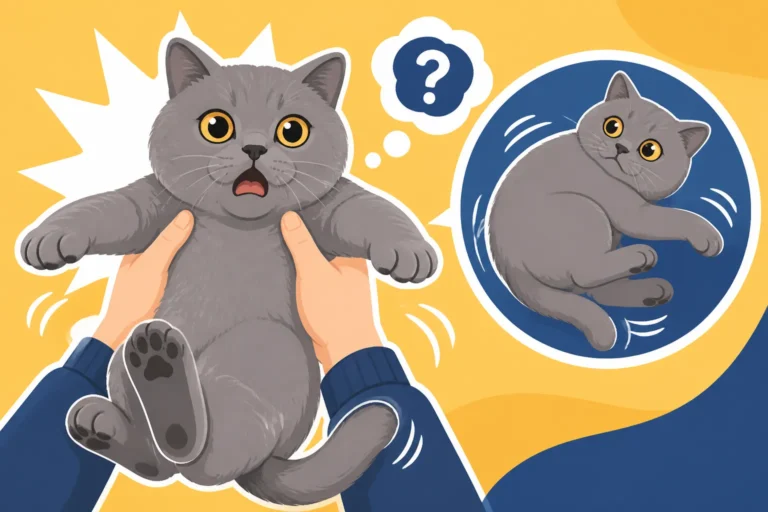
Beyond the unfamiliarity, British Shorthairs are not known for their love of being handled or picked up excessively. While they enjoy being near you, they generally prefer all four paws on the ground. A British Shorthair Will Not Be Picked Up for prolonged periods, and this aversion is amplified when a stranger is doing the handling for an examination. The sudden restraint, the prodding, and the poking by someone they don't know can be incredibly jarring for them, triggering their natural instinct to retreat or resist, albeit often silently.
Common British Shorthair Reactions to the Vet
So, what should you actually expect from your British Shorthair when you arrive at the clinic? Often, the first sign of distress might be a complete shutdown. They might become unresponsive, their eyes wide, their body tense, trying to make themselves as small and invisible as possible. Some might try to hide in the back of their carrier or burrow into a towel. This isn't defiance; it's fear. They are attempting to cope with an overwhelming situation by disengaging.
You might also observe more subtle signs of discomfort, such as dilated pupils, rapid breathing, excessive licking or grooming (a displacement behavior), or a stiff, rigid posture. While a British Shorthair is generally considered The Quietest Cat in the House, some might emit low growls or hisses if they feel particularly cornered or threatened, especially during attempts to examine sensitive areas. Don't be surprised if their usual gentle paw becomes a quick, defensive swat if they feel their boundaries are being truly violated. Remember, their quiet exterior doesn't always reflect their internal state. It's a testament to their inherent placidity that they usually don't explode into a furry ball of fury, but rather internalize their stress.
It's also worth noting that due to their dense coat and robust build, it can sometimes be challenging to immediately spot physical signs of tension or discomfort. Their body language is often more understated than other breeds. Understanding How a British Shorthair Hides Pain is vital here, as this tendency can extend to emotional distress as well. They are masters of appearing composed, even when their little hearts are racing.
Preparing Your British Shorthair for a Vet Visit
The key to a less stressful vet visit for your British Shorthair really begins long before you even leave the house. Preparation is paramount, especially for a breed that values predictability and routine so highly. Building positive associations and equipping yourself with the right tools can make a world of difference.
Desensitization and Positive Association
The carrier is often the first hurdle, turning into a dreaded object that only appears when something unpleasant is about to happen. Instead, aim to make the carrier a normal, even pleasant, part of your home environment. Leave it out all the time, not just when it's vet day. Put soft bedding, treats, and toys inside. Feed them near it, or even inside it. The goal is to make it a safe, familiar den rather than a terrifying trap. Regularly practicing getting them in and out can help. For detailed advice, read How to Get a British Shorthair Into a Carrier.
Once they're comfortable with the carrier, introduce short, positive car rides. Start with just sitting in the car, engine off, offering treats. Then try a short trip around the block, always ending with praise and rewards back home. This helps them associate the car and carrier with positive experiences, rather than only leading to the vet. These steps might take weeks or even months, but the investment in their emotional well-being is worth every moment. Think of it as a long-term project to reduce anxiety for all their future necessary trips, like How Often a British Shorthair Needs a Wellness Exam.
Consider simulating a 'vet visit' at home. Gently handle their paws, ears, and mouth, rewarding them generously. Get them used to being lightly touched by different people if possible, ensuring these interactions are always calm and positive. This can help reduce the shock of being handled by a vet or vet tech, especially since How Long a British Shorthair Tolerates Being Held can be quite short. Every little bit of positive desensitization helps build their resilience.
Essential Gear for a Stress-Free Visit
Having the right equipment can significantly ease the journey. A sturdy, secure carrier is non-negotiable. Look for one that allows for good ventilation and is easy to clean. Many excellent options are available on platforms like Amazon, from soft-sided carriers for smaller cats to hard plastic ones that offer more protection and stability for a large British Shorthair. Ensure it's big enough for them to stand up and turn around comfortably, but not so large that they slide around inside during transit.
Beyond the carrier, consider pheromone sprays or diffusers, such as Feliway. Spraying the carrier with a feline appeasing pheromone about 15-30 minutes before placing your cat inside can help create a calming environment. A favorite blanket or towel from home, especially one that smells of you or their familiar surroundings, can also be placed in the carrier to provide comfort and familiarity. Some owners even find calming supplements, prescribed by their vet, can help reduce anxiety for exceptionally stressed cats. Always consult your vet before introducing any supplements.
For the examination room, bringing along a small bag of their absolute favorite high-value treats can be a game-changer. These aren't just for bribes; they're for positive reinforcement, helping to associate the vet visit with something good. You might also find a gentle harness useful for very anxious cats who might try to bolt from the examination table. While Whether a British Shorthair Even Needs a Sitter is a common question for home care, for vet visits, preparation is key for direct interaction.
During the Vet Visit: Tips for a Smoother Experience
Even with the best preparation, the actual vet visit can still be a challenging experience. Being proactive and communicating effectively with the veterinary staff can make a significant difference in how your British Shorthair copes.
Communicating with the Vet and Staff
Before you even step into the clinic, call ahead and let them know you're bringing in a British Shorthair who might be anxious or particular about handling. Ask if you can wait in a quieter area, away from barking dogs, or if there's a specific time of day when the clinic is less busy. Some clinics even offer "cat-only" hours or rooms specifically designed to be calming for felines. This small step can vastly reduce sensory overload for your sensitive cat.
When you arrive, clearly explain your cat's typical reactions. For example, tell them that your British Shorthair might purr when stressed, or that they tend to freeze rather than overtly struggle. This helps the vet and vet tech understand their subtle cues. Don't hesitate to voice concerns if you feel your cat is becoming too distressed. You know your cat best, and advocating for their comfort is crucial. Remembering that Why a British Shorthair Hates Being Picked Up is a breed trait can help the staff understand why they might resist handling.
Be honest about any previous negative experiences. This information allows the vet team to adjust their approach, perhaps opting for a quicker, more focused examination or using specific calming techniques. They want the visit to be as smooth as possible, too, and appreciate open communication. If your cat truly struggles, discuss the possibility of anti-anxiety medication for future visits, which can be given at home before you even leave.
Calming Techniques in the Examination Room
Once you're in the examination room, keep the carrier door open and allow your British Shorthair to come out on their own terms, if they choose. If they are too scared to leave the carrier, sometimes the vet can conduct part of the examination with them still inside, or gently remove the top of the carrier if it's a two-part design. Never forcibly pull your cat out. Allowing them to stay partly hidden in their carrier or under a towel can provide a sense of security during the initial moments.
During the examination, try to remain calm yourself. Cats are incredibly perceptive and can pick up on your anxiety. Speak in a soft, reassuring voice, and offer gentle strokes if your cat is receptive. Many British Shorthairs appreciate being held close to your body while the vet examines them, providing a familiar scent and presence. If they are amenable, offer those high-value treats during and after procedures. This helps to re-establish a positive association, even in a stressful moment.
A towel can be an invaluable tool. A "kitty burrito" – gently wrapping your British Shorthair in a towel with only their head exposed – can help them feel secure and prevent them from struggling, making procedures like injections or blood draws quicker and safer for everyone. The familiar smell of a towel from home, especially one sprayed with Feliway, can also provide comfort. While Whether a British Shorthair Ever Learns to Be Held for long periods is unlikely, making short, necessary handling as comfortable as possible is the goal.
After the Vet Visit: Helping Your British Shorthair Recover
The vet visit isn't over when you leave the clinic. The journey home and the hours that follow are just as important for helping your British Shorthair decompress and recover from the stress of the experience.
Post-Visit Comfort and Monitoring
Once you're safely home, bring your British Shorthair, still in their carrier, to a quiet, familiar room. Open the carrier door and allow them to exit at their own pace. Don't rush them. They might want to hide under the bed or behind the sofa for a while, and that's perfectly normal. Give them space and time to process what just happened. Provide fresh water and their favorite food, but don't force them to eat or drink.
Observe them closely for the next few hours. Are they eating, drinking, and using the litter box normally? Are there any lingering signs of stress, such as excessive grooming, hiding, or unusual quietness? Sometimes, the stress of a vet visit can manifest in changes to their appetite or litter box habits. If you have other pets, especially other cats, it might be wise to initially keep your British Shorthair separated for a short period. The vet's office smells can cling to their fur, causing the other pets to react negatively to the "stranger" that just walked in. A gentle wipe-down with a warm, damp cloth might help remove some of those unfamiliar scents.
Offer extra cuddles and quiet playtime if they are receptive, but follow their lead. If they want to be left alone, respect that. The goal is to reinforce that home is a safe, peaceful haven after the ordeal. Pay attention to any physical changes or discomfort, especially if they received vaccinations or other treatments. Signs a British Shorthair Is Unwell can sometimes appear after a vet visit, so vigilant monitoring is key.
Strategies for Future Visits
After each visit, take a moment to reflect on what went well and what could have gone better. Did a particular treat work wonders? Was waiting in the car until the last minute less stressful? Did the vet staff respond well to certain handling techniques? Make notes of these observations so you can refine your approach for next time. Perhaps you need a different type of carrier or a different strategy for getting them into it, readily available through retailers like Amazon.
Continue to maintain the positive association with the carrier and car rides between visits. Even if it's just once a week, put the carrier out, offer treats, and take a short drive to the post office and back. Consistency helps chip away at the negative connotations. The more normal these experiences become, the less terrifying they will be for your British Shorthair.
If your British Shorthair consistently experiences extreme anxiety, don't hesitate to discuss long-term solutions with your vet. This might include behavioral training, environmental modifications at home, or even medication to help manage their anxiety. Regular vet visits are essential for their health and longevity, as highlighted in articles like The Twelve to Seventeen Years a British Shorthair Gets, so finding a way to make them tolerable is incredibly important for their overall well-being.
| Strategy Type | Before Visit | During Visit | After Visit |
|---|---|---|---|
| Preparation | Carrier desensitization | Communication with staff | Decompression time |
| Environment | Pheromone spray in carrier | Quiet waiting area, cat-only room | Quiet room at home, familiar smells |
| Comfort | Familiar blanket in carrier | Gentle handling, towel wrap | Favorite food, gentle play (if receptive) |
| Positive Reinforcement | Treats in carrier, short car rides | High-value treats during/after examination | Praise, comfort |
| Advocacy | Inform vet of anxiety history | Voice concerns, request gentle approach | Monitor for lingering stress |
Disclaimer
This article is for general informational purposes only and does not constitute professional advice. Laws, prices and regulations vary by location and change over time. Consult a qualified professional for guidance on your specific situation.