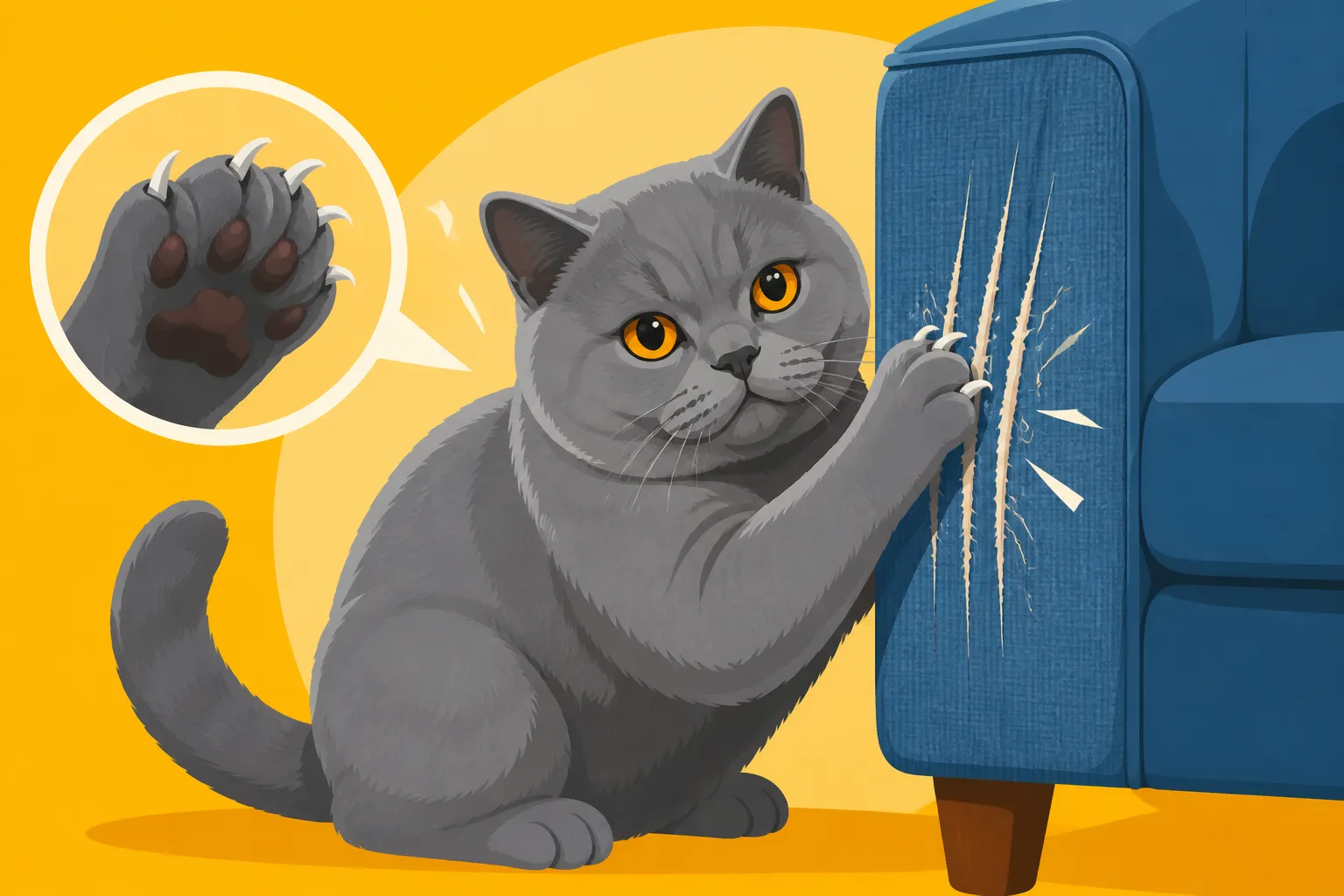
Why a British Shorthair Scratches Furniture
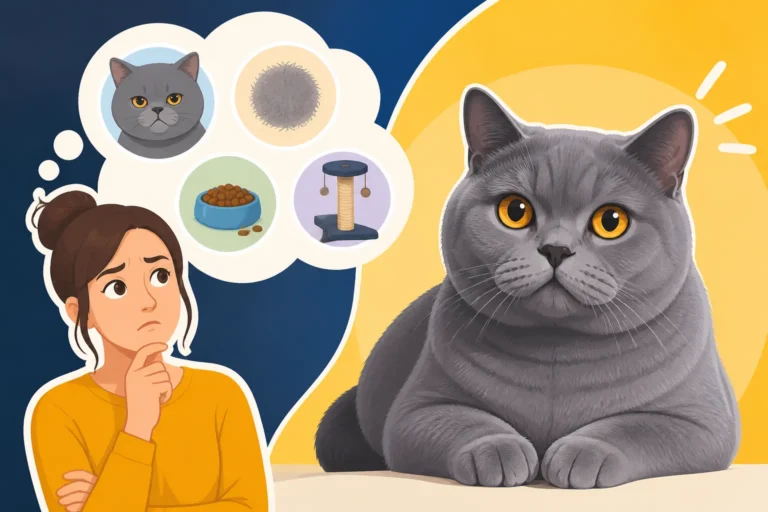
It's a scenario far too many cat parents know all too well: you settle onto the sofa, ready for a cozy evening, only to hear that tell-tale zzzzzzzzip sound as your beloved British Shorthair leisurely extends their paws and begins to shred your favorite armchair. The frustration is real, and it often leaves us wondering, "Why my furniture?" This comprehensive guide will delve into the instinctual reasons behind your British Shorthair's scratching habits and, more importantly, equip you with practical, empathetic solutions to protect your home while keeping your furry companion happy and healthy.
The Instinctual Drive Behind Every Scratch
Before we can even begin to tackle the "where" and "what" of scratching, we need to understand the "why." Scratching isn't a malicious act; it's deeply ingrained in feline behavior, serving multiple crucial purposes for your British Shorthair's physical and mental well-being.
More Than Just Sharpening Claws
One of the most common misconceptions is that cats scratch simply to sharpen their claws. While it's true that scratching helps maintain claw health, it's far more nuanced than just filing them down. A cat's claws have multiple layers, and as the outer, duller layers wear out, scratching helps shed these old casings to reveal the new, sharper claw underneath. Think of it as a feline manicure and pedicure, ensuring their primary tools for climbing, self-defense, and hunting remain in top condition. Without this natural exfoliation, claws can grow too long, curl into paw pads, and cause discomfort or even infection.
Beyond just the physical aspect, the act of extending and retracting their claws into a surface also provides a fantastic stretch for your British Shorthair's paw muscles, ligaments, and tendons. It's like a full-body yoga pose for them, engaging their shoulder and back muscles in a way that feels incredibly satisfying. If you've ever watched your British Shorthair perform a deep, deliberate scratch, you'll notice their entire body is engaged, testament to the physical benefits of this activity.
A Primal Way to Mark Territory
Scratching is also a significant form of communication in the feline world. When your British Shorthair scratches, they are performing both a visual and a scent-marking ritual. Visually, the shredded fibers or claw marks left behind are a clear signal to other cats (and to you!) that "I was here." In the wild, this helps delineate territories and avoid direct confrontations. Even in a single-cat household, this visual mark provides a sense of security and ownership over their environment.
More subtly, but equally important, are the scent glands located between your British Shorthair's paw pads. Every time they scratch, these glands release pheromones – chemical messages imperceptible to humans but very clear to other felines. These pheromones essentially "tag" the scratched surface with your cat's unique scent, broadcasting information about their presence, mood, and ownership. This territorial marking isn't just for other cats; it's also a way for your British Shorthair to create a reassuring, scent-familiar environment for themselves, making their home feel truly theirs.
Stretching and Stress Release
Imagine waking up from a long nap and wanting a good, satisfying stretch. Cats are no different. Scratching provides an excellent full-body stretch, elongating their spine and flexing their muscles, helping them feel limber and ready for action – or another nap! It’s a vital part of their physical routine.
Furthermore, scratching acts as a significant emotional outlet and stress reliever for your British Shorthair. Just like humans might fidget or pace when stressed, cats use scratching to release pent-up energy, anxiety, or frustration. Whether it’s excitement when you come home, boredom from a quiet afternoon, or mild anxiety about a change in their environment, a good scratch can help them regulate their emotions. Providing appropriate outlets for this behavior is crucial for their mental well-being, as suppressing it can lead to more destructive habits or increased stress.
Understanding Your British Shorthair's Unique Preferences
While all cats scratch, the British Shorthair, with its distinctive personality and physical attributes, often has particular preferences that can influence where and how they choose to scratch. Understanding these can be key to redirecting their natural instincts effectively.
The British Shorthair's Love for Texture
British Shorthairs are known for their dense, plush coats and a generally substantial, cobby build. This translates into a powerful, satisfying scratch. They aren't dainty little cats; they like to really dig in. Therefore, the texture of their scratching surface is incredibly important. Many British Shorthairs gravitate towards sturdy, resilient materials that provide significant resistance and a satisfying shredding sensation. Soft, flimsy scratchers might not cut it for their strong claws and body weight.
Consider materials like sisal rope, corrugated cardboard, or even natural wood. These textures offer the deep, satisfying grip and tear that a British Shorthair often seeks. The coarser and more durable, the better. If a scratcher feels too unstable or doesn't provide the right tactile feedback, your British Shorthair might quickly dismiss it in favor of your solid, fabric-covered sofa arm, which offers that perfect combination of firmness and shreddability. You might even find they enjoy scratching rougher textiles more than a slicker, smoother material.
The Importance of Location for a Calm Companion
British Shorthairs are often described as calm, observant, and rather dignified creatures. They appreciate comfort and a sense of security. This impacts where they prefer to scratch. A British Shorthair isn't likely to hide their scratching in a back room; they want to perform this important ritual in prominent areas where they feel secure and can oversee their domain.
Often, you'll notice them scratching near their favorite sleeping spots, after waking up, or in high-traffic areas where family members gather. They want their territorial mark to be seen and "smelled" in central locations. This is why the living room sofa, a prominent doorway, or the leg of your dining table becomes a target. To successfully redirect them, you need to place suitable scratching posts in these preferred locations. For example, a sturdy cat tree, often available on Amazon, placed in a corner of the living room can offer not only scratching opportunities but also a high vantage point, which many British Shorthairs enjoy for surveying their surroundings, even if they aren't avid climbers. Which Cat Tree a British Shorthair Uses is an important consideration for these larger, more grounded cats.
Boredom and Undirected Energy
While British Shorthairs are typically not as high-energy as some other breeds, they are not entirely sedentary. They still require mental and physical stimulation, and a lack of appropriate outlets can manifest as destructive scratching. It's a common misconception that because A British Shorthair Is Genuinely Fine on Its Own, they don't need much engagement. While they are independent, prolonged periods of boredom can lead to frustration and redirected energy.
If your British Shorthair spends much of their day alone with little to do, that instinct to stretch, mark, and relieve stress will find an outlet, and if there isn't a satisfactory scratcher available, your furniture becomes the next best option. This isn't out of spite, but rather a natural response to an unmet need for engagement. Incorporating regular, interactive play sessions and environmental enrichment is crucial to preventing boredom-induced scratching. Consider puzzle feeders or rotating different types of toys to keep them stimulated. Getting a Low Energy British Shorthair to Move often involves enticing play, which can directly reduce their need to scratch for stimulation.
Decoding Different Scratching Scenarios
Observing when and how your British Shorthair scratches can provide valuable clues about the underlying motivation, helping you tailor your approach to stop the unwanted behavior. Every scratch tells a story, and learning to interpret these signals is key.
The "Welcome Home" or "Morning Stretch" Scratch
This is one of the most common and often endearing forms of scratching, even if it targets your furniture. You walk through the door after a long day, and your British Shorthair greets you, stretches, and then heads directly for the arm of the couch for a good scratch. Similarly, after a long nap, they'll wake up, stretch, and then scratch nearby.
These are ritualistic scratches, part of their daily routine to mark territory, stretch their muscles, and express contentment or excitement. The key here isn't to stop the behavior entirely, but to redirect it. If the sofa is their go-to spot for this happy ritual, place a desirable scratcher directly next to it or even in front of it. The goal is to make the appropriate scratching surface more appealing and readily available for these specific moments of daily joy and self-care. It's their way of saying, "I'm awake and happy you're here!"
Attention-Seeking and Frustration Scratching
Does your British Shorthair scratch your furniture while looking directly at you, perhaps even letting out a little meow or chirrup? This is often a classic case of attention-seeking. Cats are smart, and they quickly learn that scratching the forbidden furniture gets a reaction – even a negative one. For a British Shorthair, who might not be a huge "lap cat" in the traditional sense, this can be their way of initiating interaction. A British Shorthair Will Not Be Picked Up readily, but that doesn't mean they don't crave your attention.
This type of scratching can also stem from frustration. Perhaps they're hungry, want to play, or feel their litter box isn't clean enough. If their needs aren't being met, or they feel ignored, destructive scratching becomes a powerful communication tool. To address this, ensure their basic needs are always met promptly. Schedule regular playtimes, especially with interactive wand toys, which can be highly engaging for a British Shorthair. When they scratch for attention, avoid yelling or rushing over. Instead, calmly pick them up and place them next to their appropriate scratcher, then immediately reward them if they use it.
Stress, Anxiety, and Environmental Changes
Cats thrive on routine and familiarity, and British Shorthairs are no exception. Changes in their environment, no matter how minor, can be a source of stress or anxiety, leading to an increase in scratching behavior. Moving to a new home, getting new furniture, a new pet, or even just rearranging a room can trigger this. If your British Shorthair suddenly starts scratching in new, inappropriate places, it's worth considering if something has changed in their world.
Scratching helps them cope by both releasing tension and reapplying their scent to make the unfamiliar more familiar and reassuring. In these situations, providing multiple, easily accessible scratchers is paramount. You might also consider using feline pheromone diffusers or sprays, such as Feliway, in the areas where they are scratching inappropriately. These products release synthetic feline facial pheromones that help create a calming and secure environment, reducing the need for your British Shorthair to over-mark with their claws. This can be especially helpful during periods of transition or if you suspect underlying anxiety.
Proactive Strategies to Protect Your Home
The best defense against furniture scratching is a good offense. By implementing proactive measures, you can create an environment where your British Shorthair is naturally inclined to use appropriate scratching surfaces, saving your beloved belongings from unwelcome claw marks.
The Power of Multiple, Varied Scratchers
This is perhaps the most crucial strategy. You wouldn't expect a child to only play with one type of toy; similarly, one scratching post isn't enough for a cat, especially a British Shorthair. Cats have preferences, not just for material but also for orientation. Some cats prefer vertical scratching (like a tree trunk or sofa arm), while others prefer horizontal (like a log on the ground or a carpet). Many enjoy both!
To truly cater to your British Shorthair, you need to offer a variety:
- Vertical Scratchers: Tall, sturdy posts wrapped in sisal or corrugated cardboard. Ensure they are tall enough for your British Shorthair to stretch to their full length, typically at least 30 inches high. Look for stable options on Amazon that won't wobble when your substantial British Shorthair leans into a scratch.
- Horizontal Scratchers: Cardboard pads, sisal mats, or even carpet squares placed on the floor. These are great for cats who like to stretch out their front paws while scratching.
- Angled Scratchers: Some cats enjoy a slight incline, which gives them a different angle of attack.
Place these scratchers in strategic locations: near existing "hot spots" where they've scratched before, close to their sleeping areas (for those morning stretches), and in high-traffic zones where they want to mark territory. The more attractive and accessible the alternatives are, the less likely they are to target your furniture.
Deterrents and Barriers
Sometimes, you need to make the forbidden area less appealing. This isn't about punishment, but about creating an immediate, unpleasant (but harmless) sensation that discourages scratching without scaring your cat.
Here are a few effective deterrents:
- Double-Sided Sticky Tape: Cats generally dislike the sticky feeling on their paws. Applying strips of double-sided tape (specifically designed for pets) to the targeted furniture spots can be very effective. After a few unpleasant encounters, your British Shorthair will often learn to avoid that surface. These are widely available, including on Amazon.
- Scratch Guards/Furniture Protectors: Clear, adhesive sheets or furniture shields can be applied to corners or sides of sofas and chairs. These create a physical barrier that prevents claws from digging in and often have a smooth, unappealing surface.
- Foil or Plastic Sheeting: Temporarily covering problem areas with aluminum foil or thick plastic sheeting can deter scratching. The crinkly sound of foil or the slick, unstable feel of plastic is generally undesirable to cats.
- Scent Deterrents: Cats often dislike citrus scents. Sprays infused with citrus, bitter apple, or other unpleasant (to cats) but harmless smells can be applied to furniture. Always test a small, inconspicuous area first to ensure it doesn't stain.
The key with deterrents is consistency and patience. Use them in conjunction with attractive scratchers to redirect the behavior positively.
Early Training and Positive Reinforcement
The earlier you start, the better. If you bring home a British Shorthair kitten, introduce them to various scratchers immediately. Make it a fun, rewarding experience. Gently place their paws on the scratcher and praise them, or dangle a toy over it to encourage interaction.
For adult British Shorthairs, positive reinforcement is still the most effective training method. When you see your cat using an appropriate scratcher, shower them with praise, a favorite treat, or a short play session. This helps them associate the scratcher with positive outcomes. Avoid scolding or physically punishing them if you catch them scratching furniture; this can create fear and anxiety, potentially worsening the problem or making them scratch secretly. Instead, calmly pick them up (if they tolerate it – remember A British Shorthair Will Not Be Picked Up easily) and redirect them to a designated scratcher. Reward them instantly if they engage with it. Consistency is vital; every time they use the right tool, reinforce that good behavior. Training them while they are still young, before When a British Shorthair Finally Grows Up and forms fixed habits, is ideal.
Effective Solutions for Redirecting Scratching
Once you've set up your preventative measures, you'll likely still need some active strategies to redirect your British Shorthair's scratching towards the appropriate outlets. These solutions focus on making your furniture truly undesirable while making the scratchers irresistible.
Making the Furniture Undesirable
The goal here is to make your furniture a less appealing option than their designated scratchers. This involves a multi-pronged approach:
- Temporary Covers: For particularly tempting spots, consider temporarily covering the furniture with blankets, towels, or even fitted sheets. If the texture is eliminated, the scratching appeal is greatly reduced. Once your British Shorthair has consistently used their scratchers for several weeks, you can slowly remove the covers.
- Scratch-Proof Covers: For a more permanent solution, you can invest in furniture covers made from materials that cats find difficult or unrewarding to scratch, such as micro-suede or certain synthetic fabrics. Some companies even offer clear, flexible plastic covers that fit over furniture arms, protecting them while still allowing the aesthetic of your furniture to show through. Many options for these are readily available on platforms like Amazon.
- Texture Alteration: As mentioned with deterrents, applying sticky tape or furniture scratch guards creates an unpleasant tactile experience. The key is to keep these on consistently until your cat has fully formed new habits. If you remove them too soon, the old habits can resurface. The idea is to break the association between the furniture and the satisfaction of scratching.
Remember, the emphasis is on undesirable rather than punishing. We want to guide their natural behavior, not suppress it.
The Art of Nail Maintenance
Regular nail maintenance is a powerful tool in your arsenal against furniture scratching. Shorter, blunter claws do less damage, even if your British Shorthair does occasionally attempt to scratch furniture.
- Regular Trimming: Get into a routine of trimming your British Shorthair's claws every 2-4 weeks. This might sound daunting, especially if your cat isn't fond of having their paws handled. Start slowly, perhaps just one or two claws at a time, and always reward with treats and praise. Your British Shorthair has quite thick claws, so using appropriate clippers is essential. Which Clippers Suit a British Shorthair's Thick Claws refers to strong, sharp clippers designed for cats, not human nail clippers. Make sure you only trim the very tip, avoiding the quick (the pink part that contains blood vessels and nerves). If you're unsure, ask your vet or a professional groomer to show you how. We also have a dedicated guide on How Often a British Shorthair's Claws Need Cutting.
- Nail Caps: As an alternative, soft vinyl nail caps can be glued onto your cat's claws. These typically last 4-6 weeks and fall off naturally as the claw grows. They prevent the claw from doing any damage to furniture while still allowing your British Shorthair to go through the motions of scratching. They come in various sizes and colors and can be purchased from pet stores or online retailers like Amazon. This can be a great option if trimming is too stressful for your cat or if you have particularly delicate furniture.
Engaging Play and Mental Stimulation
A tired cat is often a well-behaved cat. Providing ample opportunities for engaging play and mental stimulation can significantly reduce the likelihood of destructive scratching, especially if it's stemming from boredom or pent-up energy. British Shorthairs, despite their calm demeanor, still need exercise and mental challenges.
- Interactive Play Sessions: Dedicate at least 15-20 minutes, once or twice a day, to interactive play. Use wand toys, feather teasers, or laser pointers (though always end laser play with a tangible toy they can "catch" to prevent frustration). This helps them burn off energy and satisfy their predatory instincts. Play for a British Shorthair That Would Rather Not might involve specific types of toys or techniques to get them moving.
- Puzzle Feeders: Instead of just putting food in a bowl, use puzzle feeders. These require your British Shorthair to "work" for their food, stimulating their minds and preventing boredom. Whether a Puzzle Feeder Motivates a British Shorthair largely depends on the individual cat and the type of puzzle, but many British Shorthairs respond well to food-based challenges.
- Rotate Toys: Cats can get bored with the same toys. Rotate their toy collection regularly to keep things fresh and exciting. Provide a mix of crinkle balls, catnip toys, and small plush animals.
Remember, a British Shorthair might not be as overtly energetic as some breeds, but they still need outlets for their natural behaviors. Ignoring this can lead to them creating their own "fun" at your furniture's expense.
Avoiding Common Pitfalls and Misconceptions
When trying to address unwanted scratching, it's easy to fall into traps that can actually make the problem worse. Understanding what not to do is just as important as knowing what to do.
Why Punishment Backfires
It's a natural human reaction to scold or punish a cat when you catch them scratching furniture. You might yell, spray water, or even swat at them. However, cats do not understand punishment in the same way humans do. They don't connect your anger to their natural behavior of scratching. Instead, what happens is far less desirable:
- Fear and Anxiety: Your British Shorthair learns to fear you, not to stop scratching. This can damage the bond you share, making them wary and distrustful.
- Hidden Behavior: Instead of stopping, they simply learn to scratch when you're not around. The behavior continues, but now it's done secretly, making it harder to correct.
- Increased Stress: Punishment increases their stress levels, which, as we discussed earlier, can actually increase the need for stress-relieving behaviors like scratching.
Instead of punishment, focus on redirection and positive reinforcement. When you see them scratching inappropriately, gently interrupt them (without startling or scaring them), pick them up, and place them on an appropriate scratcher. Immediately praise and reward them if they use it.
The Truth About Declawing
Declawing (onychectomy) is a barbaric and inhumane procedure that is, thankfully, becoming illegal in many places. It is not a simple nail trim; it is a surgical amputation of the last bone of each toe. Imagine having the tips of your fingers removed at the first knuckle – that's what declawing is like for a cat.
The consequences for a British Shorthair are severe and long-lasting:
- Chronic Pain: Many declawed cats suffer from chronic pain in their paws, which can lead to lameness and arthritis.
- Behavioral Issues: Without their primary defense mechanism, declawed cats can become insecure, leading to biting, house soiling outside the litter box (because digging in litter becomes painful), or increased anxiety.
- Inability to Perform Natural Behaviors: They cannot climb, grasp toys, or even walk comfortably as nature intended.
There are always humane alternatives to declawing. Providing appropriate scratchers, consistent nail trims, and nail caps are all effective ways to manage scratching without resorting to this cruel surgery. Your British Shorthair deserves to keep their paws intact.
Not Providing Enough Acceptable Alternatives
One of the biggest mistakes owners make is underestimating the sheer number and variety of scratching options a cat needs. We often think one small, carpeted post in the corner should suffice. For a British Shorthair, this is rarely enough. Their preference for certain textures, orientations, and prominent locations means a single, ill-placed scratcher will likely be ignored.
If your British Shorthair is still scratching furniture despite your best efforts, take an honest look at your scratching solutions:
- Are there enough scratchers? Aim for at least one scratcher per cat, plus one more, distributed throughout the home.
- Are they in the right places? Are they near their sleeping spots, favorite perching areas, and where they currently scratch?
- Are they the right type? Do they offer both vertical and horizontal options? Are they sturdy enough for a British Shorthair to use without wobbling? Do they offer appealing textures like sisal or corrugated cardboard?
- Are they appealing? Have you tried sprinkling a little catnip on them or dangling a favorite toy over them to encourage use?
Sometimes, the solution is as simple as adding another well-placed, sturdy scratcher. Cats, particularly British Shorthairs, are creatures of comfort and habit. If the "right" place to scratch isn't readily available and enticing, they will gravitate towards what feels right – even if it's your expensive armchair.
| Scratcher Type | Material Examples | Pros | Cons | Best For |
|---|---|---|---|---|
| Vertical Post | Sisal rope, Carpet, Corrug. Cardboard | Allows full-body stretch, good for marking, very durable (sisal) | Can be bulky, some carpeted ones are too soft, must be stable | Cats who like to stretch up, territorial markers, post-nap stretches |
| Horizontal Pad/Mat | Corrugated Cardboard, Sisal mat, Carpet | Easy to place on floor, often inexpensive (cardboard), good for front paw stretch | Cardboard wears out quickly, can slide if not weighted, less of a full stretch | Cats who prefer to scratch downwards, good for smaller spaces |
| Angled Scratcher | Corrugated Cardboard, Wood | Offers varied scratching angle, good for back stretch | Can be less stable than a fixed post, cardboard wears out | Cats who like a different angle, good transition from floor to post |
| Cat Tree/Tower | Sisal rope, Carpet, Wood | Multi-functional (scratch, climb, perch, sleep), tall options for BSH | Can be very large and expensive, carpeted levels might be ignored | British Shorthairs who like to survey from height, multi-cat homes |
This article is for general informational purposes only and does not constitute professional advice. Laws, prices and regulations vary by location and change over time. Consult a qualified professional for guidance on your specific situation.