When a British Shorthair Needs a Companion
It’s a common misconception that all cats are solitary creatures, perfectly content to be left alone for long stretches. While our beloved British Shorthairs often carry a reputation for being quite independent and calm, which they absolutely are, that doesn't mean they're immune to loneliness or boredom, especially under certain circumstances. Many of us grapple with guilt, wondering if our chunky, affectionate shadows are truly happy when we're out all day. This guide will help you understand the subtle cues your British Shorthair might be sending and determine if adding a companion could genuinely enrich their life.
Understanding the British Shorthair Temperament and Independence
The British Shorthair is renowned for its placid, easygoing nature. They aren't typically the kind of cat that demands constant attention, preferring to observe the household goings-on from a comfortable perch or a nearby chair. They are often described as "velcro cats" without the "velcro" – they like to be near you, but not necessarily on you. This natural independence is often a huge draw for busy individuals or families who want a loving pet without the high-strung demands of some other breeds.
Why British Shorthairs Seem Self-Sufficient
Their history as working cats, adept at managing pests, instilled a certain self-reliance. Over generations, breeders have also selected for calm, stable temperaments. This means your British Shorthair is usually quite content with its own company for a good portion of the day. They have a knack for finding the sunniest spot for a nap, engaging in a quiet play session with a favorite toy, or simply contemplating the existence of dust bunnies. You might feel like you've got the perfect low-maintenance companion, and in many ways, you do! This independence is often why owners believe their cat is perfectly fine without another feline friend.
However, "self-sufficient" isn't quite the same as "never lonely." While they won't typically tear down the drapes or howl at the door when you leave, a quiet cat can still experience emotional states that benefit from interaction. It’s all about balance and meeting their needs, which aren’t always as obvious as with more vocal or clingy breeds. Their quiet demeanor can sometimes mask underlying feelings.
The Limits of British Shorthair Solitude
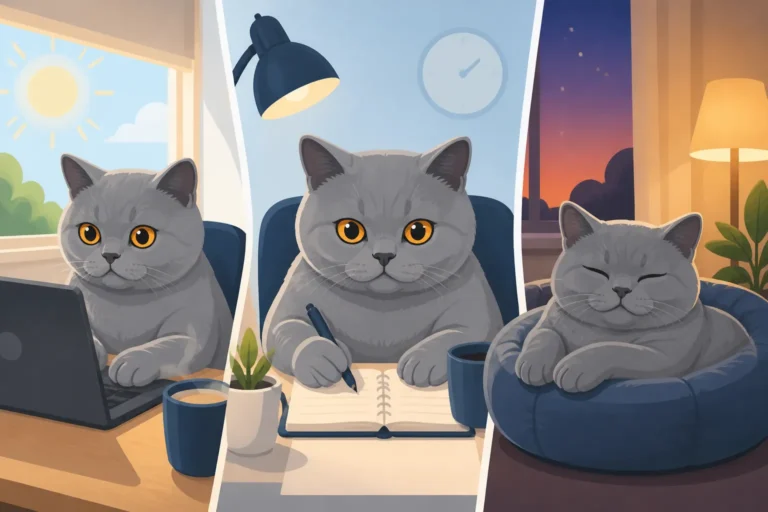
Even the most independent British Shorthair has limits to how much solitude they genuinely enjoy. While they might appear to spend most of their day napping, a truly engaging environment includes more than just sleep. A British Shorthair's day, if left entirely to its own devices, can become quite monotonous. Think about it: eat, nap, stare out the window, nap, maybe a little light batting at a dust bunny, nap, eat again. This lack of stimulation, especially over long periods, can subtly impact their well-being.
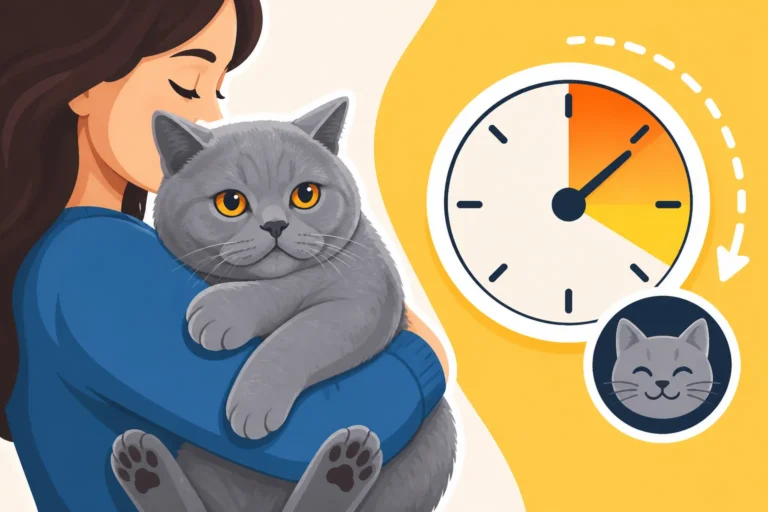
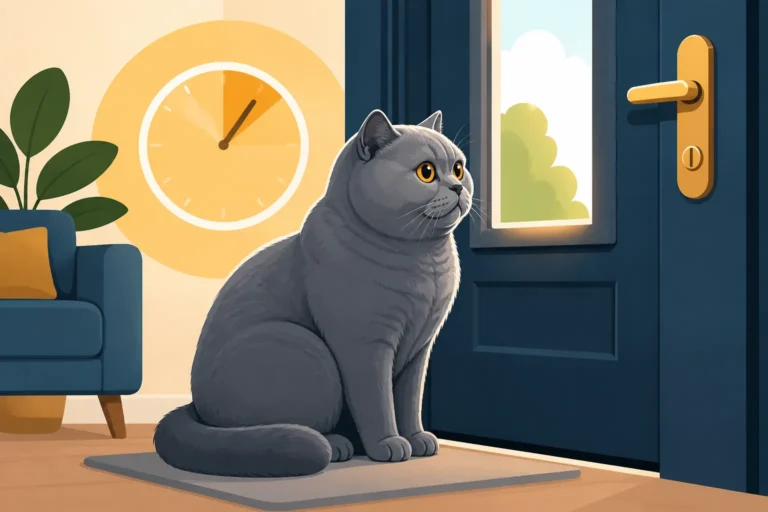
Consider How Many Hours a British Shorthair Can Be Left alone. While they can certainly tolerate a standard workday, consistently being left for 9-10 hours or more, day after day, week after week, might push the boundaries of their natural independence. It's not just about surviving; it's about thriving. A truly thriving cat needs mental stimulation, physical activity, and social interaction, even if that social interaction is just another cat sharing a sunbeam or batting at a toy together.
Signs Your British Shorthair Might Be Lonely or Bored
It can be incredibly hard to tell if your calm, stoic British Shorthair is actually feeling a bit down or bored, especially since they aren't prone to dramatic displays. They aren't likely to trash your house or cry incessantly. However, they do show signs, and learning to read these subtle cues is key to their well-being.
Subtle Behavioral Changes
A change in routine or subtle shifts in behavior are often the first indicators that something isn't quite right. Your British Shorthair might start sleeping even more than usual, or perhaps in new, more secluded spots. They might also become less engaged when you are home. Instead of following you (How Closely a British Shorthair Follows You) from room to room or settling near you, they might seem a bit more withdrawn. Look for changes in their eating habits—either eating significantly more out of boredom or less due to lack of interest.
Sometimes, excessive grooming can be a sign of stress or boredom. If you notice your cat suddenly has bald patches or is constantly licking one area, it's worth investigating. Conversely, a reduction in grooming, leading to a duller coat or more mats, could also indicate they're feeling low. These aren't always clear-cut signs, as medical issues can also cause them, but if accompanied by other behavioral shifts, they're red flags. Consider Signs a British Shorthair Is Lonely for a more in-depth look at these subtle indicators.
Destructive Habits or New Anxieties
While not typical for the breed, extreme boredom or loneliness can sometimes manifest in undesirable behaviors. This is less common than with high-energy breeds, but it's not impossible. You might notice them scratching furniture more, even if they have appropriate scratching posts, simply because they have excess energy or are trying to relieve stress. They might also start over-vocalizing (for a British Shorthair, this usually means more chirps and trills than usual, not outright yowling) or seeking attention in ways that are out of character, like knocking items off shelves.
Another sign can be increased clinginess when you are home, almost as if they're trying to make up for lost time. This can sometimes look like Whether a British Shorthair Gets Separation Anxiety, where they become overly attached to your presence and distressed when you prepare to leave. If you come home to a cat that seems overly frantic for your attention, following you everywhere and vocalizing more than usual, it could be a sign they need more consistent interaction throughout the day.
Evaluating Your Lifestyle and Its Impact
Your lifestyle plays a huge role in whether your British Shorthair might benefit from a companion. While these cats are independent, they still thrive on routine and interaction. Modern life, with its demanding work schedules and occasional travel, can inadvertently create environments where even a self-sufficient cat can feel isolated.
Long Work Hours and Frequent Absences
If your daily routine involves leaving for eight to ten hours or more, and this happens five days a week, your British Shorthair is spending a significant portion of its waking hours completely alone. While they'll likely nap through much of it, that's a long stretch without any mental or physical stimulation beyond what they can generate themselves. Imagine your own life if you spent 40+ hours a week alone with nothing to do but sleep and eat. It wouldn't be ideal, even for the most introverted among us.
This is where a companion can really shine. Another cat can provide that vital interaction, a playmate, a grooming partner, or simply another warm body to share a sunbeam with. Even if they don't constantly play, the mere presence of another feline can significantly reduce feelings of isolation. This is especially true if you find yourself often working late, traveling for business, or having an unpredictable schedule. How a British Shorthair Copes With a Full Working Day often depends heavily on the enrichment available to them during those long hours.
Lack of Engaging Playtime
British Shorthairs are generally less active than some breeds, preferring short bursts of play to sustained athletic endeavors. However, How Much Play a British Shorthair Needs is still a crucial part of their daily enrichment. If you're coming home exhausted and don't have the energy for even a 15-minute wand toy session, your British Shorthair might be missing out on vital physical and mental exercise. A companion can fill this gap, providing spontaneous wrestling matches or chase games that keep both cats active and engaged.
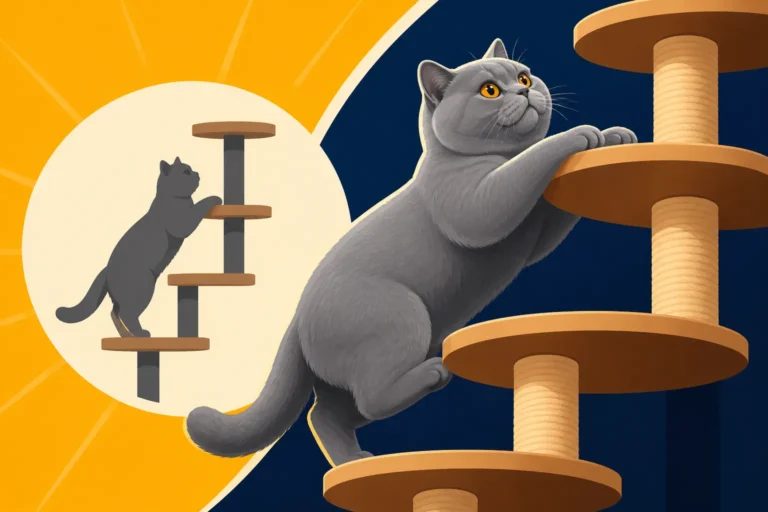
Even seemingly lazy cats need stimulation. Without it, they can become overweight, leading to health issues like Obesity Is the British Shorthair's Real Disease. Interactive toys, puzzle feeders, and cat trees can help, but nothing quite replaces the dynamic interaction of another living being. If your cat seems bored with their existing toys or rarely engages in solitary play, it could be a sign they need more dynamic interaction, which a companion can offer.
The Benefits of a Feline Companion for a British Shorthair
Introducing a suitable companion can dramatically improve a British Shorthair's quality of life, transforming a solitary existence into one filled with subtle, shared moments and mutual enrichment. It's not just about filling a void; it's about adding a dimension of interaction that even the most dedicated human owner can't always provide.
Enhanced Social and Mental Stimulation
Having another cat around provides constant, low-level social stimulation that prevents boredom. It’s not always about active play; sometimes it’s just the comfort of shared presence. They might groom each other, chase a feather toy across the living room, or simply nap in the same room, each aware of the other's comforting proximity. This natural interaction exercises their minds and bodies in ways that solitary life often doesn't.
This is especially valuable for a breed that doesn't often scream for attention. Their preferred mode of interaction is often a quiet coexistence, and another British Shorthair or similarly calm breed can provide exactly that. They learn from each other, engage in silent communication, and develop a bond that is uniquely feline. What a British Shorthair Does All Day can become much richer with a companion to share it with.
Reduced Stress and Loneliness
A companion can act as a natural stress reducer for your British Shorthair. Cats are creatures of habit, and while they handle changes with varying degrees of grace, prolonged loneliness can lead to quiet stress. The presence of another cat, once they've established a bond, creates a sense of security and belonging. This can be particularly noticeable if you've recently experienced a change in household dynamics, like a child moving out or a shift in your work schedule.
Furthermore, if your British Shorthair has recently lost a beloved human or animal companion, Whether a British Shorthair Grieves a Lost Companion is a real concern. In such cases, carefully introducing a new friend can offer immense comfort and help them navigate their grief, providing a new focal point for their affection and routine.
Choosing the Right Companion for Your British Shorthair
Deciding to bring another cat into your home is a big step, and choosing the right companion is paramount. Not just any cat will do, especially for a British Shorthair with their distinct personality. Compatibility is key to a harmonious household.
Age and Temperament Match
The ideal companion will generally be similar in age or slightly younger, with a compatible temperament. A British Shorthair, known for its calm demeanor, might be overwhelmed by a super high-energy, boisterous kitten from a more active breed. Similarly, an older, sedate British Shorthair might not appreciate a young, playful cat constantly pouncing on them. Aim for a cat that matches your British Shorthair's energy level – which for many British Shorthairs, means fairly low-key.
If your British Shorthair is an adult, considering another adult cat, perhaps a rescue cat whose personality is already well-established, can be a great option. This way, you have a better idea of their temperament and energy level from the start. Which Second Cat Suits a British Shorthair will depend greatly on your existing cat's specific quirks and preferences.
Breed Considerations
While another British Shorthair is often a natural fit due to shared temperament, other breeds can also make excellent companions. Breeds known for their calm, gentle natures, such as a Ragdoll, a Birman, or even another placid domestic shorthair, could work well. The key is avoiding breeds known for being overly dominant, highly territorial, or extremely energetic if your British Shorthair is more reserved.
When looking at various breeds or even domestic cats, inquire about their social history. Were they raised with other cats? Do they enjoy canine companionship if you have a dog? A cat with a history of positive social interactions is more likely to integrate successfully into your home.
Gender Dynamics
Sometimes, gender can play a subtle role in feline dynamics. Two female cats can sometimes establish a strong bond, but occasionally, two unspayed females can be more territorial. Two neutered males often get along famously, especially if introduced correctly. A male and a female pair, both spayed/neutered, is often the easiest combination, as it mimics natural groupings in the wild without the hormonal influences that can cause friction. Ultimately, individual personality trumps gender, but it's another factor to consider in the overall puzzle of compatibility.
| Companion Type | Pros | Cons | Best Fit For |
|---|---|---|---|
| Another British Shorthair | Similar energy, play style, and communication. | Can be costly, finding a good match takes time. | Owners wanting a seamless integration and shared temperament. |
| Calm Domestic Shorthair | Often adaptable, many in shelters, varied looks. | Temperament can vary widely, needs careful assessment. | Owners looking for a rescue, willing to assess individual personalities. |
| Ragdoll/Birman | Generally gentle, affectionate, placid. | Larger size, can be more vocal than BSH. | Owners wanting a lap cat companion for their BSH, willing to research. |
| High-Energy Breed | Provides more active stimulation. | Can overwhelm a BSH, lead to stress or avoidance. | Only if your BSH shows signs of needing much more vigorous play. |
Introducing a New Companion to Your British Shorthair
Bringing a new cat into a home with an existing British Shorthair requires patience, careful planning, and a gradual approach. Rushing the introduction can lead to stress, fear, and long-term resentment between the cats, which is the last thing you want. Remember, your British Shorthair thrives on routine and calm, so any disruption needs to be managed gently.
Scent Swapping and Sanctuary Spaces
The first step, even before they see each other, is to introduce their scents. Set up a separate "sanctuary" room for the new cat with its own food, water, litter box, and bed. Keep the new cat in this room for several days, allowing them to acclimate to their new surroundings without the stress of meeting the resident cat. During this time, regularly swap items with their scent – a blanket from the new cat for your British Shorthair to sniff, and vice versa. Use soft cloths to gently rub each cat's cheeks (where scent glands are located) and then present the cloth to the other cat. This helps them get used to each other's presence in a non-threatening way.
Ensure your British Shorthair still feels secure and loved during this time. Don't neglect their routine or playtime. You can also use Feliway diffusers in both spaces, which release calming pheromones and can help reduce anxiety for both cats. Products like those found on Amazon, offering calming sprays or diffusers, can be useful during this initial phase.
Supervised Visual Introductions
Once they seem comfortable with each other's scent (no hissing, growling, or signs of extreme stress), you can move on to supervised visual introductions. This usually involves brief periods where they can see each other, but not physically interact. This could be through a baby gate, a partially open door with a doorstop, or even a carrier if one cat is particularly calm in it. Keep these sessions short and positive, distracting them with treats or gentle play. The goal is for them to associate the other cat's presence with positive experiences.
Watch their body language closely. Any flattened ears, puffed tails, hissing, or growling means you're going too fast. End the session calmly and try again later with a shorter duration. Slowly increase the duration of these visual encounters over several days or even weeks. How to Introduce a British Shorthair to a Resident Cat is a marathon, not a sprint, and patience is your most valuable tool.
Gradual Shared Space and Resource Management
Once visual introductions are going well, you can allow them to be in the same room for short, supervised periods, ensuring there are escape routes and high perches for both cats. Never force interaction. Continue to make these experiences positive with treats, praise, and calm play. Provide multiple resources – separate food bowls, water stations, litter boxes, beds, and scratching posts in different areas of the house. This reduces competition and helps prevent territory disputes. A good rule of thumb is one litter box per cat, plus one extra, and ensuring ample space for each cat to eat, drink, and sleep undisturbed.
It's common for a British Shorthair to be initially reserved or even a bit grumpy about a new feline housemate. They appreciate their personal space. Don't be discouraged if they don't instantly become best friends. Some cats will become snuggle buddies, while others will simply coexist peacefully, forming a quiet bond of mutual respect. Either outcome is a success, as long as both cats are stress-free and content. Remember that your ultimate goal is the happiness and well-being of both your British Shorthair and their new companion.
Disclaimer
This article is for general informational purposes only and does not constitute professional advice. Laws, prices and regulations vary by location and change over time. Consult a qualified professional for guidance on your specific situation.