How Many Hours a British Shorthair Can Be Left
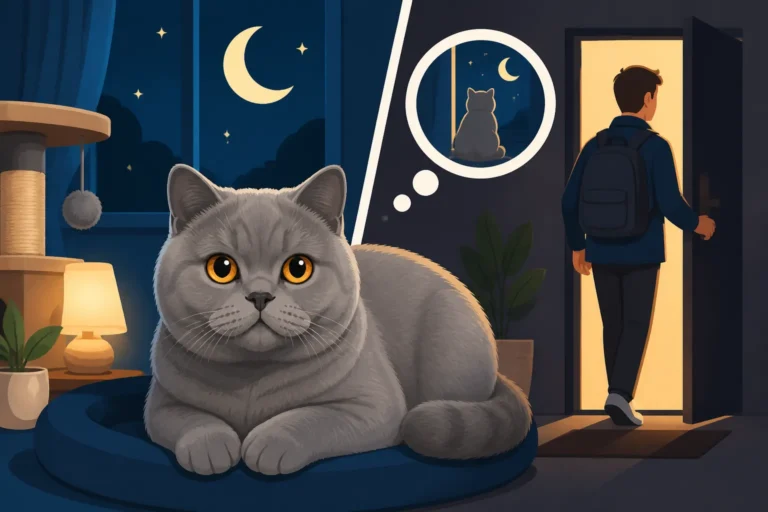
It's a common dilemma for British Shorthair owners, especially those of us balancing busy lives with the love we have for our furry family members: just how long is too long to leave our typically serene, teddy-bear-like companions alone? We want to give them the best life, but daily life often means we can't be by their side every single second, leading to worries about boredom, loneliness, or even stress. This guide will delve into the specific needs of the British Shorthair, helping you understand how long they can comfortably manage on their own and what you can do to make their solitary hours as happy and enriching as possible.
Understanding the British Shorthair's Independent Spirit
The British Shorthair is often described as independent, a characteristic that makes them seem like the perfect "low-maintenance" cat for busy households. And while it's true they aren't typically clinging to your heels demanding constant attention, this independence doesn't mean they don't value companionship or get lonely. It's a nuanced trait that requires understanding to truly cater to their needs.
How Their Temperament Shapes Alone Time Tolerance
British Shorthairs are generally calm and placid, enjoying their routines and often content to observe the world from a comfortable perch rather than constantly seeking active engagement. They don't usually climb the curtains or race around the house like some more high-energy breeds. This inherent tranquility means they might handle short periods of solitude better than a more boisterous cat. They are quite capable of entertaining themselves with a nap in a sunbeam or a quiet exploration of their territory. You might find them perfectly happy curled up on a soft blanket, perhaps near a window, watching the world go by.
However, this calm demeanor can sometimes mask deeper needs. While they aren't likely to show destructive behaviors out of boredom as readily as some breeds, a British Shorthair still thrives on interaction and can suffer from a lack of it. They might not tear up your sofa, but they could become withdrawn, eat less, or even overgroom if left alone for excessively long periods without proper enrichment or human connection. Their quiet nature means you really have to pay attention to subtle cues to know if they're truly thriving or just tolerating their alone time. You might notice them being less enthusiastic about your return, or perhaps their usual affectionate head-nuzzles become less frequent.
The Myth of the "Low-Maintenance" Cat
Many people assume that because British Shorthairs are less demanding in terms of constant play, they require very little of your time. This isn't entirely accurate. While they may not need vigorous exercise sessions daily, they absolutely need consistent interaction, mental stimulation, and affection on your terms, not just theirs. Their affectionate nature often manifests as quiet presence, sitting near you rather than on your lap, or following you from room to room. A British Shorthair Sits Near You, Not On You is a perfect example of their subtle way of showing love.
Leaving a British Shorthair alone for extended periods without thoughtful preparation can lead to problems, even if they don't seem overtly distressed. Their routine is very important to them, and sudden, prolonged changes in their human presence can be unsettling. A cat that seems "fine" might actually be internalizing stress, which can manifest in behavioral changes or even health issues down the line, such as urinary problems or a sudden decrease in appetite. It’s about quality of interaction, not just quantity of hours present. They rely on you for their emotional well-being just as much as they do for food and shelter.
Factors Influencing a British Shorthair's Tolerance for Solitude
There's no one-size-fits-all answer to how long a British Shorthair can be left alone. It depends heavily on individual personality, age, environment, and your efforts to mitigate loneliness. What works for one British Shorthair might be completely unsuitable for another, even within the same breed.
Age and Personality: The Individual Differences
A kitten, much like a human child, needs far more supervision and interaction than an adult cat. British Shorthair kittens are playful and curious, requiring frequent meals, socialization, and playtime to develop into well-adjusted adults. Leaving a young kitten alone for more than a few hours can be detrimental to their development and can even be unsafe. They need consistent reassurance and engagement during their formative months. As they mature, their energy levels decrease, and they become more self-sufficient, but their core need for security and companionship remains.
Older British Shorthairs, particularly those past the age of ten, often sleep more and have lower energy levels, which might suggest they need less interaction. However, this isn't always the case. Senior cats can be more prone to anxiety if their routine is disrupted, or if they start to experience age-related health issues that make them feel vulnerable. Caring for a British Shorthair Past Ten outlines many of these considerations. A senior cat might also have stiffer joints, making it harder to reach their litter box or food if you've placed it in an inconvenient spot, meaning they need a more carefully arranged environment when left alone. Their sense of hearing or sight might be diminishing, making unfamiliar quiet or sudden noises more startling.
Personality plays a massive role too. Some British Shorthairs are inherently more confident and resilient, adapting easily to periods of solitude. Others are more sensitive and prone to anxiety, even if they don't show it outwardly. A cat that has always had a companion, either human or feline, might struggle more if suddenly left alone, even for a typical workday. It's crucial to observe your individual cat's cues and tailor your approach accordingly.
Environmental Enrichment and Routine
A stimulating environment can make a world of difference when your British Shorthair is home alone. This means more than just a few toys scattered on the floor. It involves vertical space, scratching posts, window perches, and interactive toys. A tall cat tree near a window can provide endless entertainment as they watch birds and squirrels, while fulfilling their natural instinct to survey their territory from a high vantage point. Which Cat Tree a British Shorthair Uses discusses suitable options for their sturdy build.
Routine is also paramount for British Shorthairs. They thrive on predictability. Consistent feeding times, playtime sessions, and even the schedule of your departures and arrivals can help them feel secure. If their routine is stable, they'll often anticipate your return without undue stress. A sudden, drastic change, like going from being home all day to suddenly working long hours, can be a shock to their system. Gradual adjustments, where possible, are always best. Even something as simple as leaving the radio on a talk station can provide a familiar background noise that alleviates silence.
Practical Timelines for Leaving Your British Shorthair Alone
While every cat is different, there are general guidelines for how long a British Shorthair can be left alone, depending on your commitment to preparation and their individual needs.
Short Absences: A Few Hours to Half a Day
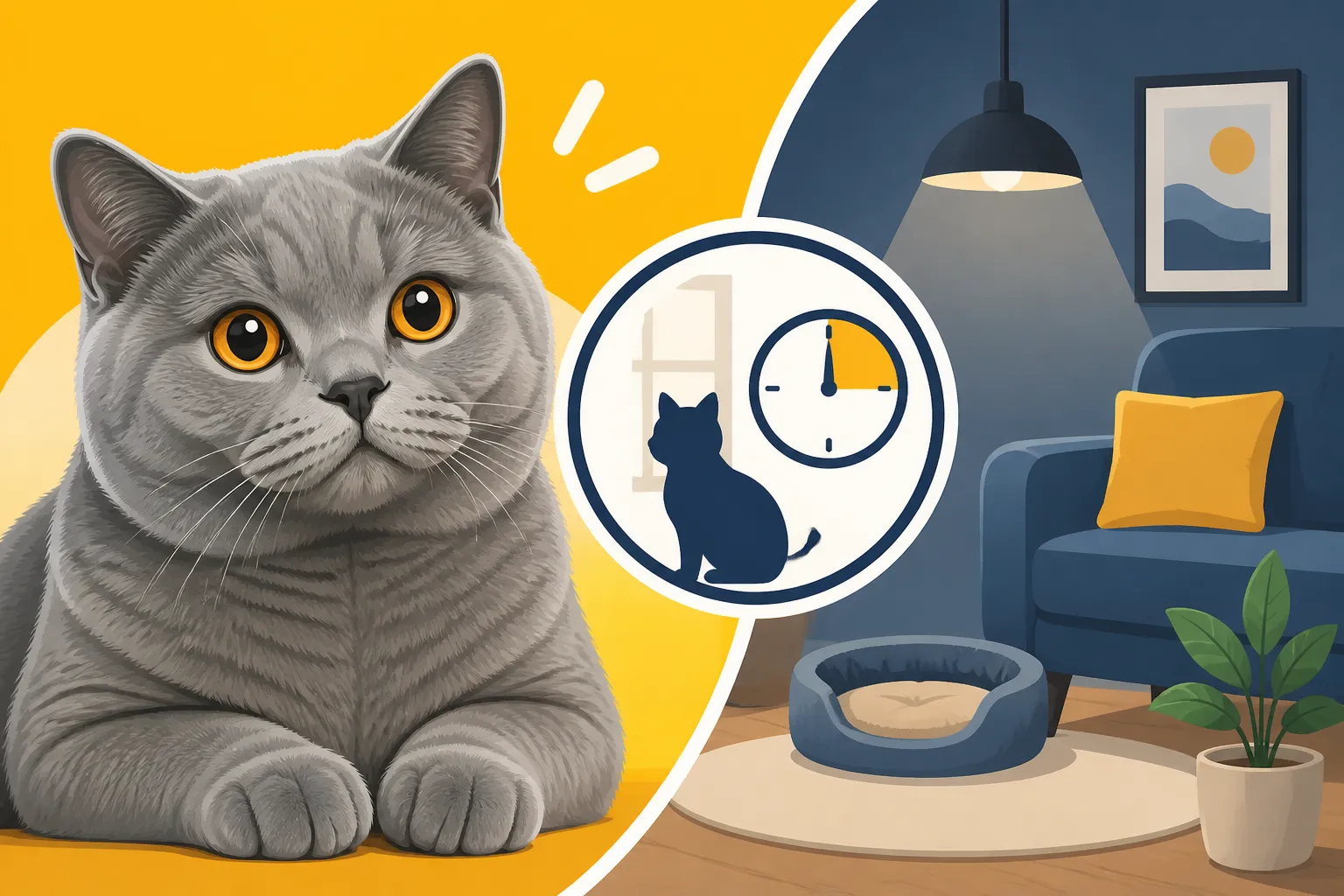
Leaving your British Shorthair alone for a few hours, say two to six hours, is generally not an issue for most adult cats. This is roughly equivalent to running errands, attending appointments, or a half-day at work. For these shorter periods, ensure they have:
- Fresh water: A full bowl or a circulating water fountain.
- Food: Their usual meal if it aligns with your feeding schedule.
- Clean litter box: Always keep it pristine.
- Comfortable sleeping spots: Their favorite bed, a soft blanket, or a sunny spot.
- Familiar environment: Nothing moved around too drastically.
During these short absences, your British Shorthair will likely nap, perhaps move between their favorite spots, and might even engage in a bit of solitary play if you've provided some interactive toys. Most will barely notice you're gone for this length of time, especially if they’re used to your comings and goings.
The Full Workday: Eight to Ten Hours
This is where planning becomes more critical. Many British Shorthairs can tolerate an eight to ten-hour workday, but it requires a bit more thought.
- Automated feeders: If your cat eats multiple small meals, a timed feeder can dispense a portion halfway through the day, breaking up their solitude and aligning with their natural feeding instincts. This can be particularly useful for managing their weight, as Portion Control Is the Whole Job With a British Shorthair. You can find reliable automated feeders on Amazon.
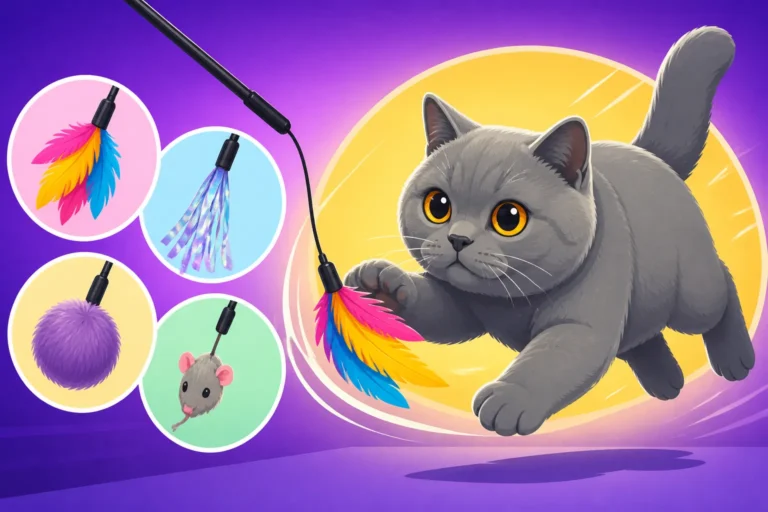
- Enrichment: Provide a variety of toys that they can engage with independently. Puzzle feeders, catnip-filled toys, or even a crinkly tunnel can keep them stimulated. Consider rotating toys to keep things fresh.
- Plenty of water: Ensure multiple water sources in different locations.
- Extra litter boxes: For longer periods, having two litter boxes can prevent issues, especially if one becomes too soiled for their fastidious nature. Which Litter Box Size a British Shorthair Needs is vital.
- A comfortable environment: Maintain a consistent temperature and leave a radio or TV on low for background noise if your cat seems to prefer it over silence.
- Check-ins (if possible): If you have a friend or neighbor who could pop in, even just to say hello and offer a treat, it can significantly break up their day. Pet cameras with two-way audio can also offer some comfort for both of you.
While adult British Shorthairs are generally calm, a ten-hour stretch is a long time for any animal to be entirely alone. If your cat shows signs of stress or excessive boredom when you return (e.g., overgrooming, decreased appetite, destructive behavior, or unusual vocalization), you might need to reconsider your arrangements or seek professional advice. Remember, their quiet nature means you need to be observant of subtle changes in behavior.
Overnight and Weekend Trips: Up to 24-48 Hours
Leaving your British Shorthair alone for an overnight trip or a full weekend (up to 48 hours) is generally not recommended without someone checking in on them. While they might survive, it's not ideal for their well-being.
- Human interaction is crucial: Cats, even independent ones, benefit greatly from daily human interaction. This is especially true for the subtle affection that British Shorthairs offer and receive.
- Emergency preparedness: What if something happens while you're gone? A broken water bowl, a power outage affecting their automated feeder, or a sudden illness requires immediate attention. A pet sitter or a trusted friend can ensure your cat is safe and well.
- Litter box hygiene: A litter box can become very soiled in 24-48 hours, which can deter your cat from using it and lead to accidents outside the box. A visit from a sitter can keep it clean.
- Food and water: While automated feeders can help with food, water bowls can be knocked over or become dirty. A sitter can replenish these.
For any absence longer than a full workday, arranging for a pet sitter to visit at least once a day is strongly advised. They can provide fresh food and water, clean the litter box, and offer some much-needed companionship and playtime. A quick visit to scoop the litter and offer a chin scratch can make a world of difference for your British Shorthair.
Strategies for Extended Absences and Longer Periods
When you need to be away for more than a couple of days, careful planning is essential to ensure your British Shorthair remains safe, happy, and healthy. Simply leaving out extra food and water isn't a viable long-term solution.
Hiring a Pet Sitter: The Best Solution
For any trip longer than 24-48 hours, hiring a professional pet sitter is by far the best option. A good pet sitter will:
- Visit daily: Usually once or twice a day, depending on your cat's needs and your preferences.
- Provide fresh food and water: Ensuring they adhere to your cat's specific diet and portion sizes. How Many Calories a British Shorthair Needs is vital information for any sitter.
- Clean the litter box: This prevents hygiene issues and ensures your cat is comfortable using their facilities.
- Administer medication: If your British Shorthair has any ongoing health conditions, a sitter can manage their medication schedule.
- Provide companionship and play: Even a short playtime session or some gentle petting can significantly reduce loneliness. This is crucial for their mental well-being.
- House-sitting services: Some sitters offer to stay in your home, providing constant companionship and security, which can be ideal for sensitive British Shorthairs.
- Emergency contact: A reliable sitter is your eyes and ears, able to contact you or a vet in case of an emergency.
Always look for a bonded and insured pet sitter, and ask for references. Schedule a meet-and-greet beforehand to ensure your British Shorthair is comfortable with them. This allows you to walk them through your routine and show them where everything is kept.
Boarding Facilities: When They Might Be Necessary
While British Shorthairs generally prefer the comfort of their own home, sometimes boarding is unavoidable. If you can't find a reliable pet sitter or if your cat requires medical supervision that only a veterinary boarding facility can provide, it might be the right choice.
- Familiarity is key: Choose a facility that has separate, quiet accommodations for cats, away from the noisier dog areas.
- Individual attention: Inquire about how much individual attention and playtime each cat receives. A British Shorthair will appreciate a quiet room where they can relax and observe, rather than being in a busy, high-stress environment.
- Veterinary oversight: If your cat has specific health needs, a vet-affiliated boarding facility offers peace of mind.
Be aware that boarding can be stressful for some cats due to the change in environment and routine. Try to make the transition as smooth as possible by bringing familiar items like their favorite blanket or a toy. Ask if the facility allows you to bring their usual food, especially if your British Shorthair is on a specific diet or a weight management plan. What Portion Controlled Food Costs a British Shorthair Owner might be a factor in your decision.
| Absence Duration | Recommended Care | Key Considerations |
|---|---|---|
| 0-6 Hours | Self-sufficient | Fresh water, accessible food, clean litter, comfortable spots. Generally fine. |
| 6-10 Hours (Workday) | Self-sufficient with enrichment & tech aids | Automated feeder, multiple water sources, interactive toys, cat tree, clean litter box, background noise. Consider pet cam. |
| 10-24 Hours | Self-sufficient with enhanced enrichment | As above, consider a brief neighbor/friend check-in for peace of mind. |
| 24-48 Hours (Overnight/Weekend) | Daily pet sitter visit (minimum once per day) | Fresh food/water, litter scooping, medication, companionship, emergency plan. |
| 48+ Hours (Extended Trips) | Daily pet sitter visits (one or two per day) OR reputable boarding facility | Essential for welfare. Sitter in-home is usually preferred for comfort and routine. |
Cat-Proofing and Safety
Regardless of how long you're gone, your home needs to be safe for your British Shorthair.
- Secure dangerous items: Put away medications, cleaning supplies, toxic plants, and small objects that could be swallowed.
- Block off unsafe areas: Ensure they can't get trapped in cupboards, behind appliances, or access areas where they could injure themselves.
- Windows and doors: Make sure all windows and doors are securely closed to prevent escapes.
- Electrical cords: Bundle or cover loose cords to prevent chewing.
- Fire safety: Test smoke detectors and consider pet-friendly fire safety stickers for your windows, informing emergency services there are pets inside.
Creating a safe and enriching environment is crucial for making alone time manageable and stress-free for your beloved British Shorthair.
Recognizing Signs of Stress and Loneliness
British Shorthairs are masters of subtle communication, and their quiet nature can sometimes make it harder to spot when they're truly struggling with loneliness or anxiety. They aren't always going to act out dramatically, but there are definitely signs to watch for.
Behavioral Changes to Watch For
When you return home, pay close attention to your British Shorthair's demeanor. Are they greeting you as usual, perhaps with their characteristic quiet chirp or a gentle rub against your legs? Or do they seem unusually withdrawn, perhaps even hiding, or acting overly agitated?
- Changes in appetite or thirst: If they're eating significantly more or less than usual, or drinking excessively or hardly at all, it could be a sign of stress.
- Changes in litter box habits: Urinating or defecating outside the litter box is a common sign of stress in cats. This isn't usually spite; it's a cry for help. Urinary Problems in a British Shorthair could be linked to stress.
- Excessive grooming or lack of grooming: Overgrooming, to the point of bald patches or skin irritation, can be a self-soothing behavior for anxious cats. Conversely, a stressed cat might stop grooming entirely, leading to a dull or matted coat. Why an Old British Shorthair Looks Unkempt also ties into grooming changes.
- Increased vocalization or silence: While British Shorthairs are typically quiet, a sudden increase in meowing or crying upon your return, or an unusual silence, can be concerning. How Vocal a British Shorthair Is can vary, but a significant shift warrants attention.
- Destructive behavior: Although less common in British Shorthairs due to their calm nature, scratching furniture more than usual or chewing on inappropriate items can indicate boredom or anxiety.
- Clinginess or avoidance: Some cats become unusually clingy after long periods alone, while others might become more avoidant or even slightly aggressive, swatting at you when you try to pet them.
- Changes in sleep patterns: While British Shorthairs love to sleep, excessive sleeping or a noticeable shift in their sleep-wake cycle could indicate a problem.
If you notice any of these changes persisting, it's wise to consult your veterinarian. They can rule out any underlying medical issues and offer advice on managing stress.
The Impact of Prolonged Solitude
Long-term, consistently leaving a British Shorthair alone for too many hours without adequate stimulation or interaction can lead to chronic stress, which has physical and emotional consequences. Just like humans, cats need social interaction and mental engagement to thrive.
- Physical health issues: Chronic stress can suppress the immune system, making cats more susceptible to illness. It can also contribute to gastrointestinal problems, urinary tract issues, and skin conditions.
- Behavioral problems: Persistent loneliness can lead to learned helplessness, where a cat simply gives up on trying to engage, becoming lethargic and withdrawn. It can also exacerbate existing anxieties or create new ones, making the cat less adaptable to changes in their environment or routine.
- Weakened bond: The unique bond you share with your British Shorthair can suffer if they feel neglected. While they won't necessarily "blame" you, their trust and comfort in your presence might diminish.
It's about finding a balance. British Shorthairs appreciate their quiet time, but they also crave a sense of security and connection with their human companions. Providing that balance ensures they remain the happy, round-faced companions we adore.
The Role of Companionship: Should You Get a Second British Shorthair?
The question of whether a second cat is the answer to prolonged solitude is complex. For some British Shorthairs, a companion can be a godsend, while for others, it might introduce more stress than it alleviates.
Benefits of a Feline Friend
For many British Shorthairs, particularly if they are left alone for full workdays or frequently, a compatible feline companion can provide much-needed social interaction and enrichment.
- Reduced loneliness: Two cats can keep each other company, playing, grooming each other, and simply being a comforting presence during your absence. This can significantly alleviate feelings of loneliness and boredom. When a British Shorthair Needs a Companion can be a difficult question to answer.
- Play and exercise: Even low-energy British Shorthairs can be motivated to play with another cat, which provides essential physical and mental stimulation. This interaction can help keep them active, which is important given their propensity for weight gain. Why a British Shorthair Gains Weight So Easily is a well-known issue.
- Shared routines: Cats often adapt to shared routines, creating a more stable and predictable environment for both.
- Comfort and security: Having another cat around, especially during times of change or stress, can offer a sense of security and comfort that a human cannot always provide.
Introducing a second cat requires careful planning and a slow, gradual approach to ensure a positive integration. The personalities of both cats must be considered; two calm, easygoing British Shorthairs are often a good match.
Considerations Before Adding Another Cat
It’s crucial to understand that not all British Shorthairs are equally enthusiastic about sharing their territory. Some are quite content being the sole monarch of their domain.
- Individual temperament: If your British Shorthair is particularly shy, territorial, or has a history of not getting along with other animals, a companion might add more stress than comfort. Some British Shorthairs truly prefer human company over feline companionship.
- Proper introduction: A rushed introduction can lead to fear, aggression, and a fractured household. It's essential to follow a slow, scent-swapping, gradual introduction process over several weeks or even months. How to Introduce a British Shorthair to a Resident Cat provides a detailed guide.
- Increased costs and responsibilities: Two cats mean double the food, litter, vet bills, and potential grooming needs. This is a significant commitment. Whether a Second British Shorthair Costs Twice as Much is a question many owners ponder.
- Space and resources: You'll need enough space for two separate feeding stations, litter boxes (the general rule is one per cat plus one extra), and multiple resting spots to prevent competition. For British Shorthairs, who can be quite substantial, ample space is always a good idea.
Ultimately, the decision to get a second cat should be based on your current British Shorthair's personality and needs, your household dynamics, and your ability to provide for two feline companions. When done thoughtfully, a companion can indeed enrich a British Shorthair's life and make their alone time far more pleasant.
Disclaimer
This article is for general informational purposes only and does not constitute professional advice. Laws, prices and regulations vary by location and change over time. Consult a qualified professional for guidance on your specific situation.