Where a British Shorthair Sits Instead
It’s a common scenario: you bring home your beautiful British Shorthair, envisioning cozy evenings with your new furry friend curled up on your lap, purring contentedly. Then reality hits, and your British Shorthair seems to prefer the cushion next to you, or perhaps a lofty perch across the room, leaving you wondering if they actually like you. This guide is here to shed light on the unique sitting preferences of the British Shorthair, explaining why they choose the spots they do, what those choices mean, and how you can still build a strong, affectionate bond with your wonderfully independent companion.
Understanding the British Shorthair's Nature
British Shorthairs are magnificent creatures, known for their calm demeanor, plush coats, and distinctive round faces. However, their physical appearance and serene presence can sometimes lead new owners to expect a constantly cuddly, lap-loving cat, only to find a cat with a different idea of affection. Their sitting habits are deeply rooted in their breed characteristics and historical instincts.
Their Independent Spirit
Unlike some other breeds that practically melt into your lap the moment you sit down, British Shorthairs often possess a strong sense of independence. They are not aloof, mind you, but they tend to express their affection in their own unique way, which often doesn't involve being a permanent fixture on your lap. This isn't a slight against you; it's just how they're wired. They enjoy your presence, often preferring to be near you rather than on you. Think of it as a quiet companionship, a shared space rather than a merged one. They appreciate their personal bubble, and respecting that is key to fostering a strong relationship. You might find them stretching out on the sofa cushion beside you, close enough to feel your warmth but with plenty of room to stretch out.
Their history as sturdy, self-sufficient cats, originally valued for their hunting prowess, has imprinted a certain level of self-reliance into their genetic makeup. They weren't bred to be ornamental lap warmers, but rather capable, calm companions. This inherent independence translates into their choice of resting spots; they want to feel secure and aware of their surroundings, often from a slightly removed vantage point. This is part of A British Shorthair Sits Near You, Not On You, a common trait for the breed.
Observing from a Distance
One of the charming quirks of a British Shorthair is their fondness for observing the household goings-on from a slight distance. They are often curious and engaged with their environment but prefer to take it all in without being directly in the thick of things. This means their chosen sitting spots often grant them a good view of the room, allowing them to survey their domain and keep an eye on their human family without feeling overwhelmed or constantly engaged.
You might notice your British Shorthair settling into a spot that offers a panoramic view of the living room, perhaps from the back of the sofa, a cat tree, or a window sill. From these vantage points, they can watch you cook, read, or work, feeling connected but still maintaining their preferred level of personal space. It’s their way of being part of the family dynamic while preserving their dignified composure. They are truly the quiet observers of the feline world, content to take everything in from their chosen perch. This contemplative nature is a hallmark of the breed and influences many aspects of What a British Shorthair Does All Day.
Preferred Sitting Spots in the Home
So, if your British Shorthair isn't consistently glued to your lap, where can you expect to find them? These intelligent cats have a definite preference for comfort, security, and a good vantage point, and their choices reflect these priorities.
The "Next to You" Philosophy
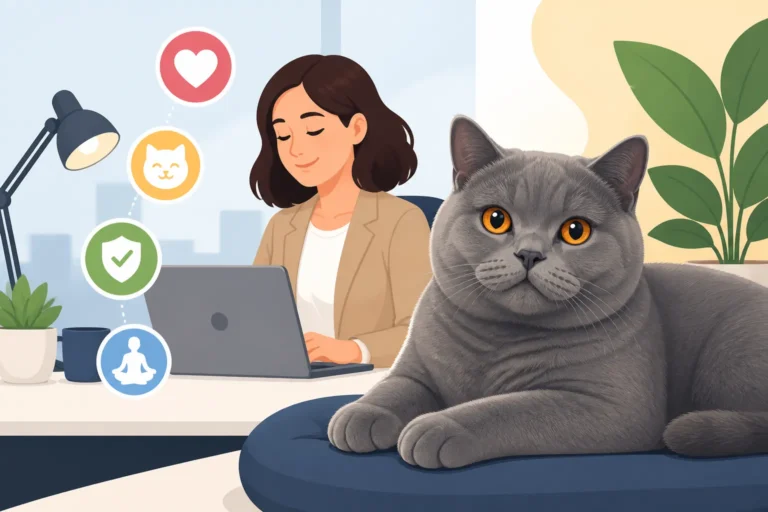
For many British Shorthair owners, the most common form of physical closeness comes in the "next to you" variety. This means your cat will likely choose to sit on the sofa cushion adjacent to yours, at the foot of your bed, or even on a nearby armchair, rather than directly on your lap. It's their way of saying, "I love you and want to be close, but I also value my personal space." This isn't a sign of disinterest; quite the opposite. It shows trust and affection, as they are choosing to share your immediate space.
Imagine you're relaxing on the sofa, and your British Shorthair hops up, settles themselves comfortably on the cushion beside you, perhaps even leaning gently against your leg or hip. This is prime British Shorthair affection. They are enjoying your warmth and presence, feeling secure in your proximity, but they also have the freedom to stretch out, groom, or simply doze without feeling confined. It’s a subtle dance of closeness, and once you learn to appreciate it, you’ll find it incredibly heartwarming. They might even nudge your hand for a gentle head scratch, but then retreat to their chosen spot, perfectly content. Understanding How Affectionate a British Shorthair Is can help you recognize these subtle cues.
Elevated Observation Posts
British Shorthairs, despite their generally placid nature, do enjoy a good view. They love being able to survey their surroundings, watch the world outside, or simply keep an eye on the household hustle and bustle. This often leads them to seek out elevated spots throughout the home.
You'll frequently find them perched on sturdy cat trees – choose one that can comfortably support What a British Shorthair Weighs and How Big It Gets – or on shelves, window sills, and even the tops of cabinets if they can safely reach them. These high vantage points offer them a sense of security and control, allowing them to feel safe from potential perceived threats (like a toddler or a vacuum cleaner) and observe their territory. A well-placed cat tree, perhaps ordered from Amazon, can become a cherished piece of furniture for your British Shorthair, offering both climbing opportunities and a peaceful retreat. A window perch, especially one overlooking a garden with birds, can provide hours of enrichment. Which Cat Tree a British Shorthair Uses should be chosen carefully to ensure it's stable and large enough for their robust build.
Warm and Cozy Nooks
Despite their dense, plush coats, British Shorthairs still appreciate a warm, cozy spot for a nap. They are masters of finding the perfect sunbeam on the floor, a soft blanket draped over a chair, or a secluded corner that offers both warmth and a sense of enclosure. These aren't necessarily spots next to you, but rather spaces where they can feel utterly safe, snug, and undisturbed.
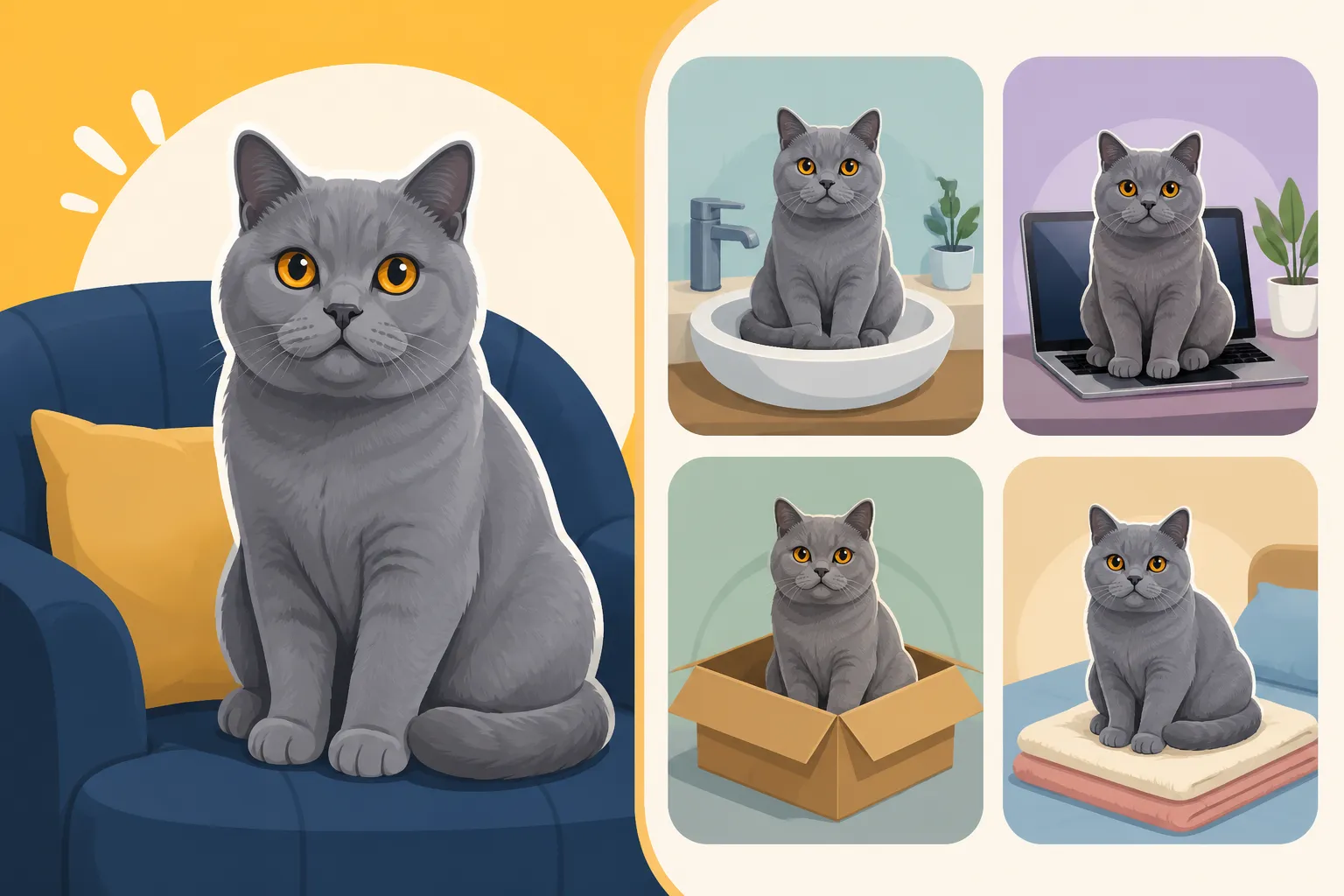
Think about a cozy cat bed tucked into a quiet corner, a soft blanket piled on a chair, or even an empty cardboard box (a classic cat favorite). These enclosed spaces provide comfort and security, tapping into their natural instinct to seek out den-like environments. Even though they may not be a constant lap cat, providing a variety of these comfortable hideaways throughout your home demonstrates your understanding of their needs and enhances their sense of well-being. Sometimes, their quest for comfort will even lead them to commandeer your favorite blanket, creating a little British Shorthair nest you might hesitate to disturb.
Why They Choose These Locations
Their choice of resting spots isn't random; it's a careful calculation based on their instincts, physical traits, and individual personalities. Understanding these reasons can help you better appreciate your British Shorthair's unique preferences.
Security and Comfort
At the heart of every cat's behavior is a deep-seated need for security and comfort. British Shorthairs are no exception. They thrive in environments where they feel safe and where their basic needs are met without stress. Their preferred sitting spots are often chosen because they offer a good vantage point for monitoring their surroundings, allowing them to relax without feeling vulnerable.
A high perch, for instance, allows them to observe without being directly involved in the action on the floor. This provides a psychological buffer, making them feel less exposed. Similarly, a cozy, enclosed nook offers a sense of protection and warmth, mimicking a secure den. If you notice your British Shorthair consistently choosing a spot that offers a clear escape route or a view of the entire room, it's likely their instinct for security at play. This sense of security contributes to The Quietest Cat in the House reputation, as a relaxed cat is a calm cat.
Maintaining Independence
As we've touched upon, British Shorthairs are celebrated for their calm and independent nature. Their sitting preferences are a clear manifestation of this trait. They enjoy companionship but on their own terms. Choosing a spot next to you, rather than on you, allows them to be close and connected without feeling overly restrained or obligated.
This isn't to say they don't love you deeply; they just express it differently. They want to be able to get up and move freely if the mood strikes, or if the sunbeam shifts. Being on a lap, while lovely for some cats, can feel like a commitment or a constraint for a British Shorthair. By choosing an adjacent spot, they maintain their autonomy while still receiving the comfort of your presence. It's a balance they've perfected over generations. This self-contained affection is one of the endearing qualities that make them A British Shorthair Is Genuinely Fine on Its Own.
Temperature Regulation
Another practical reason behind their sitting choices, particularly for those who aren't keen on being a lap cat, is temperature regulation. British Shorthairs are blessed with an incredibly dense, plush coat that stands away from their body, giving them that iconic teddy bear look. While beautiful, this coat also provides a fantastic insulating layer.
Direct body contact with a human lap, especially for extended periods, can quickly become quite warm for them. Their dense fur can make them overheat more easily than cats with thinner coats. By choosing a spot next to you, they can enjoy your warmth and company without becoming uncomfortably hot. You might notice them stretching out on cool tile floors during warmer months, or curling up in a soft blanket during cooler ones. Their coat truly dictates much of Why a British Shorthair's Dense Coat Suited the Climate and also impacts their daily comfort. For this reason, you might also find them preferring to sleep on top of the covers rather than buried underneath them, even in winter.
Encouraging Proximity and Interaction
While you can't force a British Shorthair to become a lap cat if it's not in their nature, you can absolutely encourage closeness and interaction on their terms. It's all about understanding and respecting their boundaries.
Respecting Their Boundaries
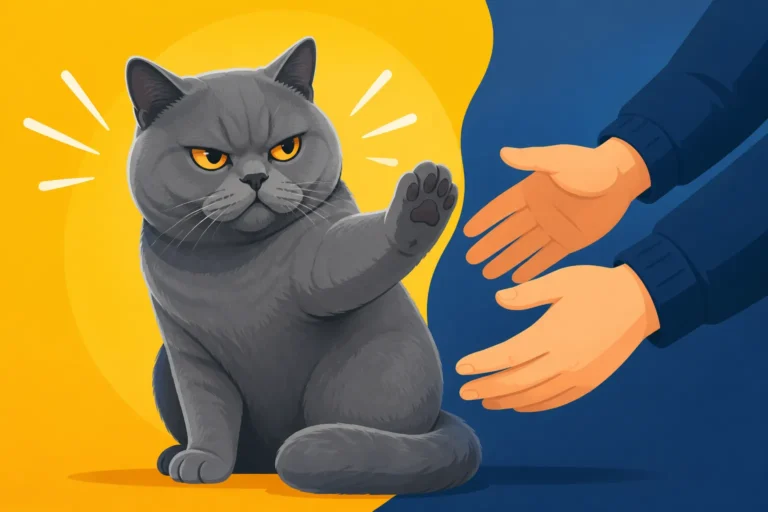
The most crucial step in fostering a loving relationship with a British Shorthair is respecting their boundaries. If your cat chooses to sit next to you, enjoy that proximity. If they prefer a high perch, acknowledge their desire for observation. Trying to constantly pick them up or force them onto your lap when they're clearly signaling their discomfort will only lead to frustration for both of you and could damage your bond. A British Shorthair Will Not Be Picked Up is a common experience for owners.
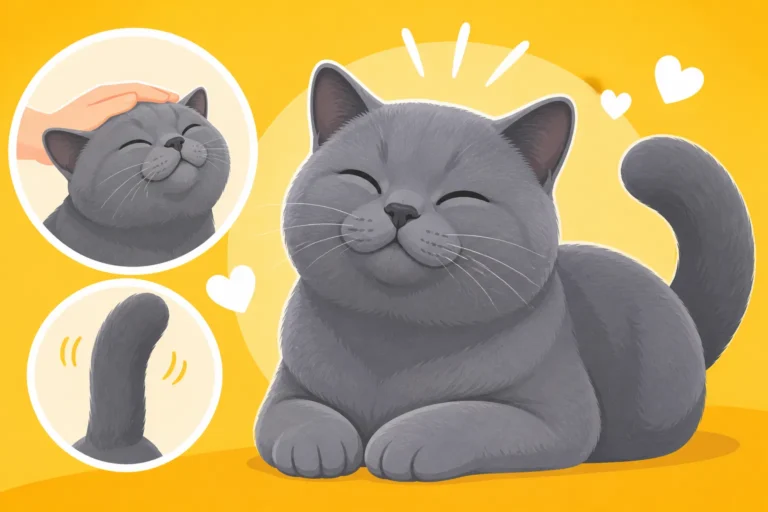
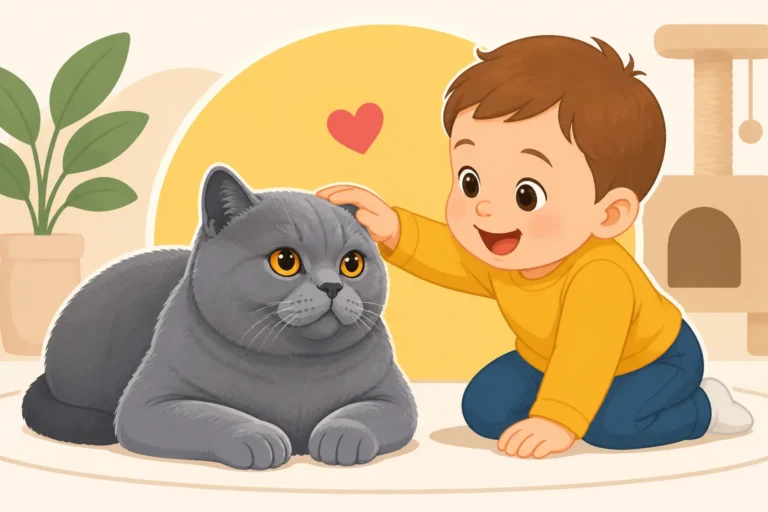
Instead, let them initiate physical contact. Offer a gentle hand for head rubs or chin scratches when they are close, but be prepared to stop if they show any signs of disinterest or annoyance. Watch their body language – a slowly blinking eye, a soft purr, or a gentle head butt are all signs of contentment and an invitation for interaction. If they turn their head away, or their tail twitches, it’s a cue to give them space. This respectful approach builds trust and teaches them that you understand and honor their unique personality.
Creating Inviting Spaces
You can strategically create inviting spaces around your home that encourage your British Shorthair to sit closer to you. This means placing comfortable beds, soft blankets, or sturdy cat furniture in areas where you spend a lot of time.
For example, if you often sit on the sofa in the evenings, place a plush cat bed on an adjacent armchair or a low side table. Make sure any cat tree you purchase is sturdy enough for their substantial build and located where they can still feel part of the family without being directly in the fray. Many excellent options for robust cat trees can be found on Amazon, ensuring they can support What a British Shorthair Should Weigh at Two Years. Offering multiple comfortable spots, especially those with good views or in sunbeams, gives them options to choose from, increasing the likelihood that one of those spots will be near you. Remember, a comfortable cat is a happy cat, and a happy cat is more likely to seek out proximity.
| Location Preference | Why a British Shorthair Might Choose It | How to Encourage Proximity |
|---|---|---|
| Next to You on Sofa/Bed | Enjoys your presence and warmth, but desires personal space. | Offer soft blankets; gentle pets; respect space. |
| Elevated Perches | Security, good vantage point for observation, feels in control. | Invest in sturdy cat trees/shelves; place near windows. |
| Cozy Nooks/Boxes | Safety, warmth, sense of enclosure, undisturbed rest. | Provide soft beds in quiet corners; offer cardboard boxes. |
| Cool, Open Floors | Temperature regulation (dense coat), stretching out comfort. | Ensure comfortable floor cushions or mats for warmer days. |
Gentle Interaction
While a British Shorthair might not be a traditional lap cat, they are certainly affectionate and enjoy gentle interaction. The key is to engage with them in ways that align with their calm and independent nature.
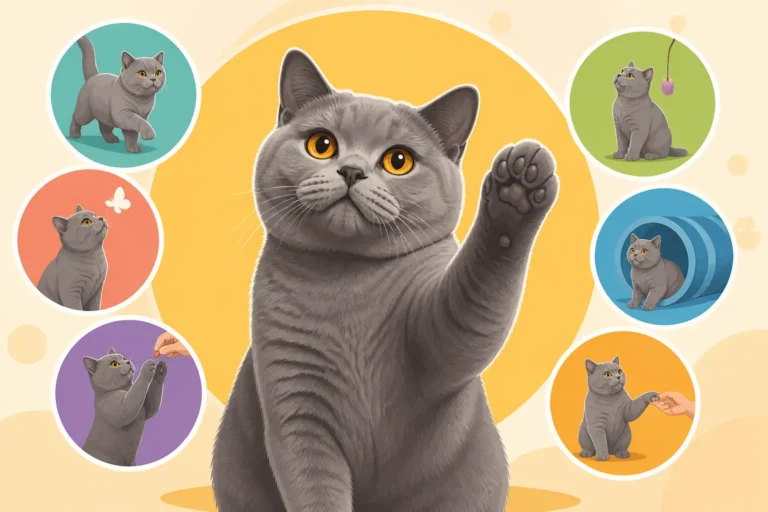
Short, frequent play sessions with a wand toy can be a fantastic way to bond and encourage movement. They may not be the most athletic cats, but a good teaser can still pique their interest for a few minutes. Which Toys a British Shorthair Will Actually Chase often involves toys that mimic prey movement, encouraging their dormant hunting instincts without requiring excessive exertion. When they are resting nearby, offer quiet words of affection, gentle strokes on their head or cheeks (areas they typically enjoy), and respect their decision if they move away. Even a simple, calm presence in the same room is a form of interaction for a British Shorthair. They appreciate companionship, even if it’s not always expressed through constant physical contact.
What Their Sitting Posture Tells You
Learning to "read" your British Shorthair's body language is incredibly rewarding and helps you understand their comfort levels, moods, and even potential health concerns. Their sitting posture is a significant indicator of their well-being.
Body Language Cues
A British Shorthair's sitting posture can tell you a lot about how they're feeling. A cat stretched out languidly on their side, perhaps exposing their belly (though touching it is often off-limits!), is a cat feeling incredibly secure and relaxed. If they're sitting upright with their paws neatly tucked, observing their surroundings with wide, curious eyes, they're likely alert and engaged, but still comfortable. A slow blink directed your way from their chosen perch is the feline equivalent of a loving gaze.
On the other hand, a cat that is hunched, tense, or sitting in an unusual position for extended periods might be trying to tell you something is amiss. Their natural stoicism means they are experts at hiding discomfort or pain, so subtle changes in their normal sitting habits are worth noting. Understanding How to Read a British Shorthair's Face and overall body language is vital for any owner. When they are truly content, they embody a sense of calm that is almost meditative, settled deeply into their chosen spot with a soft, steady purr.
Signs of Discomfort or Illness
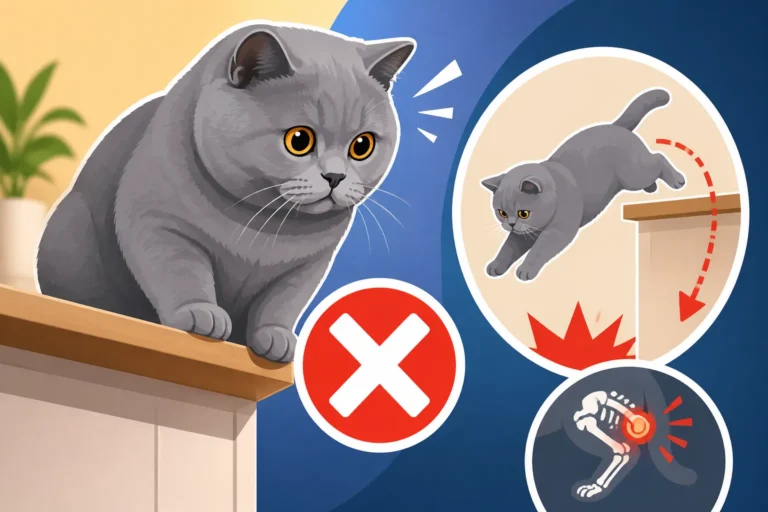
Because British Shorthairs are so good at hiding pain or illness, observing subtle changes in their usual sitting positions or patterns can be an early indicator that something isn't right. For example, if your normally floor-loving British Shorthair suddenly struggles to jump onto their favorite Amazon-bought cat tree, or if they are avoiding certain positions that used to be comfortable, it could signal joint pain or other physical discomfort. Arthritis in an Older British Shorthair can certainly impact their ability to get to preferred spots.
Similarly, if they are constantly shifting, restless, or struggling to find a comfortable position, it might indicate internal discomfort, such as urinary problems or digestive issues. A cat that typically sprawls out but is suddenly curling into a tight ball might be experiencing pain or feeling unwell. Any persistent change in their usual habits – where they sit, how they sit, or their willingness to move to different spots – warrants a closer look and potentially a visit to the veterinarian. Always remember, a change in behavior, no matter how subtle, is often the first sign that your British Shorthair is Signs a British Shorthair Is Unwell. They rely on you to be their advocate and notice these quiet pleas for help.
Disclaimer
This article is for general informational purposes only and does not constitute professional advice. Laws, prices and regulations vary by location and change over time. Consult a qualified professional for guidance on your specific situation.