Why a British Shorthair Hates Being Picked Up
It can be incredibly disheartening when you long to scoop up your adorable, plush British Shorthair for a cuddle, only to have them squirm, flatten themselves, or even give you "the look" that clearly says, "Put me down, human!" You're not alone in this; many British Shorthair owners experience this very specific feline preference. This guide will delve deep into the reasons behind their aversion to being picked up, offer insights into their unique temperament, and provide practical, empathetic strategies for building trust and handling your beloved BSH with respect and understanding.
Understanding the British Shorthair Temperament
British Shorthairs are magnificent, calm, and generally laid-back cats, but their affection often comes on their own terms. If you've ever owned a more clingy or "lap cat" breed, the British Shorthair's independence can sometimes feel like a personal rejection. It's not, I promise! It's simply part of their charming, stoic nature.
Their Independent Nature and Grounded Preference
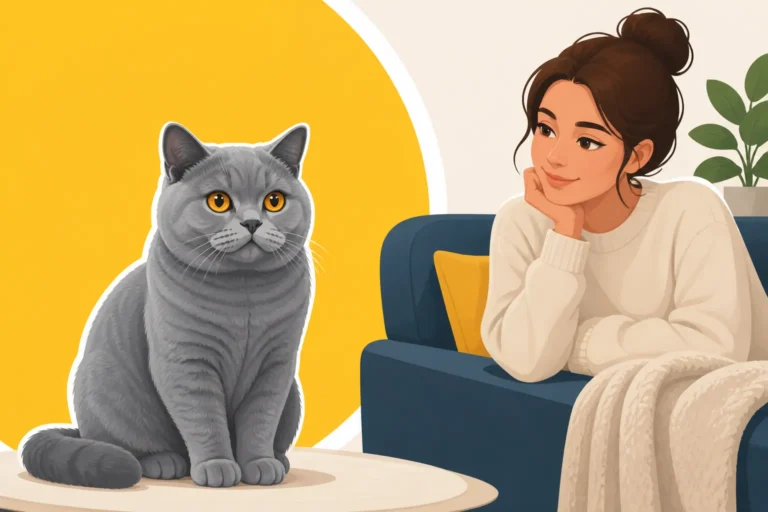
Think of your British Shorthair as the dignified, quiet observer in the room. They enjoy being near you, often following you from room to room or settling on a nearby chair, but they aren't typically the type to demand constant physical interaction. This independent streak is deeply ingrained in their breed characteristics. They appreciate their space and prefer to engage on their own initiative. It's a hallmark of their personality, part of what makes them so appealing to those who appreciate a less demanding feline companion. They're often described as "dog-like" in their loyalty and presence, but without the insistence on being carried everywhere like a small lapdog.
This preference for being "grounded" isn't a sign of a lack of love. In fact, it's often a sign of deep trust. A British Shorthair that chooses to sleep at the foot of your bed, or rubs against your legs as you walk by, is showing affection in their own unique way. They're telling you, "I feel safe with you, and I want to be near you," without necessarily needing to be cradled in your arms. Understanding How a British Shorthair Shows Affection can truly shift your perspective and help you appreciate their subtle gestures.
The "Four on the Floor" Philosophy
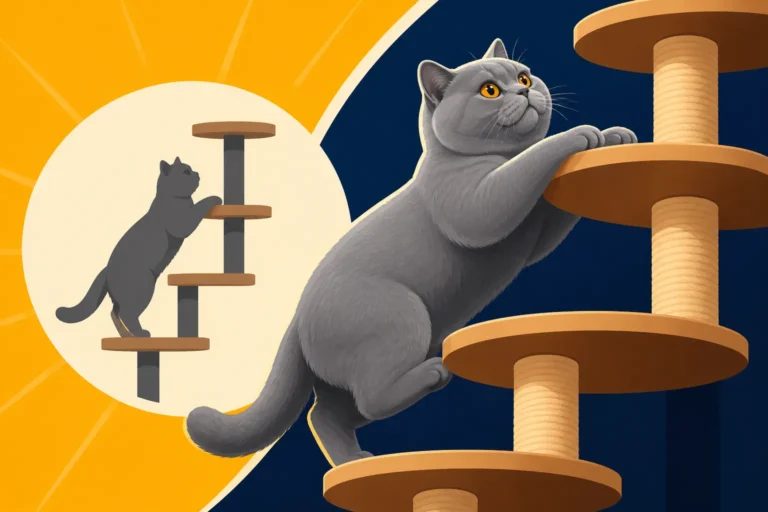
Many British Shorthair owners affectionately refer to their cats' preference as the "four on the floor" rule. It's pretty self-explanatory: they prefer to have all four paws firmly planted on a stable surface. This isn't just a quirky habit; it’s rooted in their sense of security and control. Cats, as natural predators and prey animals, instinctively value stability and the ability to escape quickly if necessary. Being held aloft, with their feet dangling, takes away this vital sense of control. They can't survey their surroundings easily, and they can't make a quick getaway if something startles them.
This "four on the floor" philosophy also ties into their generally calm and unflappable demeanor. They are creatures of comfort and routine, and sudden shifts in their environment, like being unexpectedly hoisted into the air, can be jarring for them. While some cats are more tolerant or even enjoy being held, it's important to recognize that this is generally not the British Shorthair's preference. Rather than forcing the issue, respecting this boundary strengthens your bond and shows your cat that you understand and value their comfort. You might notice they are content to sit beside you for hours, but the moment you try to lift them, the tranquility disappears. This isn't a flaw in their character, but simply a fundamental aspect of What a British Shorthair's Temperament Is Really Like.
Physicality and Comfort: Why Being Held Can Be Unsettling
Beyond their mental preference for independence, the very physical attributes of a British Shorthair can make being picked up an uncomfortable, or even alarming, experience for them. Their unique build contributes significantly to their "four on the floor" rule.
Their Cobby Build and Weight Distribution
British Shorthairs are known for their distinctive "cobby" build – short, strong legs, a broad chest, and a compact, muscular body. They are substantial cats, often weighing more than their appearance might suggest, and they can grow quite large over a few years. While this makes them wonderfully soft and teddy-bear-like, it also means they have a significant center of gravity that is disrupted when they are lifted. Unlike more lithe, agile breeds that might feel lighter in your arms, a British Shorthair can feel surprisingly heavy and unwieldy, even for a grown adult.
When you pick up a British Shorthair, especially if you don't support their full body weight properly, they can feel off-balance and vulnerable. Their short legs aren't designed for gracefully dangling, and their dense musculature means they can't easily adjust their weight if they feel unstable. This feeling of instability can trigger their natural instinct to regain control and put their paws back down. Understanding What Cobby Means in a British Shorthair helps you appreciate how their physical form influences their behavior, making it clear why proper support is essential if you must lift them. Without that solid support, they feel precariously balanced, which is unsettling for any creature, let alone one that values stability as much as a British Shorthair.
Feeling Unsafe and Loss of Control
For a British Shorthair, being picked up often equates to a profound loss of control. Cats are creatures that thrive on feeling safe and having agency over their movements. When they are lifted into the air, they are suddenly dependent on another being for their stability and safety. If the person holding them is clumsy, unsure, or doesn't provide adequate support, this feeling of vulnerability is amplified. Imagine being suddenly hoisted into the air by a giant, without a clear view of where you're going or how securely you're held. It can be quite frightening!
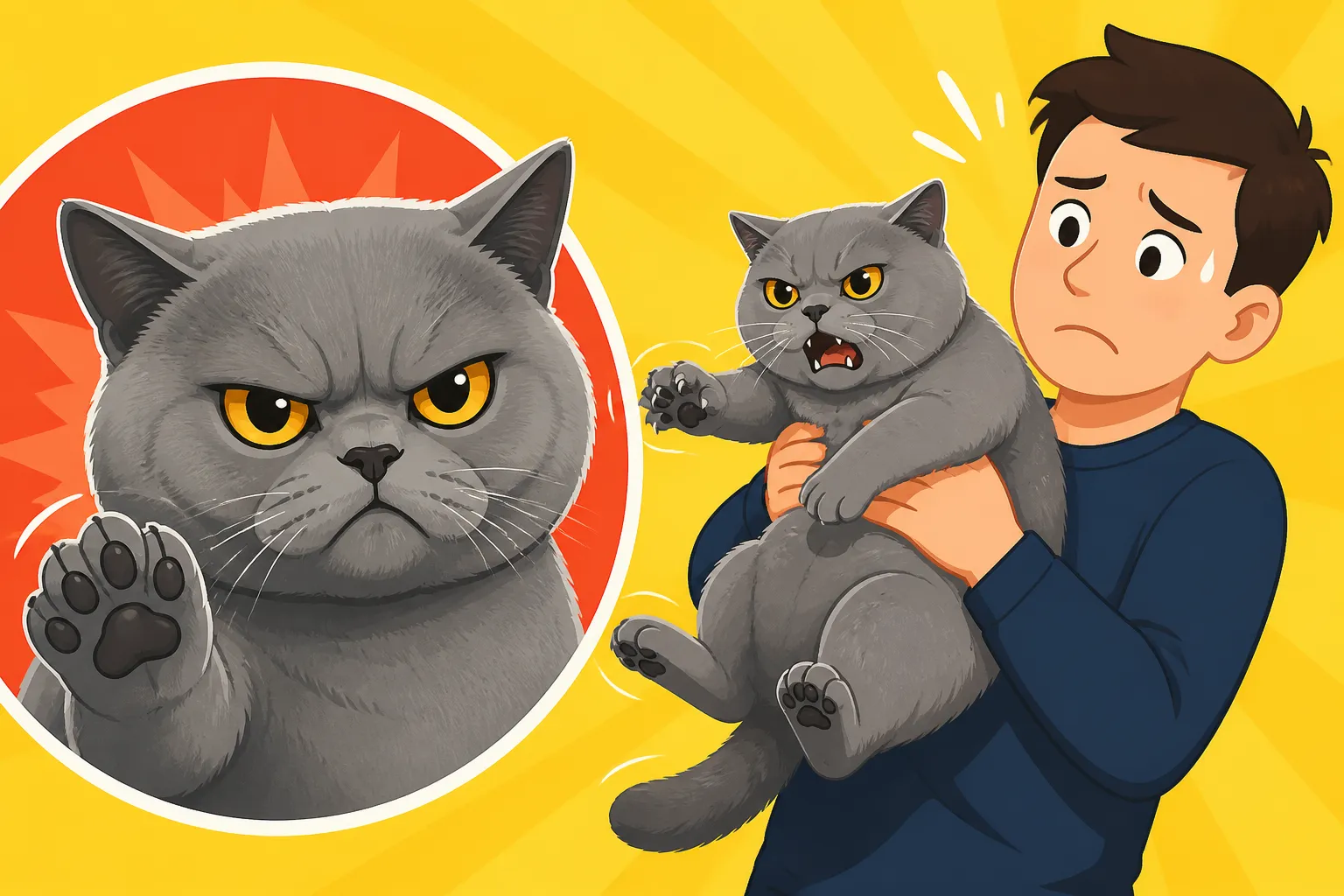
This feeling of being unsafe isn't necessarily about you being a bad handler, but rather a cat's innate response to a situation where they are no longer in charge. They can't see potential threats from above as easily, and they lose their primary means of defense – their ability to run or jump away. This primal instinct to protect themselves kicks in, leading to the squirming, stiffening, and sometimes even scratching or biting that owners unfortunately experience. It's not personal; it's survival. Even if they trust you completely, the sensation itself can be jarring.
Sensitive Paws and Balance
A cat's paws are incredibly sensitive tools. Not only are they crucial for hunting, climbing, and grooming, but they are also packed with nerve endings that provide vital sensory information about their environment, including texture, temperature, and most importantly, balance. When a British Shorthair is lifted, especially without proper support under their hindquarters, their paws can dangle uncomfortably. This loss of ground contact can feel disorienting and stressful.
Their sense of balance is highly refined, and having their equilibrium disturbed is naturally unpleasant. A British Shorthair uses its tail and subtle shifts in its body to maintain perfect balance on narrow ledges or when navigating tricky terrain. When held, especially without proper support, they can't use these natural mechanisms effectively. This makes them feel unstable and can trigger their instinct to struggle until they feel grounded again. If you've ever felt dizzy or off-kilter, you can perhaps relate to this sensation. It's a minor discomfort for us, but for a cat, it's a significant sensory assault that they'd rather avoid.
Early Experiences and Socialization
A cat's early experiences play a huge role in shaping its comfort level with handling. While some of it is innate temperament, how a British Shorthair kitten is handled (or not handled) can significantly influence their adult behavior.
The Impact of Kittenhood Handling
The period from birth to around 12-14 weeks is crucial for a kitten's socialization. Kittens that are gently and consistently handled by humans during this time are far more likely to grow into adults who are tolerant, if not outright enthusiastic, about being picked up. If a British Shorthair kitten is rarely handled, or if handling is always a rough or unpleasant experience, they will naturally develop an aversion to it. They simply don't learn that being held can be a safe and positive interaction.
Reputable breeders understand this and make a point of regularly handling their kittens, getting them used to human touch and being lifted. They'll often provide a secure environment where kittens can explore and interact positively with people. However, even with the best intentions, some British Shorthairs simply retain that independent streak. A kitten might tolerate being picked up for a brief moment, but then quickly want to be put down. This is perfectly normal for the breed and isn't a reflection of poor socialization, but rather their inherent preference. If you're getting a kitten, ask your breeder about their socialization practices. A good breeder will be transparent about their kittens' comfort levels.
Traumatic Past Experiences
Sometimes, a British Shorthair's aversion to being picked up isn't just about their breed characteristics or a lack of early socialization; it can stem from traumatic past experiences. A cat adopted from a shelter or rescue, especially if they had a difficult life before finding their forever home, might associate being lifted with pain, fear, or insecurity. This could be due to rough handling by previous owners, being dropped, or even medical procedures where being restrained was necessary and unpleasant.
If your British Shorthair is a rescue, be especially patient and understanding. They may carry emotional scars that manifest as fear or aggression when you try to pick them up. For these cats, rebuilding trust is paramount. It involves slow, gentle interactions, positive reinforcement, and never forcing physical contact. You might find that over time, with consistent, gentle handling, they become more tolerant, but they may never fully embrace being carried like some other breeds. Their past experiences have shaped their current boundaries, and respecting those boundaries is key to helping them feel safe and loved in their new home. You can find more information on Adopting a British Shorthair From Rescue.
Learning to Tolerate, Not Necessarily Love
It's important to set realistic expectations for your British Shorthair. While you can certainly work on desensitizing them to being picked up, it's highly probable they will only learn to tolerate it, rather than truly love it. This tolerance is a huge step forward and a sign of trust, but don't expect them to suddenly transform into a cuddly lap cat who enjoys being carried around like a baby. Their core personality and physical comfort preferences are likely to remain.
Focus on making necessary handling as brief and positive as possible. If you need to pick them up for a vet visit or an emergency, make sure you do so gently and securely. For everyday interactions, embrace their preferred methods of showing and receiving affection. A British Shorthair might prefer to rub against your legs, headbutt your hand for pets, or simply relax beside you on the sofa. These are their love languages, and learning to speak them will create a much stronger and happier bond than constantly trying to force them into a posture they dislike. Understand that their affection is often shown in subtle ways, and that's perfectly okay. Sometimes, simply having them choose to be in the same room as you is a huge compliment.
Communicating Discomfort: How Your British Shorthair Tells You "No Thanks"
Cats are masters of subtle communication. While it might feel like your British Shorthair suddenly explodes into a squirming mess, they've likely been sending you signals of discomfort long before that. Learning to read these cues is essential for a harmonious relationship.
Subtle Cues and Body Language
Before a British Shorthair resorts to struggling, they will almost always give you a series of subtle hints that they are unhappy with the prospect of being picked up. These can be very easy to miss if you're not paying close attention. Look for:
- Stiffening of the body: Their muscles might tense, and they might become rigid as you approach or reach for them.
- Flattening ears: Their ears might pin back against their head, a clear sign of anxiety or irritation.
- Tail flicking or lashing: A tail twitching rapidly or lashing from side to side is a strong indicator of agitation. A slow, gentle wag at the tip, however, can mean they are content.
- Dilated pupils: Their eyes might widen, indicating fear or heightened arousal.
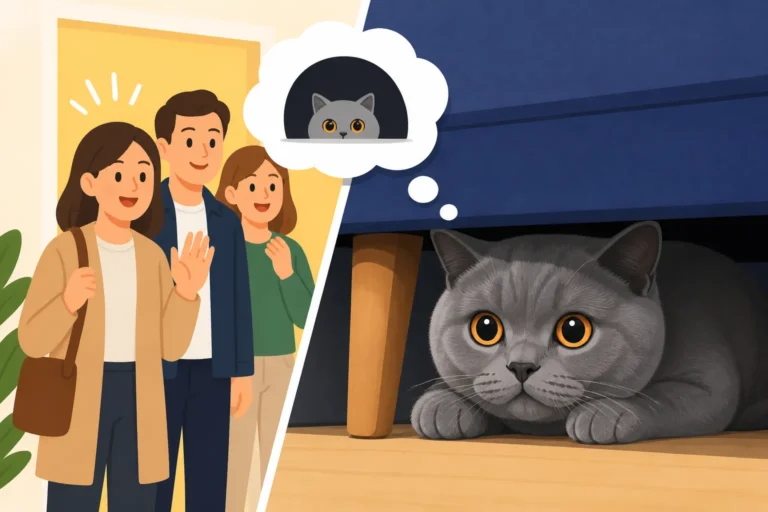
- Shifting away or ducking: They might try to move their body away from your hands, or duck their head as you reach for them.
- Lip licking or yawning: These can be stress signals, indicating mild discomfort.
- A low growl or hiss: This is a more obvious warning sign that should not be ignored.
If you observe any of these behaviors, it's crucial to stop what you're doing and respect their boundaries. Pushing past these early warnings will only erode trust and potentially lead to a more defensive reaction. Learning How to Read a British Shorthair's Face and body language can help you anticipate their reactions before you even attempt to lift them, making interactions smoother and more positive for both of you.
Vocalizations and Escalation
While British Shorthairs are generally known for being a quiet breed, they absolutely have ways of voicing their displeasure when their subtle body language cues are ignored. Their vocalizations might not be as loud or insistent as some more talkative breeds, but they are meaningful.
- Low Growls or Grumbles: A soft, rumbling growl emanating from their chest or throat is a clear "back off" signal. It's not usually aggressive, but a warning that they are becoming agitated.
- Hisses: This is a more serious warning. A hiss means "I feel threatened, and I am prepared to defend myself." If your British Shorthair hisses when you try to pick them up, it indicates a deep level of discomfort or fear.
- Mews or "Protest Meows": Some British Shorthairs might emit a distinctive, often mournful or agitated meow as you try to lift them, or once they are in your arms. This isn't the happy "hello" meow; it's a plea to be put down.
- Chirps turning into sharp cries: While British Shorthairs are known for their sweet chirps and trills, if these sounds become sharp, insistent cries when you attempt to pick them up, it's a clear indication of distress.
Ignoring these vocalizations, especially growls or hisses, can lead to escalation. A cat that feels ignored or threatened might then resort to more direct physical methods to get away, such as struggling violently, scratching, or even biting. Always heed these warnings. If you persist in trying to hold them against their will, you're teaching them that their communication is ineffective, and that they need to escalate to physical force to get their message across. This undermines trust and makes future interactions much harder.
Respecting Their Boundaries and Building Trust
The cornerstone of a good relationship with any cat, especially one as particular as a British Shorthair, is respect. Accepting their preferences, even if they differ from your ideal, is key to fostering a deep, trusting bond.
The Importance of Consent in Cat Interactions
Just like with humans, consent is vital in interactions with your British Shorthair. This means allowing them to initiate contact and giving them the option to disengage when they've had enough. For a British Shorthair, this translates to letting them come to you for pets, rather than forcing them into your lap, and certainly not picking them up against their will. When they rub against your leg or hop onto the sofa near you, they are giving you consent for interaction. When they walk away, they are withdrawing it. It's that simple.
Constantly trying to pick up a cat that clearly dislikes it is a violation of that consent. It teaches them that you don't listen to their cues, and that they can't trust you to respect their physical autonomy. This can lead to them avoiding you, becoming fearful, or even defensive. Instead, focus on building positive associations with your presence and touch. Let them approach you, offer a hand for them to sniff, and only pet them where they enjoy it (typically around the head, cheeks, and under the chin, avoiding the belly). A British Shorthair may never be a lap cat in the traditional sense, but they can be incredibly affectionate on their own terms. Learning How Affectionate a British Shorthair Is can help you recognize their unique demonstrations of love.
Alternative Ways to Show Affection and Connection
Since picking them up is largely off the table for many British Shorthairs, it's wonderful to explore other avenues of affection and connection. There are so many ways to show your love that they will appreciate far more.
- Interactive Play: Waving a feather wand toy or batting a laser pointer across the floor is a fantastic way to bond. Even though British Shorthairs aren't the most active cats, they often enjoy short bursts of play, especially with toys that don't require too much exertion. Look for engaging toys on platforms like Amazon that encourage chasing rather than jumping.
- Grooming: Many British Shorthairs absolutely adore being groomed, especially with a gentle comb that works through their dense, plush coat. It's a calm, bonding activity that fulfills their need for physical contact without the unsettling experience of being lifted.
- Shared Space: Simply coexisting in the same room, perhaps with your British Shorthair curled up on a chair or bed nearby while you read or watch TV, is a profound sign of trust and affection for them. They want to be part of your world, even if they don't need to be in your arms.
- Treats and Food: Offering a favorite treat after a positive interaction or during a grooming session can create positive associations. Puzzle feeders, also readily available on Amazon, can also be a great way to engage them mentally and provide a quiet activity they enjoy.
- Soft Petting: As mentioned, head scratches, cheek rubs, and chin tickles are usually big hits. Pay attention to Where a British Shorthair Likes Being Touched and respect their preferences.
By focusing on these alternative methods, you're speaking your cat's language, reinforcing positive interactions, and building a bond based on mutual respect and understanding. This genuine connection is far more valuable than a forced cuddle.
Gradual Desensitization and Positive Reinforcement
While you might not turn your British Shorthair into a "pick-me-up" cat, you can certainly work on desensitizing them to touch and making necessary handling less stressful. The key is patience, gradual steps, and positive reinforcement.
- Start Small: Begin by gently touching their back or side for just a second, then immediately release and offer a high-value treat. Repeat this many times over several days, keeping it brief and positive.
- Increase Duration Slowly: Once they're comfortable with a brief touch, increase the duration slightly. Touch for two seconds, then three, always followed by a treat or praise.
- Introduce Lifting Motion (Without Lifting): Once comfortable with touch, try putting your hands under their chest and hindquarters, mimicking the lifting motion without actually lifting them off the ground. Just apply slight upward pressure for a second, then release and treat.
- Brief Lifts: Only when they are completely relaxed with the previous steps, try lifting them a tiny bit off the ground for just one second, then immediately put them down and give a treat. Gradually increase the height and duration, always keeping it very short and positive. If they show any signs of discomfort, go back a step.
- Use a Safe Word: Some owners find it helpful to use a consistent "safe word" or phrase, like "Up-up!" before lifting. This helps the cat anticipate the action.
The goal is to create a positive association with the act of being picked up, so they view it as less threatening and more likely to lead to a reward. Never force it, and always end on a positive note. Remember that Whether a British Shorthair Ever Learns to Be Held depends on their individual personality, but increased tolerance is always achievable with consistent, gentle effort. Even if they only learn to tolerate it for a short time, that's progress. How Long a British Shorthair Tolerates Being Held will vary, but aiming for a few seconds of calm is a great start.
Practical Tips for Necessary Handling
Despite their aversion, there will be times when you absolutely need to pick up your British Shorthair – for vet visits, emergencies, or simply moving them out of harm's way. Knowing how to do this safely and efficiently can reduce stress for both of you.
Master the "Scoop and Support" Technique
When you must pick up your British Shorthair, the "scoop and support" method is your best friend. This technique minimizes their feeling of instability and provides the security they crave.
- Approach Calmly: Don't chase or startle your cat. Approach them gently, speak in a soft voice, and offer a hand for them to sniff if they're willing.
- Scoop Under the Chest: Place one hand under their chest, just behind their front legs, providing support for their upper body.
- Support the Hindquarters: Simultaneously, use your other arm to scoop under their hindquarters, supporting their entire bottom and legs. This is crucial for their sense of security.
- Hold Close to Your Body: Bring your cat close to your body, holding them firmly but gently. This prevents them from feeling like they're dangling and helps them feel more secure against a stable surface (you!).
- Keep it Brief: Perform the necessary action (e.g., placing them in a carrier) as quickly and efficiently as possible, then gently set them down.
This method ensures their weight is evenly distributed and their body feels fully supported, mimicking the "four on the floor" sensation as much as possible. It makes a huge difference in their comfort level and can help prevent them from struggling. Mastering How to Carry a British Shorthair Safely is an invaluable skill for any owner.
Using Carriers and Safe Spaces
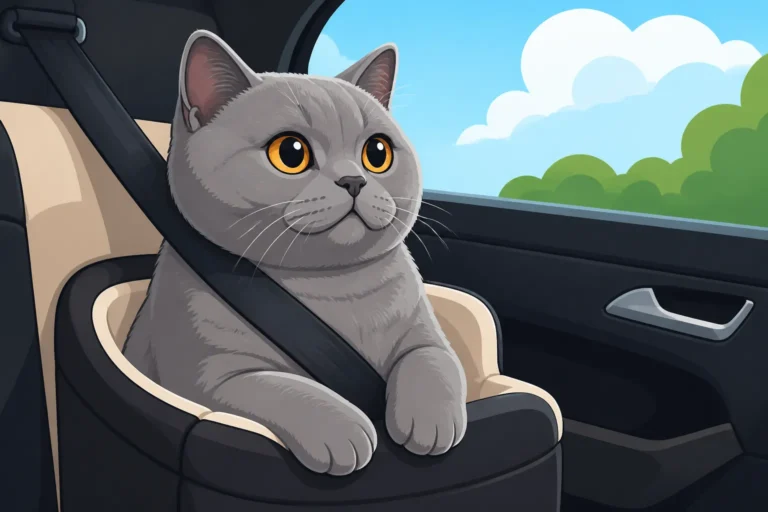
For situations like vet visits, where handling might be more extensive and prolonged, carriers are your allies. Rather than trying to carry your British Shorthair all the way to the car and into the clinic, make the carrier a positive, safe space.
- Familiarize Them: Leave the carrier out in a common area of your home, with the door open, a soft blanket inside, and perhaps some treats or toys. Let them explore it on their own terms.
- Positive Association: Occasionally put treats inside the carrier, or feed them small meals near it. This builds a positive association.
- Top-Loading or Disassembling Carriers: For British Shorthairs, a top-loading carrier or one where the top half can be easily removed is often best. This allows you to gently lower them in, rather than trying to push or coax them through a front door, which can feel confrontational. Many durable and practical options can be found on Amazon.
- Practice Short Trips: Once they're comfortable, practice short trips in the carrier around the house, then brief car rides, always ending with a reward.
When it's time for a vet visit, calmly guide them into the carrier. If they're resistant, try luring them with a treat or gently scooping them using the "scoop and support" method and lowering them in. Never chase them around the house, as this will only heighten their anxiety. A carrier provides a secure, enclosed space that helps them feel safer, especially when they can't be "four on the floor." More tips on How to Get a British Shorthair Into a Carrier can be found here. Remember, a calm owner helps create a calm cat, especially when dealing with the stress of a visit to the veterinary clinic.
Enlisting Professional Help if Needed
If your British Shorthair's aversion to being picked up is extreme, leading to aggression, severe fear, or if you simply can't manage necessary handling, don't hesitate to seek professional help. This isn't a sign of failure; it's a responsible step towards ensuring your cat's well-being and your own safety.
- Veterinarian: First, consult your veterinarian. They can rule out any underlying medical conditions that might be causing pain or discomfort when touched or lifted. Sometimes, chronic pain can manifest as an aversion to handling. They can also offer advice on safe handling techniques or recommend mild sedatives for extremely stressful situations like vet visits if absolutely necessary. It's good to be prepared for How a British Shorthair Behaves at the Vet to discuss with them.
- Certified Feline Behaviorist: For behavioral issues, a certified feline behaviorist can provide invaluable guidance. They can assess your cat's specific situation, identify triggers, and develop a tailored behavior modification plan using positive reinforcement techniques. They can also teach you advanced handling methods and help you build a stronger bond with your cat. They often use science-backed strategies to help cats overcome fears and anxieties, ensuring a gentler, more effective approach than trial-and-error.
Seeking professional help is an investment in your cat's happiness and your relationship. It provides expert strategies to navigate their unique needs and challenges, ensuring a more peaceful coexistence for everyone involved.
| Discomfort Cue Category | Example Behaviors | Meaning | Recommended Action |
|---|---|---|---|
| Subtle Body Language | Stiffening body, flattened ears, tail flicking | Mild anxiety, "I don't like this" | Stop, give space, observe, offer alternative interaction |
| Avoidance | Shifting away, ducking head, hiding | Desire to escape, "Leave me alone" | Do not pursue, respect boundary, offer a distraction |
| Vocalizations | Low growl, hiss, protest meow | Escalated discomfort, "Warning!" | Immediately cease attempt to pick up, retreat, allow calm |
| Physical Reaction | Struggling, scratching, biting | Fear, self-defense, "I need to get away!" | Release immediately and gently, assess for injury, do not punish |
This table provides a quick reference to help you decode your British Shorthair's messages. Paying attention to these signals is paramount to building a trusting relationship with your feline companion.
Disclaimer
This article is for general informational purposes only and does not constitute professional advice. Laws, prices and regulations vary by location and change over time. Consult a qualified professional for guidance on your specific situation.