A British Shorthair With Children, Dogs and Other Cats
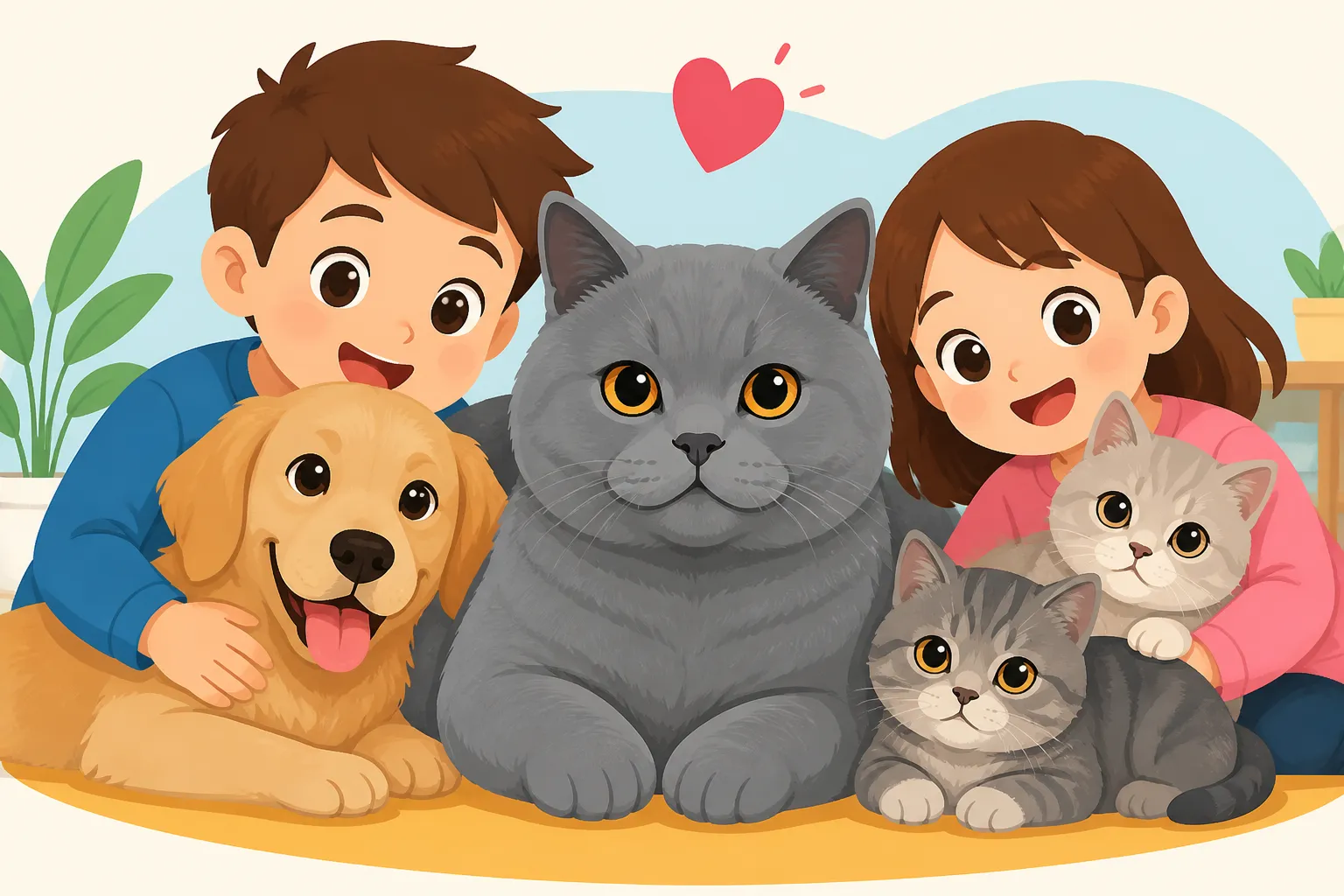
It's completely natural to wonder if your calm, dignified British Shorthair will truly fit into a bustling household, especially one with energetic children, playful dogs, or even other feline residents. Many prospective and current owners worry about balancing their beloved cat's serene nature with the unpredictable dynamics of a multi-species family. This comprehensive guide will walk you through what to expect when introducing your British Shorthair to children, dogs, and other cats, offering practical advice to foster a harmonious home for everyone.
Understanding the British Shorthair Temperament in a Family Setting
The British Shorthair is renowned for its laid-back and stoic disposition, often described as a "teddy bear" cat. This generally unflappable nature is what draws many families to the breed, hoping for a cat that can withstand the ups and downs of a busy home. However, it's crucial to understand that "calm" doesn't necessarily mean "constantly cuddly" or "infinitely patient." They have their boundaries, and respecting these is paramount to their happiness and integration.
The British Shorthair's Natural Demeanor
Unlike some more boisterous or attention-demanding breeds, the British Shorthair is typically quiet and self-possessed. They often prefer to observe the household goings-on from a comfortable perch rather than be the center of attention. This makes them excellent companions for families who appreciate a cat's presence without constant demands for interaction. They rarely engage in destructive behaviors born of anxiety or excessive energy, which can be a huge relief for busy parents or pet owners. Their quiet nature also means they might not vocalize distress as loudly as other breeds, so owners need to be attuned to more subtle cues of discomfort.
Personal Space and Affection Styles
One of the most important aspects to grasp about a British Shorthair is their preference for personal space. While they are affectionate, they are generally not "lap cats" in the traditional sense. They often enjoy being near you, perhaps on the sofa beside you or at the foot of your bed, rather than directly on your lap or being held for long periods. This characteristic is vital to consider when introducing them to children, who naturally want to pick up and cuddle soft, fluffy animals. Learning to read their cues – a flick of the tail, flattened ears, or a subtle lean away – is essential to avoid overstimulating them and ensuring they feel secure in their home environment. A British Shorthair Sits Near You, Not On You delves deeper into their unique way of showing affection.
Their Tolerance for Noise and Activity
British Shorthairs are typically quite tolerant of household noise and activity. They won't usually bolt at the sound of a dropped pan or a child's sudden laughter. This doesn't mean they enjoy chaos, but rather that they possess a remarkable ability to adapt and find a quiet corner when things get too boisterous. A key factor in their tolerance is having easily accessible escape routes and safe, elevated spaces where they can retreat and observe without feeling cornered. Think of them as the calm eye in the storm, often preferring to simply ride it out from a safe distance.
British Shorthairs and Children
Bringing a British Shorthair into a home with children, or introducing a new baby to an existing British Shorthair, can be a wonderfully enriching experience for both the cat and the kids. However, success hinges on careful management, mutual respect, and clear boundaries.
How British Shorthairs Interact with Kids
British Shorthairs tend to be remarkably patient and good-natured with children, often tolerating more than many other breeds. Their calm demeanor means they are less likely to react aggressively to the unpredictable movements and loud noises that young children can produce. However, this tolerance has limits. They are not usually playful in a rambunctious way, and while they might enjoy a gentle wand toy session, they're not typically up for a wrestling match.
It’s important to teach children that the British Shorthair is a living being with feelings and personal boundaries. They generally won't scratch or bite without significant provocation, but if they feel trapped or overly handled, they will communicate their discomfort, usually by trying to move away first. If ignored, a swat with unsheathed claws might be a final warning. Their quiet nature means kids might not always pick up on subtle signs of stress, making parental supervision absolutely essential, especially with very young children. Our article How a British Shorthair Behaves With Children offers more insights into managing these interactions.
Teaching Children How to Interact Respectfully
The responsibility for a positive relationship between a British Shorthair and children lies primarily with the adults in the home. It's crucial to educate children on appropriate interaction from the very beginning.
Here are some key points to teach:
- Gentle Touch: Explain that petting should be soft, not rough, and only on areas the cat enjoys, typically the head, chin, and back. Teach them to avoid the belly, tail, and paws.
- Reading Body Language: Help children understand when the cat is happy (relaxed, purring, tail held loosely) and when it's stressed or annoyed (ears flattened, tail twitching rapidly, crouching, trying to move away).
- Respecting Space: Emphasize that if the cat walks away, it means it needs a break. Children should never chase the cat or corner it. Show them that the cat's bed, cat tree, or hiding spots are "off-limits" for human interaction.
- No Picking Up: For a British Shorthair, being picked up is often a source of stress. Teach children that the cat prefers to stay on the ground and will come to them for affection on its own terms. If a child absolutely must carry the cat, teach them the correct, secure way to support its body, but ideally, this should be avoided.
- Quiet Play: Encourage quiet, interactive play using toys like wand teasers rather than direct physical contact. This satisfies the child's desire to play and the cat's need for enrichment without overstimulation. You can find some fantastic, durable wand toys on Amazon that hold up well to enthusiastic play.
Consistent reinforcement of these rules will help children develop empathy and foster a respectful bond with their British Shorthair.
Creating Safe Havens for Your British Shorthair
Regardless of how patient your British Shorthair is, they need designated safe spaces where they can retreat from the hustle and bustle of family life. These sanctuaries are not just for sleeping; they are vital for mental well-being, allowing the cat to feel secure and in control of its environment.
Consider providing:
- High Perches: British Shorthairs, despite their stout build, often appreciate vertical space. A sturdy cat tree with wide platforms or shelves mounted high on a wall offers an excellent vantage point and escape route. Ensure these are easily accessible and stable enough for their robust frame. Which Cat Tree a British Shorthair Uses offers guidance on suitable choices.
- Cozy Hiding Spots: Baskets, cat caves, or even cardboard boxes placed in quiet corners of the house provide enclosed, dark spaces where your cat can feel hidden and undisturbed. These are especially important during times of high activity, like playdates or family gatherings.
- Designated "Cat Only" Rooms: If possible, designate a room or part of a room that is exclusively for the cat. This might be a spare bedroom or a utility room where children are not allowed to enter without supervision. This area should contain their food, water, litter box, and a comfortable bed, ensuring they have access to all essential resources without competition or intrusion.
By proactively creating these safe spaces, you empower your British Shorthair to manage its own stress levels and choose when and how it interacts with the family, leading to a much happier and more integrated pet.
British Shorthairs and Dogs
The classic image of a cat and dog curled up together is a dream for many multi-pet households. With a British Shorthair, this dream is often attainable, thanks to their generally calm and adaptable nature. However, success depends heavily on the individual personalities of both animals and a structured introduction process.
Assessing Compatibility Between Breeds
Not all dogs are created equal when it comes to living with cats. A high-energy terrier with a strong prey drive is going to present a much greater challenge than a docile Golden Retriever or a calm Basset Hound. The ideal dog for a British Shorthair is one with a low prey drive, a calm temperament, and a history (or potential) of being good with cats. Breeds known for being gentle and tolerant, or older, less active dogs, are often the best candidates.
Similarly, consider your British Shorthair's personality. While generally calm, some individuals might be more timid or assertive. A British Shorthair that is particularly fearful might struggle more than one that is confident and unflappable. Understanding the inherent traits of both your dog and your cat is the first step toward a successful integration. Remember, it's not just about the breeds, but the individual personalities within those breeds. How a British Shorthair Gets On With a Dog offers more specific advice.
The Slow and Controlled Introduction Process
Rushing the introduction of a British Shorthair to a dog is a recipe for disaster. Both animals need time to adjust to each other's scent, presence, and ultimately, to learn to coexist peacefully.
Follow these steps for a controlled introduction:
- Scent Swapping (Days 1-3): Before they even see each other, allow them to get used to each other's scent. Swap blankets, toys, or even rub a cloth on one and present it to the other. This helps them associate the new scent with something positive (like a treat or praise).
- Visual Introduction (Through a Barrier): Once they seem comfortable with each other's scent, allow them to see each other through a secure barrier, such as a baby gate or a glass door. Keep the dog on a leash and reward both animals with treats and praise for calm behavior. Keep these sessions short and positive, ending before either animal shows signs of stress.
- Supervised, Controlled Meetings: When both seem relaxed with barrier introductions, allow for short, supervised meetings in the same room. The dog must be on a leash, and the British Shorthair should have an easy escape route (e.g., a cat tree or a high shelf). Keep interactions brief, positive, and always end on a good note. If the dog shows too much interest or the cat shows fear, separate them immediately and try again later.
- Gradual Increase in Freedom: Over days or weeks, as both animals show increasing comfort, you can gradually increase the duration of supervised visits and eventually allow the dog to be off-leash in the presence of the cat, always with escape routes available for the cat. Never leave them unsupervised until you are absolutely certain they are safe and comfortable together.
- Continued Reinforcement: Always reward calm and positive interactions. If the dog ignores the cat, praise it. If the cat approaches the dog calmly, give it a treat. Positive reinforcement helps create a positive association with each other's presence.
This process can take weeks or even months, so patience is truly key.
Managing Expectations and Potential Challenges
While many British Shorthairs and dogs can become good friends, it's important to set realistic expectations. They might never be best buddies who cuddle together, and that's perfectly okay. The goal is peaceful coexistence.
Common challenges can include:
- Dog's Prey Drive: If the dog consistently tries to chase or harass the cat, even after careful introductions, it might be a sign that they are not compatible. In such cases, permanent separation (e.g., keeping them in different parts of the house) might be necessary for the cat's safety and well-being.
- Cat's Fear/Stress: A British Shorthair that remains constantly fearful or stressed by the dog's presence may develop health issues or behavioral problems. Ensure your cat has adequate escape routes and places where the dog cannot reach.
- Resource Guarding: Pay attention to food bowls, water dishes, and favorite resting spots. Ensure both animals have their own, separate resources to prevent competition and potential conflict. For instance, putting the cat's food and water on an elevated surface inaccessible to the dog can prevent issues. You can find excellent pet feeders on Amazon designed to keep dog paws out of cat bowls.
Remember, your British Shorthair's safety and emotional well-being should always be the priority. If you encounter persistent problems, seeking advice from a certified professional animal behaviorist can be invaluable.
British Shorthairs and Other Cats
Bringing a new cat into a British Shorthair's domain, or introducing a British Shorthair to an existing feline resident, is often smoother than with a dog due to shared species understanding. However, cats are territorial by nature, and a slow, thoughtful approach is still paramount to prevent stress and conflict.
The British Shorthair in a Multi-Cat Household
British Shorthairs, with their calm and generally non-aggressive demeanor, often integrate well into multi-cat households. They aren't typically the instigators of conflict, preferring to avoid confrontation. Their quiet nature means they might not assert dominance aggressively, which can sometimes lead to them being bullied by more confident or territorial cats if not managed carefully. Conversely, if your British Shorthair is the resident cat, they generally accept new additions with patience, provided the introduction is handled sensitively.
It's always helpful to consider the personality of the existing cat (if any) and the new arrival. A more outgoing, friendly cat might adapt quicker than a shy or anxious one. Regardless, respecting their need for individual space and resources is crucial. Whether a British Shorthair Accepts a Second Cat provides additional insights into this dynamic.
Step-by-Step Introduction for Feline Friends
Introducing two cats, even two calm British Shorthairs, requires a methodical approach to allow them to gradually accept each other.
Here’s a step-by-step guide:
- Separate and Isolate: For the first few days to a week, keep the new cat in a separate room (a spare bedroom or bathroom works well) with its own food, water, litter box, and bed. This allows the new cat to decompress and the resident cat to get used to the new scent under the door.
- Scent Swapping: Similar to dogs, swap bedding or rub a cloth on each cat and present it to the other. You can also feed them on opposite sides of the closed door, associating the new scent with positive experiences (food).
- Controlled Visuals (Door Swaps or Crates): After scent swapping for a few days, allow the cats to swap rooms for short periods, enabling them to explore each other's scent in a new environment without direct contact. You can also use a secure carrier for one cat while the other observes from a distance, or introduce them with a baby gate between rooms.
- Supervised Play and Feeding: Once they seem calm with indirect exposure, begin short, supervised sessions in the same room. Distract them with interactive play (e.g., wand toys) or feed them on opposite sides of the room, slowly moving the bowls closer in subsequent sessions if they remain calm. Always have an exit strategy for both cats.
- Gradual Integration: Over time, increase the duration and frequency of supervised interactions. Never force them to interact. If they hiss or swat, separate them and try again later, reducing the intensity or duration. Always end on a positive note, even if it's just a few minutes of peaceful coexistence.
- Ample Resources: Ensure you have enough resources for both cats. The general rule is "number of cats + 1" for litter boxes, food bowls, and water dishes. Spread these resources throughout the house to prevent guarding and ensure both cats feel secure.
This process can be slow, sometimes taking several weeks or even months. Patience and consistency are your greatest allies.
Ensuring Ample Resources and Vertical Space
Competition for resources is a primary cause of conflict in multi-cat households. By providing an abundance of everything, you minimize the chances of tension arising.
- Litter Boxes: As mentioned, aim for N+1 litter boxes (where N is the number of cats). Place them in various, easily accessible locations, but away from food and water bowls. Ensure they are large enough for a British Shorthair's sturdy build, as a cramped box can lead to accidents or avoidance.
- Food and Water Stations: Have multiple feeding stations. Some cats prefer to eat alone, and this prevents a more dominant cat from guarding food. Elevated food and water bowls can also be beneficial, allowing one cat to eat safely away from another. Water fountains (which you can easily find on Amazon) can encourage hydration and provide multiple drinking spots.
- Sleeping Spots and Hiding Places: Just like with children, every cat needs its own undisturbed sleeping areas and hiding spots. Multiple cat trees, perches, beds, and enclosed cubbies ensure each cat can find solitude when needed. British Shorthairs particularly appreciate How Much a British Shorthair Likes High Places where they can observe their kingdom.
- Scratching Posts: Provide a variety of scratching posts and surfaces (vertical and horizontal) to accommodate individual preferences and prevent competition over prime scratching real estate.
By creating an environment rich in resources and vertical space, you significantly reduce potential stressors and create a more harmonious home for your British Shorthairs and other feline companions. For more ideas on when a British Shorthair needs a companion, check out When a British Shorthair Needs a Companion.
Addressing Common Challenges and Behaviors
Even with the best intentions and careful introductions, challenges can arise in a multi-species or multi-pet household. Recognizing these early and knowing how to respond is key to maintaining peace and preventing long-term behavioral issues.
Signs of Stress in Your British Shorthair
British Shorthairs are generally stoic, but they do show signs of stress when their boundaries are pushed or they feel insecure. Because they are not typically highly vocal, their stress signals can be subtle and easily missed.
Watch for these indicators:
- Changes in Grooming: Over-grooming (leading to bald patches) or under-grooming (a dull, unkempt coat) can both be signs of stress. Why an Aging British Shorthair Looks Unkempt also touches on grooming changes in older cats.
- Changes in Appetite: Eating significantly more or less than usual.
- Hiding or Withdrawal: Spending more time alone, hiding in unusual places, or avoiding social interaction.
- Changes in Litter Box Habits: Urinating or defecating outside the litter box. This is often a clear sign that something is amiss in their environment.
- Aggression: While rare for British Shorthairs, hissing, growling, swatting, or even biting towards children, dogs, or other cats can occur if they feel cornered or threatened.
- Changes in Sleep Patterns: Sleeping significantly more or less.
- Excessive Vocalization (unusual for them): While typically quiet, an increase in meowing, yowling, or chirping can indicate distress. How Vocal a British Shorthair Is offers more insight into their communication.
- Dilated Pupils or Flattened Ears: These are clear visual cues of fear or anxiety.
If you observe any of these signs, take a step back and assess the situation. Is there enough space? Are introductions being rushed? Are all animals respecting each other's boundaries?
Managing Conflict Between Pets
When conflict arises, it's crucial to intervene calmly and effectively. Never punish the animals, as this can worsen the situation and create negative associations.
Strategies for managing conflict:
- Separate Immediately: If a fight breaks out, safely separate the animals. Use a towel or throw a cushion between them if necessary to avoid getting hurt. Give them time to cool down in separate, safe areas.
- Re-evaluate the Introduction Process: If conflicts are frequent, it's a sign that the introduction process was too fast or that environmental factors (like resource scarcity) are contributing. Go back to an earlier stage of introduction (e.g., more scent swapping, barrier introductions).
- Increase Resources: Ensure there are more than enough litter boxes, food bowls, water stations, and resting spots. This reduces competition and perceived threats.
- Create Safe Zones: Reinforce the presence of high perches, cat trees, and hiding spots where the British Shorthair can escape from perceived threats.
- Positive Reinforcement for Calmness: Whenever the animals are in the same space and behaving calmly, reward them with treats, praise, or gentle interaction. This helps them associate each other's presence with positive outcomes.
- Consult a Professional: If conflicts persist or escalate despite your best efforts, consult a certified cat behaviorist or your veterinarian. They can help identify underlying issues and develop a tailored management plan.
Remember, consistency and patience are vital. Resolving conflict takes time and effort.
Creating a Harmonious and Enriching Environment
Ultimately, the goal is to create a home where all members, human and animal, feel safe, loved, and respected. A harmonious environment for your British Shorthair, especially in a multi-pet family, requires ongoing effort and thoughtful design.
The Importance of Routine and Predictability
Cats, including British Shorthairs, thrive on routine. Predictability reduces anxiety and helps them feel secure in their environment. This is especially true in a multi-pet household where dynamics can be more complex.
Establish consistent routines for:
- Feeding Times: Feed your British Shorthair at the same times each day. If feeding multiple pets, ensure they are fed in separate, calm locations to prevent competition.
- Play Sessions: Schedule regular, short play sessions with your British Shorthair using interactive toys. This fulfills their need for mental and physical stimulation, helping to prevent boredom and potential behavioral issues. Even a low-energy British Shorthair benefits from this. Play for a British Shorthair That Would Rather Not has some great ideas.
- Quiet Time: Designate specific quiet periods in the home where children understand they need to be calm and respect the cat's space. This allows your British Shorthair to relax and recharge.
- Litter Box Cleaning: Clean litter boxes daily. A clean litter box is crucial for a cat's well-being and prevents inappropriate elimination.
Sticking to a predictable schedule helps your British Shorthair feel more in control of its world, reducing stress and promoting positive interactions with other family members.
Enrichment for All Family Members
Enrichment isn't just about toys; it's about creating an environment that stimulates your British Shorthair mentally and physically, while also considering the needs of other pets and children.
Consider these enrichment strategies:
- Vertical Space: We've mentioned it before, but it bears repeating: sturdy cat trees, wall-mounted shelves, and window perches are essential. They provide safe vantage points and exercise opportunities, especially for a breed that doesn't always "exercise itself." Getting a Low Energy British Shorthair to Move offers further tips on encouraging activity.
- Puzzle Feeders: For British Shorthairs, who can be prone to weight gain, puzzle feeders are a fantastic way to slow down eating and provide mental stimulation. You can find many varieties on Amazon suitable for cats.
- Interactive Toys: Regular play with wand toys, laser pointers, or even simple crinkle balls can engage your British Shorthair. This is also a great way for children to interact positively with the cat under supervision.
- Window Watching Opportunities: A comfortable perch by a window allows your British Shorthair to observe the outside world, providing endless entertainment and mental stimulation.
- Dog Walks/Training: Ensure your dog is also getting adequate exercise and mental stimulation. A tired, well-exercised dog is much more likely to be calm around the cat. Consistent dog training (e.g., "leave it" commands) can be invaluable.
- Designated Play Areas for Children: Provide children with their own designated play areas, perhaps with a gate, so they understand certain spaces are their own, and others are shared or for the cat.
By focusing on enrichment for all, you foster an environment where everyone's needs are met, leading to a more peaceful and fulfilling life for your British Shorthair within your family.
Summary of Introduction Considerations
To help visualize the key differences and considerations when introducing your British Shorthair to various family members, here's a quick comparison.
| Family Member | Typical British Shorthair Reaction | Key Challenges | Best Practices | Essential Resources |
|---|---|---|---|---|
| Children | Patient, tolerant, but values space | Overhandling, chasing, loud noises | Teach gentle touch, respect boundaries, supervise always | High perches, safe rooms, interactive toys |
| Dogs | Calm, observational, may ignore | Dog's prey drive, cat's fear, resource guarding | Slow, barrier-based introduction, leashed dog | Ample escape routes, separate feeding, dog training |
| Other Cats | Non-confrontational, adaptable | Territoriality, resource competition | Slow, scent-based introduction, multiple resources | N+1 litter boxes, multiple feeding/water stations, vertical space |
This article is for general informational purposes only and does not constitute professional advice. Laws, prices and regulations vary by location and change over time. Consult a qualified professional for guidance on your specific situation.