Whether a UK Bred British Shorthair Is Better
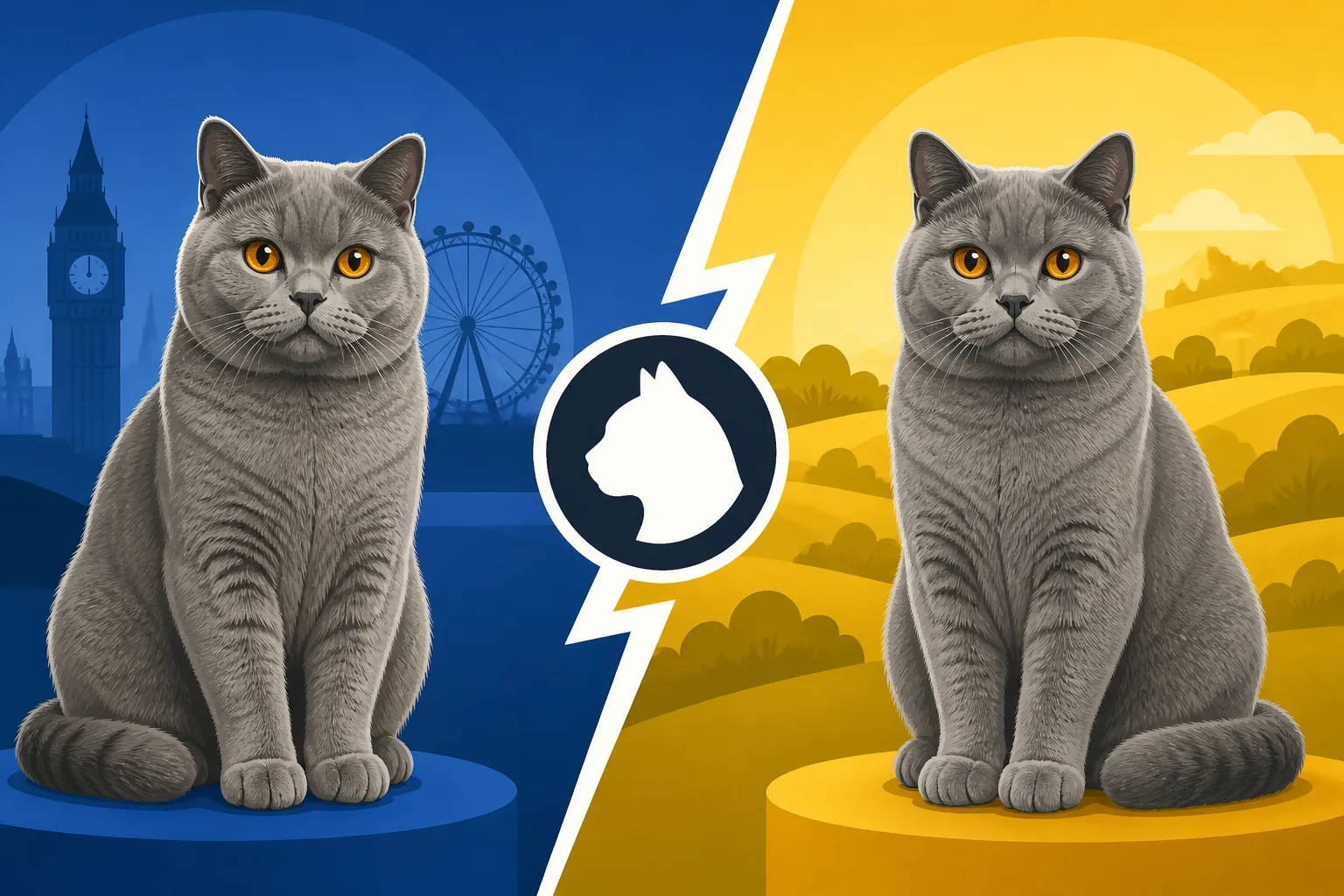
It's a common and completely understandable thought for anyone looking to welcome a British Shorthair into their home: "Surely a cat bred in the United Kingdom, the very birthplace of this charming breed, must be superior?" We're often drawn to the romantic idea of lineage and origin, believing that proximity to a breed's roots automatically confers a higher quality. But the truth is, while the UK holds a special place in the British Shorthair's history, the location of a cat's birth is far less important than the ethics and practices of the breeder. This guide will help you understand what truly makes a British Shorthair exceptional, regardless of where it first opened its big, round eyes.
The Allure of a British Origin
There's no denying the appeal of a British Shorthair hailing from its native land. The United Kingdom is where this distinct and beloved breed was carefully developed and refined, giving rise to its iconic "teddy bear" look and famously calm demeanor. This historical connection often leads prospective owners to wonder if a UK-bred cat somehow embodies the breed standard more purely or possesses superior health and temperament.
The British Shorthair's Roots and Reputation
The British Shorthair's story is deeply intertwined with the history of domestic cats in Britain. Descended from the common street cats of the British Isles, it was officially recognized and developed into a show breed in the late 19th century, largely thanks to the efforts of cat fancy pioneer Harrison Weir. This heritage gives the breed a sense of gravitas and authenticity that can be very attractive. You might imagine a UK-bred British Shorthair carrying a more "authentic" essence, a direct link to those foundational cats that first captured hearts.
This connection to history can create a perception that cats bred there are intrinsically "better" or more true to the breed's original form. After all, the very name "British Shorthair" conjures images of quintessential British charm. It’s easy to believe that breeders in the UK might have a deeper understanding of the breed's nuances, passed down through generations of dedicated catteries.
However, it's crucial to remember that good breeding practices are not geographically exclusive. While the foundation stock originated in the UK, the breed has thrived globally for many decades, with passionate and knowledgeable breeders establishing strong lines in North America, Europe, Asia, and beyond. Relying solely on a cat's passport as a mark of quality can be a significant oversight.
What "Better" Really Means in Breeding
When we talk about a "better" British Shorthair, what are we truly hoping for? Is it merely adherence to a visual standard, or something more profound? For most owners, "better" translates to a cat that is healthy, well-adjusted, has a good temperament, and embodies the charming characteristics the breed is known for. These qualities are cultivated through careful breeding choices, rigorous health screening, and proper socialization, not by a specific postal code.
A truly "better" British Shorthair is one whose parents were extensively health-tested for genetic predispositions common in the breed, such as Hypertrophic Cardiomyopathy (HCM) and Polycystic Kidney Disease (PKD). It's a cat that has been raised in a clean, stimulating environment, handled with care from birth, and properly socialized to humans and potentially other pets. It's a cat whose breeder carefully considered genetic diversity and temperament in their breeding pairs.
The reality is that a less reputable breeder in the UK can produce a cat with health issues or poor socialization, just as easily as an outstanding breeder anywhere else in the world can produce an exemplary British Shorthair. The focus should always be on the breeder's practices, their transparency, and their commitment to the welfare and improvement of the breed, rather than their geographical location.
What Truly Defines a Quality British Shorthair
Let's shift our focus from geography to the fundamental pillars that truly underpin a high-quality British Shorthair. These are the aspects that will have a real impact on your cat's health, happiness, and your experience as an owner, no matter where you acquire your feline companion.
Health Screening and Genetic Testing
This is, arguably, the most critical factor in determining a "better" British Shorthair. Reputable breeders, whether in the UK or elsewhere, invest heavily in the health of their breeding stock. This means regularly screening for inherited diseases that can affect the breed. For British Shorthairs, the primary concerns are Hypertrophic Cardiomyopathy (HCM) and Polycystic Kidney Disease (PKD).
HCM is a heart condition that can be hereditary, causing the heart muscle to thicken. Since there isn't a DNA test for HCM in British Shorthairs, responsible breeders will have their breeding cats undergo regular echocardiograms (heart ultrasounds) performed by a board-certified veterinary cardiologist. You should be able to see recent, clear Whether a British Shorthair Breeder Shows Echo Results for both parents. Similarly, while PKD is largely eradicated from the breed thanks to DNA testing, it’s still prudent to ensure parents have been tested clear. Whether a British Shorthair Should Be PKD Tested is a question every potential owner should ask. Other tests, like blood typing for breeding queens and studs to prevent What Neonatal Isoerythrolysis Does to a British Shorthair Kitten, also indicate a thorough, ethical breeding program.
A breeder committed to health won't hesitate to share these results and explain what they mean. They understand that a healthy start is the best foundation for a long and happy life for their kittens, and they won't cut corners on these crucial screenings, even if it adds to their What the British Shorthair Health Screening Costs.
Temperament and Socialization
Beyond physical health, a truly "better" British Shorthair possesses the calm, affectionate, and stable temperament the breed is famous for. This doesn't happen by accident; it's the direct result of thoughtful breeding and extensive socialization from a young age. A good breeder ensures their kittens are raised in a home environment, exposed to various sights, sounds, and gentle human interaction from day one.
Kittens from responsible breeders are typically confident, curious, and comfortable with being handled. They learn to trust humans and adapt well to new situations. How a British Shorthair Behaves With Children, other pets, or even visitors largely depends on their early experiences. Conversely, a kitten raised in isolation or without proper handling might be timid, fearful, or even aggressive, regardless of its country of origin.
When you visit a breeder, pay close attention to the kittens' behavior. Are they playful and friendly, or do they cower and hide? Do they seem comfortable with the breeder and their environment? These observations are far more telling about a cat's potential as a beloved family member than any stamp in a passport. A reputable breeder will actively encourage you to interact with the kittens and their parents to assess their personalities.
Adherence to Breed Standards
While health and temperament are paramount for a companion animal, adherence to the breed standard is what makes a British Shorthair look like a British Shorthair. This involves specific traits like the broad, round head, full cheeks (especially in males, developing into prominent What Jowls Are on a Male British Shorthair), large round copper eyes, short and dense plush coat, and cobby body. These characteristics were meticulously developed and are maintained by responsible breeders worldwide who aim to produce cats that fit the recognized standard.
A reputable breeder, irrespective of their location, studies the breed standard closely and strives to produce cats that embody these traits, not just randomly. They understand the nuances of conformation and are working towards improving the breed according to these guidelines. This isn't just about aesthetics; a strong, well-proportioned body is often indicative of good overall health and structure.
You might hear whispers that some areas might have slightly different "types" or preferences within the British Shorthair community, but the core standard is remarkably consistent across major cat registries globally. A well-bred cat from an ethical cattery in Canada or Australia will look every bit as "British" as one from the UK, provided the breeder is committed to the recognized standard.
Navigating the International vs. Local Breeder Landscape
Given that quality transcends geography, how do you find the right British Shorthair for your family? The key is focusing on the breeder, their practices, and the health and welfare of their cats, whether they are across the street or across an ocean.
Finding a Reputable Breeder, Anywhere
The search for a reputable British Shorthair breeder should begin with research and verification, not location. Look for breeders who are registered with recognized cat fancy associations (like TICA, CFA, GCCF in the UK, etc.). These associations often uphold codes of ethics and require certain standards for breeding. Online directories, breed clubs, and referrals from trusted veterinarians or other British Shorthair owners are excellent starting points.
When you contact a breeder, ask a lot of questions. Be prepared for them to ask you questions too – a good breeder is vetting you as much as you are vetting them, ensuring their kittens go to good homes. Ask about their health testing protocols, veterinary care, kitten socialization, and feeding practices. Many breeders use high-quality nutrition, and some even provide sample food.
A responsible breeder will:
- Welcome questions and provide detailed answers.
- Happily share health screening results for both parents.
- Allow you to visit their cattery (or offer video tours if an in-person visit isn't feasible) to see the kittens and their living conditions.
- Provide a written contract outlining health guarantees, spay/neuter agreements, and return policies.
- Be transparent about the kitten's lineage and registration papers.
- Not release kittens before they are at least 12-14 weeks old, ensuring they are fully weaned and socialized.
| Aspect of Quality | Focus for Prospective Owners | Why it Matters |
|---|---|---|
| Health Screening | Ask for echo results for HCM, PKD DNA test results for parents. | Prevents heartbreak and costly veterinary bills later on. |
| Temperament/Socialization | Observe kittens, ask about their upbringing, interact with them. | Ensures a calm, friendly, and well-adjusted companion. |
| Breed Standard | Look at photos of parents, discuss desired traits with the breeder. | Guarantees you are getting a cat that looks and acts like a British Shorthair. |
| Breeder Ethics | Ask questions, verify registration, review contracts. | Indicates a commitment to animal welfare and breed improvement. |
| Kitten Age at Placement | Ensure kittens stay with mom until at least 12-14 weeks. | Allows for proper weaning, social learning, and development. |
The Practicalities and Costs of Importing
If you're still set on a UK-bred British Shorthair, be prepared for significant logistical and financial hurdles. Importing a cat is a complex process involving international regulations, veterinary checks, quarantine periods, and considerable expense. The cost of the kitten itself will likely be much higher due to transport fees, customs, and additional veterinary certifications required for international travel. What Importing a British Shorthair Costs can easily double or triple the initial purchase price of the kitten.
Furthermore, the stress of international travel can be significant for a young kitten. Long flights, unfamiliar environments, and confinement can take a toll on their health and psychological well-being. While many cats handle it fine, it's a risk to consider. Also, post-arrival, you'll need to establish care with a local vet and help your kitten adjust to a completely new home and potentially different climate. You’ll want to have a plan for how you’ll feed your new kitten; if they’re used to a particular type of food, you’ll want to ensure you can source it or transition them carefully. Many owners find setting up pet insurance like Healthy Paws valuable for those initial weeks of adjustment, as unexpected vet visits can crop up.
It’s often a choice driven by passion for a specific bloodline or a desire for a particular look that may be harder to find locally. However, for the average pet owner simply seeking a healthy, happy British Shorthair companion, the complexities of importing rarely outweigh the benefits of finding a superb local breeder.
Supporting Local, Responsible Breeding
Ultimately, whether a British Shorthair is "better" has nothing to do with its country of origin. It's about the dedication, knowledge, and ethical practices of the individual breeder. There are outstanding British Shorthair breeders producing exceptional kittens all over the world. By focusing on these core criteria – health testing, temperament, breed standard adherence, and transparency – you can find a wonderful companion that will bring joy to your home for years to come.
Choosing a reputable breeder closer to home also offers distinct advantages. You can more easily visit the cattery, observe the kittens' environment firsthand, and meet the parent cats. This personal connection allows you to build a relationship with the breeder, which is invaluable. A good breeder will be a resource for you for the lifetime of your cat, offering advice and support. Plus, you avoid the stress and expense of international travel for your new family member. Remember, a British Shorthair's happiness and health stem from excellent care and responsible breeding, not from a specific geographic location.
Disclaimer
This article is for general informational purposes only and does not constitute professional advice. Laws, prices and regulations vary by location and change over time. Consult a qualified professional for guidance on your specific situation.