What the DNA Blood Type Test Costs a British Shorthair Breeder
For British Shorthair breeders, navigating the intricate world of feline genetics and health testing can feel like a full-time job on its own. One critical, yet often misunderstood, aspect is the cost associated with DNA blood typing. Many new breeders, or even those considering a breeding program, are often caught off guard by the necessity and expense of these tests, especially when trying to ensure the health and safety of every kitten. This guide will walk you through why DNA blood typing is indispensable for your British Shorthair cattery, what costs you can expect, and how to make informed decisions for your breeding program.
Understanding Why DNA Blood Typing is Crucial for British Shorthair Breeders
It might seem like a small detail, just a blood type, right? But for British Shorthair breeders, understanding the blood types of their breeding cats is far from trivial. It’s a matter of life and death for newborn kittens and a cornerstone of responsible breeding practices.
The Hidden Dangers of Blood Type B
The vast majority of cats worldwide are blood type A. However, breeds like the British Shorthair have a much higher prevalence of blood type B. This isn't just an interesting genetic quirk; it carries a significant, potentially fatal, risk for kittens. The danger arises when a queen (female cat) with blood type B is bred to a tom (male cat) with blood type A. If any of the kittens inherit blood type A from their father, they will ingest antibodies against their own red blood cells when they nurse colostrum from their type B mother.
This condition is called Neonatal Isoerythrolysis, or NI, and it's a silent killer. The mother's antibodies attack the A-type kittens' red blood cells, leading to severe anemia, jaundice, and organ damage. These kittens often appear healthy at birth but rapidly decline within hours or days, becoming weak, jaundiced, refusing to nurse, and often dying. It's a heartbreaking scenario that is entirely preventable with proper blood typing. What Blood Type B Means in a British Shorthair goes into more detail about this specific blood type.
Preventing Heartbreak and Ensuring Kitten Health
For a responsible British Shorthair breeder, preventing Neonatal Isoerythrolysis is an ethical imperative. Losing an entire litter of seemingly healthy kittens due to preventable blood incompatibility is not only devastating emotionally but also severely damages a cattery's reputation. DNA blood typing allows breeders to identify their cats' blood types before any mating occurs. This knowledge empowers them to make compatible pairings, ensuring that a type B queen is never bred to a type A tom if there's a risk of type A kittens.
Imagine the relief of knowing that every kitten born in your cattery has the best possible start in life, free from the threat of NI. This proactive approach saves lives, reduces suffering, and upholds the highest standards of animal welfare. It’s a small investment with an immeasurable return in peace of mind and healthy kittens.
Beyond Breeding: Why Pet Owners Might Care
While DNA blood typing is primarily a breeder's concern, its implications can extend to pet owners too, especially in emergency situations. Knowing your cat's blood type can be crucial if they ever need a blood transfusion. A mismatch can lead to a severe, life-threatening reaction. Although your vet can quickly type your cat's blood in an emergency, having the information readily available from DNA testing can save valuable time. For British Shorthair pet owners, while not strictly necessary for daily care, it's another piece of their cat's health puzzle. Whether a Pet British Shorthair Needs Blood Typing elaborates on this.
Breaking Down the Costs of a British Shorthair DNA Blood Type Test
Now, let's talk about the practical side: what does this essential testing actually cost a British Shorthair breeder? It's not a one-size-fits-all answer, as several factors can influence the final price tag.
Factors Influencing Test Price
The cost of a DNA blood type test can vary based on several key factors:
- The Laboratory: Different veterinary genetic testing laboratories have their own pricing structures. Some are highly specialized in feline genetics, while others offer a broader range of tests. Reputable labs that specialize in breed-specific tests often provide the most accurate and reliable results, which is paramount for breeders.
- Test Type and Scope: Some labs offer a standalone DNA blood typing test, while others may include it as part of a larger panel of genetic health tests. For instance, you might find a comprehensive British Shorthair panel that includes testing for Polycystic Kidney Disease Came Into the British Shorthair With the Persians or Hemophilia B in a British Shorthair alongside blood typing. Bundling tests can sometimes offer a slight discount compared to ordering each test individually, but it’s crucial to assess if you need all the tests in the panel.
- Geographical Location: Testing costs can also be influenced by where the laboratory is located and any associated shipping fees for samples (usually cheek swabs or blood). International shipping, if you're sending samples across borders, will add to the expense.
- Veterinarian Involvement: If your veterinarian collects the sample and sends it to the lab on your behalf, they might charge a consultation fee or a handling fee in addition to the lab's cost. While you can often collect cheek swabs yourself, having a vet draw blood (if required by the lab) or simply handle the submission process can add a small overhead.
The Range of Costs You Can Expect
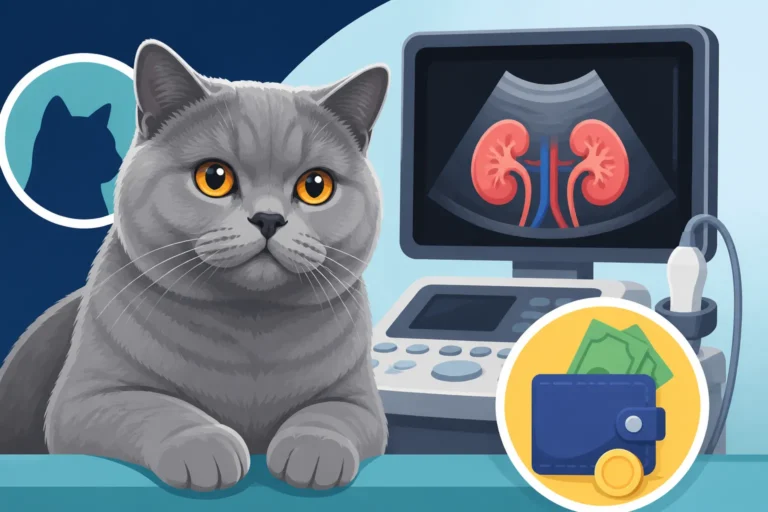
Without citing specific, ever-changing figures, you can generally expect a DNA blood type test for a British Shorthair to fall into a moderate price range for a genetic test. It's typically less expensive than a specialized echocardiogram for HCM screening, but more than a basic blood panel at your vet's office.
Think of it this way: for the peace of mind and the lives it can save, many breeders consider it one of the most cost-effective investments in their cattery's health program. Compared to the potential veterinary bills for treating failing kittens with NI, or the emotional cost of losing an entire litter, the DNA blood typing test is a relatively small, one-time fee per cat that pays dividends for a lifetime of breeding.
Considering Bulk Testing and Breeder Discounts
Many genetic testing laboratories recognize the needs of breeders and offer discounts or tiered pricing for multiple tests submitted at once or for multiple cats within the same cattery. If you're testing several breeding cats, it's always worth inquiring about bulk discounts. This can significantly reduce the per-cat cost.
Remember, a DNA blood type test is a one-time affair for each cat. Once a cat's DNA blood type is determined, it doesn't change. This means you won't incur this specific cost repeatedly for the same animal, unlike recurring tests such as The Yearly Echo That Replaces a British Shorthair Gene Test. This single investment provides permanent, crucial information for your breeding program.
Where to Get a Reliable DNA Blood Type Test for Your British Shorthair
Choosing the right laboratory for your British Shorthair's DNA blood type test is just as important as understanding the costs. You want accurate, reliable results that you can trust to inform your breeding decisions.
Reputable Veterinary Laboratories
Many veterinary laboratories, particularly those specializing in genetic testing, offer DNA blood typing services. When selecting a lab, look for:
- Accreditation: Ensure the lab is accredited and has a strong track record in feline genetic testing. This ensures they adhere to high standards of quality and accuracy.
- Breed-Specific Experience: While blood typing is fairly universal, labs with experience testing British Shorthairs and other purebred cats often have a deeper understanding of breed-specific genetic nuances.
- Clear Reporting: The results should be easy to understand, clearly stating the blood type (A, B, or AB if applicable, though type AB is extremely rare in British Shorthairs) and any associated risks or recommendations.
- Customer Support: A good lab will offer support to help you understand the testing process, sample collection, and interpretation of results.
You can often consult with your own veterinarian for recommendations on reputable labs. They frequently work with several different diagnostic services and can guide you towards those with the best reputation for genetic testing.
Specialized Feline Genetics Companies
Beyond general veterinary labs, there are companies that focus almost exclusively on genetic testing for purebred cats. These specialized labs often have state-of-the-art facilities and extensive databases of feline DNA, contributing to highly accurate results. They are particularly valuable for breeders looking for comprehensive panels that might include multiple genetic disease screenings in addition to blood typing.
When considering these companies, check their website for detailed information on their testing methodologies, sample requirements (e.g., cheek swabs, blood samples), turnaround times, and sample submission instructions. They often provide all the necessary kits for easy sample collection at home, which you then mail back.
What to Look for in a Testing Service
Regardless of whether you choose a general vet lab or a specialized genetics company, here’s a checklist of what to prioritize:
| Feature | Why It Matters for a Breeder |
|---|---|
| Accuracy & Reliability | Incorrect results can lead to disastrous breeding decisions and kitten loss. |
| Clear Reporting | Easy-to-understand reports mean you can confidently interpret your cat's genetic profile. |
| Turnaround Time | Knowing results quickly helps plan breeding schedules without unnecessary delays. |
| Sample Requirements | Convenient collection methods (e.g., cheek swabs) simplify the process for you and your cat. |
| Cost-Effectiveness | Fair pricing, especially with potential bulk discounts, helps manage cattery expenses. |
| Customer Support | Access to expert advice for questions about testing or results is invaluable. |
Maximizing Your Investment: Beyond the Initial Test Fee
Getting your British Shorthairs DNA blood typed is more than just paying for a service; it's an investment in the future of your cattery and the health of your cats. Understanding how to use these results effectively is key to truly maximizing that investment.
Understanding the Results and Their Implications
Once you receive your results, the real work begins. The most common blood types you'll see in British Shorthairs are Type A and Type B. Type AB is exceedingly rare but can occur.
- Type A: Cats with blood type A have antibodies against Type B blood in their plasma, but typically at very low levels.
- Type B: Cats with blood type B have strong anti-A antibodies. This is the critical type for breeders, as a Type B queen bred to a Type A tom can produce Type A kittens who will suffer from Neonatal Isoerythrolysis.
- Type AB: These cats usually have no anti-A or anti-B antibodies.
Your primary goal as a breeder is to prevent a Type B queen from being exposed to Type A blood, particularly through colostrum. This means never breeding a Type B queen to a Type A tom. If you have a Type B queen, she must be bred to a Type B tom. This ensures all kittens born will either be Type B or Type A, but importantly, a Type A kitten will not be created if the queen is type B and the tom is type A. If both parents are Type B, all kittens will be Type B, eliminating the risk entirely. You can learn more about specific pairings in Which British Shorthair Pairing Causes Neonatal Isoerythrolysis.
The Long-Term Savings of Proactive Testing
While there's an upfront cost for the DNA blood type test, the long-term savings and benefits are substantial. Consider these points:
- Avoidance of Emergency Veterinary Care: Treating kittens suffering from Neonatal Isoerythrolysis is often futile and always expensive. Emergency vet visits, blood transfusions for kittens (which are incredibly challenging and risky), and intensive care all add up quickly, often for a tragic outcome. A single DNA test can prevent all of this.
- Preservation of Cattery Reputation: In the purebred cat world, a cattery's reputation for health and ethical practices is paramount. Losing litters due to preventable genetic incompatibilities can severely damage that reputation, making it difficult to find homes for future kittens or even attract responsible buyers. Proactive testing demonstrates your commitment to health and responsible breeding.
- Increased Kitten Survival Rates: Ultimately, the test helps you produce healthier kittens with higher survival rates, which is the goal of every ethical breeder. This means more successful litters and more joy for their future families.
Integrating Blood Typing into a Comprehensive Health Strategy
DNA blood typing is one piece of a much larger puzzle when it comes to responsible British Shorthair breeding. It should be integrated into a comprehensive health testing strategy that also includes screening for other common breed-specific health issues. For example, regular screening for HCM (Hypertrophic Cardiomyopathy) is vital, even though HCM in a British Shorthair Has No DNA Test. Breeders should also be aware of Polycystic Kidney Disease Came Into the British Shorthair With the Persians and test for it.
By taking a holistic approach to health testing, you're not just preventing one issue; you're building a foundation for a truly healthy and robust British Shorthair line. Each test, including DNA blood typing, contributes to a healthier future for the breed. What a British Shorthair Breeder Should Have Tested provides a more complete overview of all recommended screenings.
Disclaimer
This article is for general informational purposes only and does not constitute professional advice. Laws, prices and regulations vary by location and change over time. Consult a qualified professional for guidance on your specific situation.