When a British Shorthair Reaches Its Adult Head
One of the most common things new British Shorthair owners wonder about, often with a mix of excitement and a tiny bit of impatience, is when that adorable, iconic round head is really going to develop. You see those stunning adult cats with their perfectly spherical faces and full cheeks, and then you look at your lanky, sometimes slightly triangular-headed kitten and wonder if they're ever going to get there. This guide is all about setting realistic expectations for that magnificent head development, exploring the journey from a cute kitten to a truly grand British Shorthair.
The British Shorthair's Signature Round Head
The British Shorthair is instantly recognizable, not just by its plush coat or calm demeanor, but by that utterly captivating, perfectly round head. It's the hallmark of the breed, giving them that famous "teddy bear" look that so many of us fall in love with. But if you've ever owned a British Shorthair kitten, you'll know that they don't pop out of the womb looking like a fluffy orb. Their heads, like the rest of their bodies, undergo a significant transformation.
What Makes the British Shorthair Head So Unique
The breed standard for a British Shorthair emphasizes a large, round head with full cheeks. This isn't just about cuteness; it's a specific genetic trait that has been carefully cultivated over generations. A well-developed British Shorthair head features a strong, level chin, a firm jaw, and small, well-set ears that add to the overall roundness. It’s this combination that creates the distinctive expression, often described as a gentle smile or a slightly thoughtful gaze. This physical characteristic is a huge part of The Round Head and Copper Eye a British Shorthair Is Judged On in the show ring, but for pet owners, it's simply what makes them so endearing.
The expectation, of course, is that every British Shorthair will achieve this perfect roundness. However, while most will develop those charming features, the degree and timing can vary. It's easy to look at photos of fully mature British Shorthairs and feel a bit disappointed if your youngster isn't quite there yet. Remember, it's a marathon, not a sprint, and nature takes its own sweet time crafting these magnificent creatures.
Early Head Development in Kittens
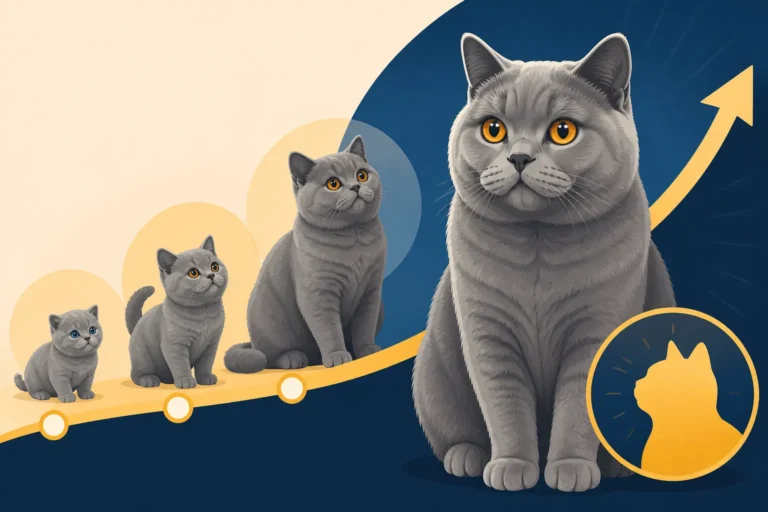
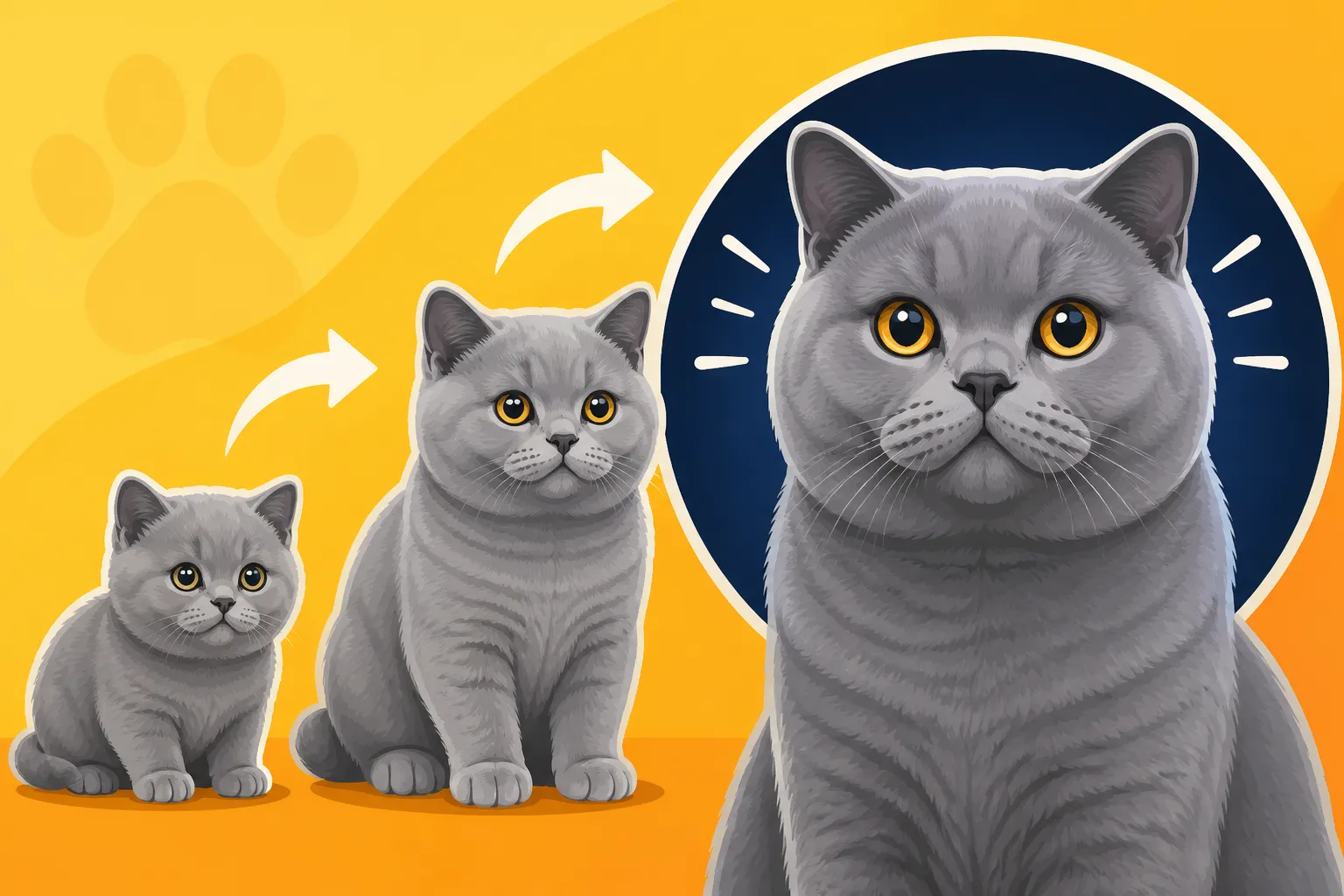
When you first bring home a British Shorthair kitten, typically around 12-16 weeks old, their head is far from its adult shape. They have sweet, proportionate kitten heads – often a bit more triangular or oval than round. Their cheeks aren't nearly as full, and their jowls are non-existent. At this stage, their bones are still growing rapidly, and their bodies are prioritizing length and overall structure over the chunky, dense appearance of an adult.
During their first year, British Shorthair kittens will experience significant growth, but much of it will be in their body size, not necessarily their head. They might look a bit leggy, or their head might seem small in comparison to their rapidly expanding torso. This is completely normal! It’s simply the way they develop. Think of it as building the foundation before adding the decorative flourishes. You might notice their faces broadening slightly, but that truly impressive, spherical look is still a ways off.
The Gradual Transformation to Adulthood
The journey to that magnificent adult British Shorthair head is a slow and steady one, often surprising new owners with just how long it takes. It's not an overnight change, but a series of subtle shifts that culminate in the iconic look we all admire.
When the Jowls Begin to Appear
One of the most defining features of the British Shorthair's adult head, especially in males, is the development of prominent jowls. These are the fleshy, rounded pads on either side of their face that contribute significantly to the breed's signature roundness. For males, these jowls typically begin to appear and become more noticeable around one to two years of age. Some may start showing hints of them a little earlier, perhaps around 10-12 months, but for the full effect, you’ll need to be patient.
Female British Shorthairs also develop fuller cheeks, but their jowls are usually less pronounced than those of the males. They still achieve a lovely round face, but often without the extreme breadth seen in a mature tomcat. This is a natural difference in their breed characteristics. Understanding What Jowls Are on a Male British Shorthair can help you appreciate this specific developmental milestone. It's a sign of maturity and hormonal changes, particularly in unneutered males, though neutered males will still develop them, albeit sometimes to a slightly lesser degree or over a longer period.
The Role of Hormones and Genetics
Hormones play a critical role in the development of those coveted jowls and the overall head shape. In male cats, testosterone contributes significantly to the growth of prominent jowls. This is why entire (unneutered) male British Shorthairs often have the most impressive jowls and broadest heads. However, neutering is a responsible choice for most pet owners, and it doesn't mean your cat won't develop a wonderful head. Many neutered males still achieve excellent head development, though it might take a little longer and the jowls might not be quite as massive. The common concern of Whether Neutering Early Stunts a British Shorthair is often about body size, but it can also be on the minds of owners regarding head development. While neutering can slightly alter the growth plate closure and some secondary sex characteristics, a well-bred British Shorthair will still develop its characteristic head shape over time.
Beyond hormones, genetics are paramount. The genes inherited from a British Shorthair's parents dictate its potential for developing a classic, round head. A kitten from lines known for strong head type is more likely to develop those features, regardless of slight variations in diet or environment. This is why choosing a reputable breeder who focuses on breed standard and health is so important. They can give you an idea of what to expect based on the parents and grandparents.
Nutritional Impact on Growth
While genetics lay the foundation, proper nutrition provides the building blocks for healthy development, including the skull and facial structure. During the critical growth phases, from kittenhood through young adulthood, a high-quality, balanced diet is essential. This means food rich in appropriate protein, fats, vitamins, and minerals. Overfeeding, however, won't magically make the head rounder faster; it will simply lead to an overweight cat, which comes with its own set of health problems.
Focus on controlled portions of premium cat food designed for their life stage. Brands found on platforms like Chewy offer a wide range of options, from kibble to wet food, that can cater to your British Shorthair's specific needs. The goal is steady, healthy growth, not rapid weight gain. A kitten that is growing too quickly due to excessive calories might put on fat rather than solid bone and muscle, which won't contribute to that ideal head shape. Always follow feeding guidelines and consult your vet if you have concerns about your cat's weight or diet.
Reaching Peak British Shorthair Head Glory
So, when exactly can you expect that magnificent, fully-formed British Shorthair head? It's a question many owners ask, eager to see their beloved feline reach its full potential. The answer, as with many aspects of cat development, requires patience.
Understanding the Full Development Timeline
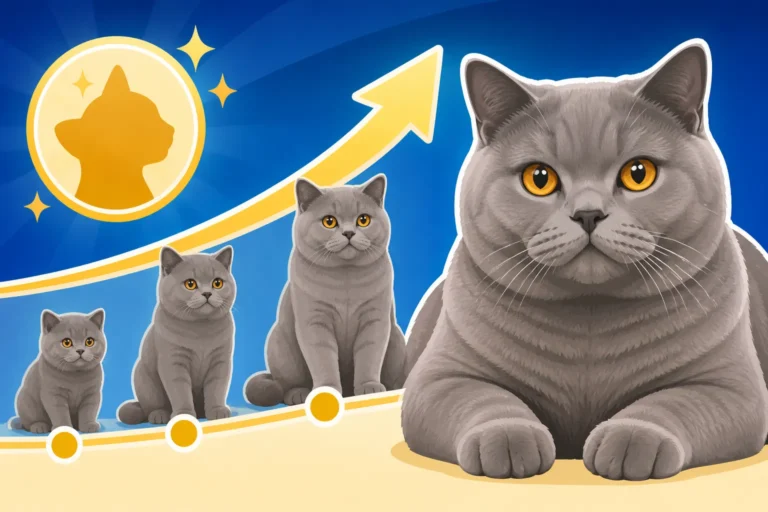
For a British Shorthair, full maturity is a slow process, far slower than many other cat breeds. While they might reach their adult height and length around one year, their body density, muscle mass, and especially their head development continue well beyond that. The most significant changes to the head, including the filling out of cheeks and the development of jowls, often occur between 18 months and three years of age. Some cats may even continue to refine their head shape slightly up to five years old. This aligns with When a British Shorthair Reaches Full Size which also emphasizes a lengthy development period for their overall physique.
This protracted development is why British Shorthairs are often described as "slow bloomers." What might look like a somewhat slender-faced cat at a year old can transform dramatically over the next two to three years. It's a testament to the breed's substantial nature, designed for power and robustness, which takes time to fully manifest. Don't be discouraged if your cat isn't exhibiting that full, round head at just a year or two; true British Shorthair glory is often still around the corner.
Why Some Heads Develop Slower or Differently
Just like people, every British Shorthair is an individual, and their development timelines can vary. Some might seem to "pop" with jowls and roundness earlier, while others take their sweet time. Several factors contribute to these differences:
- Genetics: This is by far the biggest influence. If a cat comes from lines that naturally mature slowly or have a slightly less extreme head type, their development will reflect that. Whether Parents Predict a British Shorthair's Size is very relevant here, as head size and overall size often correlate.
- Sex: As mentioned, males generally develop more prominent jowls and broader heads than females, and this process can take longer.
- Neutering Status: While neutering doesn't prevent head development, the absence of high testosterone levels can mean a slightly slower or less extreme jowl development in males.
- Overall Health: Any underlying health issues or nutritional deficiencies could potentially impact optimal growth, though this is less common with proper care.
It's important to remember that a slightly different head shape or a slower development doesn't make your cat any less of a British Shorthair, or any less wonderful. As long as they are healthy and happy, celebrate their unique journey.
Common Misconceptions About Head Size
There are a few myths floating around about British Shorthair head development that can lead to unnecessary worry for owners. One common misconception is that a bigger head is always better, or that if a kitten doesn't have a noticeably round head by six months, it never will. This simply isn't true. The "cobby" body and round head are characteristics that mature over years, not months.
Another frequent source of concern stems from comparing one's own British Shorthair to heavily edited or professional photos of champion adult cats online. These images often showcase the absolute peak of breed type and maturity, which is a standard not all cats will meet, nor is it a fair comparison for a developing youngster. The beauty of a British Shorthair is in its slow, deliberate transformation. Focusing on healthy growth and temperament will serve both you and your feline companion far better than fixating on achieving an "ideal" head shape overnight.
Caring for Your Developing British Shorthair
Supporting your British Shorthair through its developmental stages is about more than just food; it's about providing a holistic environment that encourages healthy growth, both physically and emotionally.
Supporting Healthy Bone and Muscle Growth
While you can't force the head to become rounder, you can ensure your cat has everything it needs for optimal skeletal and muscular development. This means a balanced diet, as previously discussed, but also adequate, gentle exercise. British Shorthairs are not known for being highly active, but they do need opportunities to move and play to build strong bones and maintain a healthy weight. Interactive play with wand toys or puzzle feeders can encourage them to engage their muscles, supporting their overall structure, including the neck and facial muscles that contribute to head shape.
Regular veterinary check-ups are also crucial. Your vet can monitor your cat's growth curve, ensure they are not becoming overweight, and provide guidance on diet and exercise specific to their needs. While pet insurance providers like Healthy Paws can help manage unexpected health costs, preventive care is the best strategy for promoting healthy development. These routine visits allow for early detection of any issues that could impede growth or health.
Patience Is Key
The most important advice for any British Shorthair owner waiting for that perfect adult head to emerge is simply: be patient. This breed embodies the phrase "good things come to those who wait." Their full beauty, their solid physique, and indeed, their magnificent round heads, are not rushed. It's a process that unfolds over several years. Enjoy your cat at every stage of its development. The lanky kitten, the slightly awkward adolescent, and the eventually majestic adult all have their charms.
Remember that How Long a British Shorthair Takes to Fill Out applies directly to the head too. You'll likely see the full effect of their glorious, plush coat and dense bone structure develop around the same time their head achieves its ultimate roundness.
Here's a quick general guide to help visualize the journey:
| Age Range | Head Shape Characteristics | Notes |
|---|---|---|
| 0-6 Months | Small, triangular to oval, typical kitten head | Focus on rapid body growth; head appears proportionate but not yet round or broad. |
| 6-12 Months | Broadening slightly, but still lean; hints of fuller cheeks | Legs might appear long relative to body; head still growing to catch up with overall size. |
| 12-18 Months | More defined, early signs of jowls (especially males), cheeks filling | Body is gaining density; head becoming more robust but not fully rounded. What Changes in a British Shorthair at Three is still in the future. |
| 18 Months – 3 Years | Significant jowl development, cheeks full, pronounced roundness | Often the period of most dramatic transformation for the head. Males show prominent jowls. |
| 3-5+ Years | Fully mature, dense, and perfectly round head | Peak development, achieving the iconic "teddy bear" look. Minor refinements may continue. |
Caring for a British Shorthair is a commitment to a long, rewarding relationship. By understanding their unique growth patterns and embracing the journey, you'll witness the beautiful evolution of your feline friend into the truly regal cat they are meant to be.
Disclaimer
This article is for general informational purposes only and does not constitute professional advice. Laws, prices and regulations vary by location and change over time. Consult a qualified professional for guidance on your specific situation.