Whether a Small British Shorthair Kitten Stays Small
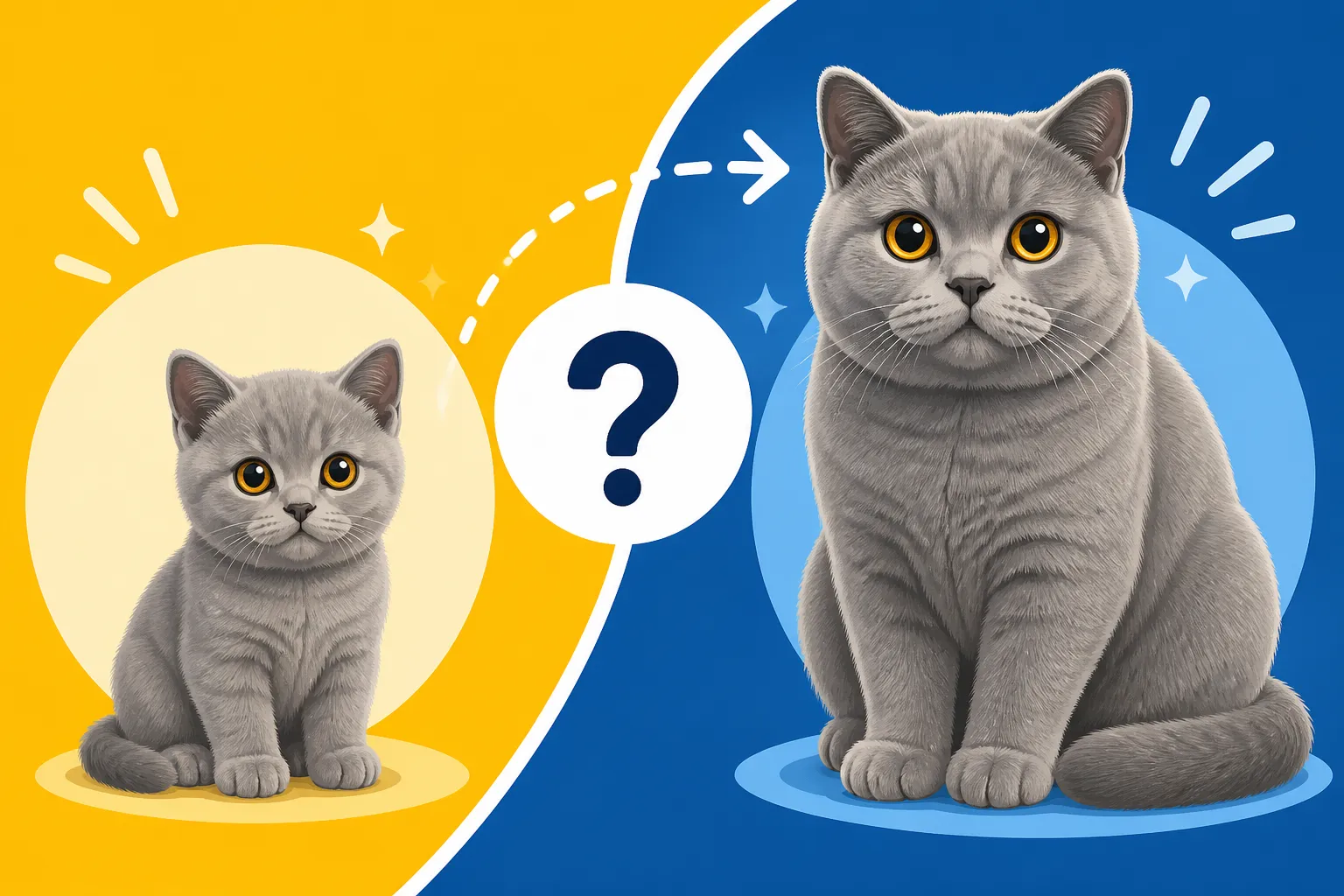
It's a common worry for new British Shorthair owners, isn't it? You bring home this adorable, fluffy kitten, perhaps a little smaller than you imagined, and immediately you start to wonder if they'll ever grow into that magnificent, round-faced "teddy bear" cat you've seen in pictures. Will your seemingly dainty little furball ever develop that signature substantial build? This guide will dive deep into the British Shorthair's unique growth pattern, helping you understand why your small kitten is likely perfectly normal and what to expect as they mature.
The British Shorthair Growth Trajectory: A Slow Burn
British Shorthairs are not like many other cat breeds that seem to sprout up almost overnight. They are a breed that takes its sweet time to develop, to truly "fill out" and achieve that robust, cobby physique they are so famous for. If you've ever owned a more lithe, elegant breed, the British Shorthair's pace of growth can feel incredibly slow, almost glacial in comparison, and it's easy to get anxious if your kitten isn't growing at the rate you might expect from other cats.
Why British Shorthairs Don't "Fill Out" Overnight
The reason for this leisurely growth is rooted in their genetics and their very physical structure. British Shorthairs are considered a large to medium-large breed, but they don't hit their full size quickly. Their bone structure is heavy, and their musculature is dense, which takes significant time to build and mature. Think of it like a slow-growing tree; it takes years to reach its full, sturdy grandeur. They don't just add height; they add immense width, depth, and bone density, and that process isn't rushed. Many other breeds reach their mature skeletal size by 12 months, but a British Shorthair often continues to broaden and fill out well into their third, fourth, or even fifth year of life. You'll hear breeders talk about cats not being "finished" until they are three to five years old, especially the males, and they're not exaggerating. This is why it's so important to be patient.
Genetic Predisposition vs. Environmental Factors
While every British Shorthair will follow this general slow-growth pattern, individual size and ultimate bulk are heavily influenced by genetics. A kitten born to two significantly large, well-boned parents is more likely to grow into a substantial adult than a kitten from smaller-boned parents. This isn't a guarantee, of course, but it's a strong indicator. You might even find yourself wondering Whether Parents Predict a British Shorthair's Size. However, even with the best genetics, environmental factors play a crucial role. Proper nutrition from kittenhood onwards is paramount. A high-quality, protein-rich diet, suitable for growth, is essential for healthy development. Stress can also impact a kitten's ability to thrive, so a calm, consistent home environment is always best. Good veterinary care, ensuring parasites are kept at bay and any potential health issues are addressed promptly, also contributes significantly to a kitten's ability to reach its full genetic potential.
Understanding "Small" in a British Shorthair Kitten
When you look at a British Shorthair kitten, especially when they're very young, they might not seem to embody the breed's famous "cobby" description. They can appear somewhat lanky, with larger paws and ears that seem disproportionate to their body. This can lead new owners to believe they have a "small" kitten, when in reality, they're simply observing a cat that is still very much in its early developmental stages, yet to develop its characteristic density and roundness.
Kitten Proportions and the "Teddy Bear" Look
British Shorthair kittens, for all their future plumpness, often start out looking quite different from their adult counterparts. They typically have a softer, less dense coat than the adults, and their heads, while still round, haven't yet developed the full, prominent cheeks and jowls that define the adult British Shorthair face. Their bodies can appear lean, and their legs, while short, might look a bit spindly before muscle mass and bone density fully develop. The "teddy bear" look is something they grow into, not something they're born with instantly. It’s a process of gradual maturation, where their body slowly transforms from a gangly youngster into that wonderfully solid, compact cat. If your kitten seems to have surprisingly large paws, consider that a good sign – they'll need those to support their future robust frame!
Comparing Littermates and Parental Size
If you're picking a kitten from a litter, it's natural to compare them to their siblings. Some kittens will naturally be a bit smaller or larger than others, even within the same litter. This variation is normal. What's more important than comparing your kitten to its immediate siblings is to consider the size and build of the parents, particularly the queen (mother cat). If the parents are of good size and type, your kitten has a strong genetic blueprint for growth, even if it's currently on the smaller side. A reputable breeder will be able to provide photos or even introduce you to the parents, giving you a better idea of the potential adult size. They can also tell you about their average growth rates. Sometimes, people are disappointed with an undersized British Shorthair, which often stems from misunderstanding this slow growth or having unrealistic expectations. Remember, it's a marathon, not a sprint, for these magnificent felines.
When to Be Concerned About a Small British Shorthair Kitten
While slow growth is characteristic of the British Shorthair breed, there's a difference between a healthy, slow-growing kitten and one that is genuinely failing to thrive. Knowing the signs of concern can help you act quickly if something isn't quite right. Your veterinarian is your best resource if you ever feel uneasy about your kitten's development.
Weight Gain and Developmental Milestones
A healthy British Shorthair kitten, even if it starts out a bit small, should be gaining weight consistently, even if it's a gradual climb. They might not pack on pounds as rapidly as some other breeds, but the trend should always be upward. You should notice steady progress when you take your kitten for their routine vet check-ups. Typically, a British Shorthair kitten should weigh around 6 to 8 pounds by six months of age, but this is a rough average, and individual variation exists. What a British Shorthair Should Weigh at Six Months can give you a better idea. Beyond weight, pay attention to other developmental milestones:
- Activity Level: Is your kitten playful and curious, even if calmly so? Are they exploring their environment?
- Appetite and Thirst: Are they eating and drinking regularly?
- Litter Box Habits: Are their stools well-formed, and are they urinating frequently?
- Coat Condition: Is their coat soft and dense for their age, without being dull or flaky?
- Energy: While British Shorthairs are generally calm, a kitten should still have bursts of playful energy. If they are consistently lethargic, withdrawn, or unwilling to engage, it's a red flag.
If your kitten is failing to gain weight, appears excessively thin with prominent ribs or hips, has a dull coat, or is consistently lethargic, it's definitely time for a veterinary visit. These can be signs of underlying health issues, parasitic infections, or insufficient nutrition.
Nutritional Impact on Growth
Nutrition plays an absolutely critical role in a British Shorthair kitten's development. A diet that is appropriate for growth, rich in high-quality protein and essential nutrients, is non-negotiable. Kitten-specific foods are formulated to provide the higher caloric and nutrient demands of growing cats. Avoid adult foods for kittens, as they simply won't provide what's needed for optimal development. When choosing food, look for brands that list meat as the first ingredient. Online retailers like Chewy offer a wide selection of premium kitten foods, including wet and dry options, so you can find something that suits your kitten's preferences and nutritional needs.
It's not just about what they eat, but also how much. How Many Calories a British Shorthair Needs a Day will vary based on their age, activity level, and growth stage, but underfeeding can certainly stunt growth. Conversely, overfeeding can lead to obesity later on, which is a major concern for the breed, as Obesity Is the British Shorthair's Real Disease. Consult your vet or the food packaging for age-appropriate portion guidelines.
What to Expect as Your British Shorthair Matures
The journey from a "small" British Shorthair kitten to a fully grown, majestic adult is a slow but rewarding one. Understanding the timeline and physical changes involved will help you appreciate their development and avoid unnecessary worry.
The Slow and Steady Weight Gain
As we've discussed, British Shorthairs are late bloomers. They will continue to gain weight and muscle mass gradually over several years. You'll likely see the most significant gains in their first year and a half, but the filling-out process doesn't stop there. They'll continue to broaden, their chests will deepen, and their legs will become more substantial. By around two years old, many British Shorthairs will have reached a significant portion of their adult weight, often between 9-14 pounds for females and 12-18 pounds (or more) for males. You can look at What a British Shorthair Should Weigh at Two Years for more detailed information. However, even at two years, they still have more maturing to do. This continued development is part of their charm and what makes them such robust, impressive cats in their prime. Keeping an eye on their body condition, rather than just the number on the scale, is key to ensuring healthy weight gain. You should be able to feel their ribs with slight pressure, but not see them.
The Final Flourish: Head, Jowls, and Overall Bulk
The true defining characteristics of the British Shorthair, particularly the males, emerge later in life. Those glorious, full cheeks and prominent jowls, which give them their distinctive "grumpy" or "teddy bear" expression, often don't fully develop until they are two to three years old, sometimes even later. What Jowls Are on a Male British Shorthair are a key feature that adds to their iconic look. Their dense, crisp coat also becomes more pronounced with age, standing away from their body to create that plush, luxurious feel. The overall "cobby" body shape – broad chest, short, thick legs, and a dense, well-rounded torso – becomes undeniable.
It’s truly fascinating to watch this transformation. A British Shorthair's mature appearance is something earned over time, a testament to their sturdy build and patient development. This extended growth period means you get to enjoy their playful kitten antics for longer, but also witness their gradual transition into the magnificent, calm companions they are known to be. The dedication to their long-term health, including regular vet check-ups and potentially considering pet insurance like Healthy Paws for peace of mind, ensures they can reach their full potential and enjoy their The Twelve to Seventeen Years a British Shorthair Gets. Remember, the best things often come to those who wait, and that certainly applies to the stately British Shorthair.
| Age Stage | Typical Physical Development | Key Characteristics |
|---|---|---|
| 0-6 Months | Rapid initial growth, still lean, ears/paws may seem large. | Playful, curious. Minimal "cobby" features. |
| 6-12 Months | Steady weight gain, increasing muscle definition. Coat densifies. | Growing into their limbs. More substantial than a kitten. |
| 1-2 Years | Significant filling out, chest broadening. Approaching adult weight. | Head rounding, jowls beginning to form (especially males). |
| 2-5 Years | Full maturation, achieving peak bone density, muscle, and bulk. | Pronounced jowls, full "teddy bear" face, dense coat. |
How Long a British Shorthair Takes to Fill Out
It's common for owners to ask How Long a British Shorthair Takes to Fill Out, and the answer, as you can see, is quite a while! This isn't a flaw, but a characteristic of the breed. Embrace the slow, deliberate growth, and enjoy each stage of your cat's development. Your "small" kitten will, with proper care and patience, undoubtedly grow into the impressive, robust British Shorthair you envision. It's a journey, not a race, and the reward is a truly magnificent companion.
Disclaimer
This article is for general informational purposes only and does not constitute professional advice. Laws, prices and regulations vary by location and change over time. Consult a qualified professional for guidance on your specific situation.