Why an Overweight British Shorthair Ends Up in Rescue
It's a heartbreaking truth that many loving homes acquire a British Shorthair kitten, picturing a fluffy, placid companion, only to find themselves overwhelmed years later by an overweight adult cat. This isn't just about aesthetics; obesity in British Shorthairs leads to a cascade of health issues, behavioral changes, and significant financial strain, often culminating in these once-cherished pets being relinquished to rescue organizations. This guide delves into the complex reasons behind this unfortunate trend, exploring the challenges owners face and shedding light on why an otherwise beloved British Shorthair can ultimately end up needing a new home.
The Misconception of the "Chunky" British Shorthair and Owner Responsibility
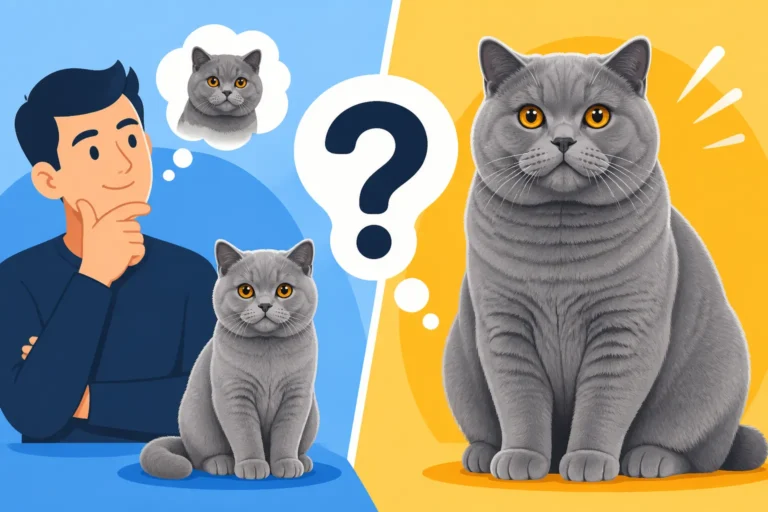
One of the biggest hurdles British Shorthair owners face is simply understanding what a healthy weight looks like for this breed. Their naturally stocky build, dense fur, and round faces lead many to believe that a little extra padding is just part of their charm. This misconception, unfortunately, paves the way for gradual weight gain that often goes unaddressed until it becomes a serious problem. It’s not about blame, but about recognizing where the disconnect happens.
The "Teddy Bear" Trap and Breed Standards
The British Shorthair is renowned for its adorable "teddy bear" appearance, with thick fur, a broad chest, and a round head. This delightful aesthetic, however, can easily mask an unhealthy weight. Owners might genuinely mistake a cat that is severely overweight for one that is simply "big-boned" or "cobby," as the breed standard often describes. They see the plump cheeks and the solid body and assume it's normal, reinforcing a dangerous cycle. This isn't just a casual observation; it's a critical error that can lead to years of overfeeding. Why a British Shorthair Is Built to Look Heavy goes into more detail about their natural build. The reality is that while they are solid cats, their ribs should still be easily palpable under their dense fur without excessive pressure, and they should have a discernible waist when viewed from above. If you have to push hard to feel those ribs, your cat is likely carrying too much weight, no matter how "cute" it makes them look.
Underestimating Calorie Needs and Overfeeding Habits
Many British Shorthair owners fall into the trap of thinking their cat needs more food than it actually does. These are generally placid, low-energy cats who prefer napping in a sunbeam to chasing mice. Their caloric needs are significantly lower than a more active breed. Combine this with the common practice of free-feeding—leaving a bowl of kibble out all day—and you have a recipe for obesity. Owners might start with good intentions, using a measuring cup but then topping up the bowl whenever it looks a bit low, or succumbing to persistent meows for more food. Snacks and treats, often given out of love or to quiet an insistent cat, also add up quickly without owners realizing the impact. It's a daily battle against their adorable, begging faces, and it's easy to lose when you're busy or simply don't have a clear understanding of feline nutrition. How Many Calories a British Shorthair Needs is a vital read for any owner struggling with this.
Health Complications and the Escalating Cost of Care
Obesity isn't just about a cat looking portly; it's a serious medical condition that triggers a host of other health problems. These secondary conditions are not only painful and debilitating for the cat but also incredibly expensive to manage, often becoming the breaking point for owners who were unprepared for the financial and emotional toll.
Diabetes Mellitus and Arthritis
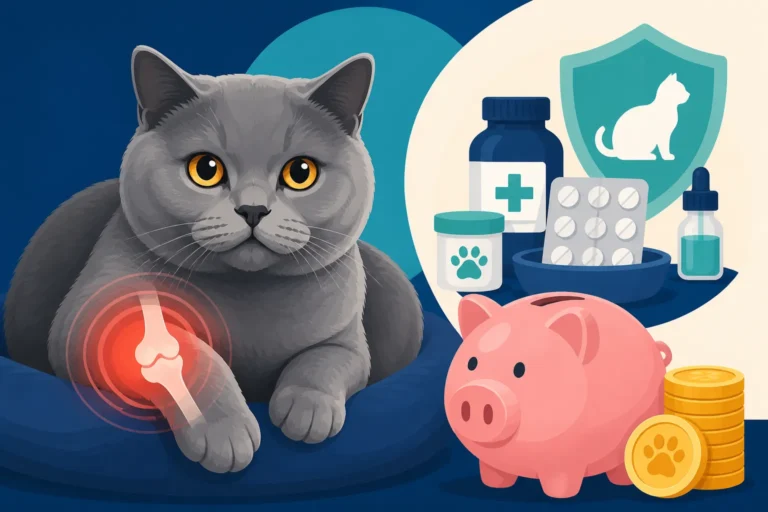
One of the most common and devastating consequences of feline obesity is diabetes mellitus. Just like in humans, excessive body fat can lead to insulin resistance, requiring daily insulin injections, strict dietary management, and regular veterinary check-ups. The cost of insulin, syringes, special prescription diets, and frequent glucose monitoring can quickly become overwhelming. An owner might initially manage, but the long-term commitment and expense can wear them down. Furthermore, the extra weight puts immense strain on a British Shorthair's joints, leading to or exacerbating arthritis. Imagine trying to jump onto a favorite perch or even into a litter box when every movement is painful. What Obesity Does to a British Shorthair's Joints clarifies just how damaging this can be. Managing arthritis involves pain medication, joint supplements, and potentially modifications to the home environment, adding yet another layer of cost and daily care requirements that many owners simply weren't ready for.
Urinary Problems and Hepatic Lipidosis
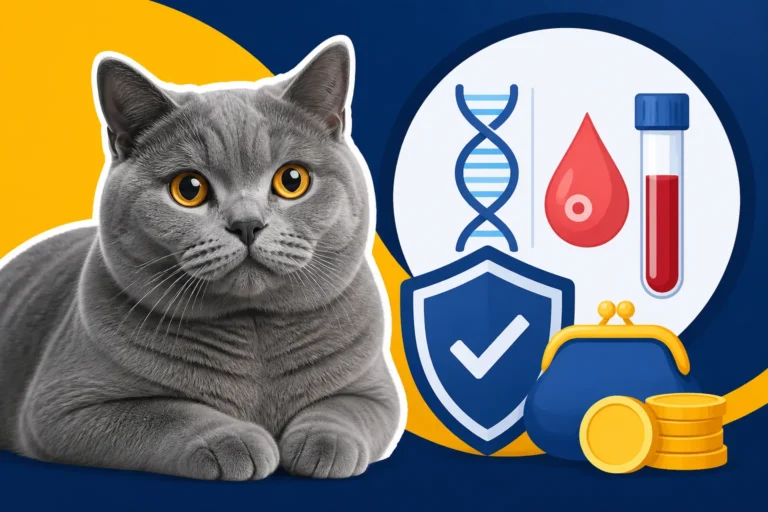
Overweight British Shorthairs are also more prone to developing urinary tract issues, including bladder stones and blockages. Male cats, in particular, are at higher risk for urinary obstructions, which are life-threatening emergencies requiring immediate and often costly veterinary intervention. The stress of managing a cat prone to these issues, coupled with the potential for recurrent episodes, can be incredibly draining. Then there's hepatic lipidosis, or fatty liver disease. When an obese cat stops eating, even for a short period (perhaps due to stress, a concurrent illness, or a sudden change in diet), their body starts mobilizing fat reserves to the liver. This can overwhelm the liver, leading to liver failure, and is a serious, often fatal condition requiring aggressive and expensive hospitalization, including force-feeding through a feeding tube. Owners are faced with terrifying choices and bills that can soar into the thousands, even with pet insurance like that offered by Healthy Paws, which may not cover conditions directly linked to pre-existing obesity.
| Condition | Description | Impact on Cat | Impact on Owner | Potential for Rescue |
|---|---|---|---|---|
| Diabetes Mellitus | Insulin resistance due to excess fat, leading to high blood sugar. | Daily injections, strict diet, potential for diabetic crises. | Significant ongoing financial cost (insulin, food, vet visits), daily time commitment. | High |
| Arthritis/Joint Pain | Increased strain on joints, leading to inflammation and pain. | Reduced mobility, pain with movement, difficulty grooming/litter. | Medication costs, home modifications, empathetic stress. | Moderate-High |
| Urinary Tract Issues | Bladder stones, blockages, especially in males. | Painful urination, life-threatening obstructions. | Emergency vet visits, high costs, risk of recurrence, stress. | High |
| Hepatic Lipidosis | Fatty liver disease, often triggered by a sudden lack of food in obese cats. | Liver failure, nausea, lethargy, potentially fatal. | Extremely high emergency vet costs (hospitalization, feeding tubes), dire prognosis. | Very High |
| Poor Grooming/Skin Issues | Inability to reach and clean all areas of the body. | Matted fur, skin infections, discomfort. | Extra grooming time, potential vet visits for skin problems. | Moderate |
| Reduced Quality of Life | General lethargy, lack of play, discomfort. | Sedentary lifestyle, pain, depression. | Emotional toll, guilt, inability to engage with pet as desired. | Moderate-High |
Behavioral Changes and Impact on Quality of Life
An overweight British Shorthair's personality can change dramatically, moving from a placid companion to a withdrawn, sometimes irritable cat. These behavioral shifts, coupled with a reduced ability to engage in normal feline activities, can strain the bond with owners who might not understand the root cause of these changes.
Lethargy and Reduced Playfulness
One of the defining characteristics of an overweight British Shorthair is profound lethargy. While British Shorthairs are naturally calm and not typically "zoomie" cats, an obese one will take this to an extreme. They move less, play less, and spend even more time sleeping. This isn't just about being lazy; it's often because movement is uncomfortable or even painful due to their weight and potential joint issues. Owners might feel disappointed that their cat isn't engaging with toys or family members as much, mistakenly attributing it to old age or a "boring" personality rather than a solvable weight problem. This lack of interaction can lead to owners feeling less connected, and the cat, in turn, receives less mental and physical stimulation, further contributing to a downward spiral. How to Get a British Shorthair to Move offers strategies to combat this.
Difficulty with Grooming and Litter Box Habits
The sheer bulk of an overweight British Shorthair makes it incredibly difficult for them to groom themselves effectively, especially their backs, hindquarters, and tails. This leads to matted fur, dander buildup, and an unkempt appearance. Beyond aesthetics, poor hygiene can lead to painful skin infections, especially in skin folds. Owners then have to step in with more frequent brushing, which can be a challenge if the cat is uncomfortable or resistant. Even worse, the difficulty in maneuvering can lead to inappropriate urination or defecation. Getting in and out of a standard litter box becomes a painful ordeal, causing the cat to seek out easier, often inappropriate, spots. This can lead to significant frustration for owners, who may misinterpret it as spite or a lack of house training, when in reality, it's a cry for help. A larger, low-sided litter box is a necessity, but even then, the core problem is mobility. Why an Overweight British Shorthair Stops Grooming Its Back elaborates on this specific issue.
The Mental and Financial Toll on Owners
Owning any pet comes with responsibilities, but managing an overweight British Shorthair, especially one with secondary health conditions, can become an all-consuming and financially devastating ordeal. The cumulative stress often leads to a breakdown in the owner-pet relationship.
The Endless Cycle of Dieting and Vet Visits
Putting an overweight British Shorthair on a diet is not a quick fix. It requires strict portion control, often transitioning to specialized weight-loss foods, and regular weigh-ins. This can be a battle, especially if the cat is accustomed to free-feeding or getting many treats. They may express their displeasure with relentless meowing or even destructive behavior, testing the owner's resolve. Many owners find themselves in an endless cycle of trying to diet their cat, giving up, seeing the weight creep back on, and then restarting, often accompanied by guilt and frustration.
Furthermore, the associated health conditions mean frequent vet visits – for insulin adjustments, arthritis check-ups, urinary issues, or managing dental problems that also become more prevalent. Each visit carries a cost, from the consultation fee to diagnostics like blood tests or X-rays, and then the medication itself. Even if an owner uses online pet supply retailers like Chewy for more affordable prescription food, the sheer volume of these ongoing expenses can become unsustainable. It’s a relentless drain on both time and finances, making it incredibly hard for owners to maintain the necessary long-term commitment. What an Overweight British Shorthair Costs at the Vet offers a sobering look at these expenses.
Emotional Burnout and Lack of Resources
Beyond the financial aspect, the emotional burden of caring for a chronically ill and overweight pet can lead to significant owner burnout. Watching a beloved cat struggle with mobility, pain, or the side effects of medication is heartbreaking. Dealing with constant veterinary appointments, administering medications, managing difficult dietary changes, and cleaning up accidents can be emotionally exhausting. Owners may feel isolated, embarrassed, or like failures, especially if they initially enabled the weight gain.
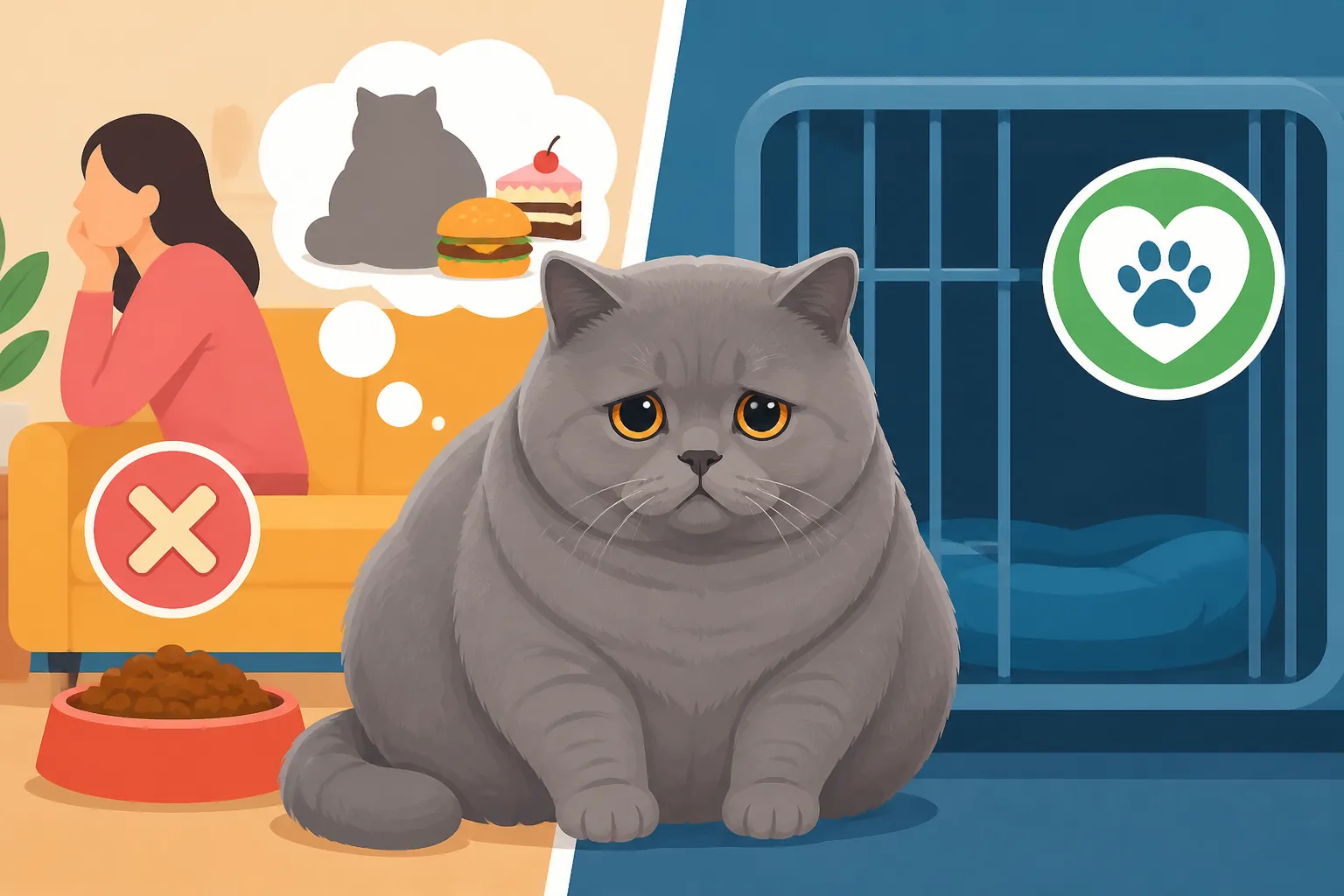
Many owners simply don't have the support systems or personal resources to cope with this level of intensive, long-term care. They might feel they've tried everything, or they simply cannot afford to continue. When faced with the choice between their cat's quality of life and their own financial or emotional breaking point, the difficult decision to surrender their British Shorthair to a rescue can feel like the only option. It’s a tragic outcome for both the cat and the owner, born from a gradual progression of preventable issues that snowballed into an unmanageable situation.
The Path to Rescue: When Owners Reach Their Limit
The decision to surrender a pet is rarely made lightly. For British Shorthair owners, it's often the culmination of years of struggle, guilt, and mounting pressures that they can no longer bear. The journey to rescue is paved with good intentions that simply ran out of road.
Unforeseen Expenses and Lifestyle Changes
Life throws curveballs, and sometimes these hit at the worst possible time when you're already stretched thin managing a high-needs pet. A job loss, a personal health crisis, or unexpected family expenses can instantly turn manageable pet care costs into an insurmountable burden. When faced with vet bills for a diabetic British Shorthair that run into hundreds or even thousands each month, and no financial buffer, owners are forced to confront an impossible situation. They might delay necessary vet care, leading to the cat's condition worsening, which only increases future costs and suffering. This cycle creates immense stress, and without the means to provide adequate care, rescue becomes the last resort. Fifteen Years of a British Shorthair, Priced Out outlines the lifetime financial commitment.
The Broken Bond and Exhaustion
When a cat's health issues lead to chronic pain, reduced interaction, and difficult behaviors like inappropriate urination, the once-strong bond between pet and owner can fray. The joy of companionship is replaced by stress, frustration, and worry. Owners may feel resentment, guilt, or simply profound exhaustion. They might mourn the healthy, playful cat they once knew, struggling to connect with the withdrawn, uncomfortable animal before them. The emotional toll of constantly managing illness, administering medication, and witnessing their cat's declining quality of life, despite their best efforts, can be too much to bear. When the emotional tank is empty, and the financial reserves are depleted, the hope of a rescue organization finding a new home with resources and patience can seem like the only compassionate choice left for their beloved British Shorthair.
A Plea for Prevention and Education
The unfortunate reality of overweight British Shorthairs ending up in rescue highlights a critical need for education and proactive management from day one. Breeders have a role to play in educating prospective owners about the breed's specific needs, including their propensity for weight gain and the importance of portion control. Veterinarians are crucial in regularly assessing body condition, initiating conversations about healthy weight early, and providing realistic diet plans.
Most importantly, owners need to understand that the "chunky" British Shorthair, while endearing in appearance, is an unhealthy one. Embracing their natural calm temperament doesn't mean ignoring their need for appropriate exercise and strict dietary management. By understanding the risks, committing to preventive care, and seeking help early, we can significantly reduce the number of these wonderful cats who, through no fault of their own, find themselves without a home. It's a long-term commitment that truly begins the moment they walk through your door as a kitten, ensuring they enjoy a full, healthy life for The Twelve to Seventeen Years a British Shorthair Gets.
Disclaimer
This article is for general informational purposes only and does not constitute professional advice. Laws, prices and regulations vary by location and change over time. Consult a qualified professional for guidance on your specific situation.