What Blood Typing a British Shorthair Costs
It’s a common scenario: you’re a loving British Shorthair parent, perhaps even a thoughtful breeder, and suddenly the topic of blood typing comes up. Whether it’s in preparation for breeding, a surprise emergency, or just as part of a comprehensive health check, the immediate thought is often, "What will this cost me?" It can feel like yet another unexpected expense in the already complex world of cat care. This guide is here to demystify the process and shed light on what factors influence the cost of blood typing your British Shorthair, ensuring you’re prepared and confident in providing the best care.
Why Blood Typing Your British Shorthair Matters (More Than You Think!)
For many cat owners, the idea of blood typing might seem like an obscure veterinary procedure, something reserved for very specific circumstances. However, for a British Shorthair, knowing your feline friend's blood type can be incredibly important, impacting everything from safe breeding practices to life-saving emergency care. It’s not just about a number; it’s about understanding a fundamental piece of your cat’s biological makeup that can have profound implications for their health and the health of future generations.
Understanding British Shorthair Blood Types
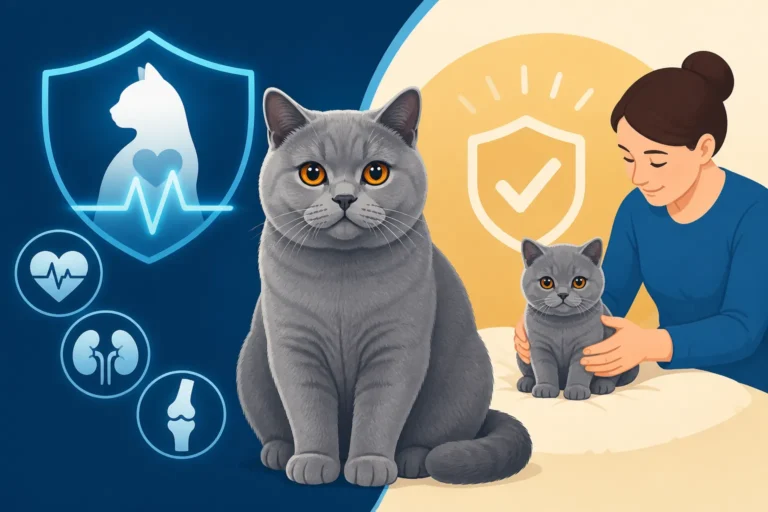
Just like humans, cats have different blood types, and for domestic cats, the most common blood group system is the AB system. This system identifies three primary blood types: Type A, Type B, and the rare Type AB. While Type A is the most prevalent in the general cat population, Type B is found more frequently in certain breeds, and our beloved British Shorthairs are one of them. This higher incidence of Type B in British Shorthairs makes blood typing a particularly pertinent discussion for anyone owning or breeding this wonderful breed. Knowing your British Shorthair's specific blood type is a critical piece of information, akin to knowing their birth date or their favorite sunny spot for a nap. It's a foundational detail that can inform many decisions down the line, whether routine or urgent.
The Hidden Dangers of Mismatched Breeding
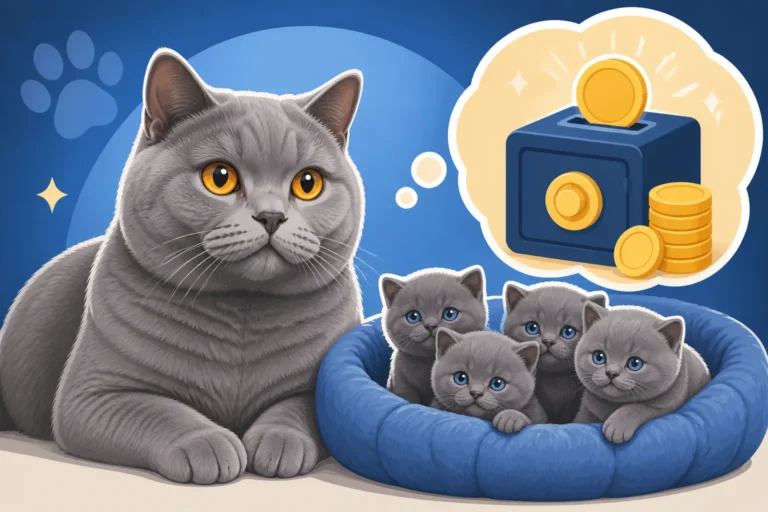
This is where blood typing truly becomes a non-negotiable for responsible British Shorthair breeders. The danger lies in a condition called Neonatal Isoerythrolysis (NI), often referred to as "fading kitten syndrome." This devastating condition occurs when a Type B queen (female cat) is bred to a Type A or Type AB tom (male cat). If the kittens inherit Type A blood from their father, they will be born healthy, but as soon as they nurse their mother's colostrum (the first milk), they ingest antibodies from the Type B mother that attack their Type A red blood cells. The results are heartbreaking, often leading to severe anemia, jaundice, and rapid fading within days of birth. The tragic part is that it's entirely preventable with proper blood typing before breeding. You can read more about Blood Type B and the British Shorthair Kittens It Kills to understand the full scope of this issue. For a breeder, this knowledge isn't just about saving a litter; it's about upholding the integrity and health of the breed, a fundamental aspect of What a British Shorthair Breeder Should Have Tested.
Blood Typing for Emergency Situations
Beyond breeding, knowing your British Shorthair's blood type can be absolutely vital in an emergency. Imagine a scenario where your cat is in an accident, suffers a severe illness, or undergoes a complex surgery that requires a blood transfusion. In such critical moments, time is of the essence, and waiting for blood typing results can significantly delay life-saving treatment. If a cat receives incompatible blood, it can lead to a severe and potentially fatal transfusion reaction. Having your cat’s blood type on record with your veterinarian, or even carrying a blood type certificate, eliminates this crucial waiting period, allowing your vet to proceed immediately with the correct, safe blood product. This preparedness can literally be the difference between life and death, providing immense peace of mind in stressful situations.
Different Methods for British Shorthair Blood Typing
When it comes to getting your British Shorthair’s blood type determined, you generally have a couple of primary options, each with its own methodology, turnaround time, and cost structure. Understanding these methods will help you decide which approach is best suited for your specific needs, whether you're a pet owner or a dedicated breeder looking for definitive results. Both methods rely on a blood sample, but how that sample is processed and what information is derived can differ significantly.
In-Clinic Card Agglutination Tests
The in-clinic card agglutination test is a common and convenient method often used by veterinarians for immediate results. This method involves a small blood sample from your cat being mixed with reagents on a special test card. The reagents contain antibodies that react with specific blood types. If agglutination (clumping of red blood cells) occurs, it indicates the presence of a particular blood type. The beauty of this test lies in its speed; results are usually available within minutes, allowing for quick decision-making, especially in emergency situations where a blood transfusion might be imminent.
While these tests are generally reliable for routine purposes and quick emergency screening, they are typically performed by veterinary staff, and like any manual test, human interpretation can play a minor role. They are fantastic for immediate needs, but some breeders prefer a more definitive, permanent record, especially for breeding decisions that have long-term implications. The cost for these quick tests is generally on the lower end compared to laboratory testing, making them an accessible option for pet owners who want to be prepared without a significant financial outlay.
Laboratory DNA Testing
For breeders, and indeed any owner seeking the most precise and definitive blood type information, laboratory DNA testing is often the preferred route. This method doesn't look directly at the red blood cells, but rather at the genetic markers that determine the cat's blood type. A small blood sample or even a buccal (cheek) swab is collected and sent to a specialized veterinary genetics laboratory. The lab then extracts DNA from the sample and analyzes it for the specific genes associated with Type A, Type B, or Type AB blood.
The advantages of DNA testing are numerous. Firstly, it provides an extremely accurate and unambiguous result. Secondly, because it's a DNA test, it identifies the genotype (the underlying genetic makeup) rather than just the phenotype (what's expressed). This means it can detect if a Type A cat is actually carrying the Type B gene, which is crucial for breeders to avoid accidentally producing kittens at risk of Neonatal Isoerythrolysis. Labs like those you might find listed on Chewy's informational pages, or specialized feline genetics labs, offer these services. The process takes a bit longer, typically a week or two for results, and generally comes with a higher cost than the in-clinic card tests. However, for the peace of mind and the definitive, lifelong record it provides, especially for breeding animals, many find it to be a worthwhile investment. You can verify Whether a British Shorthair Blood Type Test Uses DNA or a Card based on your specific needs and the lab's offerings.
What Influences the Cost of Blood Typing
The cost of blood typing your British Shorthair isn't a fixed price tag; it's a variable influenced by several factors, from where you live to the specific type of test you choose. Understanding these dynamics can help you anticipate expenses and make informed decisions without any nasty surprises. It's about getting the right test for your needs and recognizing the value it provides for your beloved cat's well-being.
Veterinary Clinic vs. Specialized Lab Pricing
One of the biggest factors in the cost equation is where you get the test done. If you opt for the quick in-clinic card agglutination test, you're primarily paying for the veterinarian's time, the test kit itself, and the convenience of immediate results. These are usually general practitioners, and their pricing structure reflects typical veterinary services. The costs can include the consultation fee, the materials for the test, and the staff's time for performing and interpreting it.
On the other hand, specialized genetics laboratories, often chosen for DNA blood typing, operate differently. They focus on high-volume genetic testing, utilizing specialized equipment and trained geneticists. While you might still incur a collection fee at your vet's office for drawing the blood or taking a cheek swab, the bulk of the cost will be the lab fee itself. These labs often charge more because they provide a highly accurate, permanent genetic record, which holds different value for breeders or those seeking definitive results. For example, some labs might offer a comprehensive feline health panel that includes blood typing alongside tests for conditions like Polycystic Kidney Disease Came Into the British Shorthair With the Persians or Hemophilia B in a British Shorthair, potentially offering a slight discount compared to ordering each test individually.
Geographical Location and Regional Variances
Just like with any service, the cost of veterinary care, including blood typing, can fluctuate significantly depending on your geographical location. A bustling metropolitan area with high overhead costs for clinics and labs will likely see higher prices than a rural town. Competition among veterinary practices in a given area can also influence pricing; more competition might lead to more competitive rates, while areas with fewer options could have higher standard fees. Even within the same state or region, prices can vary, making it wise to call a few different veterinary clinics or check with various online labs if you're looking to compare. It’s a common frustration that pet care costs aren't universal, but a little research can often go a long way in finding a reputable provider that fits your budget.
Packages and Additional Health Screenings
Sometimes, the "cost" of blood typing isn't just a standalone fee; it might be part of a larger package, particularly for breeding animals. Many responsible British Shorthair breeders undertake a comprehensive health screening regimen for their cats to ensure they are passing on the best genetics possible. This could include echocardiograms for HCM screening, DNA tests for various genetic conditions, and, of course, blood typing.
Labs and even some veterinary clinics might offer "breeder panels" or "comprehensive health packages" that include several important tests at a slightly reduced overall rate compared to ordering them individually. For instance, a breeder might want to know What a British Shorthair Breeder Should Have Tested, and blood typing could be a small component of a much larger, more expensive screening process that covers hereditary diseases. If you're a pet owner, your vet might suggest blood typing as part of a pre-anesthetic workup or a general senior pet health panel. Always ask your veterinarian if there are any bundled options or if blood typing can be integrated into other scheduled visits or health checks to potentially save a few dollars.
The Typical Cost Range for British Shorthair Blood Typing
So, let's get down to the nitty-gritty: what can you expect to pay? While I can't give you exact figures that will stay accurate forever (prices always change, right?), I can certainly give you a clear picture of the general cost ranges and what those numbers typically represent in terms of the service you're getting. Remember, these are estimates, and it's always best to get a direct quote from your chosen vet or laboratory.
Breaking Down the Costs for Card Tests
The in-clinic card agglutination test is generally the most economical option for blood typing your British Shorthair. Because these tests are performed rapidly in your vet's office, you're primarily paying for the materials, the quick analysis, and the convenience. Many vets will incorporate the cost of the test itself into a broader office visit or procedure. For instance, if your cat is already at the clinic for Whether a Pet British Shorthair Needs Blood Typing before a surgery, the additional cost for a card test might be relatively small.
Think of it as adding an immediate, vital piece of information to your cat's health profile without needing to send samples away. The cost is generally on the lower end, reflecting the immediate, point-of-care nature of the test. It's excellent for emergencies or for pet owners who simply want to know their cat's blood type without investing in a full genetic panel. The advantage here is not just the lower price point, but the immediate results, which can be invaluable when time is of the essence.
Understanding Lab DNA Test Expenses
When you opt for a laboratory DNA test, you're usually looking at a more significant investment. This is because the process is more complex, involving specialized genetic analysis equipment, highly trained technicians, and the generation of a definitive genetic report. The cost typically covers the laboratory's processing fees, the DNA extraction, and the expert analysis of the genetic markers. If your vet collects the sample, there might be an additional fee from them for the collection kit and their time.
Labs that offer these services often cater to breeders who need precise, verifiable results for their breeding programs, which often includes a suite of tests like Whether a DNA Test for British Shorthair Hemophilia Exists or a specific The Yearly Echo That Replaces a British Shorthair Gene Test. The price reflects the depth of information and the genetic certainty provided. While the initial outlay is higher, the results are considered lifelong and often come with certificates that can be useful for breeder records or even for Whether a British Shorthair Breeder Shows Echo Results. When considering What the British Shorthair PKD and Hemophilia Tests Cost, you'll find that DNA blood typing aligns with the cost structure of other genetic health screenings. This is an investment in comprehensive knowledge that can prevent future heartaches and expenses, especially related to conditions like What Neonatal Isoerythrolysis Does to a British Shorthair Kitten.
How to Budget for Blood Typing
Budgeting for blood typing, like any aspect of pet care, is about foresight and prioritization. It’s a smart addition to your overall pet care budget, which should already account for things like routine vet visits, food, and emergency funds. If you're considering adopting a British Shorthair, or already have one, factoring in What the First Year With a British Shorthair Costs or even Fifteen Years of a British Shorthair, Priced Out should include these crucial health screenings.
For those unexpected emergencies, pet insurance can be a real lifesaver. Providers like Healthy Paws often cover diagnostic tests and emergency care, so if blood typing becomes necessary due to an unforeseen medical issue requiring a transfusion, your policy could help offset a significant portion of the cost. Always check your specific plan details to understand what’s covered. For planned blood typing, especially for breeding purposes, setting aside dedicated savings each month ensures you're ready when the time comes. Don't forget to ask your vet about potential payment plans or if they offer any discounts for multiple tests if you're looking into a broader health panel. Planning ahead can turn a potentially daunting expense into a manageable part of your responsible pet ownership journey.
Why It's Worth Every Penny: Long-Term Value and Peace of Mind
At first glance, the cost of blood typing your British Shorthair might seem like just another line item on a growing list of pet expenses. However, when you look beyond the immediate dollar amount, the long-term value, peace of mind, and potential to prevent future heartbreak and even greater costs truly make it an invaluable investment. It’s not just about a test; it’s about responsible ownership and ensuring the best possible life for your furry companion.
Preventing Devastating Health Issues
The most compelling reason to blood type your British Shorthair, particularly if they are a breeding animal, is to prevent the utterly devastating consequences of Neonatal Isoerythrolysis (NI). Imagine the joy of a new litter, only to watch kittens inexplicably fade away within days. This is the reality of NI, and it's a tragedy that can be entirely avoided with prior blood typing of the queen and tom. By knowing the blood types, breeders can make informed decisions, ensuring compatible pairings and preventing the formation of those deadly antibodies in the mother's colostrum. This proactive step saves lives and prevents immense suffering for both the kittens and the distressed queen and breeder. For more on this critical topic, exploring Which British Shorthair Pairing Causes Neonatal Isoerythrolysis can provide further clarity on how to safeguard future litters. It's a testament to the fact that sometimes, prevention is not only better than cure but also far less costly in the long run, both emotionally and financially.
Informed Breeding Decisions and Responsible Ownership
For anyone involved in breeding British Shorthairs, blood typing isn't just recommended; it's a cornerstone of ethical and responsible practice. Knowing the blood type of your breeding cats, especially for the Type B prevalence in British Shorthairs, empowers you to make educated choices that prioritize the health and welfare of every kitten. This proactive approach helps to ensure that you are contributing to the betterment of the breed, reducing the incidence of preventable genetic issues. This level of diligence speaks volumes about a breeder's commitment and gives potential buyers confidence in the health of their future companion. Even for pet owners, having this knowledge is part of a complete health profile. It means you are fully informed, ready for any eventuality, and have taken all reasonable steps to understand your cat's unique biological needs, which is a key part of Whether a British Shorthair Is a Healthy Breed overall.
Emergency Preparedness and Future Planning
Life is unpredictable, and emergencies can strike without warning. In a critical situation where your British Shorthair might need a blood transfusion, knowing their blood type immediately can shave off precious, life-saving minutes. It eliminates the delay of needing to type them during an emergency, allowing your veterinary team to act swiftly and confidently. This preparedness isn't just theoretical; it's a practical safeguard that can make all the difference when every second counts. Furthermore, having your cat's blood type recorded contributes to a comprehensive health history, aiding future veterinary care and planning. It’s one less unknown in a medical crisis, providing unparalleled peace of mind that you've done everything possible to equip your cat and your vet for any challenge. Ensuring your British Shorthair has a full health panel, including blood typing, is a fundamental aspect of Caring for a British Shorthair Past Ten and throughout their entire lifespan.
British Shorthair Blood Typing Methods Comparison
Here's a quick look at the two main blood typing methods to help you understand their differences at a glance:
| Feature | In-Clinic Card Agglutination Test | Laboratory DNA Test |
|---|---|---|
| Method | Direct reaction of blood cells with reagents | Analysis of genetic markers in DNA |
| Sample Required | Small blood sample | Blood sample or buccal (cheek) swab |
| Turnaround Time | Minutes (immediate results) | Typically 1-2 weeks |
| Cost (Relative) | Generally lower | Generally higher |
| Accuracy/Definitiveness | Good for immediate results, phenotypic | Extremely high, genotypic, identifies carriers |
| Ideal For | Emergency transfusions, quick screening | Breeding programs, definitive genetic record |
| Detects Carrier State | No (only expressed blood type) | Yes (identifies if a Type A cat carries the B gene) |
| Permanent Record | No (result recorded by vet) | Yes (lab certificate, lifelong genetic information) |
Disclaimer
This article is for general informational purposes only and does not constitute professional advice. Laws, prices and regulations vary by location and change over time. Consult a qualified professional for guidance on your specific situation.