What a British Shorthair Costs to Buy in 2026
Bringing a British Shorthair into your life is an incredibly exciting prospect, but it’s also a significant financial decision that many prospective owners grapple with. The sticker shock of that initial purchase price can be daunting, and it often leads to a lot of confusion about what's "normal" or "fair." This guide is here to unravel the complexities of what a British Shorthair really costs to acquire, moving beyond just the initial transaction to look at the crucial, often overlooked expenses that ensure your new family member gets the best possible start. We'll explore why those price tags are what they are, what initial supplies you'll need, and the early veterinary care that is absolutely non-negotiable for a healthy British Shorthair kitten.
Understanding the Initial Purchase Price of a British Shorthair
When you first start looking for a British Shorthair kitten, the range of prices you encounter can be truly staggering. One breeder might quote a figure that makes your jaw drop, while another seems almost too good to be true. This isn't just random; there's a real method to the madness, and understanding it is key to making an informed decision that prioritizes your kitten's health and your peace of mind.
The Baseline for a Well-Bred Kitten
Let's talk about that initial sticker price. For a healthy, well-socialized British Shorthair kitten from a truly reputable breeder, you can expect the cost to reflect the immense investment the breeder has made. This isn't just about the kitten itself; it's about generations of careful planning, health testing, and dedicated care. These aren't impulse purchases; they are thoughtful additions to your family, and the price acknowledges the effort to produce a robust, typical example of the breed.
A responsible breeder isn't just selling a cat; they're selling the culmination of years of experience, genetic knowledge, and a commitment to the breed's welfare. This means investing in top-quality breeding cats, providing them with excellent nutrition and veterinary care, and ensuring their living conditions are pristine. When you see a price that seems high, remember it often covers these unseen but vital costs. Think of it as paying for a meticulously crafted product rather than a mass-produced item. This upfront cost can feel like a lot, but it’s often an investment in avoiding far larger expenses down the line, both financially and emotionally, due to unforeseen health issues.
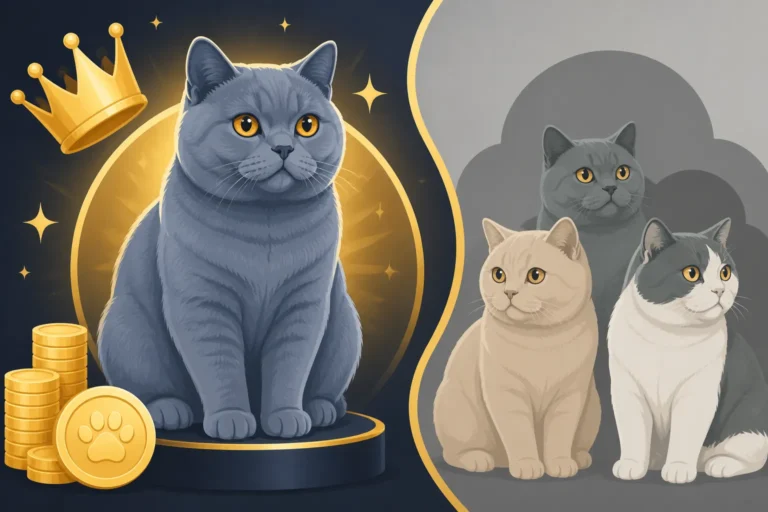
Moreover, reputable breeders often have waiting lists, especially for specific colors like the classic blue. This demand also plays a role in pricing, as does the scarcity of truly healthy, well-socialized kittens. It’s not about exclusivity for its own sake, but about matching wonderful kittens with equally wonderful homes that appreciate the dedication that went into their upbringing. This means you might need to exercise some patience, but that wait usually means you're getting a kitten that has been thoroughly prepared for its new life.
Why British Shorthair Prices Range So Widely
The market for British Shorthair cats isn't monolithic, and prices can fluctuate wildly based on numerous factors. It’s not uncommon to see prices vary significantly even within the same geographic region, let alone across different states or countries. This can be incredibly confusing for prospective buyers who are just trying to understand what's a reasonable price for their dream cat.
One major factor is geographic location. Breeders in areas with a higher cost of living, or where the demand for British Shorthairs is particularly high, will naturally have higher operating costs, which are reflected in their kitten prices. Conversely, in areas with lower demand or fewer breeders, prices might be slightly lower. It's a simple economic principle, but it's important to be aware of how your location can influence the price you're quoted.
Another significant differentiator is the breeder's reputation and the lineage of their cats. Breeders who consistently produce cats that excel in the show ring, or who have long-standing, impeccable health records, will understandably command higher prices. Their cats often have pedigrees filled with champion titles, indicating adherence to breed standards and robust health lines. This isn't just about bragging rights; it's a testament to their dedication and success in breeding truly exceptional British Shorthairs. The cost isn't just for the kitten; it's for the heritage and the assurance of quality that comes with it.
The Difference Between Pet and Show Quality Pricing
When you're speaking with a reputable breeder, you'll likely hear terms like "pet quality" and "show quality." Don't let this confuse you; it doesn't mean a "pet quality" kitten is somehow inferior or less loved. It simply means that while the kitten is a fantastic, healthy, and typical example of the breed, it might have a very minor characteristic that, while not affecting its health or wonderful personality, would prevent it from winning top awards in a cat show. These might be things like an ear set that's slightly off, a coat texture that isn't quite perfect, or a slight deviation from the ideal head shape.
A "show quality" kitten, on the other hand, is considered to conform very closely to the breed standard and has the potential to do well in competitions. These kittens often command a higher price because they represent the breeder's best efforts to advance the breed and maintain its integrity. They might also be sold with different contractual obligations, especially if the buyer intends to show or breed the cat. You'll find a deeper dive into this topic in our article, What a Show Quality British Shorthair Costs.
For most families seeking a companion animal, a "pet quality" kitten is absolutely perfect. It will still have the classic British Shorthair temperament, the dense plush coat, and the round, appealing face that everyone loves. The key takeaway here is that both types of kittens receive the same exceptional care, health screenings, and socialization. The price difference reflects potential in the show ring, not a difference in inherent value as a beloved family member. Importantly, pet-quality kittens are almost always sold with a strict spay/neuter contract, ensuring they won't be used for breeding and contributing to responsible pet ownership.
The True Value Behind a Breeder's Price Tag
It’s easy to look at a breeder's price and think it's just about profit, but the reality for reputable British Shorthair breeders is far from it. The price reflects a deep commitment to the breed's health, welfare, and preservation. They pour countless hours, significant financial resources, and emotional energy into every single cat and kitten they bring into the world. Understanding these underlying investments can help you appreciate the true value you’re getting when you choose an ethical breeder.
Investments in Health and Genetics
Perhaps the most critical, yet often unseen, investment a good British Shorthair breeder makes is in comprehensive health and genetic testing. This isn't a one-time thing; it's an ongoing commitment that spans generations. They screen their breeding cats for a host of genetic conditions to ensure they are not passing on hereditary diseases to their kittens. This foresight protects the breed as a whole and safeguards the health of individual kittens.
Key tests for British Shorthairs include screening for Hypertrophic Cardiomyopathy (HCM), a serious heart condition. Since there's no DNA test for HCM in British Shorthairs, breeders rely on regular echocardiograms performed by a veterinary cardiologist. This means the breeding cats are scanned yearly to monitor their heart health. Our article, The Yearly Echo That Replaces a British Shorthair Gene Test, delves deeper into this essential screening. Another crucial test is for Polycystic Kidney Disease (PKD), which, unfortunately, entered the British Shorthair gene pool through early outcrosses with Persians. Reputable breeders ensure their cats are DNA tested clear for PKD. You can learn more about its history in the breed in Polycystic Kidney Disease Came Into the British Shorthair With the Persians. Blood typing is also essential, especially for breeding queens, to prevent neonatal isoerythrolysis in kittens. These are not cheap tests, and they are performed diligently before any breeding takes place, year after year. This dedication is a primary reason why What a British Shorthair Breeder Should Have Tested is such a critical guide for any potential buyer.
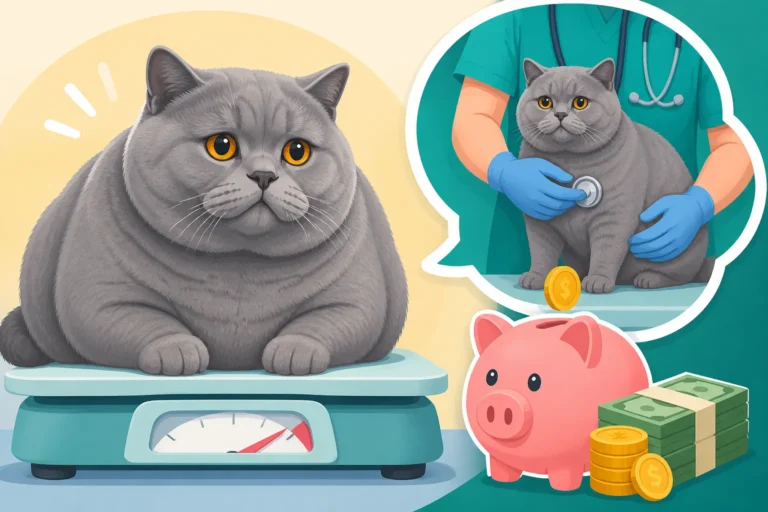
These health checks are foundational. Without them, you run the risk of purchasing a kitten that looks healthy but carries hidden genetic time bombs. The initial "savings" on a cheaper kitten can quickly be overshadowed by thousands of dollars in veterinary bills for chronic or debilitating conditions that could have been avoided with proper screening. A breeder's price reflects their commitment to selling you a kitten with the best possible chance at a long, healthy life, minimizing heartbreak and financial strain for you in the future.
Care for the Breeding Cats and Kittens
Beyond genetic testing, the day-to-day care of a breeding cattery and its kittens is incredibly demanding. The welfare of the breeding queens and studs is paramount. This involves providing them with a high-quality, nutritious diet formulated for breeding animals, routine veterinary check-ups, and a safe, stimulating environment. Before, during, and after pregnancy, the queen receives intensive care, including specialized nutrition and prenatal vet visits to ensure both her health and the healthy development of her kittens.
Once the kittens arrive, the work truly intensifies. They require round-the-clock supervision, especially in the first few weeks. This includes regular weigh-ins, monitoring their feeding, and ensuring they stay warm and safe. As they grow, they need meticulous attention to their hygiene, transitioning to solid food, and beginning their socialization journey. The breeder spends countless hours interacting with the kittens, handling them, exposing them to different sounds and textures, and teaching them appropriate play. This early socialization is vital for developing well-adjusted, confident adult cats. This hands-on, intensive care ensures that by the time a kitten goes home, it’s not only physically healthy but also emotionally prepared for life with its new family.
Ethical Breeding Practices and Cattery Expenses
Running an ethical British Shorthair cattery involves far more than just caring for individual cats and kittens; it's a comprehensive operation with significant overheads. There are registration fees with cat associations, stud fees (if applicable), and often expenses related to showing cats to prove their quality against the breed standard. Many breeders attend workshops and educational seminars to stay updated on the latest in feline health, genetics, and breeding practices. This commitment to continuous learning directly benefits the quality of the kittens they produce.
Moreover, maintaining a clean, safe, and enriching environment for all the cats is a constant endeavor. This includes heating and cooling costs, ample space for the cats to play and relax, high-quality litter, and an endless supply of cleaning products to maintain impeccable hygiene standards. These facilities aren't just kennels; they are homes where cats are treated as family, and the expenses reflect that level of care and dedication. All these components contribute to the overall cost of a kitten, making it clear that the price you pay isn't just for a cat, but for the entire infrastructure and ethical framework that supports its healthy upbringing.
Decoding the Price Differences: What Drives the Cost Variation?
The price of a British Shorthair kitten isn't a fixed figure; it's a dynamic equation influenced by a multitude of factors, some obvious, others less so. Understanding these variables can help you make sense of why some kittens command higher prices than others and what you might be paying for beyond the basic fluffy feline.
Color, Pattern, and Eye Color Premiums
It’s no secret that the classic "British Blue" is what most people picture when they think of a British Shorthair. This iconic solid blue coat with striking copper eyes has historically been, and often still is, one of the most sought-after and, consequently, pricier varieties. This premium for the blue color is rooted in its popularity and the historical emphasis on this specific hue within the breed's development. Our article, Why the Blue British Shorthair Commands a Premium, explores this phenomenon in more detail.
However, British Shorthairs come in an astonishing array of colors and patterns beyond just blue. You'll find them in lilac, chocolate, cream, white, black, and various tortie patterns. There are also stunning tabbies (classic, mackerel, spotted), silver shaded, and even colorpoints with Siamese-like markings. Some of these rarer or newer colors, like golden or cinnamon, can also command higher prices simply because they are less common or more difficult to produce consistently within a breeding program. The demand for a unique or particular look often translates into a higher price tag. If you're curious about the different options, our guide Which British Shorthair Colors Cost the Most breaks down the various shades and their typical impact on pricing. Eye color can also play a subtle role, particularly the deep copper eyes desired in solid colors, or green eyes in silver shaded varieties, further influencing a kitten’s perceived value and price.
Geographic Location and Breeder Reputation
Just like real estate, the location where you buy your British Shorthair can significantly impact the price. Breeders operating in metropolitan areas or regions with a higher cost of living generally have higher overheads for everything from vet care to food to facility upkeep. These costs are naturally factored into the price of their kittens. Conversely, a breeder in a more rural area might have slightly lower operating costs, which could lead to a marginally lower price, though this isn't always the case.
Even more impactful than geography is the breeder's reputation and the esteem they hold within the British Shorthair community. A breeder known for consistently producing healthy, well-tempered, and type-perfect cats, often with multiple champion titles in their lineage, will naturally have higher prices. These breeders have invested years, if not decades, into refining their lines, selecting for desirable traits, and rigorously testing for health. Their prices reflect this long-term commitment to excellence and the assurance that comes with their established name. Many buyers are willing to pay a premium for the peace of mind and quality assurance that a highly respected breeder offers.
Age of the Cat
While most people envision bringing home a fluffy little kitten, the age of the cat you acquire can also have a notable impact on the purchase price. Kittens, particularly those between 12 and 16 weeks old, are almost always the most expensive. This is the prime age for adoption, as they've had ample time with their mother and littermates for crucial socialization, received their initial vaccinations, and are robust enough for the transition to a new home. The breeder's investment in their early care, including food, vaccines, and socialization, is at its peak during this period.
However, adopting an adult British Shorthair can be a wonderful, and often more affordable, option. Breeders sometimes retire their breeding cats (queens or studs) after a few litters, offering them to pet homes. These adults are typically already spayed/neutered, fully vaccinated, and have established personalities. Their price is usually significantly lower than a kitten's, as the breeder is primarily seeking a loving retirement home rather than recouping initial breeding costs. Similarly, British Shorthair rescues will often have adult cats available. Our guide, What Adopting an Adult British Shorthair Costs, offers a comprehensive look at this often-overlooked path to British Shorthair ownership. While an older cat might not offer the "kitten experience," they can be incredibly rewarding, often settling into a new home with fewer of the training challenges a young kitten might present, and their personalities are already well-defined.
Beyond the Kitten: Initial Setup Costs for Your British Shorthair
Once you’ve budgeted for the initial purchase of your British Shorthair kitten, don't forget that the journey is just beginning! Bringing a new cat home means providing them with a safe, comfortable, and stimulating environment, and that requires some upfront investment in supplies. Skipping these essentials can lead to stress for both you and your new feline friend.
Essential Supplies for a New Home
Your new British Shorthair will need some basics right from the start to feel secure and happy in its new environment. First and foremost, a generous litter box is non-negotiable. British Shorthairs are stocky, cobby cats that grow quite large, so a small, standard litter box simply won't cut it. You'll need a large, easily accessible box to ensure they have enough space to comfortably do their business, which can prevent behavioral issues later on. Our guide, What a Wide Litter Box Costs a British Shorthair Owner, provides excellent insights into selecting the right size. Along with the box, you’ll need a good quality litter. Many owners find a clumping, unscented clay litter to be effective, but there are also eco-friendly options like pine or corn litter.
Food and water bowls are another essential. Stainless steel or ceramic bowls are often recommended as they are easy to clean and don't harbor bacteria like some plastic bowls can. For food, be sure to ask your breeder what brand and type of food your kitten has been eating, and stick to that initially to avoid digestive upset. You can gradually transition to your preferred high-quality food, perhaps exploring options on sites like Chewy that offer a wide range of brands and formulations to suit a British Shorthair's specific needs, like weight management or sensitive stomachs.
Finally, scratching posts and cat trees are vital for a British Shorthair's well-being and for protecting your furniture. These cats, despite their calm demeanor, have a natural instinct to scratch. Invest in sturdy, tall scratching posts wrapped in sisal or cardboard. Given their weight and solid build, a robust, stable cat tree or climbing structure is also important, ensuring it won't wobble or tip when your British Shorthair decides to explore new heights. While they might not be the most agile climbers, they do enjoy having elevated spots to observe their surroundings.
Carrier, Grooming Tools, and Toys
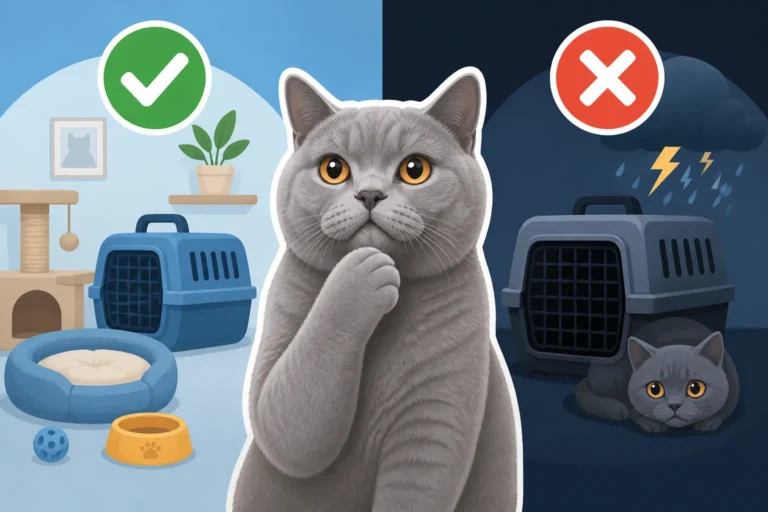
Beyond the everyday essentials, you’ll need a few other items to ensure your British Shorthair is comfortable and well-cared for. A secure and comfortable carrier is absolutely essential from day one. You'll need it for the initial trip home, subsequent vet visits, and any future travel. Choose one that's well-ventilated, easy to clean, and large enough for your adult British Shorthair to stand up and turn around in comfortably. A top-loading carrier can often make vet visits a lot less stressful, as it's easier to get a reluctant cat in and out.
Grooming tools are another must-have, even for a shorthaired cat. While British Shorthairs don't require daily grooming, their dense, plush double coat benefits greatly from regular combing to prevent mats, reduce shedding, and minimize hairballs. A sturdy metal comb with both wide and narrow teeth is often the most effective tool. Avoid slicker brushes, which can damage their unique coat. Our article, Which Comb a British Shorthair Needs, offers great advice on selecting the right tools.
Lastly, don't forget about toys! Even a calm British Shorthair needs mental and physical stimulation. While they might not be as overtly playful as some breeds, they enjoy interactive play sessions. Look for wand toys with feathers, soft balls they can bat around, or puzzle feeders that dispense treats to keep their minds engaged. You might find that simpler toys capture their attention more than elaborate ones. Our guide on Which Toys a British Shorthair Will Actually Chase offers some excellent suggestions that even the most laid-back British Shorthair might enjoy. These toys are not just for fun; they're crucial for providing enrichment and encouraging activity, which is especially important for a breed prone to being a little on the lazy side.
The Long-Term Financial Commitment: Early Health Screening & Vaccinations
The initial purchase price and setup costs are just the beginning of your financial journey with a British Shorthair. A responsible owner understands that ongoing veterinary care, especially in those crucial first months, is a significant part of the overall cost and an investment in your cat's lifelong health and happiness.
First Veterinary Visits and Vaccinations
Even if your British Shorthair kitten comes from an impeccable breeder who has done all their homework, your first stop after bringing your new furball home should be a visit to your own veterinarian. This initial check-up, typically scheduled within a few days of arrival, is paramount. It allows your vet to assess your kitten's overall health, check for any common issues like parasites, and confirm that your new family member is thriving. This visit often includes a fecal test for worms and a basic physical examination.
During these early visits, your kitten will also receive its core vaccinations. These typically include a series of FVRCP (Feline Viral Rhinotracheitis, Calicivirus, and Panleukopenia) vaccinations, usually given in a series of boosters a few weeks apart. Depending on your local regulations and your cat's lifestyle (even indoor cats can be at risk), a rabies vaccination will also be administered. These vaccinations are critical for protecting your kitten from common and potentially life-threatening diseases. You can find more detailed information on what to expect in our article, What a British Shorthair Kitten's Vaccination Course Costs. Establishing a good relationship with a trusted veterinary practice early on is invaluable, as they will be your partner in keeping your British Shorthair healthy for years to come.
Spay/Neuter Surgery
Unless you've purchased a show or breeding quality cat with specific intentions (and a robust understanding of ethical breeding practices), your British Shorthair kitten will need to be spayed or neutered. This routine surgical procedure is not just about population control; it offers significant health and behavioral benefits for your cat. For females, spaying eliminates the risk of uterine infections (pyometra) and greatly reduces the risk of mammary cancer. For males, neutering reduces the risk of testicular cancer and can mitigate undesirable behaviors such as spraying, roaming, and aggression.
The timing of this surgery can vary, but it's typically performed when the kitten is around 5 to 6 months old. Some breeders may even have their kittens spayed or neutered before they go to their new homes, which is a growing practice. The cost of spay/neuter surgery can vary widely depending on your location, the veterinary clinic, and whether it's a male or female cat (female spays are generally more involved and thus more expensive). While it's a significant expense, it's a one-time cost that contributes greatly to your cat's long-term health and your household's harmony. Our guide, Whether a British Shorthair Kitten Comes Neutered, provides additional context on this topic and what to expect from breeders.
Initial Health Screenings Post-Purchase
Even with the best breeder health screenings, some owners choose to conduct additional screenings or confirm results once their kitten is home and settled with their own vet. This is particularly true for conditions like Hypertrophic Cardiomyopathy (HCM), where regular echocardiograms are the gold standard for monitoring. While a reputable breeder will provide clear echo results for parent cats, some owners might opt for their own baseline scan when their British Shorthair reaches the appropriate age.
British Shorthairs are typically recommended to have their first heart screening around one year of age, though the timing can vary. Our article, The Age a British Shorthair Should Start Screening, provides specific guidance on this. The cost of an echocardiogram performed by a veterinary cardiologist is a significant expense, but it provides crucial information about your cat's heart health. Similarly, if there were any ambiguities with previous PKD testing or if an adult cat is adopted with an unknown history, a follow-up DNA test or kidney ultrasound might be recommended. These early post-purchase screenings, while optional if the breeder has been diligent, can offer immense peace of mind and help detect potential issues early, allowing for better management. You can learn more about this initial heart check in What a British Shorthair's First Echo Costs.
Navigating the World of Adoption and Rescue
While many dream of a British Shorthair kitten from a reputable breeder, it's not the only path to bringing one of these wonderful cats into your home. Adoption and rescue organizations offer a rewarding alternative, often for adult British Shorthairs, providing a second chance for cats who need loving families.
The Realities of Rescue British Shorthairs
It might surprise you to learn that purebred British Shorthairs do, unfortunately, end up in rescue. Life circumstances change for their owners—relocations, allergies, financial difficulties, or even owner passing away—leading to beloved pets needing new homes. While less common than mixed-breed cats, British Shorthair-specific rescues exist, as do general cat rescues and shelters that occasionally take in purebreds.
When you adopt a British Shorthair from a rescue, you're usually looking at an adult cat, sometimes a senior. These cats often come with known histories, which can be a huge advantage. You might already know their temperament, whether they get along with children or other pets, and some aspects of their health background. This eliminates some of the unknowns that come with a tiny kitten. While you might not get the "kitten experience," you gain the stability of an established personality. Our guide, Adopting a British Shorthair From Rescue, explores this option in depth, highlighting the joys and considerations of welcoming an adult cat into your home. It’s a truly selfless act to adopt, offering a lifeline to a deserving cat.
Adoption Fees and What They Cover
Unlike purchasing from a breeder, where the price covers breeding costs and investments, adoption fees are designed to recoup the expenses incurred by the rescue in caring for the cat. These fees are typically much lower than breeder prices and can vary depending on the rescue organization, the age of the cat, and the extent of vetting they've received.
What do these adoption fees usually cover? A significant portion goes towards essential veterinary care. This almost always includes spay or neuter surgery (if not already done), a full course of vaccinations, deworming, flea and tick prevention, and microchipping. Many rescues also perform a thorough health check, blood tests, and sometimes even dental work if needed. Essentially, the adoption fee ensures that the cat you're bringing home is healthy, up-to-date on its medical care, and ready to transition into a new life. Our article, What an Unscreened Rescue British Shorthair Costs, reminds us that if a rescue cat hasn't had all these checks, you'll need to budget for them yourself, so understanding what's included in the fee is critical.
Benefits and Considerations of Adopting
Adopting a British Shorthair from a rescue offers a myriad of benefits. First and foremost, you're providing a loving home to a cat that desperately needs one, giving it a second chance at happiness. This is an incredibly rewarding experience that resonates deeply with many pet owners. Financially, the upfront cost is almost always lower than buying a kitten from a breeder, making purebred ownership more accessible to a wider range of budgets.
Furthermore, adult cats often come with a pre-established personality. What you see is usually what you get. You'll have a better idea of whether the cat is quiet or playful, cuddly or independent, and how it interacts with people and other animals. This can be particularly appealing if you have specific household dynamics to consider, such as young children or existing pets. While rescue cats sometimes come with baggage or past traumas, dedicated rescue organizations work hard to understand each cat's temperament and needs, helping to match them with the right family. However, regardless of the adoption fee, remember that ongoing vet care, quality food, and a loving environment will always be necessary for the cat's well-being.
The Hidden Costs: What a Cheap British Shorthair Can Really Mean
It's tempting to seek out a "bargain" when purchasing a British Shorthair, especially given the typically higher prices from reputable breeders. However, when the price seems too good to be true, it almost always is. Opting for a significantly cheaper kitten often means sacrificing crucial health assurances and ethical breeding practices, leading to hidden costs that can far outweigh any initial savings.
The Pitfalls of Unscrupulous Breeders
A British Shorthair offered at a suspiciously low price is a major red flag that you might be dealing with an unscrupulous breeder, often referred to as a "backyard breeder" or, worse, a "kitten mill." These individuals prioritize profit over the welfare of their animals and the integrity of the breed. They typically cut corners on essential health screenings, genetic testing, and proper veterinary care for their breeding cats and kittens. Our article, Why a British Shorthair Under a Thousand Is a Warning, emphasizes these dangers.
These breeders often lack knowledge about feline genetics, breed standards, and proper socialization techniques. Their breeding cats might be housed in overcrowded or unsanitary conditions, leading to stress and the easy spread of infectious diseases. Kittens from such environments often miss out on vital early socialization, which can lead to behavioral problems like fear, aggression, or litter box issues down the line. They might not be weaned properly or receive their first vaccinations, setting them up for a lifetime of health challenges. The immediate "savings" on the purchase price evaporate quickly when faced with the consequences of these negligent practices.
Future Vet Bills from Neglected Health
The most significant and heartbreaking hidden cost of a cheap British Shorthair is the inevitable accumulation of veterinary bills for preventable illnesses. Kittens from irresponsible breeders are far more likely to suffer from genetic diseases that were never screened for in the parent cats, such as HCM or PKD. Imagine bringing home a kitten, only to discover a year or two later that it has a serious, incurable heart condition requiring lifelong medication, constant monitoring, and potentially expensive emergency care.
Beyond genetic issues, these kittens are also more prone to common ailments like parasites (worms, fleas), upper respiratory infections, ear mites, or chronic digestive problems due to poor nutrition or unsanitary conditions during their early weeks. Treating these issues can be costly, involving multiple vet visits, diagnostic tests, medications, and specialized diets. What initially seemed like a fantastic deal can quickly turn into thousands of dollars in medical expenses, far exceeding what you might have paid for a responsibly bred kitten. This is where comprehensive pet insurance like Healthy Paws can truly become a lifesaver, but prevention through choosing a reputable breeder is always the first and best line of defense.
The Emotional Toll
Beyond the financial implications, the emotional toll of dealing with a chronically sick or behaviorally challenged pet is immense. Falling in love with a kitten and then watching it suffer, or struggling with behavioral issues that stem from a poor start in life, can be absolutely heartbreaking. The bond you form with your British Shorthair is deep, and the stress of managing ongoing health problems or behavioral quirks, coupled with the guilt of perhaps unknowingly supporting an unethical breeder, can be incredibly difficult to bear.
Choosing a responsibly bred British Shorthair is an investment in a healthy, happy companion who is more likely to live a full, joyful life. While the upfront cost may seem high, it’s a direct reflection of the breeder's dedication to minimizing future heartache and maximizing your cat's well-being. Ultimately, the cheapest kitten can very quickly become the most expensive, both in your wallet and in your heart. It’s a decision that echoes throughout the entire lifespan of your cherished British Shorthair, impacting not just your finances, but your family's emotional landscape for years to come.
Disclaimer
This article is for general informational purposes only and does not constitute professional advice. Laws, prices and regulations vary by location and change over time. Consult a qualified professional for guidance on your specific situation.