What a British Shorthair’s Yearly Bloodwork Should Cover
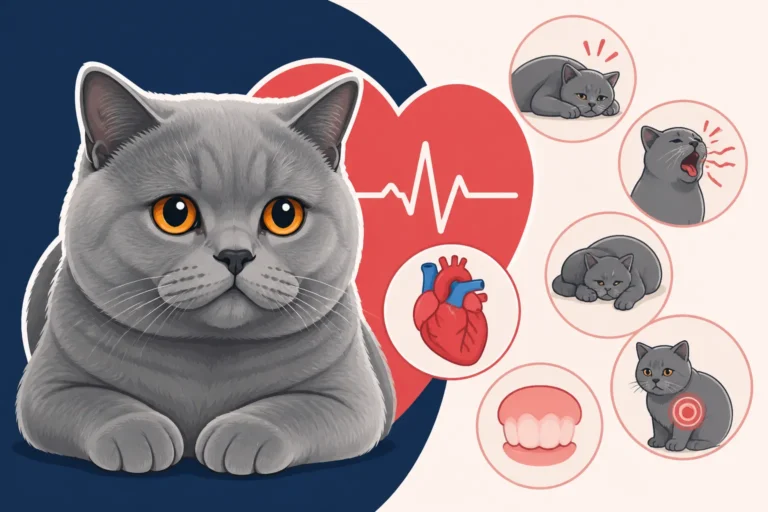
It’s a scenario many British Shorthair parents know all too well: the yearly vet visit. Your beloved chunky furball seems perfectly content, purring away, and then your vet suggests bloodwork. You might wonder, "Is this really necessary every single year, especially when they appear fine?" The truth is, our stoic British Shorthairs are masters at hiding discomfort and illness, which makes routine diagnostics, especially bloodwork, incredibly vital for catching potential health issues early. This guide aims to demystify what that annual blood panel for your British Shorthair should cover and why each test plays a crucial role in their long-term health.
Why Annual Bloodwork is Non-Negotiable for Your British Shorthair's Health
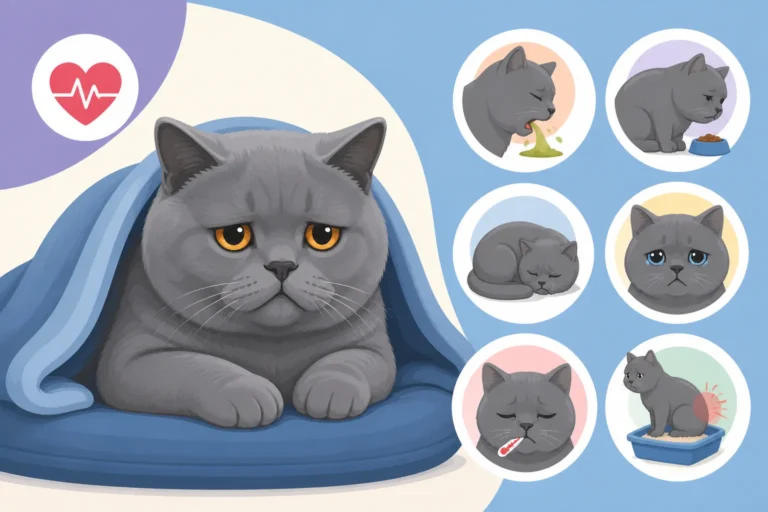
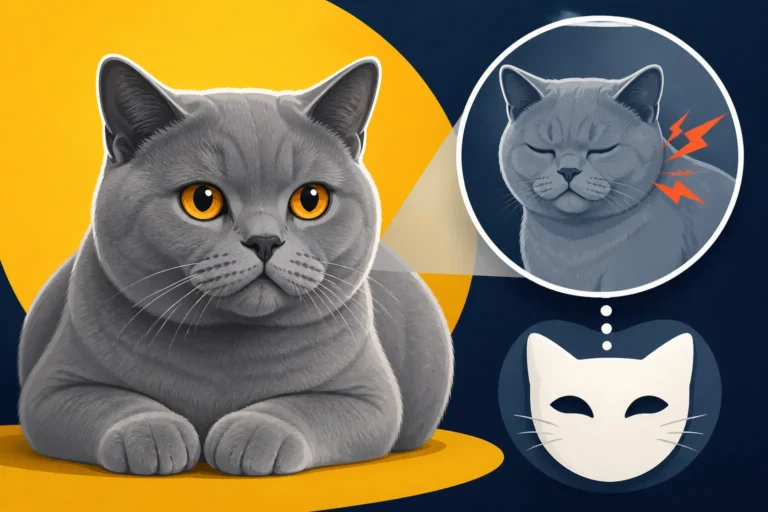
It's tempting to think that if your British Shorthair isn't showing obvious signs of sickness – no vomiting, no sudden weight loss, no changes in bathroom habits – then they must be perfectly healthy. However, this couldn't be further from the truth, especially for a breed known for its calm demeanor and tendency to internalize discomfort. Our British Shorthairs are incredibly good at masking pain and illness, a trait rooted in their instinct to avoid appearing vulnerable to predators. This means that by the time you do notice symptoms, a condition might already be quite advanced.
Catching Silent Diseases Early
Many serious health conditions, particularly those affecting internal organs, can progress silently for months, even years, before outward signs become apparent. Kidney disease, liver issues, and even certain metabolic disorders can slowly chip away at your cat's health without a single meow of complaint. Annual bloodwork provides your veterinarian with a snapshot of your British Shorthair's internal workings, allowing them to detect subtle changes in organ function or blood cell counts that could be early indicators of trouble. Think of it as an early warning system, giving you and your vet the precious opportunity to intervene before a small problem becomes a life-threatening crisis. This proactive approach is particularly important as your British Shorthair begins to mature and reach The Age a British Shorthair Is Considered Senior, when the risk of age-related conditions naturally increases.
Establishing a Baseline for Comparison
Beyond catching existing issues, yearly blood tests establish a "normal" baseline for your individual British Shorthair. Every cat is unique, and what might be a slightly elevated liver enzyme for one cat could be perfectly normal for another. By having a record of your cat's specific blood values year after year, your vet can track trends and identify deviations that are significant for them. For example, if a certain kidney value gradually creeps up over two years, even if it's still within the "normal" range, it might prompt your vet to investigate further, perhaps with a follow-up urine test or a kidney ultrasound. Without that consistent historical data, subtle shifts might be overlooked, delaying diagnosis and treatment. This ongoing monitoring is a cornerstone of effective preventative care, often supported by comprehensive pet insurance providers like Healthy Paws.
The Essential Panels: What Your Vet is Looking For
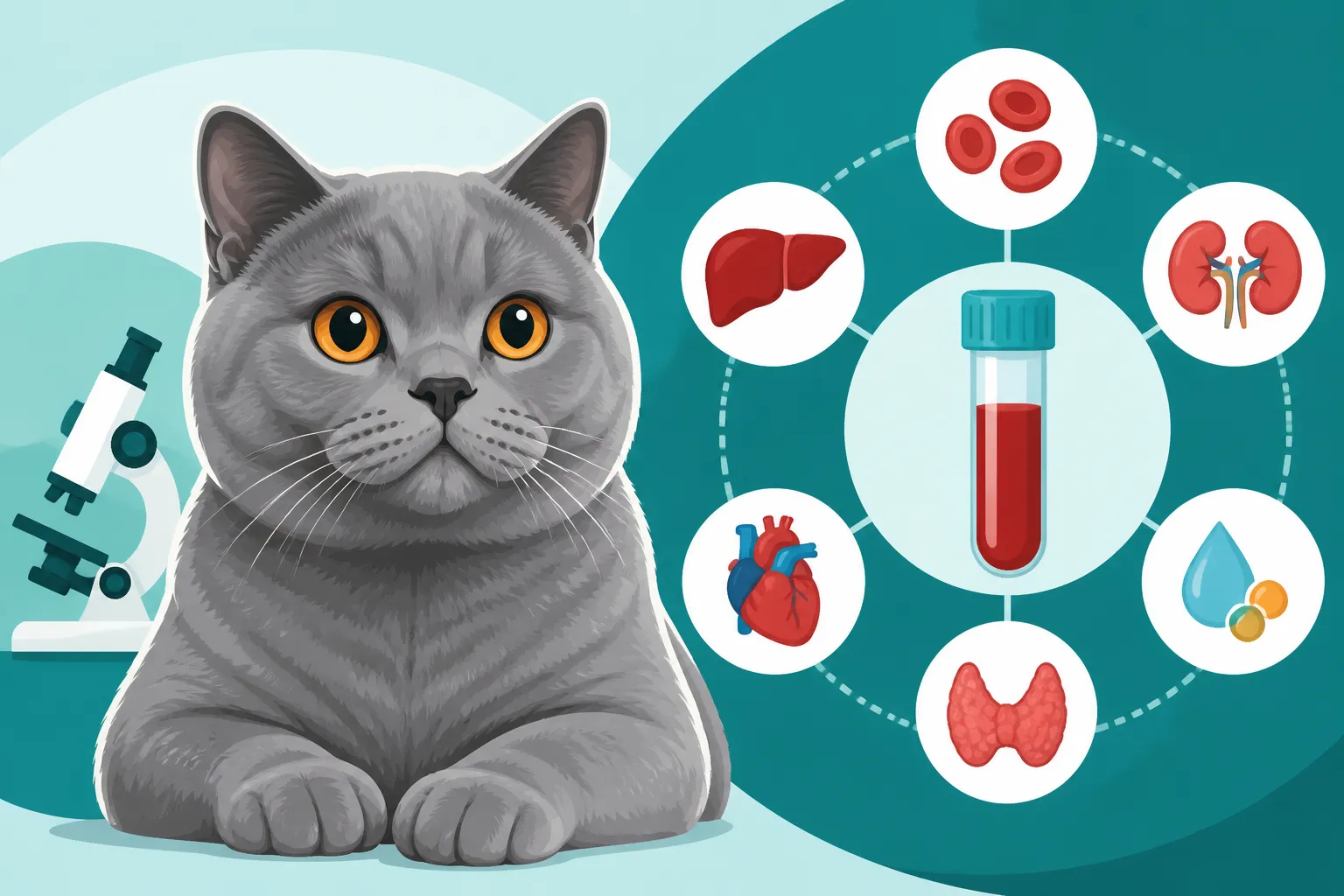
When your British Shorthair heads to the vet for their annual check-up, the bloodwork typically involves a couple of key panels. These tests delve into different aspects of their internal health, painting a comprehensive picture for your veterinarian. Understanding what each panel assesses can help alleviate some of the mystery and empower you to have more informed conversations with your vet.
Complete Blood Count CBC
The Complete Blood Count, or CBC, is a foundational test that provides a detailed look at the different cells circulating in your British Shorthair's blood. It's a quick and relatively inexpensive test that offers a wealth of information about hydration, anemia, infection, inflammation, and even certain types of cancer.
- Red Blood Cells: This part of the CBC measures the number of red blood cells, which carry oxygen throughout the body. Abnormalities here can indicate anemia (too few red blood cells, leading to lethargy and weakness) or dehydration (too many concentrated red blood cells). For a British Shorthair, knowing their red blood cell count can be crucial if they ever need surgery, helping to assess their ability to recover.
- White Blood Cells: White blood cells are the immune system's soldiers, fighting off infections and responding to inflammation. The CBC breaks down the different types of white blood cells (neutrophils, lymphocytes, eosinophils, monocytes, basophils), and their levels can point to bacterial or viral infections, allergies, stress, or even more serious immune disorders. If your British Shorthair has a hidden infection, their white blood cell count will likely reflect it long before they show outward signs.
- Platelets: These tiny cells are essential for blood clotting. A low platelet count can indicate a bleeding disorder or an autoimmune condition, while an elevated count might suggest inflammation or a stress response. Given the British Shorthair's dense coat, minor cuts might go unnoticed, so knowing platelet levels can be reassuring.
Chemistry Panel (or Biochemistry Panel)
The chemistry panel is like an internal organ report card. It measures various enzymes, proteins, electrolytes, and other substances in the blood, providing insights into the function of vital organs like the kidneys, liver, pancreas, and even blood sugar regulation. This panel is particularly crucial for monitoring age-related changes and common British Shorthair health concerns.
- Kidney Values (BUN, Creatinine, SDMA): These are perhaps some of the most critical values, especially as cats age. Blood Urea Nitrogen (BUN) and Creatinine are waste products that healthy kidneys filter out of the blood. Elevated levels indicate that the kidneys aren't functioning optimally. SDMA (Symmetric Dimethylarginine) is an even more sensitive marker for early kidney disease and can detect issues much sooner than BUN or Creatinine, sometimes even before a cat shows any symptoms. Given that Polycystic Kidney Disease Came Into the British Shorthair With the Persians, and chronic kidney disease is common in older cats, monitoring these values religiously is paramount for British Shorthairs. Early detection allows for dietary changes and other interventions that can significantly slow the progression of kidney failure.
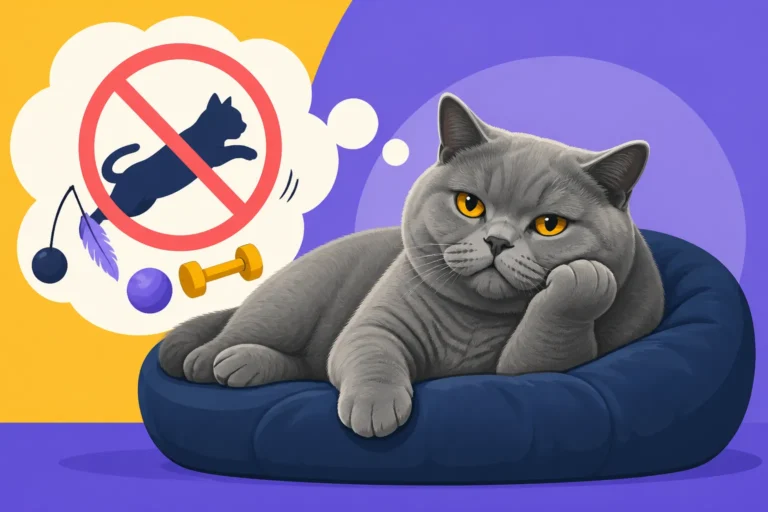
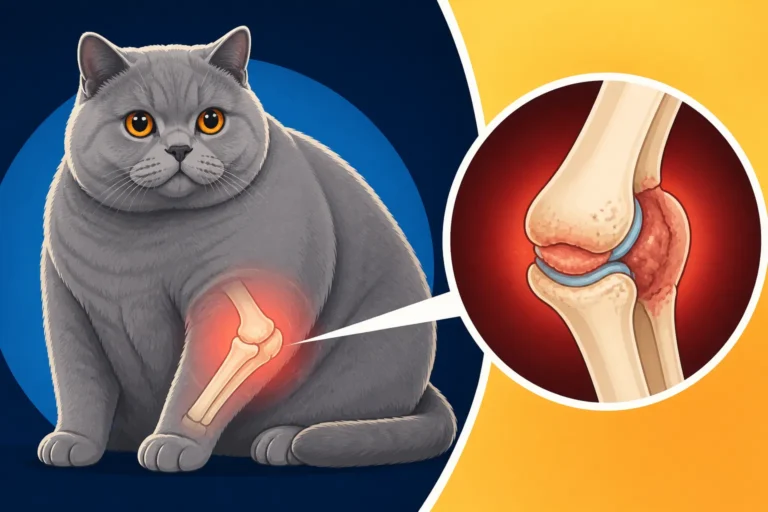
- Liver Enzymes (ALT, ALP): The liver is a powerhouse organ, involved in digestion, detoxification, and protein synthesis. Elevated liver enzymes can indicate liver inflammation, damage, or disease. While not always specific, persistent increases warrant further investigation. For a British Shorthair prone to Obesity Is the British Shorthair's Real Disease, liver health is a particular concern, as fatty liver disease (hepatic lipidosis) can be devastating.
- Glucose (Blood Sugar): This measures the sugar levels in the blood. Persistently high glucose levels point to diabetes, a condition that can be managed with diet and medication, but often requires early diagnosis to prevent complications. Since British Shorthairs can be prone to weight gain, they are also at higher risk for conditions like Diabetes in a British Shorthair.
- Proteins (Total Protein, Albumin, Globulin): These values reflect nutritional status, immune system health, and can indicate inflammation, liver disease, or even intestinal issues. Albumin, in particular, is an important protein made by the liver, and low levels can suggest liver disease, kidney disease, or malabsorption.
- Electrolytes (Sodium, Potassium, Chloride): These minerals are vital for nerve, muscle, and heart function, as well as maintaining proper hydration. Imbalances can be indicative of dehydration, kidney disease, Addison's disease (though less common in cats), or other systemic issues.
Thyroid Hormone (T4)
Especially for British Shorthairs over the age of seven or eight, a thyroid hormone test (T4) is an incredibly important addition to the annual bloodwork. Hyperthyroidism, an overactive thyroid gland, is very common in older cats and can lead to significant weight loss, increased appetite, hyperactivity, vomiting, and diarrhea.
- Detecting Hyperthyroidism: The T4 test directly measures the level of thyroid hormone in the blood. If it's elevated, it strongly suggests hyperthyroidism. While the symptoms might seem subtle at first – perhaps your British Shorthair is just a bit more vocal or has a ravenous appetite – untreated hyperthyroidism can lead to serious heart problems, high blood pressure, and kidney damage. Catching this condition early allows for effective treatment, which can range from medication to dietary changes or even radioactive iodine therapy, significantly improving your cat's quality of life and extending their lifespan.
This comprehensive approach to annual bloodwork, often bundled into a wellness panel, provides the clearest picture of your British Shorthair's health, allowing for early intervention and a longer, happier life.
| Test Component | What it Measures / Indicates | Why it Matters for British Shorthairs |
|---|---|---|
| CBC | Red Blood Cells (Anemia, Dehydration), White Blood Cells (Infection, Inflammation, Stress), Platelets (Clotting ability) | Helps detect hidden infections, inflammation, and blood disorders often masked by their stoic nature. Crucial for assessing overall immune response and hydration status, especially as they get older or if they need surgery. |
| BUN, Creatinine, SDMA | Kidney function, waste product filtration | Early detection of kidney disease is vital. British Shorthairs are susceptible to genetic kidney issues like PKD (Polycystic Kidney Disease) and are prone to age-related kidney decline, making these tests paramount for early intervention and management. |
| ALT, ALP | Liver enzyme levels, liver health | Monitoring liver function is important, particularly for a breed prone to obesity. Early signs of liver stress or damage can be detected, prompting investigation into fatty liver disease or other liver conditions. |
| Glucose | Blood sugar levels | British Shorthairs can be predisposed to weight gain, increasing their risk of diabetes. This test helps identify elevated blood sugar, allowing for early intervention to manage or even reverse diabetes. |
| Total Protein, Albumin, Globulin | Nutritional status, immune system function, inflammation, liver and kidney disease | Gives insight into overall health, hydration, and systemic inflammation. Changes can indicate a variety of underlying issues, from chronic illness to dietary deficiencies. |
| T4 (Thyroid Hormone) | Thyroid gland activity | Essential for senior British Shorthairs (typically 7+ years). Hyperthyroidism is common in older cats and can lead to serious secondary health issues if not caught and treated early. |
Spotting the Red Flags: What Abnormal Results Might Indicate
Receiving bloodwork results can be a little nerve-wracking, especially if you see values outside the "normal" range. It’s important to remember that an abnormal result doesn't automatically mean a dire diagnosis. Often, it's a piece of a larger puzzle, prompting further investigation or simply a repeat test. However, certain deviations can be significant "red flags" that require prompt attention from your veterinarian.
When Kidney Values Raise Concerns
Elevated kidney values, particularly SDMA, BUN, and Creatinine, are among the most common and concerning findings in older British Shorthairs. If your vet points out high numbers here, it means your cat's kidneys aren't filtering waste products from the blood as efficiently as they should. This could indicate chronic kidney disease (CKD), a progressive condition common in aging cats. For British Shorthairs, who may have a genetic predisposition to Polycystic Kidney Disease Came Into the British Shorthair With the Persians, regular kidney monitoring is especially critical.
- Scenario: Imagine your eight-year-old British Shorthair, Winston, has slightly elevated SDMA and BUN. He seems fine at home, maybe drinking a little more water, but nothing alarming. Your vet recommends a follow-up urine test to check specific gravity and look for protein loss, along with a blood pressure check. If these confirm early CKD, Winston might be transitioned to a prescription kidney-support diet, like those from Hill's Prescription Diet or Royal Canin, to help slow the disease's progression. This early intervention can add years of good quality life.
- What this means: While daunting, early detection means management strategies can begin. These might include dietary changes (low protein, low phosphorus), medications to control phosphorus levels, or subcutaneous fluids if hydration becomes an issue. Without annual bloodwork, Winston's kidney disease might go unnoticed until he's visibly unwell, at which point treatment options become more limited.
Liver Enzyme Spikes
When liver enzymes like ALT (alanine aminotransferase) or ALP (alkaline phosphatase) are elevated, it suggests some form of stress or damage to the liver cells. The liver is a resilient organ, but it can be affected by many things, from diet to toxins to underlying diseases.
- Scenario: Your British Shorthair, Luna, who enjoys her food perhaps a little too much, has higher than normal ALT values. Your vet might first consider if Luna is Signs a British Shorthair Is Overweight. Obesity can lead to fatty liver disease, and even minor stress on an overweight liver can cause enzymes to rise. Other causes could include exposure to certain medications, infections, or inflammatory conditions. Your vet might recommend a retest in a few weeks, a bile acid test, or potentially an ultrasound to get a better look at Luna's liver.
- What this means: Elevated liver enzymes often warrant a more in-depth investigation. It could be something transient, like a reaction to medication, or a more serious issue requiring specific treatment. Diet changes, weight management, or supplements might be recommended depending on the cause. Early detection can prevent more severe liver damage, which is critical for a breed susceptible to weight issues.
Elevated Thyroid (Hyperthyroidism)
An elevated T4 level, particularly in an older British Shorthair, is a strong indicator of hyperthyroidism. This condition causes the cat's metabolism to speed up, leading to a range of symptoms that can often be mistaken for normal aging.
- Scenario: Your 11-year-old British Shorthair, Oscar, has always been a quiet, calm cat. Lately, you’ve noticed he's lost a bit of weight despite eating more, and he seems a little more restless at night. His annual bloodwork reveals a significantly high T4.
- What this means: Hyperthyroidism needs to be managed because it can lead to secondary heart problems, high blood pressure, and can mask concurrent kidney disease. Treatment options, including medication (like methimazole), prescription diets, or even radioactive iodine therapy, are highly effective. Early diagnosis through annual bloodwork allows you to choose the best treatment path before complications arise, greatly improving Oscar's health and increasing his comfort in his golden years. This is another area where a robust pet insurance plan like Healthy Paws can truly help manage the often-unexpected costs of chronic illness.
Preparing Your British Shorthair for Their Blood Test and What to Expect
The thought of your gentle giant getting poked and prodded for blood can be unsettling. However, with a bit of preparation and understanding of the process, you can make the experience as stress-free as possible for both you and your British Shorthair.
The Fasting Requirement: Why It Matters
One of the most common instructions you'll receive from your vet prior to bloodwork is to fast your British Shorthair. This usually means withholding food for 8-12 hours before the appointment, though they should still have access to fresh water. While this might feel cruel for a cat who loves their meals, it's incredibly important for accurate test results.
- Why Fasting? Eating can temporarily elevate certain values in the blood, particularly glucose (blood sugar) and some liver enzymes. If your cat eats right before their test, their blood glucose might appear high, leading your vet to suspect diabetes when it's simply a normal response to a recent meal. Similarly, fats from food can make the blood sample "lipemic" (cloudy or milky), which can interfere with the accuracy of many tests and make it difficult for the lab to process the sample correctly. Fasting ensures that the results reflect your British Shorthair's baseline physiological state, giving your vet the most reliable information.
- Tips for Success:
- Evening Meal: If your appointment is in the morning, give your British Shorthair their last meal the night before, around 8-10 PM.
- Hide the Food: Our British Shorthairs are smart! Make sure no kibble or treats are accidentally left out. If you have other pets, feed them separately or ensure your BSH can't sneak a bite from their bowls.
- Water is OK: Always ensure they have access to fresh water. Dehydration can also skew blood results.
- Talk to Your Vet: If your British Shorthair has specific medical conditions (like diabetes, where fasting might be risky), always discuss the fasting requirements with your vet in advance.
The Procedure: Quick and Minimally Invasive
When you arrive at the clinic, the actual blood draw for your British Shorthair is usually a very quick and minimally invasive procedure. Most clinics are well-versed in handling cats, including our sometimes-reluctant British Shorthairs, with care and efficiency.
- Location of Draw: The most common sites for blood collection in cats are the jugular vein in the neck or a vein in the front leg (cephalic vein) or hind leg (medial saphenous vein). The jugular vein is often preferred because it's a larger vein, allowing for a quicker draw of sufficient blood volume, minimizing stress.
- Restraint: Your vet technician will gently hold your British Shorthair to keep them still. Sometimes, a towel or "kitty burrito" wrap is used for extra comfort and security, preventing them from wriggling too much. Most British Shorthairs, despite their size, are quite docile and tolerate this well, especially if handled calmly and with positive reinforcement.
- The Stick: A small area over the chosen vein might be shaved or cleaned with alcohol to ensure sterility and better visibility. The vet or tech will then quickly insert a small needle and draw the necessary blood into a syringe or collection tubes. This usually takes less than a minute.
- Aftercare: After the blood is drawn, pressure will be applied to the site for a moment to prevent bruising or bleeding. Your British Shorthair might get a treat or some praise for being a good patient. The blood samples are then sent to an in-house lab or an external diagnostic laboratory for analysis.
- Results: Depending on the tests ordered and the lab used, results can sometimes be available within hours for urgent cases or within a few days for routine panels. Your vet will then contact you to discuss the findings and any recommended next steps. Don't hesitate to ask questions – understanding your British Shorthair's health is key to their well-being. Knowing what a British Shorthair's yearly bloodwork should cover is a crucial step in ensuring your cat lives a full and healthy life. This proactive approach, including regular How Often a British Shorthair Needs a Wellness Exam and ongoing monitoring, is much easier than reacting to Signs a British Shorthair Is Unwell once they are already showing clear symptoms.
Disclaimer
This article is intended for informational purposes only and does not constitute medical advice. Always consult with a qualified veterinarian for any health concerns or before making any decisions related to your British Shorthair's care and treatment. Individual health needs can vary, and a professional veterinary assessment is essential.