How Often a British Shorthair Needs a Dental
It's a truth universally acknowledged among cat parents: dental health is often the silent struggle. We see our beautiful British Shorthairs with their round faces and plush coats, and we focus on their diet, their playtime, or their latest adorable nap spot. But beneath that charming exterior, painful dental issues can be brewing, often completely unnoticed until they become severe. This guide aims to shed light on how frequently your beloved British Shorthair truly needs a dental check-up and what you can do to keep their pearly whites healthy.
Understanding British Shorthair Dental Health Challenges
When it comes to our British Shorthairs, their unique physiology, while undeniably adorable, can actually predispose them to certain dental problems. It’s not just about bad breath; it’s about their overall well-being and comfort.
Why British Shorthairs Are Prone to Dental Issues
Let's face it, those characteristic flat, round faces, often described as "brachycephalic lite," are part of what makes British Shorthairs so endearing. However, this facial structure can lead to a more crowded mouth. Think of it like a beautiful, grand house built on a slightly smaller plot of land – things get a bit squished inside. When teeth are crowded, they don't align perfectly, creating little nooks and crannies where food particles and bacteria love to hide. This makes them much more susceptible to plaque and tartar buildup.
Beyond their charming facial structure, genetics also play a role. Some lines might simply have a genetic predisposition to faster tartar accumulation or weaker gum tissue. Moreover, their typically calm, somewhat sedentary nature means they might not be as enthusiastic about chewing on dental toys that could naturally help scrape off some plaque. While dental treats can offer some benefit, they rarely replace proper care. A diet consisting primarily of soft, wet food can also contribute to plaque buildup faster than a dry kibble diet, as there's less abrasive action to help clean the teeth. The result? Our otherwise robust British Shorthairs can easily develop issues like Gingivitis in a British Shorthair, an inflammation of the gums that's often the first step towards more serious periodontal disease.
The Silent Nature of Feline Dental Pain
One of the most frustrating and heartbreaking realities of owning a cat is their incredible ability to mask pain. In the wild, showing weakness is a death sentence, and even though our domestic British Shorthairs live pampered lives, this instinct is deeply ingrained. They won't limp or cry out like a dog might with a toothache. Instead, they might exhibit extremely subtle changes that are easy to miss.
You might notice they suddenly prefer soft food over kibble, but you might attribute it to pickiness. Perhaps they eat a bit slower, drop food from their mouth, or chew on one side, but these behaviors can be so minor you barely register them. Some cats might become a little more withdrawn, groom less, or simply seem a bit less enthusiastic about life. They might avoid having their head touched, or you might spot a bit of redness when they yawn. By the time obvious signs appear, such as severe bad breath, facial swelling, or refusing to eat entirely, the problem is often already quite advanced and painful. This silent suffering is precisely why being proactive with dental care, including professional assessments, is so incredibly vital for your British Shorthair's long-term comfort and health.
Establishing a Proactive Dental Care Routine
Dental care for your British Shorthair isn't just about what happens at the vet; it's a team effort that involves consistent care at home and vigilance on your part. Think of it as a comprehensive strategy to keep those sweet feline smiles bright and healthy.
Daily Home Dental Care Practices
While it might sound like a daunting task, establishing a daily home dental care routine is one of the most impactful things you can do for your British Shorthair. The gold standard, just like for us, is tooth brushing. Yes, brushing a cat's teeth! It sounds like a recipe for shredded hands, doesn't it? But with patience and the right approach, many British Shorthairs can tolerate it, especially if you start early.
You'll need a cat-specific toothbrush or a finger brush, and enzymatic cat toothpaste (never human toothpaste, as it contains ingredients toxic to cats). Start slowly, letting your cat sniff and taste the toothpaste as a treat. Gradually introduce the brush, focusing on the outside surfaces of their teeth, particularly the molars and canines, where plaque tends to accumulate most. Even a few seconds of brushing on a couple of teeth can make a difference. Consistency is key, even if it's not perfect every day. Many resources, including one discussing How Young to Start Brushing a British Shorthair's Teeth, can guide you through the process.
Beyond brushing, there are other supportive measures. Dental treats and dental diets, often formulated with specific shapes or ingredients to help scrape plaque, can be beneficial. Look for products with the Veterinary Oral Health Council (VOHC) seal, which indicates they meet standards for plaque or tartar reduction. Water additives containing antiseptic properties can also help reduce bacteria in the mouth. While these home care methods are fantastic for prevention and slowing buildup, it's crucial to understand they are generally insufficient to remove existing tartar or treat severe periodontal disease.
The Role of Professional Veterinary Dentals
Let's be clear: home dental care, no matter how diligently performed, cannot fully replace professional veterinary dental cleanings. These are not just fancy brushing sessions; they are minor medical procedures performed under anesthesia that allow for a thorough examination and cleaning far beyond what you can achieve at home.
During a professional dental, your veterinarian or a veterinary dental specialist will conduct a comprehensive oral exam. This often includes probing around the gum line to check for pockets, a sign of periodontal disease, and taking full-mouth dental X-rays. X-rays are absolutely essential because over 60% of dental disease lies below the gum line, hidden from the naked eye. This hidden disease can include root problems, abscesses, or bone loss. Imagine going to your dentist for a cleaning, but they never take X-rays – you'd be missing a huge piece of the puzzle!
Once examined, the veterinary team will use specialized ultrasonic scalers to remove plaque and tartar from above and below the gum line, just like your own hygienist does. They'll then polish the teeth to smooth the surface, making it harder for new plaque to adhere. If any diseased teeth or problematic areas are identified via exam or X-rays, extractions might be necessary. This might sound scary, but removing a painful, infected tooth is often the kindest thing you can do for your cat, as it significantly improves their quality of life. The whole procedure is performed under general anesthesia, which, while it carries some risk, is meticulously managed with pre-anesthetic bloodwork, IV fluids, and constant monitoring to ensure your British Shorthair's safety. This thoroughness is why professional dentals are an indispensable part of your cat's health regimen.
Determining the Frequency of Professional Dentals for Your British Shorthair
So, how often do you truly need to schedule one of these professional cleanings for your British Shorthair? There's no one-size-fits-all answer, as several factors come into play, but we can certainly provide a helpful roadmap.
Factors Influencing Dental Cleaning Frequency
The ideal frequency for professional dentals for your British Shorthair depends heavily on a few individual factors. Understanding these can help you and your vet tailor the perfect schedule.
Firstly, age is a significant consideration. A young British Shorthair, perhaps one to three years old with excellent home care and a genetic predisposition to healthy teeth, might only need a dental every two to three years. However, as they age, dental problems tend to accelerate. An older British Shorthair, especially one in their senior years (typically starting around ten, as discussed in Caring for a British Shorthair Past Ten), might benefit from annual or even bi-annual cleanings. Their immune systems can be less robust, and cumulative wear and tear on their teeth can lead to more issues.
Diet plays a role as well. While not a complete solution, a high-quality dental kibble can help mechanically clean teeth, potentially extending the time between cleanings. Conversely, a diet exclusively of soft, wet food, while great for hydration and often preferred by fussy eaters or those needing Whether an Aging British Shorthair Needs Softer Food, might lead to faster plaque buildup.
Genetics and individual susceptibility are huge. Some cats simply accumulate tartar faster than others, regardless of diet or home care. You might have two British Shorthairs living in the same house, eating the same food, and one needs a dental every year while the other can go three. This is often an inherent difference. Your vet will assess this susceptibility during regular check-ups. Finally, previous dental history is a strong indicator. If your cat has already had significant periodontal disease or multiple extractions, they will likely need more frequent follow-up cleanings to manage recurring issues and prevent further deterioration. Many pet insurance providers, such as Healthy Paws, offer coverage for routine dental care or dental illnesses, which can certainly help manage the financial aspect of these important procedures.
General Guidelines and Vet Recommendations
Given these influencing factors, what's a good general guideline? For most British Shorthairs, a professional dental cleaning should ideally be considered when they are around one to two years old for their initial assessment and cleaning, assuming no earlier issues arise. This early intervention helps establish a baseline and removes any initial plaque before it hardens into stubborn tartar and causes serious problems.
After this initial cleaning, the frequency will largely depend on your individual cat's needs and your veterinarian's assessment. A good rule of thumb is to aim for a professional dental every one to three years. For many British Shorthairs, an annual or bi-annual check is a very sensible approach, especially once they are past the age of three or four, as How Many Dentals a British Shorthair Needs will vary widely. Your vet will evaluate your cat's mouth during their yearly wellness exams, which often include a thorough physical check-up as outlined in What a British Shorthair's Yearly Bloodwork Should Cover. They will then provide a specific recommendation based on the severity of plaque and tartar, the presence of gingivitis, and any other oral health concerns they find.
It's far better to catch problems early when they are easier and less costly to treat, rather than waiting until significant pain and advanced disease have set in. Think of it as preventative maintenance, much like changing the oil in your car. Regular attention ensures smoother operation and a longer, healthier life for your feline companion.
Recognizing the Signs Your British Shorthair Needs a Dental
As we've discussed, British Shorthairs are champions at hiding discomfort, so you need to be a super-sleuth when it comes to their health. While regular vet visits are paramount, knowing what signs to look for at home can prompt you to seek earlier intervention.
Visible and Behavioral Indicators
The most obvious, yet often overlooked, sign that your British Shorthair might need a dental is bad breath, or halitosis. It's not normal for a cat's breath to smell foul. A slight "cat breath" is one thing, but if it smells like a sewer, that's a red flag indicating a buildup of bacteria in their mouth, a common symptom of dental disease.
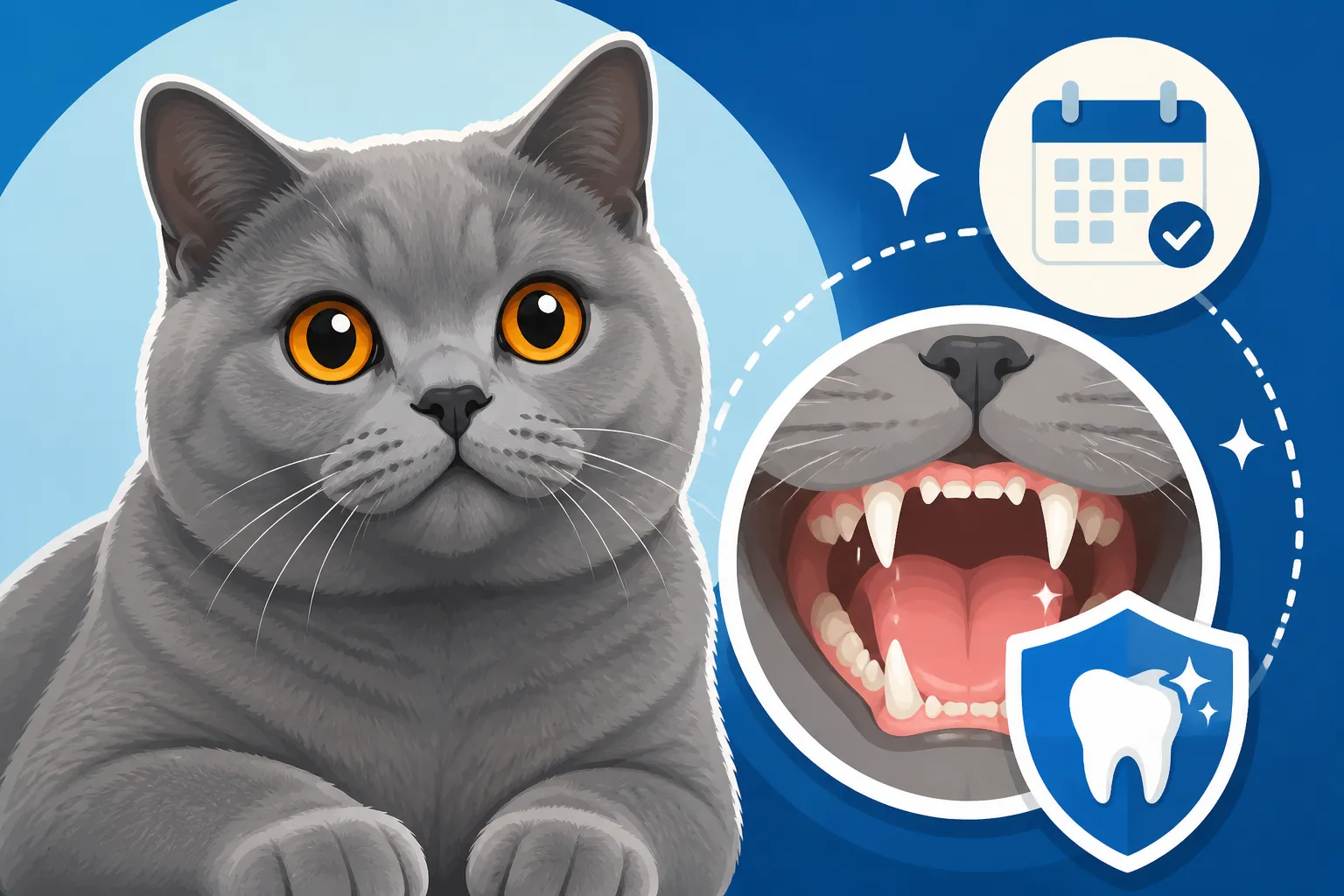
Beyond smell, take a peek inside their mouth if your cat allows. Look for red, swollen, or bleeding gums, especially along the gum line where the tooth meets the gum. Healthy gums should be a pale pink. You might also see brown or yellow crusty deposits on their teeth, particularly near the gum line – this is tartar. In severe cases, you might notice a missing tooth or even pus around the gum line.
Behavioral changes can also signal dental pain. Your British Shorthair might start showing difficulty eating, such as approaching their food bowl then backing away, or eating slower than usual. They might drop pieces of food or chew on one side of their mouth. Some cats might paw at their mouth or rub their face more frequently. You could also observe a decreased interest in grooming, especially if grooming their chest or front legs rubs against a sore tooth. If you notice your typically meticulous British Shorthair looks a bit scruffy, particularly on their back where they might struggle to reach if in pain or if they're a bit heavy, as discussed in Why an Overweight British Shorthair Cannot Groom Its Back, it could be a subtle clue. They might even become more irritable or withdrawn, as pain can make anyone grumpy.
The Importance of Your Vet's Assessment
While these visible and behavioral cues are crucial for you to spot at home, nothing replaces a thorough professional assessment by your veterinarian. Many significant dental issues, as mentioned, are hidden from plain sight. During a routine physical exam, your vet can get a general idea of your cat's oral health, but a definitive diagnosis of periodontal disease and other issues requires sedation or anesthesia.
Under anesthesia, your vet can properly probe gum pockets, which is critical for assessing the extent of periodontal disease. They can also take those all-important full-mouth dental X-rays. These X-rays reveal problems beneath the gum line that are impossible to see otherwise, such as bone loss, root resorption (a painful condition where the tooth structure breaks down), abscesses, or fractured roots. Without X-rays, even a seemingly clean tooth could be hiding a painful problem that's impacting your British Shorthair's health and happiness. Regular check-ups, even if you suspect nothing, are a safety net. Your vet might recommend a dental even if you don't see overt signs, simply based on what they've observed during a routine wellness check. This proactive approach can prevent minor issues from becoming major, costly, and painful emergencies. The costs associated with a comprehensive dental, including X-rays and potential extractions, can be significant, so having pet insurance from a reputable provider like Healthy Paws can provide much-needed peace of mind, allowing you to prioritize your British Shorthair's health without financial stress.
| Factor | Recommended Dental Frequency (General Guide) | Notes |
|---|---|---|
| Young British Shorthair (1-3 years) | Every 2-3 years | If good home care, no known issues. |
| Adult British Shorthair (3-9 years) | Every 1-2 years | Most common frequency, depends on individual tartar buildup. |
| Senior British Shorthair (10+ years) | Annually (or even bi-annually) | Increased risk of disease, needs more frequent monitoring. Discussed in What Changes in a British Shorthair After Ten |
| Excellent Home Care | May extend intervals | Daily brushing, dental treats, VOHC-approved products. |
| Poor Home Care | More frequent (annually or sooner) | Faster plaque/tartar buildup, higher risk of periodontal disease. |
| History of Severe Dental Disease | Annually or bi-annually | Crucial for managing recurring issues and preventing progression. |
| Diet (Wet food only) | May lean towards annual | Less abrasive cleaning action compared to dry kibble. |
| Genetic Predisposition | Varies, follow vet's advice | Some cats naturally accumulate more tartar. |
Disclaimer
As a veteran lifestyle blogger, I offer advice based on extensive research and personal experience with British Shorthairs. However, I am not a veterinarian. The information provided in this article is for general guidance and informational purposes only, and does not constitute professional medical advice for your pet. Always consult with a qualified veterinarian for any health concerns or before making any decisions about your British Shorthair's dental care or overall well-being. Individual needs can vary greatly, and only a professional can provide an accurate diagnosis and treatment plan.