How Much Obesity Shortens a British Shorthair’s Life
It’s a heartbreaking reality to face when you realize your beloved British Shorthair, with their charmingly round face and plush coat, might be carrying more than just a little extra fluff. That adorable chunkiness, while endearing, can mask a serious health problem: obesity. Many of us struggle with managing our cats' weight, often unaware of the profound impact it has on their health and, most critically, how much it shortens their precious lives. This guide will walk you through the harsh truths of obesity in British Shorthairs and empower you with the knowledge to help your furry companion live a longer, healthier, and happier life.
The Silent Thief: How Obesity Steals Years from Your British Shorthair
When we talk about obesity in British Shorthairs, it's not just about a number on the scale. It's about a fundamental shift in their body's function, putting undue stress on nearly every organ system. Unlike a naturally cobby British Shorthair with strong bone structure and dense muscle, an obese cat carries excess fat, which isn't just inert tissue; it's metabolically active, releasing inflammatory hormones that wreak havoc throughout the body. This constant state of low-grade inflammation sets the stage for a host of chronic diseases that chip away at their vitality and ultimately, their lifespan.
Understanding the Physiological Impact of Excess Weight
Think of your cat's body as a finely tuned machine. When you add significant excess weight, it's like forcing that machine to run with extra, heavy parts it wasn't designed for. Their skeletal structure, while robust, isn't meant to carry an additional 20-30% of body weight for years on end. Their cardiovascular system works harder, their metabolism goes awry, and even their immune system can be compromised. It’s a cascading effect where one problem leads to another, slowly eroding their health from the inside out. For a British Shorthair, who are already naturally sedate, this burden is even more pronounced, as their activity levels often aren't enough to counteract the caloric surplus.
The Link Between Obesity and Major Health Issues
Obesity isn't just a risk factor; it's often a direct cause or exacerbating factor for some of the most common and serious health conditions in cats. From painful joint problems to life-threatening metabolic disorders, the list of associated ailments is extensive and grim. It’s a misconception that a slightly overweight cat is merely 'healthy and robust.' In reality, they are silently struggling with increased internal stress.
For instance, consider What Obesity Does to a British Shorthair's Joints. The extra weight puts immense pressure on their hips, knees, and spine, leading to early onset arthritis or worsening existing joint degeneration. Imagine constantly carrying a heavy backpack; now imagine that backpack is fused to your body. That's what an obese cat experiences. This chronic pain reduces their mobility further, creating a vicious cycle where less movement leads to more weight gain. Similarly, the strain on their heart can exacerbate conditions like What HCM Does to a British Shorthair's Heart, even if they are not genetically predisposed, by simply making the heart work harder to pump blood through a larger body mass.
Quantifying the Life Shortening Effect of Obesity
It's not just a vague notion that obesity shortens a cat's life; veterinary studies have actually put numbers to it, revealing a stark and sobering reality. While specific figures can vary based on individual circumstances and the degree of obesity, the consensus among veterinary professionals is clear: an overweight or obese cat lives a demonstrably shorter life than one maintained at an ideal body weight.
The Data: How Many Years Are Really Lost?
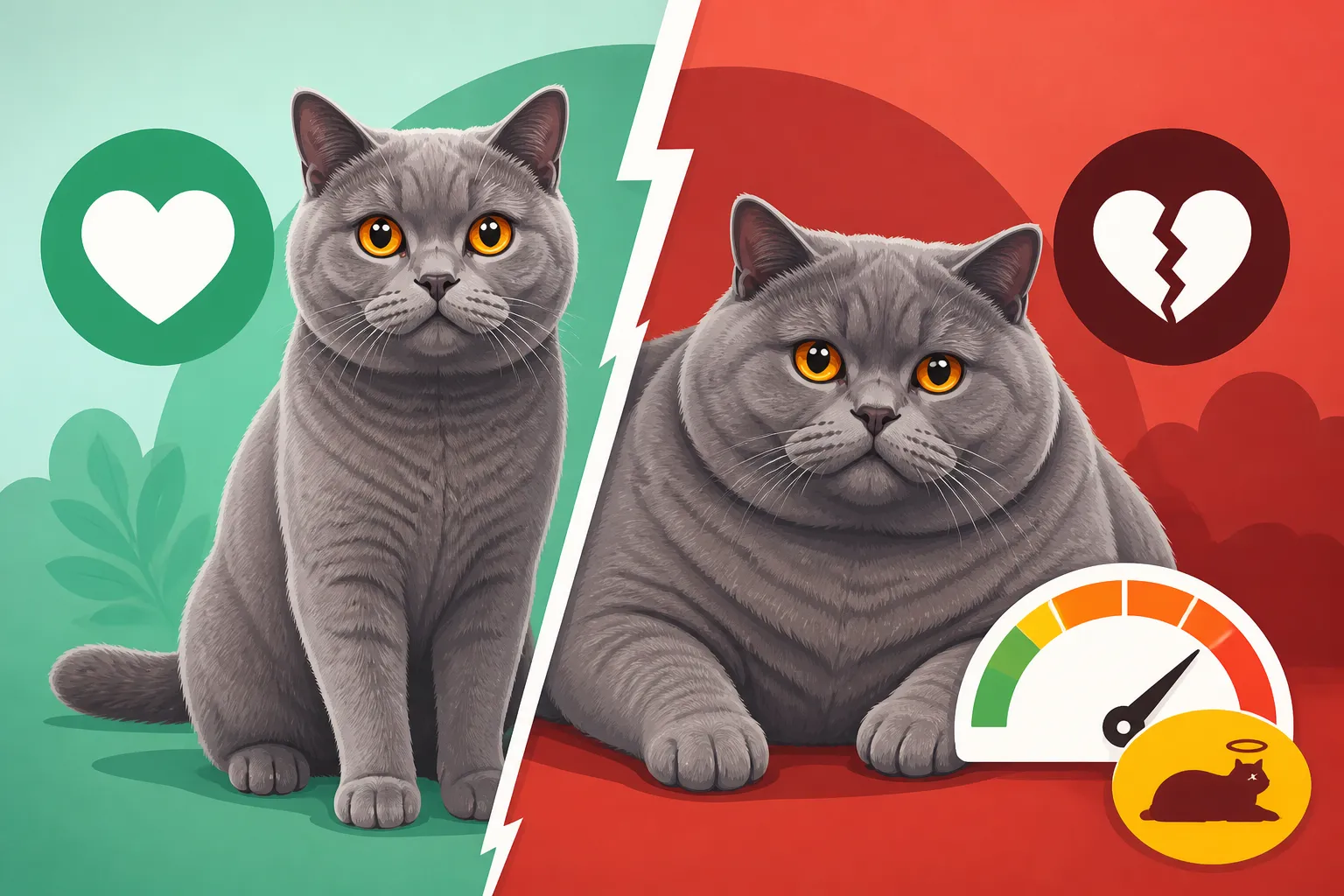
Research indicates that even moderately overweight cats can have their lifespan shortened by several months to two years. For cats classified as obese, this reduction can be even more dramatic, often shaving off 2 to 5 years, or even more, from their potential lifespan. When you consider that a British Shorthair's typical lifespan is The Twelve to Seventeen Years a British Shorthair Gets, losing even a couple of years is a significant portion of their existence. A cat that might have lived a healthy 15 years could instead only make it to 10 or 12, simply because of preventable weight issues. These aren't just statistics; these are years of companionship, purrs, and quiet moments that you and your beloved pet miss out on.
For a British Shorthair, who are known for their calm demeanor and often low activity levels, the risk of obesity is particularly high. This breed tends to "fill out" rather than be sleek, and many owners mistakenly think their cat is merely big-boned when they are, in fact, overweight. This misunderstanding can delay crucial intervention.
| Body Condition Score (BCS) | Description (General) | Health Risks | Estimated Lifespan Impact |
|---|---|---|---|
| 1 (Emaciated) | Ribs, spine, pelvic bones visible. No fat. | Malnutrition, muscle wasting, organ failure. | Severely reduced. |
| 2 (Underweight) | Ribs easily felt, minimal fat. | Malnutrition, weakened immune system. | Potentially reduced. |
| 3 (Ideal) | Ribs felt easily, small waist, minimal abdominal fat. | Optimal health. | Full potential lifespan. |
| 4 (Overweight) | Ribs difficult to feel, noticeable fat, no waist. | Increased risk of chronic diseases. | Reduced by months to 2 years. |
| 5 (Obese) | Ribs very difficult to feel, significant fat deposits, no waist, distended abdomen. | High risk of severe chronic diseases. | Reduced by 2 to 5+ years. |
Note: A British Shorthair's naturally cobby build can make assessing their Body Condition Score challenging. Always consult your vet.
Specific Diseases and Their Impact on Longevity
Obesity acts as a catalyst for several severe conditions, each with its own trajectory for shortening a British Shorthair’s life.
- Diabetes Mellitus: Whether an Overweight British Shorthair Gets Diabetes is a serious concern. Overweight cats are at a significantly higher risk of developing type 2 diabetes. This condition, if not managed meticulously, can lead to severe complications like nerve damage, kidney failure, and even blindness. The daily routine of insulin injections, dietary management, and frequent vet visits is not only costly but often stressful for both cat and owner, and despite best efforts, diabetic cats often have a shorter life expectancy.
- Arthritis and Mobility Issues: As mentioned, the constant strain on joints leads to painful arthritis. This pain drastically reduces a cat's willingness to move, play, or even groom themselves properly. This lack of movement contributes to more weight gain, exacerbates pain, and can make even simple tasks like using the litter box difficult, impacting their hygiene and overall comfort. This significantly diminishes their quality of life in their later years, turning what should be peaceful senior years into a period of discomfort and reduced enjoyment.
- Hepatic Lipidosis (Fatty Liver Disease): This life-threatening condition can occur when an obese cat stops eating, often due to stress, illness, or even a sudden dietary change. The body rapidly mobilizes fat reserves to the liver, overwhelming it and leading to liver failure. British Shorthairs, with their tendency to gain weight, are particularly susceptible. This is a veterinary emergency that requires intensive care, and even with treatment, the prognosis can be guarded.
- Urinary Tract Disease: Urinary Problems in a British Shorthair can be worsened by obesity. Overweight cats are more prone to developing urinary crystals and stones, which can lead to painful blockages, especially in male cats. These conditions require veterinary intervention, sometimes surgery, and can recur, causing chronic discomfort and impacting kidney health over time.
- Respiratory and Cardiovascular Strain: The extra fat around the chest and abdomen restricts lung expansion and increases the workload on the heart. This can lead to breathing difficulties, reduced stamina, and, as mentioned earlier, can worsen underlying heart conditions. An obese cat will often pant more easily, struggle with even mild exertion, and may be less tolerant of anesthesia, making necessary medical procedures riskier.
Beyond Years: The Decline in Quality of Life
While the number of years lost is a grim statistic, it's equally important to consider the quality of those remaining years. Obesity doesn't just shorten life; it makes the life your British Shorthair does live less enjoyable, less active, and often, more painful. This decline in vitality is something every owner should strive to prevent.
The Physical and Behavioral Ramifications
An overweight British Shorthair often presents a picture of reduced happiness, even if they don't explicitly show pain or discomfort in ways we might recognize. Their natural inclination for quiet lounging can be misinterpreted as contentment, when in reality, it might be a symptom of their struggle.
- Reduced Mobility and Play: A British Shorthair loves to play, even if it's in short, bursts. An obese cat, however, will find even these brief moments difficult. They won't jump as high, chase toys with the same enthusiasm, or engage in natural cat behaviors like climbing or exploring. This lack of physical activity can lead to boredom, frustration, and a generally less enriched life. Instead of leaping onto a Which Cat Tree a British Shorthair Uses, they might settle for the nearest floor cushion, not by choice, but out of necessity.
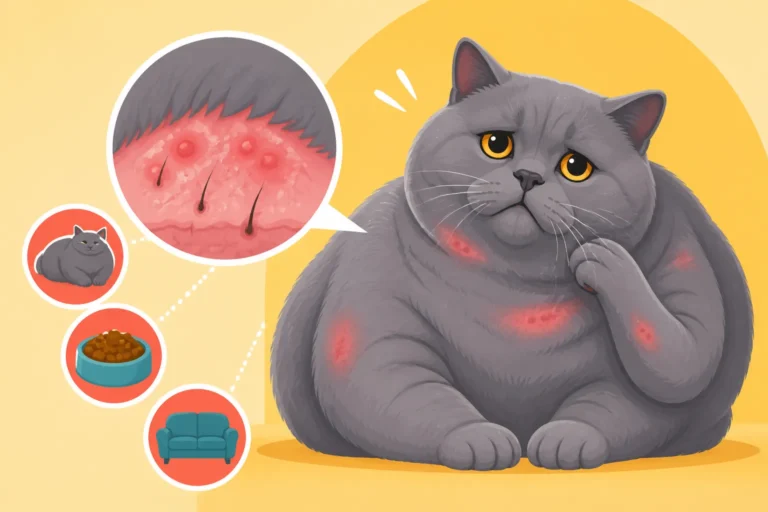
- Poor Grooming and Skin Issues: Why an Overweight British Shorthair Cannot Groom Its Back is a common and distressing problem. Cats are meticulous groomers, and when they can no longer reach certain areas, their coat becomes matted, greasy, and dull. This can lead to painful skin infections, dandruff, and an overall unkempt appearance. This inability to self-groom impacts their dignity and comfort significantly.
- Lethargy and Depression: While harder to quantify, a cat in constant discomfort or one unable to engage in natural behaviors might experience a form of feline depression or persistent lethargy. They might hide more, interact less with their family, or simply seem "off." This isn't just a physical decline; it's an emotional one, too.
The Emotional Toll on Owners
Watching your beloved British Shorthair struggle with obesity-related health issues is incredibly distressing. The guilt of knowing their weight played a role, the financial burden of managing chronic conditions, and the emotional pain of seeing their decline can be immense. Pet insurance providers like Healthy Paws can help alleviate the financial strain of ongoing treatments for conditions like diabetes or severe arthritis, but the emotional cost remains high. Many owners wish they had understood the full implications of obesity sooner. Preventing these issues is always preferable to treating them.
Taking Action: Helping Your British Shorthair Live Its Fullest Life
The good news is that obesity is largely preventable and, in many cases, reversible. Taking proactive steps now can add years, and significantly better quality years, to your British Shorthair's life. It requires commitment, patience, and a clear understanding of their unique needs.
Partnering with Your Veterinarian
The very first step is a frank conversation with your vet. They are your most valuable resource in determining your British Shorthair's ideal weight and developing a safe, effective weight loss plan. They can help you accurately assess their How to Tell a Chunky British Shorthair From a Fat One using a body condition score and rule out any underlying medical conditions that might contribute to weight gain.
- Professional Assessment: Your vet will examine your cat, palpate their ribs and spine, and assess their overall body condition. They might recommend blood work to check for issues like Hyperthyroidism in an Older British Shorthair (which can cause weight loss, but it's important to rule out other metabolic issues) or other health markers that could impact a diet plan. They can also advise on appropriate weight for your specific cat, considering their age and frame.
- Tailored Diet Plan: This is the cornerstone of weight management. Your vet can calculate the precise caloric intake your British Shorthair needs for gradual, healthy weight loss. They might recommend specific prescription weight-loss diets, which are formulated to be low in calories but high in protein and fiber to keep your cat feeling full and preserve muscle mass. This is far more effective than simply reducing portions of their regular food, which can lead to nutritional deficiencies.
- Regular Check-ins: Weight loss should be gradual, typically 0.5-2% of body weight per week. Rapid weight loss can be dangerous, especially for cats, as it can lead to hepatic lipidosis. Regular weigh-ins at the vet's office will help monitor progress and allow for adjustments to the diet plan.
Dietary Adjustments and Portion Control
This is where the rubber meets the road. British Shorthairs are notorious for their love of food, so careful management is essential.
- Strict Portion Control: Free feeding is the enemy of a healthy British Shorthair weight. Why Free Feeding Ruins a British Shorthair cannot be stressed enough. Measure every meal precisely. A food scale can be incredibly helpful for accuracy. Divide their daily caloric allowance into 2-3 small meals to prevent them from feeling overly hungry.
- High-Quality, Appropriate Food: Your vet might suggest a specific weight management formula. Look for foods that are higher in protein and lower in carbohydrates, which is generally better for a cat's metabolism. Wet food can be particularly beneficial as its higher moisture content helps with satiety and hydration. Whether Wet Food Costs More Than It Saves a British Shorthair is a common question, but the health benefits often outweigh the slight increase in cost.
- Mindful Treats: Treats are often hidden calorie bombs. If you must give treats, opt for low-calorie options or use a portion of their daily kibble allowance. Consider healthy alternatives like small pieces of cooked chicken or tuna (without seasoning), or interactive puzzle feeders that make them "work" for their food.
Encouraging Movement and Play
Getting a typically sedate British Shorthair to move more can feel like an uphill battle, but it’s crucial for their overall well-being and weight management.
- Interactive Play Sessions: Even 10-15 minutes of dedicated play, 2-3 times a day, can make a difference. Use wand toys, laser pointers (but always end with a tangible toy to catch!), or feather teasers to get them moving. Don't expect long, athletic feats; even gentle chasing and batting can burn calories and engage their minds. For a cat that would rather not, try How to Get a British Shorthair to Move using their natural hunting instincts.
- Environmental Enrichment: Make their environment more stimulating. Provide cat trees or sturdy shelves that encourage climbing, even if they're not natural jumpers. Scatter feed their meals (using small portions of their measured food) around the house to encourage foraging. Puzzle feeders also slow down eating and provide mental stimulation.
- Leash Training (Optional): While not for every British Shorthair, some tolerant cats can be leash-trained for short, supervised outdoor excursions in a safe area. This can provide novel stimulation and a bit more exercise. Read up on How to Leash Train a British Shorthair if you're considering it.
By taking these steps, you're not just helping your British Shorthair lose weight; you're investing in a longer, happier, and more comfortable life for them. It's a journey, but one that is profoundly rewarding for both of you.
Disclaimer
This article is intended for informational purposes only and does not constitute veterinary advice. Always consult with a qualified veterinarian for any health concerns or before making any decisions about your pet's health or treatment plan. Individual outcomes may vary.