Why a Cardiologist Should Scan a British Shorthair
It's a heartbreaking reality that many British Shorthair owners face: the silent threat of heart disease, especially Hypertrophic Cardiomyopathy (HCM). You love your plush, round-faced companion, but underneath that calm demeanor, there could be a ticking time bomb. This guide will walk you through exactly why seeing a board-certified veterinary cardiologist for your British Shorthair's heart scan isn't just a suggestion, but a crucial step in safeguarding their future.
Understanding British Shorthair Heart Health
The British Shorthair, with its famously dense coat and chunky build, often seems the picture of robust health. However, beneath that teddy bear exterior, there's a genetic predisposition to certain health issues, with heart disease, specifically Hypertrophic Cardiomyopathy (HCM), being a significant concern. It's a truth that can catch even the most diligent owners off guard, leading to difficult conversations and unexpected challenges down the line if not monitored proactively.
The Silent Threat of Hypertrophic Cardiomyopathy (HCM)
HCM is the most common heart disease in cats, and it's particularly prevalent in certain breeds like the British Shorthair. It's a condition where the muscular walls of the heart, particularly the left ventricle, become abnormally thick. This thickening makes it harder for the heart to pump blood effectively, reducing its ability to fill properly between beats. The scariest part about HCM is how insidious it is; your beloved cat can appear perfectly healthy for years, showing no outward symptoms, even as the disease progresses internally.
This silent progression is why regular screening is so vital. We often hear stories of owners whose cats suddenly present with severe symptoms – difficulty breathing, lethargy, or even sudden collapse – only to discover advanced HCM. At that point, managing the disease becomes much more challenging, and the prognosis can be significantly graver. Understanding How Common HCM Is in British Shorthairs truly emphasizes the need for vigilance rather than waiting for obvious signs.
Why the British Shorthair Is Prone to Heart Issues
Genetics play a huge role in the British Shorthair's susceptibility to HCM. While not all British Shorthairs will develop the condition, the breed as a whole carries a higher risk compared to the general cat population. This isn't a fault of breeding, but rather an unfortunate genetic lottery that we, as responsible owners, need to be aware of and mitigate through appropriate care and screening. It means that while your individual cat might seem perfectly fine, the breed's history dictates a cautious approach.
Beyond genetics, their typically calm and somewhat sedentary lifestyle can also mask early signs of heart trouble. A less active cat won't push their cardiovascular system as hard as a playful, energetic one, meaning subtle breathing changes or decreased stamina might go unnoticed for longer. This is why a regular, routine check-up, specifically including a cardiac evaluation, is so important to catch any abnormalities before they become critical. Knowing What HCM Does to a British Shorthair's Heart can help you understand the gravity of this predisposition.
The Limitations of General Vet Scans
When you take your British Shorthair to your regular family veterinarian, they perform an invaluable service: routine check-ups, vaccinations, and addressing general health concerns. They are the first line of defense for your pet's well-being. However, when it comes to specialized areas like cardiology, even the most dedicated general practitioner might not have the advanced equipment, specific training, or nuanced experience required to detect the subtle signs of early heart disease in a British Shorthair. This isn't a critique of their care, but a realistic look at the depth of specialization needed for complex conditions.
The Difference Between a GP Vet and a Board-Certified Cardiologist
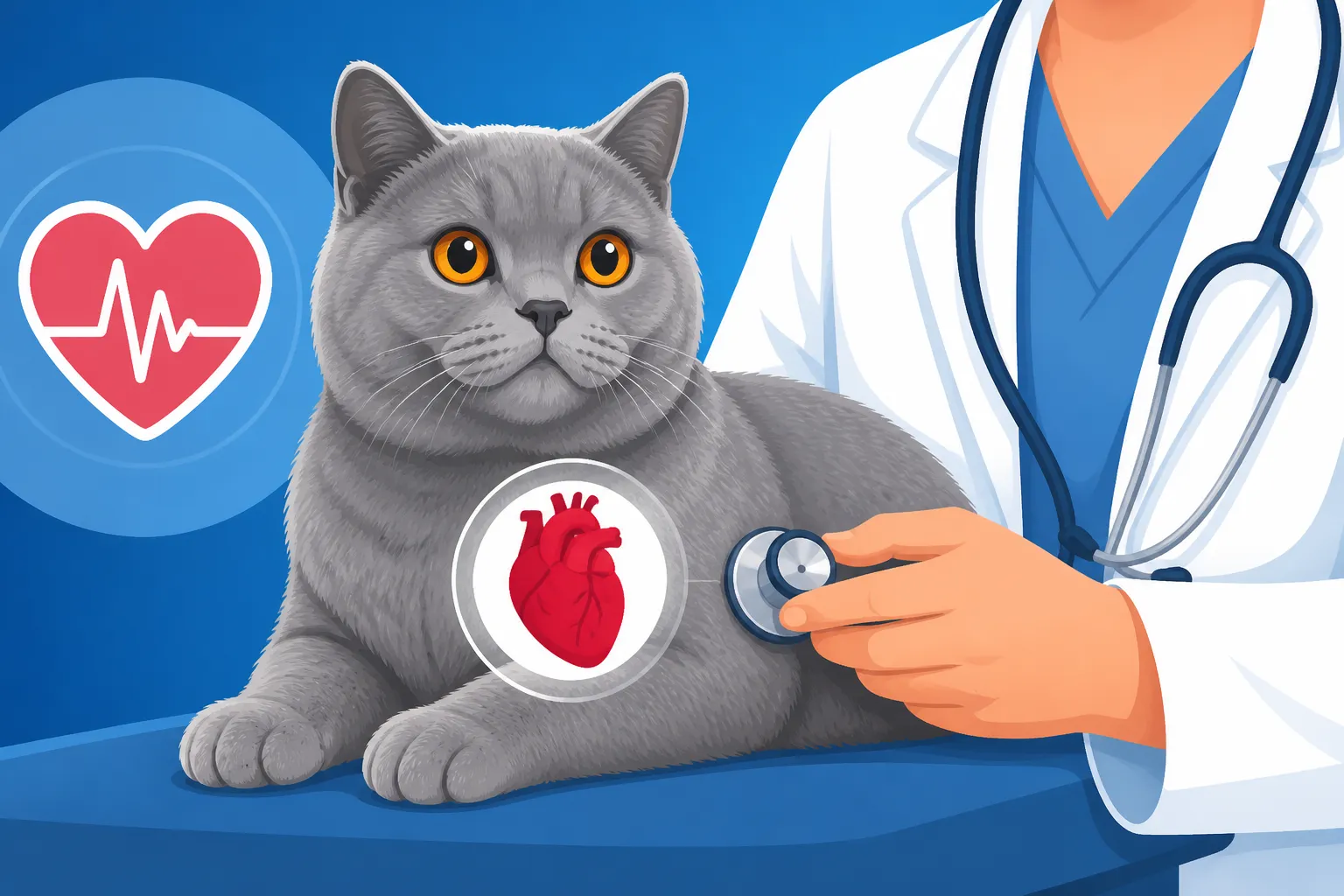
Think of it this way: your family doctor is amazing at keeping you healthy overall, but if you had a complex, rare heart condition, they'd refer you to a cardiologist, right? The same principle applies to your British Shorthair. A general practice veterinarian has a broad understanding of many animal health issues, performing physical exams, listening to heart sounds, and sometimes even doing basic X-rays or blood tests. These are all crucial first steps.
A board-certified veterinary cardiologist, however, has undergone years of additional, intensive training specifically in the diagnosis and treatment of heart disease in animals. They've passed rigorous exams and are experts in interpreting complex cardiac imaging, understanding specific breed predispositions, and developing tailored treatment plans. Their entire practice revolves around the heart, which means they possess a level of expertise and insight that a general practitioner simply cannot match, no matter how skilled.
What a Standard Vet Scan Might Miss
During a routine veterinary visit, your GP vet will listen to your cat's heart with a stethoscope. They might detect a heart murmur, which is often the first indication that something might be amiss. However, a murmur doesn't automatically mean HCM, nor does its absence guarantee a healthy heart. Many cats with HCM, especially in the early stages, have no detectable murmur, or it might be very faint. Conversely, some cats have innocent murmurs that aren't indicative of disease. Relying solely on a stethoscope can lead to false reassurances or unnecessary worry.
Even if your general vet performs an ultrasound (echocardiogram) in their clinic, the interpretation of these images is highly specialized. A standard veterinary practice might not have the high-resolution ultrasound equipment necessary to visualize the tiny, subtle changes in heart wall thickness or blood flow patterns that a cardiologist's state-of-the-art machine can. Without that specialized eye and advanced equipment, early, treatable stages of HCM can easily be overlooked, delaying diagnosis and potentially impacting your cat's long-term prognosis. This is particularly important given that The Age HCM Usually Appears in a British Shorthair can vary widely, sometimes starting subtly.
What a Cardiologist Brings to the Table
When you decide to take your British Shorthair to a board-certified veterinary cardiologist, you're not just getting a scan; you're gaining access to a whole new level of expertise dedicated solely to heart health. This specialized care can make all the difference in detecting, monitoring, and managing complex conditions like HCM, offering peace of mind and, most importantly, a better quality of life for your furry family member.
Advanced Imaging and Diagnostic Acuity
A board-certified cardiologist uses specialized echocardiography equipment that is far more advanced than what's typically found in a general practice. This high-definition ultrasound allows them to get incredibly detailed views of your cat's heart chambers, valves, and muscle walls. They can measure wall thickness with extreme precision, assess blood flow velocity, and identify subtle abnormalities that would be impossible to see with standard equipment. This isn't just about looking at the heart; it's about dissecting its function down to the millimeter.
Furthermore, their extensive training means they are experts in interpreting these complex images. They know precisely what to look for in a British Shorthair's heart that might indicate early-stage HCM or other cardiac issues. They can differentiate between normal variations and pathological changes, providing a definitive diagnosis that often eludes less specialized practitioners. This diagnostic acuity is paramount for conditions where early intervention can significantly alter the disease's progression. Understanding How a British Shorthair's Echo Is Performed will show you how thorough the process is.
Tailored Management and Monitoring Plans
Once a diagnosis is made, or even if your British Shorthair is deemed "at risk" due to breed predisposition, a cardiologist is best equipped to develop a precise management and monitoring plan. They understand the nuances of different cardiac medications, their dosages, potential side effects, and how they interact with each other. They don't just prescribe; they tailor a strategy specifically for your cat's unique condition, factoring in their age, overall health, and the specific stage of their heart disease.
This plan isn't a one-and-done deal. Cardiologists will recommend a schedule for follow-up scans and check-ups, often yearly, to monitor the progression of the disease. This continuous monitoring allows them to adjust medications as needed, ensuring your cat receives the most effective treatment at every stage. This proactive and personalized approach is essential for a disease like HCM, which can progress at varying rates. It's about giving your beloved British Shorthair the best chance at a longer, more comfortable life, significantly impacting How Long a British Shorthair Lives After an HCM Diagnosis.
The Long-Term Benefits for Your British Shorthair
Investing in specialized cardiac care for your British Shorthair offers profound long-term benefits. Early detection of HCM, even before symptoms appear, allows for the initiation of medications that can help manage the disease and potentially slow its progression. This can prevent or delay the onset of severe complications, such as congestive heart failure or arterial thromboembolism (blood clots). Imagine catching a problem when it's just a whisper, rather than a roar.
Moreover, having a clear understanding of your cat's cardiac health empowers you to make informed decisions about their care, diet, and lifestyle. It reduces anxiety about the unknown and provides a roadmap for their future. Ultimately, a cardiologist's involvement means your British Shorthair receives expert, dedicated care for their heart, maximizing their comfort, extending their healthy years, and ensuring you have more precious time with your cherished companion.
Navigating the Process and Costs
Okay, so we've established why seeing a cardiologist is so important. Now, let's talk about the practical side: finding one and understanding the financial considerations. It's totally natural to worry about the logistics and the bill, especially when dealing with specialized veterinary care. But rest assured, there are ways to navigate this process effectively, and the investment in your British Shorthair's health is truly priceless.
Finding a Board-Certified Veterinary Cardiologist
Finding a board-certified veterinary cardiologist is easier than you might think. Your first step should be to ask your general practice veterinarian for a referral. They often have a network of specialists they trust and can recommend someone in your area. Alternatively, you can use online directories provided by professional organizations. In North America, the American College of Veterinary Internal Medicine (ACVIM) has a searchable directory of board-certified specialists. In Europe, the European College of Veterinary Internal Medicine (ECVIM-CA) offers similar resources.
When you're looking, don't be afraid to ask questions. Inquire about their experience with British Shorthairs specifically, their imaging equipment, and their typical protocols for HCM screening. You want to feel comfortable and confident in the specialist you choose. Most cardiologists work within larger veterinary specialty hospitals, which often means they have access to an entire team of experts and advanced diagnostics under one roof.
Understanding the Cost and Insurance Considerations
Let's be realistic, specialized veterinary care can be an investment. The cost of a full cardiac workup, including an echocardiogram, can vary depending on your location and the specific clinic, but it often ranges from several hundred to over a thousand dollars. Follow-up scans and ongoing medication will also incur costs. This is where a good financial plan comes into play. You might be wondering What a British Shorthair's Echo Costs, and those costs do add up over time.
Many British Shorthair owners find that pet insurance can be a lifesaver for managing these expenses. Providers like Healthy Paws offer comprehensive plans that often cover specialist visits and diagnostic tests for conditions like HCM, as long as the condition isn't pre-existing before you enroll. It's always a good idea to research different insurance policies and understand their coverage, deductibles, and reimbursement rates. For example, if you're concerned about Whether Insurance Covers a British Shorthair's HCM, checking with Healthy Paws or similar providers directly is crucial. Proactive enrollment when your cat is young and healthy is key to ensuring coverage for potential future conditions. Regular yearly check-ups, including cardiac screenings, are part of responsible pet ownership, and understanding What a British Shorthair's Yearly Echo Costs should be factored into your long-term budget.
A good pet insurance policy, like those offered by Healthy Paws, can significantly alleviate the financial burden of managing a chronic condition, allowing you to focus on your cat's health rather than worrying about every bill. While the initial outlay for a specialist visit might seem high, consider it an investment in your British Shorthair's health and longevity. It's about peace of mind, knowing you've done everything possible to ensure your cherished feline companion lives their best, longest life with you.
| Feature | General Practitioner Vet Scan (Basic) | Board-Certified Veterinary Cardiologist Scan (Specialized) |
|---|---|---|
| Primary Focus | Broad health, general diagnostics | Exclusive focus on heart health and disease |
| Equipment | Standard ultrasound (if available), stethoscope | High-resolution cardiac ultrasound, Doppler, EKG, etc. |
| Expertise Level | General veterinary medicine | Years of specialized training in veterinary cardiology |
| Detection | May detect obvious murmurs or advanced disease | Detects subtle changes, early-stage HCM, precise measurements |
| Diagnosis | Often presumptive, may require referral | Definitive, detailed diagnosis with precise staging |
| Treatment Plan | General advice, initial medication | Tailored, breed-specific medication and monitoring protocols |
| Cost | Lower initial cost | Higher initial cost, but long-term benefits in accuracy |
| Value | Essential for routine care | Critical for specific breed predispositions & complex conditions |
Disclaimer
This article is intended for informational purposes only and does not constitute medical advice. Always consult with a qualified veterinary professional for any health concerns or before making any decisions about your pet's medical care.