Whether a DNA Test for British Shorthair Hemophilia Exists
Bringing a British Shorthair into your home is a joyous occasion, filled with dreams of cuddles and purrs. However, the thought of them suffering from an inherited illness, especially one as serious as a bleeding disorder, can cast a shadow of worry. Many prospective and current British Shorthair owners agonize over the possibility of Hemophilia B and whether there's a reliable way to test for it. This guide is here to shed light on exactly that—whether a specific DNA test for British Shorthair Hemophilia B truly exists and what steps you can take to protect your beloved feline.
Understanding Hemophilia B in British Shorthairs
Let's start by demystifying Hemophilia B, a genetic condition that, while rare, can be incredibly serious for affected cats. It's not something you can see just by looking at a kitten, and that's precisely why understanding it and knowing about available screening is so crucial for responsible British Shorthair ownership.
What is Hemophilia B?
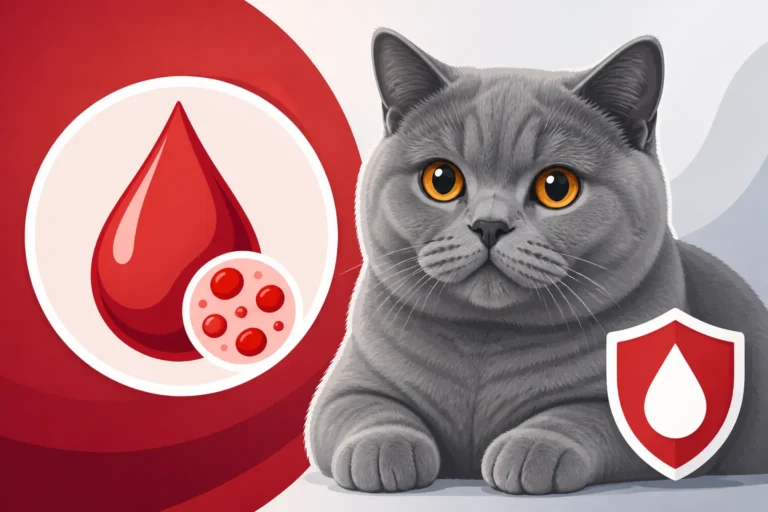
Hemophilia B is a hereditary bleeding disorder caused by a deficiency in Factor IX, one of the crucial proteins needed for normal blood clotting. Imagine a tiny internal repair crew constantly working to patch up minor scrapes and bumps inside the body. If your British Shorthair has Hemophilia B, it's like a vital member of that crew is missing or not doing their job properly. Without enough functional Factor IX, the blood's ability to clot effectively is severely compromised, leading to prolonged bleeding even from minor injuries or spontaneous hemorrhages.
This condition is also sometimes called Christmas disease, named after Stephen Christmas, the first human patient in whom Factor IX deficiency was identified. In cats, it manifests very similarly to how it does in humans. The severity can vary, from mild cases where bleeding episodes are infrequent and manageable, to severe forms where even a small cut or an internal bruise can become life-threatening. Owners often don't realize their cat has it until a medical event occurs, which can be terrifying and heartbreaking.
How Does Hemophilia B Affect British Shorthairs?
For a British Shorthair living with Hemophilia B, life can be fraught with unexpected dangers. The signs can range widely, making diagnosis tricky without specific testing. You might notice unusual bruising appearing without any obvious trauma, or prolonged bleeding from a tiny scratch that would normally stop in minutes. Sometimes, it's the more subtle internal bleeding that poses the greatest threat, leading to lameness if blood accumulates in a joint, or lethargy and weakness if there's bleeding into body cavities.
Perhaps the most common scenario where Hemophilia B becomes devastatingly apparent is during or after a surgical procedure, like a routine spay or neuter, or following an accidental injury. A cat that seems perfectly healthy might experience uncontrollable bleeding post-surgery, requiring emergency transfusions and intensive care. This is a terrifying situation for any owner and often the first grim indicator of an underlying clotting disorder. For example, a minor dental procedure or a simple claw trim could turn into a serious medical emergency, revealing the hidden genetic flaw. You can learn more about What Hemophilia B Does to a British Shorthair to understand the full spectrum of its effects.
The Genetic Basis of Hemophilia B in Cats
Understanding the genetics behind Hemophilia B is key to appreciating why certain cats are affected and others are not. Hemophilia B is an X-linked recessive disorder. What does that mean in plain English? Cats, like humans, have sex chromosomes: females typically have two X chromosomes (XX), and males have one X and one Y chromosome (XY). The gene responsible for producing Factor IX is located on the X chromosome.
Because the gene is recessive, a female cat would need two copies of the faulty gene (one on each X chromosome) to actually show symptoms of Hemophilia B. This is very rare. More commonly, female cats with one normal X chromosome and one X chromosome carrying the faulty gene are considered "carriers." They usually don't exhibit symptoms themselves because their healthy X chromosome compensates by producing enough Factor IX. However, these carrier females can pass the faulty gene on to their offspring.
Male cats, on the other hand, are much more susceptible. Since they only have one X chromosome, if that X chromosome carries the faulty Hemophilia B gene, there's no second X chromosome to provide a healthy copy. Therefore, any male cat inheriting a faulty X chromosome will be affected by the disease. This is why you'll overwhelmingly see males suffering from Hemophilia B, while females typically remain asymptomatic carriers. This distinction is incredibly important for breeders, as it dictates how the condition can spread through a breeding line.
The Search for a Specific British Shorthair DNA Test
When you’re dealing with a genetic condition, the first thing many of us want to know is if there's a simple test, a DNA swab, that can give us answers. For British Shorthair Hemophilia B, the landscape of testing has evolved, and it's essential to understand what's available and what limitations might still exist.
The Current State of Genetic Testing for Hemophilia B
The good news is that advancements in veterinary genetics mean that DNA tests for Hemophilia B do exist for cats. However, it's not always a one-size-fits-all situation across all breeds. Different breeds, and sometimes even different lines within a breed, can carry distinct mutations that lead to the same condition. This means a test developed for, say, a Devon Rex might not detect the specific mutation present in a British Shorthair, even though both breeds could suffer from Hemophilia B.
Historically, diagnosing Hemophilia B relied heavily on Factor IX activity assays, which measure the actual amount of functional Factor IX in a cat's blood. While accurate for affected cats, these tests can sometimes be less definitive for identifying carriers, whose Factor IX levels might be borderline or fluctuate. Thankfully, for the British Shorthair specifically, several reputable veterinary genetics laboratories now offer DNA tests that can identify known mutations associated with Hemophilia B (Factor IX deficiency) in the breed. This is a significant step forward, providing a much clearer picture for breeders and owners.
Why a Dedicated British Shorthair Test is Needed
While general feline genetic tests are a starting point, a truly dedicated British Shorthair-specific DNA test targets the exact mutations known to cause Hemophilia B within that breed. This precision is vital. Imagine trying to find a specific key in a giant keyring. If you know exactly what the key looks like (the specific genetic mutation), you can find it much faster and more reliably. Without that breed-specific knowledge, a general test might miss a mutation unique to British Shorthairs, giving a false sense of security.
The process of identifying these specific mutations is complex, involving extensive research, genetic mapping, and collaboration between veterinary geneticists and breed clubs. For British Shorthairs, researchers have identified specific Factor IX gene mutations that cause Hemophilia B. Labs offering tests for British Shorthair Hemophilia B are targeting these known mutations. This means that if your British Shorthair is tested by one of these labs, they are specifically looking for the genetic variants that have been documented in the breed to cause the disease. This targeted approach is far more reliable than a generic feline test that might not be designed with the British Shorthair's genetic quirks in mind.
The Importance of Knowing Carrier Status
For responsible breeding, knowing a cat's carrier status for Hemophilia B is paramount. As we discussed, female British Shorthairs can carry the faulty gene without showing any symptoms themselves. If a carrier queen is bred to a male, or if two carrier cats are bred together (though a male carrier would be affected himself), there's a significant risk of producing affected kittens. Specifically, if a carrier female is bred to a non-carrier male, roughly half of her male kittens will be affected, and half of her female kittens will be carriers. If a carrier female is bred to an affected male, the risks escalate dramatically, potentially producing affected males and both affected and carrier females.
Therefore, for breeders, testing is not just about identifying sick animals, but about preventing the disease from being passed down through future generations. By identifying carriers, breeders can make informed decisions, choosing to remove carriers from their breeding program or breeding them only to tested, clear mates to avoid producing affected offspring. Understanding Whether Two British Shorthair Hemophilia Carriers Should Be Bred is a critical piece of the puzzle for maintaining a healthy gene pool. This proactive approach helps to gradually reduce the prevalence of the Hemophilia B gene within the British Shorthair population, ensuring healthier cats for everyone.
Available Testing Methods for British Shorthairs
Okay, so we've established that the DNA tests for Hemophilia B in British Shorthairs do exist, and they're incredibly valuable. But what exactly do these tests entail, and how do they work? Let's dive into the practical aspects of getting your British Shorthair tested.
Factor IX Activity Assays
Before the widespread availability of DNA tests, Factor IX activity assays were the primary method for diagnosing Hemophilia B. These are blood tests that measure the functional activity of Factor IX in a cat's plasma. Essentially, it assesses how well that critical clotting factor is doing its job.
For a British Shorthair that is actively bleeding or suspected of having a clotting disorder, this test is still incredibly useful. A cat with Hemophilia B will have significantly reduced Factor IX activity levels, confirming the diagnosis. However, for identifying carrier females, the picture can be a bit more nuanced. Carriers might have Factor IX levels that are slightly lower than normal, but often still within a range that prevents clinical symptoms. This can make a definitive "carrier" diagnosis based solely on activity levels challenging, as results can sometimes overlap with low-normal ranges or be influenced by other factors. This is where DNA testing truly shines, as it looks directly at the genetic blueprint rather than the end product.
General Feline Hemophilia B DNA Tests
As mentioned earlier, generic feline DNA tests for Hemophilia B exist, often covering mutations identified in several breeds. However, the most reliable approach for British Shorthairs is to seek out laboratories that specifically list or offer tests for Factor IX deficiency in British Shorthairs. These labs have typically identified the specific mutation(s) relevant to the breed, ensuring a targeted and accurate result.
For instance, laboratories like UC Davis Veterinary Genetics Laboratory in the United States or Antagene and Laboklin in Europe are well-known for offering comprehensive genetic testing services for purebred cats, including tests for Hemophilia B mutations found in British Shorthairs. When you submit a sample (usually a simple cheek swab or blood sample), the lab will analyze the cat's DNA for the presence of the specific mutation(s) known to cause Factor IX deficiency in the British Shorthair breed. This direct genetic analysis determines whether the cat is clear, a carrier, or affected, providing definitive answers. If you're wondering Which Lab Runs the British Shorthair Hemophilia Test, these are excellent places to start your research. Always verify with the lab directly that their test covers the relevant mutations for the British Shorthair breed, as new research can always emerge.
Interpreting Test Results
Once your British Shorthair's sample has been processed, you'll receive a report detailing the genetic findings. These results are usually straightforward:
- Clear/Normal: This means your British Shorthair does not carry the tested mutation for Hemophilia B and is therefore unlikely to develop the disease or pass it on to offspring (for the specific mutation tested). This is the ideal result for any breeding cat.
- Carrier: If your British Shorthair is female and receives a "carrier" result, it means she has one copy of the faulty gene and one normal copy. As an X-linked recessive disorder, she is generally healthy and will not show symptoms of Hemophilia B herself because her normal gene compensates. However, she can pass the faulty gene to her kittens. This is a crucial piece of information for breeders who must then carefully consider her breeding partners.
- Affected: This result means your British Shorthair, typically a male, has inherited the faulty gene and is expected to develop or already exhibit symptoms of Hemophilia B. In the case of a female, this would mean she inherited two copies of the faulty gene, one from each parent, which is rare but possible. An affected cat requires careful management throughout its life to prevent and address bleeding episodes.
Understanding these results is vital for both the health management of individual cats and for making responsible breeding decisions to improve the overall health of the British Shorthair breed.
The Importance of Breeder Screening and Responsible Practices
As prospective British Shorthair owners, it's not just about what we can do, but also about supporting breeders who prioritize health. Genetic screening for conditions like Hemophilia B is a cornerstone of ethical and responsible breeding.
Why Health Screening is Paramount for Breeders
For dedicated British Shorthair breeders, health screening is non-negotiable. It's an ethical commitment to the welfare of their cats and the future of the breed. By rigorously testing their breeding stock for genetic diseases like Hemophilia B, they aim to produce healthy kittens and reduce the incidence of inherited conditions. This isn't just about avoiding a "sick" kitten; it's about safeguarding the genetic health of entire lines.
A comprehensive health screening program for British Shorthairs typically goes beyond just Hemophilia B. It includes checks for other prevalent conditions such as Hypertrophic Cardiomyopathy (HCM) and Polycystic Kidney Disease (PKD). Each of these conditions has its own screening protocols, but the underlying principle is the same: identify potential genetic risks before they manifest or are passed on. A breeder who invests in thorough health panels, including DNA tests for Hemophilia B, is demonstrating a deep understanding and commitment to responsible practices. This kind of dedication helps ensure that the delightful, placid temperament and robust appearance of the British Shorthair are matched by robust health. If you want to know What a British Shorthair Breeder Should Have Tested, Hemophilia B is definitely on that list.
What Prospective Owners Should Ask
When you're looking for a British Shorthair kitten, you're not just buying a pet; you're investing in a family member for the next decade or more. This is why asking the right questions of a breeder is so incredibly important. Don't be shy about inquiring about health testing. A reputable breeder will welcome your questions and be transparent about their practices.
Specifically, for Hemophilia B, you should ask if the breeding cats (both the queen and the stud) have been DNA tested for Factor IX deficiency mutations relevant to British Shorthairs. Request to see documentation of these test results. They should be able to provide clear certificates from a reputable veterinary genetics lab, showing that the parents are "clear" or, in the case of a female, perhaps a "carrier" status with a clear explanation of how they manage that in their breeding program. If a breeder is vague, dismissive, or claims they "know" their lines are clear without providing documentation, it should be a red flag. Knowing Which Questions to Ask a British Shorthair Breeder can make all the difference in finding a healthy companion. Remember, a good breeder will be proud to share their health clearances with you.
Living with a British Shorthair Carrier or Affected Cat
If you happen to acquire a British Shorthair that is a carrier for Hemophilia B, the good news is that typically, female carriers live perfectly normal, healthy lives without any symptoms. They produce enough Factor IX from their healthy X chromosome to maintain normal clotting function. The primary implication for a carrier is that they should not be used for breeding, to prevent the continuation of the faulty gene. If you have a female carrier, it's a simple matter of ensuring she is spayed.
Living with an affected British Shorthair, particularly a male, requires much more vigilance and proactive care. These cats will be prone to bleeding episodes, which can be internal or external. Owners need to be extra cautious about preventing injuries, avoiding rough play, and ensuring a calm environment. Regular veterinary check-ups are essential, and your vet needs to be fully aware of the Hemophilia B diagnosis. Any minor injury, lameness, or signs of discomfort should warrant immediate veterinary attention, as it could indicate internal bleeding.
Managing an affected cat can be emotionally and financially demanding, often involving blood transfusions or specialized treatments during acute bleeding crises. This is where pet insurance can become a lifeline. Companies like Healthy Paws offer comprehensive coverage for accidents and illnesses, which can significantly alleviate the financial burden of managing a complex condition like Hemophilia B. While most policies won't cover pre-existing conditions (meaning a diagnosis before you get insurance), having a good policy in place early for unexpected health issues is always a smart move for any British Shorthair owner.
Costs and Considerations for Hemophilia B Testing
Let's be realistic – health testing, while invaluable, comes with a cost. Understanding these expenses and weighing them against the long-term benefits is part of responsible British Shorthair ownership.
What the DNA Test for British Shorthair Hemophilia B Costs
The cost of a DNA test for British Shorthair Hemophilia B can vary depending on the laboratory, your geographical location, and whether you're testing for Hemophilia B alone or as part of a larger genetic health panel. Generally, you can expect to pay anywhere from $50 to $150 USD for a single DNA test for Factor IX deficiency. Some labs might offer discounts if you're testing multiple cats or if you bundle it with other genetic tests.
For instance, a lab like UC Davis or Antagene might have slightly different pricing structures. It's always a good idea to check their current fee schedules online or contact them directly. The sample collection itself, often a simple cheek swab, can be done at home, saving you a vet visit fee, or your vet can collect a blood sample during a routine visit. When considering What the British Shorthair Hemophilia B Test Costs, remember this is a one-time expense that provides lifelong genetic information. Compare this to the potentially astronomical costs of treating an affected cat with severe bleeding episodes, and the test begins to look like a very sound investment.
The Value of Investing in Genetic Health
It's easy to look at the cost of a DNA test and wonder if it's truly necessary, especially if you're a pet owner and not a breeder. However, investing in genetic health for your British Shorthair is an investment in peace of mind and, potentially, in a longer, healthier life for your cat. Imagine the anguish of discovering your beloved kitten has a severe bleeding disorder after a routine vaccination or a minor bump – an anguish that could have been avoided with proactive testing.
The upfront cost of a genetic test is a fraction of what you might spend on veterinary care for an affected cat. Treatment for a severe Hemophilia B episode can easily run into thousands of dollars, involving transfusions, extended hospital stays, and specialized medications. This doesn't even account for the emotional toll it takes on you as an owner. This is where comprehensive pet insurance from providers like Healthy Paws becomes so important. While genetic testing itself might not be covered, a good policy can cover a significant portion of the costs associated with accidents and illnesses that may arise, including those from a diagnosed genetic condition (provided it wasn't pre-existing). The peace of mind that comes from knowing your British Shorthair is genetically clear of this devastating disease, or from being prepared for it, is truly invaluable.
Future Outlook for British Shorthair Hemophilia B Research
The field of veterinary genetics is constantly advancing, bringing new hope for managing and eradicating inherited diseases. For British Shorthair Hemophilia B, researchers continue to study the genetic mutations present in the breed, aiming to identify all potential variants and develop even more comprehensive screening tools. As more British Shorthairs are tested, the data gathered helps geneticists understand the prevalence and distribution of the faulty gene within the global British Shorthair population.
This ongoing research is crucial for breeders who are committed to improving the breed's health. It means that tests may become even more accurate and cover a wider array of mutations in the future. Breed clubs and individual breeders often collaborate with university research programs, contributing samples and data to further this understanding. The goal is to reach a point where Hemophilia B becomes a rarity, a condition effectively managed and eliminated through diligent and widespread genetic screening. By choosing a reputable breeder who actively participates in these health initiatives, you're not just getting a kitten; you're supporting the future health and longevity of the entire British Shorthair breed.
Testing Methods for British Shorthair Hemophilia B
| Test Type | What It Measures | How It's Done | Pros | Cons | Ideal Use Case |
|---|---|---|---|---|---|
| Factor IX Activity Assay | Functional levels of Factor IX | Blood sample from cat | Diagnoses affected cats with certainty | Less reliable for identifying asymptomatic carriers | Diagnosing clinically affected cats |
| DNA Test (Breed-Specific) | Presence of known F9 gene mutation(s) | Cheek swab or blood sample | Highly accurate for carriers and affected cats | Only tests for known mutations (though comprehensive for BSH) | Screening breeding stock, confirming genetic status |
Disclaimer
This article is for general informational purposes only and does not constitute professional advice. Laws, prices and regulations vary by location and change over time. Consult a qualified professional for guidance on your specific situation.