Why Blue Is the Only British Shorthair Color People Know
The British Shorthair is famous in blue, so it is easy to assume blue is the breed’s only color. That impression comes from a mix of history, familiar images, and the popularity of the plush blue coat—not from a rule that excludes other colors. This guide explains why blue became the best-known shade and how to recognize the wider range.
Why blue became the British Shorthair’s signature color
Blue is the image most people meet first
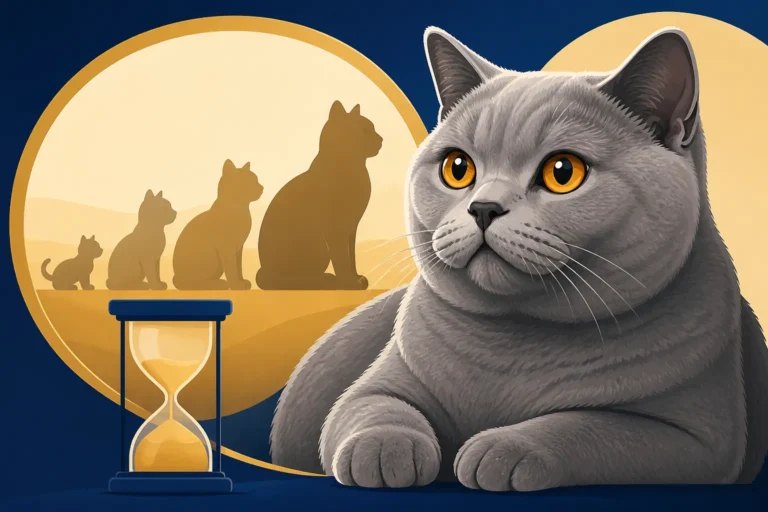
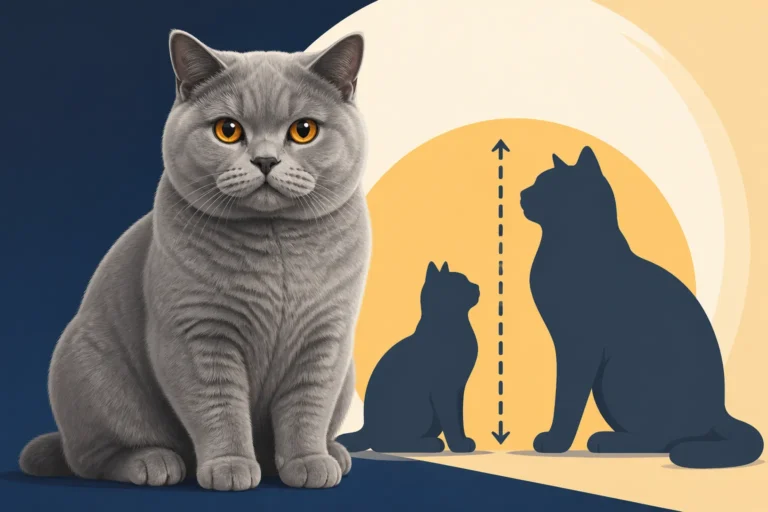
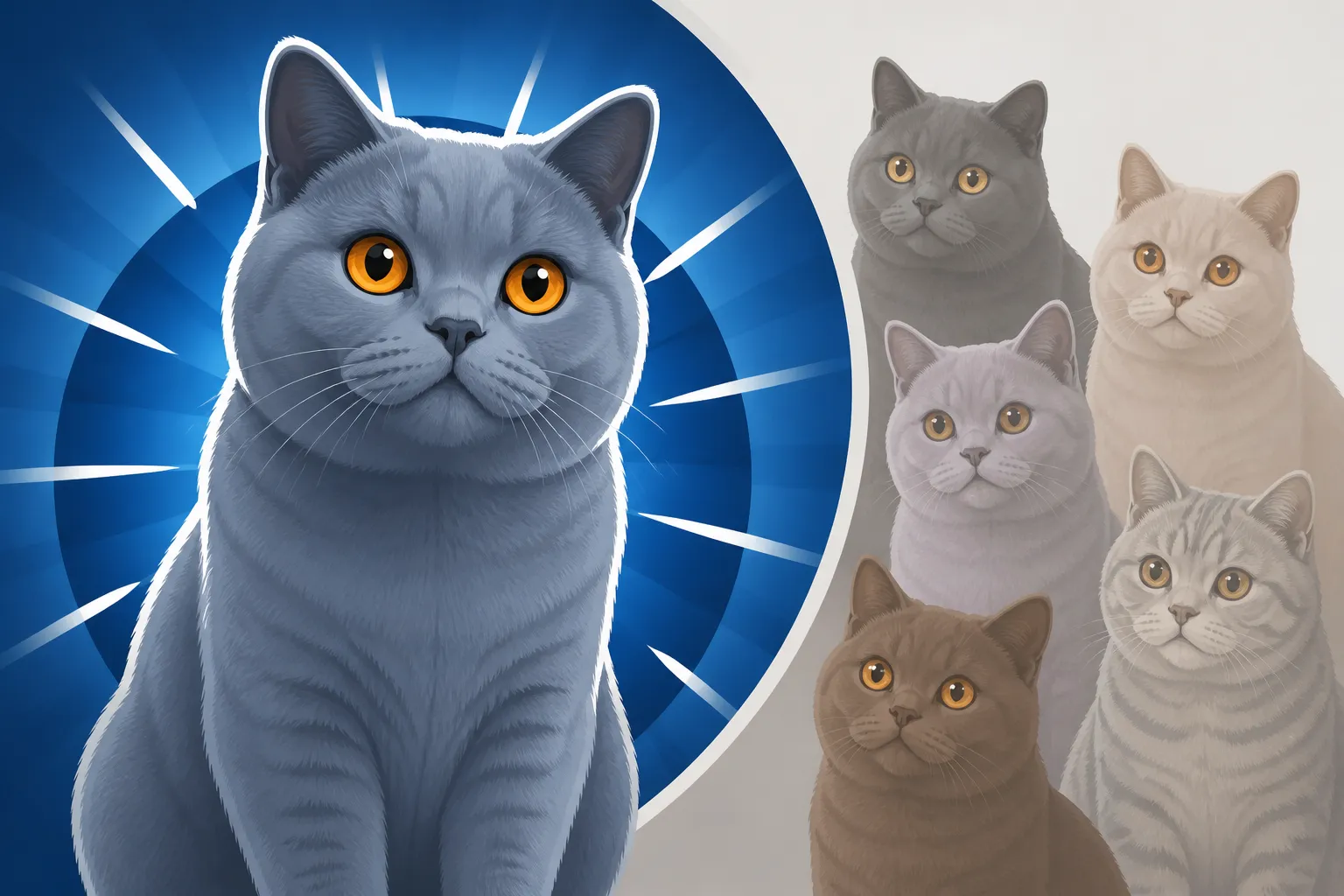
The classic British Shorthair many people picture has a round face, dense blue-gray fur, and copper or gold eyes. That combination is striking and easy to recognize, which makes it especially effective in photographs, advertisements, and breed illustrations. When one look is repeated often enough, it can start to feel like the only legitimate one.
The familiar image also benefits from strong contrast: the warm eye color stands out against the cool coat, and the breed’s plush texture shows clearly in photographs. A tabby pattern, white markings, or a lighter coat may be just as valid, but can look less like the instantly recognizable “teddy bear” people have seen before. That is how a popular example can become shorthand for an entire breed.
Blue’s reputation is not unique to the British Shorthair. A cat breed or variety can become closely associated with one look when that look is prominent in pictures and popular culture. For more on how this specific association took hold, see Why the Blue Is the Best Known British Shorthair.
The name “British Blue” reinforces the impression
People often use “British Blue” to describe a blue-coated British Shorthair. The phrase is memorable, and it can sound as though “British Blue” is a separate breed or the breed’s official name. It is more helpful to think of blue as a coat color within the British Shorthair breed. A cat does not become a different breed simply because its coat is blue.
That naming habit has a practical effect: someone searching for the breed may see “British Blue” far more often than names for less familiar colors. Then the search results, photos, and conversations reinforce the same assumption. If you have wondered whether the label means a separate breed, Whether the British Blue Is a Separate Breed From the British Shorthair explains the distinction.
The shorthand can also create confusion when browsing kitten descriptions. A listing that says “blue” tells you something about coat color, not necessarily about pedigree, health screening, temperament, or quality of breeding. Those are separate questions to ask a breeder or rescue organization. Color is visible; responsible breeding practices need to be discussed and documented.
Familiarity can make other colors seem unusual
When people see blue British Shorthairs repeatedly, other colors may look like exceptions—even when they are recognized varieties. A golden shaded cat, a tabby, or a black British Shorthair may prompt someone to ask whether it is really a British Shorthair. That reaction says more about what the person has seen than about the cat’s identity.
The breed has a much broader palette than its best-known look suggests. Depending on the registry and applicable breed standard, accepted colors and patterns can include solid shades, tabby patterns, tortoiseshell, and combinations involving white. For an overview of the range, see Which Colors a British Shorthair Comes In.
What “blue” means in a cat’s coat
Blue is a diluted black coat color
In cat-color terminology, “blue” usually describes a soft gray coat produced by dilution of black pigment. It does not mean the fur is literally the bright blue of a painted object. Depending on the lighting and the individual cat, the coat may look pale gray, slate, or like a muted blue-gray. The name is traditional and can be surprising if you are encountering it for the first time.
That difference between the technical color name and ordinary color words explains why photographs can be confusing. A blue coat may look warmer or cooler under indoor lighting, and a phone camera can shift its appearance further. If you are comparing kittens in photos, try not to treat a small difference in screen color as proof that two cats have different registered colors.
A blue British Shorthair is usually expected to have an even-looking coat rather than obvious stripes or patches, though the precise requirements depend on the relevant standard and the cat’s age. Kittens can also show temporary signs of patterning or coat changes as they mature. If you want a closer visual description, see What a Blue British Shorthair Looks Like.
Coat color and eye color are related to appearance, not breed identity
The familiar blue British Shorthair is often pictured with copper or gold eyes, a pairing that helps explain its memorable look. But not every British Shorthair of every color has the same eye color. Coat color and pattern can be associated with different eye-color expectations in breed standards, and the details vary by variety.
This is one reason a single photograph is a poor guide to the whole breed. A blue cat with copper eyes may fit the classic image, but another color may have a different accepted eye color. The eye color itself does not turn a cat into a separate breed, and it should not be used alone to decide whether a cat is pedigreed. For a fuller look at the range, see Which Eye Colors a British Shorthair Has.
Color also does not tell you what a cat’s personality will be like. It is tempting to attach a temperament to a familiar shade, especially when social media repeats the same jokes or stereotypes, but individual cats vary. Their upbringing, health, environment, and experiences matter far more to day-to-day behavior than whether their fur is blue, cream, or patterned. See Whether Coat Color Changes a British Shorthair's Nature for more on that distinction.
How other British Shorthair colors differ from the familiar blue
Solid colors and patterned coats
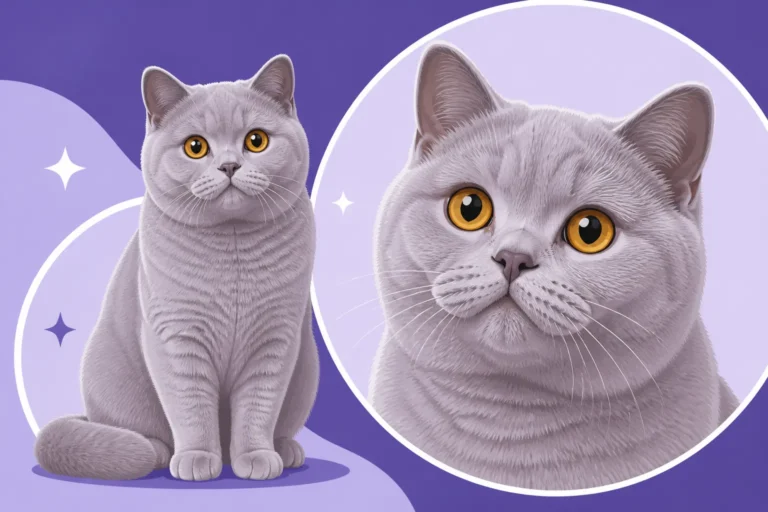
Blue is only one of the solid colors people may encounter. British Shorthairs can also appear in colors such as black, white, cream, red, chocolate, lilac, and others recognized under particular standards. Some shades are less familiar to the public, and names such as “lilac” or “cinnamon” may not match the everyday meaning of those words exactly.
Patterns broaden the range further. Tabby British Shorthairs can have visible markings, while tortoiseshell cats show a mixture of colors. Shaded and tipped coats can look especially different from the classic solid blue because the hairs have contrasting color along their length. The result may appear softly blended rather than like a single flat shade.
A cat’s coat can also be described by both color and pattern. “Blue tabby,” for example, is not simply another way to say solid blue. If a breeder or registry uses a specific color name, ask what that label means and whether the cat’s registration documents use the same description. For an overview of the number of recognized varieties, How Many Colors the British Shorthair Standard Allows is a useful companion.
| Coat description | What it generally means | Why it may be less familiar |
|---|---|---|
| Blue | A diluted black shade that often looks gray or blue-gray | It is so strongly associated with the breed that people may mistake it for the only option |
| Black or white | A solid coat in the named color | Less often used in the classic British Shorthair image |
| Tabby | A coat with visible stripes, swirls, or other tabby markings | The pattern contrasts with the familiar solid blue look |
| Tortoiseshell | A mixture of colors across the coat | The varied markings look very different from a single-color coat |
| Shaded or tipped | Individual hairs have contrasting color, creating a blended appearance | The overall shade can be harder to describe from a photograph |
The table is a broad orientation, not a complete registration guide. Standards differ between cat registries, and color terms can be precise. If pedigree status matters, use the registration information and ask the breeder or organization to explain the specific variety rather than relying on a social-media caption.
The same breed can look surprisingly different
A British Shorthair’s build and coat texture help identify the breed, but color and pattern can dramatically change its overall impression. A silver-shaded cat may look much brighter than a blue one; a tabby may seem more alert or wild-looking because the markings emphasize the eyes and face. Those visual differences can make people underestimate how much variety exists within the breed.
It is also easy to confuse similar-looking cats. A blue British Shorthair and a Russian Blue can both have gray-blue fur, but their overall body shape, head shape, coat texture, and breed background differ. Color alone is not enough to identify either one. If you are comparing the two, How a British Shorthair's Coat Differs From a Russian Blue can help you focus on features beyond coat shade.
When looking at a kitten, remember that appearance can change as the coat develops. A kitten’s early coloring may not show the adult coat’s final richness, pattern clarity, or texture. Ask to see current photographs of the kitten and, where possible, adult relatives. That gives a more realistic sense of how a particular line matures than assuming every British Shorthair will look like the classic blue adult.
How the breed’s history and presentation shaped its image
A long show tradition helped make one look familiar
The British Shorthair’s public image developed through breed showing, written standards, illustrations, and later photography. Cat shows gave breeders and audiences a way to compare cats and discuss desirable features. Over time, certain examples became especially memorable, and blue cats were a natural fit for a clean, cohesive visual image.
The breed’s history is not simply a story of one coat color being invented and then becoming the whole breed. Breeding and show preferences changed over time, and the breed’s appearance developed through different influences. For a look at an important moment in that story, see What Happened to the British Shorthair at Crystal Palace.
Show descriptions can also make coat color feel more central than it is for a pet owner. A standard gives judges a framework for evaluating a cat’s features; it does not mean every household cat needs to match one idealized photograph. A British Shorthair with a recognized non-blue color can still be a British Shorthair, even if it does not resemble the image most people know.
Advertising and online photos keep repeating the classic look
A distinctive image is useful in advertising because people recognize it quickly. The round face and dense blue-gray coat make a simple visual signal for “British Shorthair,” so the same look gets reused. When a familiar image appears on product packaging, breed pages, or social posts, it gains even more recognition and can crowd out less common examples.
Online photos add another layer of confusion. Search results tend to show the images that attract the most attention, not a carefully balanced sample of every recognized color. A person who searches the breed and sees page after page of blue cats may reasonably conclude that blue is the standard or only option. It is an understandable assumption, but it is not a reliable guide to the breed’s full color range.
The best way to correct that impression is to look at several sources of breed information and compare cats by more than coat color. Consider body shape, head, coat density, age, and the cat’s registration details. If you are researching a particular color, ask for its full name and how the breeder or registry records it. That turns a vague “Is this one real?” question into a more useful conversation about identification and documentation.
Blue remains the color most people associate with the British Shorthair because it is visually memorable and widely repeated. It is not the only color that can belong to the breed. Once you know that “British Blue” describes a color rather than a separate breed, and that recognized varieties extend beyond solid blue, the familiar image becomes one example of a much broader British Shorthair palette.
Disclaimer
This article is for general informational purposes only and does not constitute professional advice. Laws, prices and regulations vary by location and change over time. Consult a qualified professional for guidance on your specific situation.