When the CFA Recognized the British Shorthair
Many prospective British Shorthair owners or enthusiasts often wonder about the breed's official journey into the spotlight, particularly regarding its recognition by major cat registries like the Cat Fanciers' Association (CFA). It's not always clear when this beloved breed achieved its current esteemed status, leading to questions about its history and lineage. This guide will take a deep dive into the historical timeline, shedding light on when the CFA formally recognized the British Shorthair and what that milestone truly meant for the breed and its dedicated fanciers, and ultimately, for you.
The Foundations of the British Shorthair Breed
The British Shorthair, with its distinctive 'teddy bear' appearance and placid temperament, has a history stretching back far longer than formal cat registries. It's easy to assume such a well-established breed always held a prominent place, instantly recognized and celebrated. However, its journey to official recognition was a testament to the dedication of early fanciers and breeders, who saw the potential in these unassuming felines. Understanding its roots helps us appreciate the true significance of its eventual acceptance by organizations like the CFA, and why that date matters so much.
From Street Cat to Show Cat: An Evolving Identity
Imagine the bustling streets of Victorian England, filled with a myriad of life, and amidst it all, sturdy, short-haired cats diligently earning their keep as mousers. These were the humble ancestors of our modern British Shorthair – resilient, adaptable, and possessing an understated charm that was hard to ignore. They weren't initially bred to meet specific aesthetic standards; their value lay in their robust health and their formidable hunting prowess, crucial for keeping rodents at bay in homes, farms, and warehouses. To the average person, they were simply "British cats," a common and welcome sight.
The concept of formally recognizing and standardizing these cats was a revolutionary idea at the time. Prior to the late 19th century, cat ownership was far less about pedigree and much more about practicality and companionship. These were the everyday felines, found in homes, on farms, and even in alleyways across the country. Their natural evolution within the temperate British climate endowed them with their characteristic dense, water-resistant coats and cobby, powerful builds, perfectly suited to their environment. It’s a remarkable contrast to the carefully curated breeding programs we observe today, but this period laid the essential genetic groundwork and established the fundamental physical traits that breeders would later refine.
Harrison Weir and the Genesis of the Cat Fancy
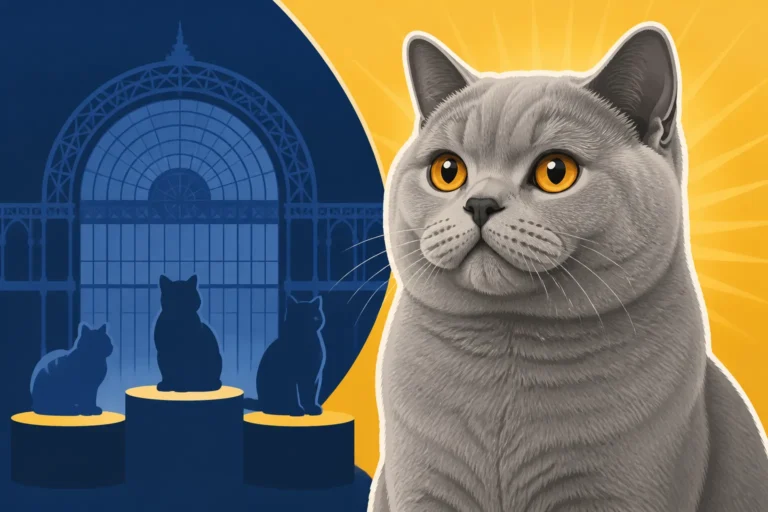
The true turning point for the British Shorthair, and indeed for the entire concept of cat fancy as we understand it, came with the visionary efforts of Harrison Weir. Often affectionately referred to as the "Father of the Cat Fancy," Weir was a multi-talented individual – an artist, writer, and a deeply passionate animal lover. He held a profound belief that cats deserved the same level of respect, organized showing opportunities, and formal recognition that dogs had already received. He championed the cause of the domestic cat, seeing inherent beauty, distinctiveness, and elegance in the common felines of Britain, which many others overlooked. His unwavering dedication and organizational skills culminated in the world's first organized cat show, an event that forever changed the perception of cats, held at the Crystal Palace in London in 1871.
This groundbreaking event marked the public debut of the British Shorthair as a distinct breed. Harrison Weir himself proudly exhibited a blue tabby British Shorthair, showcasing its unique potential and charm to a captivated audience. This was a monumental step, transitioning the perception of cats from mere utilitarian creatures or common pets to prized companions worthy of exhibition and detailed breed standards. It was the precise moment these robust, everyday cats began their ascent from anonymous working animals to formally defined breeds, setting the stage for the development of the rigorous breed standards and recognition processes that would eventually see them accepted by registries across the globe. For a deeper dive into this pivotal moment, Harrison Weir Put a British Shorthair on the Bench in 1871 offers fascinating insights.
Overcoming Adversity: The British Shorthair's Struggle for Survival
Even with such a strong and celebrated start, the British Shorthair's journey wasn't always a smooth path to widespread adoration. The breed faced significant hurdles and periods of immense global upheaval, particularly during wartime, which severely threatened its very existence. These challenges necessitated innovative breeding strategies and immense dedication from fanciers, highlighting the passion required to ensure the breed's survival and its eventual path to widespread recognition. It’s a stark reminder that even the most beloved breeds have faced their darkest hours.
The Devastating Impact of World Wars
The early to mid-20th century ushered in unprecedented challenges for cat breeding, especially across Europe. Both World War I and World War II had a catastrophic and almost fatal impact on the British Shorthair population. During these harsh wartime periods, resources became incredibly scarce, and keeping and breeding pedigree cats was understandably seen as a luxury that few could afford or justify. The realities of food rationing, the severe lack of suitable housing, and the general widespread disruption of daily life meant that many established breeding programs simply ceased to function, and tragically, many valuable bloodlines were lost forever. Travel restrictions during these conflicts also severely hampered any efforts to maintain breed integrity or share vital genetics among the scattered remaining fanciers.
The numbers of British Shorthairs dwindled to alarmingly low levels, pushing the entire breed to the very brink of extinction. It was a dark and uncertain period where the future of many established breeds, including our beloved British Shorthair, hung precariously in the balance. The focus of the few remaining dedicated breeders shifted dramatically from developing and refining the breed to a desperate struggle for pure preservation—clinging onto any remaining examples to prevent total disappearance. This dramatic decline underscored the inherent fragility of pedigree breeding, especially when faced with large-scale societal crises.
Rebuilding with Outcrossing: A Necessary Evolution
To save the British Shorthair from vanishing entirely, a brave and difficult decision had to be made by the surviving breeders: outcrossing. This controversial but essential strategy involved introducing other breeds into the British Shorthair gene pool. The goal was to increase genetic diversity, which had been severely depleted, and to bolster the alarmingly dwindling numbers. The primary breed used for this crucial rebuilding effort was the Persian. Persians contributed several desirable traits, including their incredibly dense coats, cobby bodies, and the characteristic round faces that enhanced the British Shorthair's distinctive "teddy bear" look. However, this also, inevitably, introduced new genetic material, some of which came with potential downsides.
While certainly a source of contention and debate at the time, this outcrossing proved to be a vital strategic move. Without it, it is highly probable that the British Shorthair breed would not exist in its current form today. The infusion of Persian blood was instrumental in re-establishing many of the breed's physical characteristics and, critically, expanded its genetic base, allowing a stronger, more viable population to emerge from the ashes of wartime devastation. Over time, careful and selective breeding worked to refine the desired traits and gradually remove the longer hair gene that occasionally appeared in litters, a direct legacy of the Persian influence. You can delve further into this challenging period and its impact in The Persians That Rebuilt the British Shorthair After the War. It's also an important historical note that this necessary outcrossing unfortunately led to the introduction of certain health concerns, such as Polycystic Kidney Disease Came Into the British Shorthair With the Persians, highlighting the complex trade-offs involved in breed preservation.
The British Shorthair's Grand Entrance to the CFA
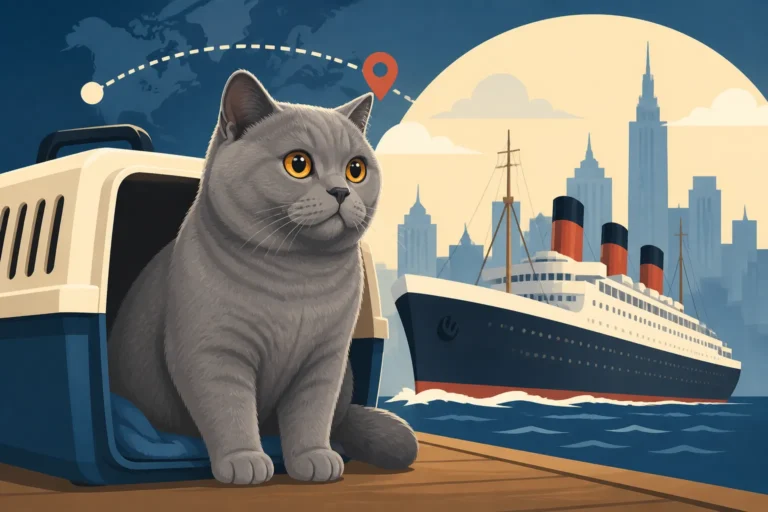
The journey across the Atlantic for the British Shorthair was a long and complex endeavor, marked by both fervent enthusiasm from its proponents and significant bureaucratic hurdles. For any breed to truly solidify its global status and achieve widespread recognition, acceptance by a prestigious North American organization like the Cat Fanciers' Association (CFA) was absolutely paramount. The CFA sets an incredibly high bar for entry, and the British Shorthair had to meticulously prove its consistency, health, and distinctiveness to earn its place among the established feline elite.
Early Efforts and Initial Resistance in the US
While the British Shorthair's historical roots were firmly planted in the UK, its presence in the United States was, for a long time, much less established. Enthusiastic American fanciers, captivated by the breed's unique charm, began importing British Shorthairs with the fervent desire to introduce them to American cat lovers. These early adopters faced the formidable challenge of not only educating the general public about the breed but, more critically, convincing the existing cat fancy establishment that the British Shorthair was a truly distinct and valuable breed. This was particularly difficult in an era when many short-haired cats were often simply lumped together as "domestic shorthairs" or mistakenly identified as other blue-coated breeds like the Russian Blue or Chartreux. Clearly articulating what made the British Shorthair unique was an uphill battle.
There was understandable initial resistance, often stemming from a simple lack of familiarity with the breed's specific characteristics and its long-established European lineage. Some within the American cat fancy might have viewed it as too similar to existing breeds or dismissed it as just another variant of the common house cat. Undeterred, dedicated breeders worked tirelessly, exhibiting their cats at every opportunity, showcasing their delightful temperaments, and diligently adhering to the emerging British standard. Their goal was to unequivocally demonstrate the breed's unique attributes and genetic purity. They had to articulate, with painstaking detail, precisely what made a British Shorthair a British Shorthair, ensuring it stood out from other short-haired felines. For more on this transatlantic journey, see When the British Shorthair Reached America.
The CFA's Deliberation and the Path to Recognition
The Cat Fanciers' Association (CFA), established in 1906, stands as one of the largest and most influential cat registries in the entire world. Gaining CFA recognition is an arduous, multi-step process that can span many years, often even decades. It demands consistent breeding efforts, the development of a clear and stable breed standard, and the presence of a sufficient number of high-quality cats distributed across various bloodlines to ensure genetic health and viability. Proponents of the British Shorthair had to present an exceptionally compelling case, meticulously demonstrating that their cats consistently met the stringent criteria of the breed's standard and possessed a robust, healthy genetic foundation.
The CFA's comprehensive process typically commences with a "Miscellaneous Class." In this stage, new breeds are exhibited for several years, primarily to gauge public and judicial interest, and critically, to ensure that the breed is indeed breeding true to type. Following this, a breed might advance to "Provisional Status." While this allows the breed to compete in championship classes, it comes with limitations – cats cannot yet vie for grand champion titles or national awards. This probationary period serves as a vital observation phase, allowing the CFA to monitor the breed's development, ensure genetic diversity is maintained, assess any emerging health trends, and confirm that the standard is being consistently met across a broad spectrum of breeders and geographic regions. Breeders meticulously tracked pedigrees and health records, ensuring that every cat presented for registration was unequivocally a purebred British Shorthair, distinct from any earlier outcrosses or mixed heritage. This stringent vetting was absolutely essential for the breed to earn its coveted place among the established feline elite.
The Official Milestone: CFA Recognition in 1980
After years of unwavering dedication, tireless effort, and persistent advocacy from countless breeders and fanciers, the British Shorthair finally achieved full championship recognition with the Cat Fanciers' Association in the momentous year of 1980. This was not merely an administrative decision; it was a monumental achievement that unequivocally solidified the breed's status in North America and heralded a new era of explosive growth and widespread popularity. Prior to this pivotal year, while British Shorthairs might have been registered, they were unable to compete for the highest titles—the Grand Champion and National Winner awards—which bring immense prestige, recognition, and widespread attention within the cat fancy world.
This official recognition meant that British Shorthairs could now compete fully and without restriction in CFA championship shows, earning the coveted Grand Champion titles and vying for prestigious Regional and National Winner accolades. It effectively opened doors for the breed to become far more widely known and highly sought after by prospective pet owners across North America. More than just a bureaucratic checkbox, it was a profound affirmation of the tireless work of those who had painstakingly preserved the breed through incredibly difficult times and championed its cause in the United States. The 1980 recognition was not simply a date on a calendar; it represented the culmination of generations of passion, commitment, and careful breeding, signaling the British Shorthair's secure and respected place within the global cat fancy. For more on this watershed moment, you might find valuable information in When the CFA Accepted the British Shorthair.
The Mechanics of Breed Recognition and Standards
Understanding what "recognition" truly entails helps to demystify the often complex world of pedigree cat breeding. It's far more than a simple rubber stamp; it's a rigorous, multi-faceted process designed to ensure the integrity, consistency, and future health of a breed. Different levels of recognition exist, each carrying its own set of implications for breeders, exhibitors, and ultimately, for those who choose to bring a British Shorthair into their home.
Provisional Versus Championship Status
When a new breed first seeks recognition from a major registry like the CFA, it almost never jumps straight to full championship status. Instead, there's typically a multi-stage probationary period. This often begins with what's referred to as the "Miscellaneous Class," or sometimes a breed might go directly to "Provisional Status." In the Miscellaneous Class, cats are exhibited primarily for educational purposes; judges get an opportunity to become familiar with the breed's characteristics, but the cats themselves do not compete for titles or ribbons. It’s essentially a "look and learn" stage, allowing the breed to gain initial exposure and public awareness.
Once a breed progresses to Provisional Status, it gains the ability to compete in championship classes, but with specific limitations. Provisional status signifies that the breed is deemed stable enough in its characteristics, and its standard is well-defined, but the registry still wishes to monitor its development and ensure its long-term viability. Cats in this class might earn points towards a championship, but they are generally precluded from achieving the highest titles, such as Grand Champion, or competing for best-in-show honors. This probationary period is crucial; it allows the registry to assess genetic diversity within the breed, observe any emerging health trends, and confirm that the breed standard is being consistently met across multiple breeders and geographical regions. It’s a vital step to ensure the breed is truly ready for the full rigors and expectations of championship competition.
The Importance of a Clear and Consistent Breed Standard
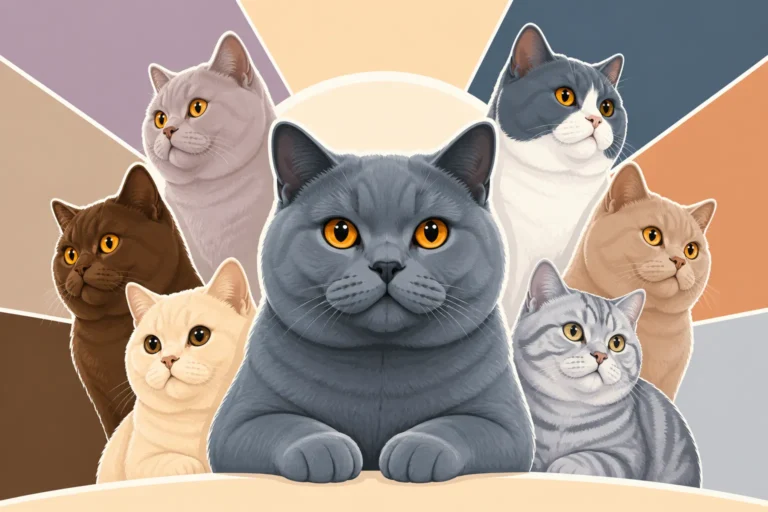
At the very heart of any breed's recognition, and indeed its continued existence and success, lies the breed standard. This isn't just a casual description; it's a highly detailed written blueprint that outlines the ideal characteristics of the breed, covering every aspect from head shape and eye color to coat texture and body type. For the British Shorthair, this meticulously describes its distinctive cobby body, round head, broad face, the incredibly short and dense "crisp" coat, and its usually large, round copper or gold eyes that contribute to its iconic expression. Understanding these detailed requirements is key, and The Round Head and Copper Eye a British Shorthair Is Judged On highlights many of these critical aspects of the British Shorthair standard.
A clear, unambiguous, and consistently applied breed standard is absolutely vital for several fundamental reasons. Firstly, it provides an indispensable guide for breeders, directing their breeding choices towards producing cats that embody the ideal traits of the breed and maintain its unique identity. Secondly, it offers judges a precise and objective set of criteria for evaluating cats in competition, ensuring fairness, uniformity, and consistency across all shows. Without a robust and adhered-to standard, a breed can quickly diverge into inconsistent types, losing its defining characteristics and unique identity. The CFA's acceptance of the British Shorthair in 1980 meant that their specific breed standard was fully adopted and recognized, giving breeders a definitive and universally accepted guide to work towards. This rigorous adherence ensures that when you encounter a British Shorthair, whether from one breeder or another, it consistently exhibits those unmistakable and cherished characteristics that make the breed so beloved.
The British Shorthair's Flourishing Popularity Post-Recognition
Since its official championship recognition by the CFA in 1980, the British Shorthair has enjoyed a significant and well-deserved surge in popularity, becoming one of the most beloved and instantly recognizable cat breeds worldwide. This acceptance didn't merely open doors for showing; it unequivocally cemented the breed's place in the hearts and homes of countless cat enthusiasts across the globe. It's fascinating to see how far they've come from their humble beginnings.
A Rise in Registrations and Global Appeal
The CFA's championship status bestowed a new level of prestige and visibility upon the British Shorthair, leading directly to a noticeable and sustained increase in its registration numbers. As more people became aware of the breed through competitive shows, online platforms, and word-of-mouth, demand for these charming felines grew exponentially. Owners were consistently drawn to its calm, affectionate demeanor, its robust health (especially when properly cared for), and its utterly charming, teddy-bear-like appearance. The British Shorthair's remarkable ability to adapt well to various home environments, coupled with its generally quiet and undemanding nature, made it an ideal companion for families, single individuals, and seniors alike.
Today, the British Shorthair consistently ranks among the top cat breeds in many registries globally, a truly remarkable comeback from its near-extinction status during the world wars. This broad global appeal is a powerful testament to the breed's inherent charm and the tireless, passionate work of generations of breeders who not only saved it from oblivion but also diligently polished it into the magnificent and widely adored feline we recognize today. The ease of finding specialized food, engaging toys, or even specific grooming supplies for such a popular breed, perhaps even from large online retailers like Chewy, is a direct and tangible benefit of its widespread recognition and sustained demand. You can explore its current standing in Where the British Shorthair Ranks Among Cat Breeds.
Maintaining Breed Health and Integrity
With the undeniable blessings of increased popularity also comes the significant responsibility to meticulously maintain the breed's health and genetic integrity. Reputable breeders fully understand that while demand for British Shorthairs is incredibly high, quality and ethical breeding practices must never, ever be compromised. This means adhering strictly to the established breed standard, diligently conducting comprehensive health screenings, and making profoundly informed breeding choices to prevent the unintentional proliferation of genetic issues. Organizations like the CFA provide invaluable resources and clear guidelines to support these crucial efforts, continually emphasizing the paramount importance of responsible and ethical breeding practices.
For example, a British Shorthair's diet is absolutely crucial for its long-term health, especially given its notorious tendency to gain weight due to its calm nature. Owners are often on the lookout for high-quality, balanced cat food options, and places like Chewy offer a wide and convenient selection of reputable brands specifically formulated for different life stages and specific dietary needs. Ensuring regular veterinary check-ups and remaining acutely aware of potential breed-specific health concerns like Hypertrophic Cardiomyopathy (HCM) or Polycystic Kidney Disease (PKD), even if they are now largely managed through consistent testing, remains an absolute top priority for conscientious owners. This careful, proactive stewardship ensures that the British Shorthair remains a healthy, robust, and thriving breed for future generations of fanciers and pet parents to enjoy. For more detailed information, Whether the British Shorthair Is a Healthy Breed provides a comprehensive overview of their health aspects.
The British Shorthair in the Modern Home
Today, the British Shorthair is far more than just a show cat; it is a deeply cherished and integral family member in homes around the world. Its remarkably adaptable nature means it thrives beautifully as an indoor cat, perfectly content with lounging peacefully nearby rather than constantly demanding attention or needing extensive outdoor adventures. They are generally quiet, dignified cats, preferring soft chirps and gentle purrs to loud, insistent meows, which many owners find incredibly endearing. Their low-key energy levels make them excellent companions for apartment dwellers, busy individuals, or those with a generally less active lifestyle. However, it’s vitally important to remember that even a calm and composed British Shorthair still needs mental stimulation and some form of physical enrichment to stay happy and healthy.
Interactive toys, sturdy scratching posts, and cozy, easily accessible beds are all essential components for their well-being. Many owners discover that their British Shorthair thoroughly enjoys a good wrestling session with a crinkly toy mouse or a gentle, enticing chase with a feather wand. Even if they appear stately and reserved, they absolutely appreciate attention and playtime, but often on their own terms and schedule. This gentle giant's enduring popularity is a powerful testament to its wonderful temperament, making it a perfect fit for a wide range of households seeking a loyal, affectionate, and relatively independent feline friend. For a deeper understanding of their character, What a British Shorthair's Temperament Is Really Like is an excellent resource. And for sourcing all these quality products, from specialized diets to enrichment toys, trusted retailers like Chewy can make daily life significantly easier for devoted British Shorthair owners.
Comparative Look: CFA vs. Other Registries
It's important to remember that the CFA, while highly prominent and influential, is just one of many international cat registries. Other equally esteemed organizations around the world also recognized the British Shorthair, sometimes earlier or later than the CFA, with each contributing significantly to the breed's global establishment and widespread acceptance.
Global Recognition Landscape
While the CFA holds a major position, particularly within North America, other organizations like The International Cat Association (TICA) and the Governing Council of the Cat Fancy (GCCF) in the United Kingdom also play absolutely crucial roles in the global cat fancy. The GCCF, being the native British registry, naturally recognized the British Shorthair much earlier, as it was their indigenous breed and the central focus of Harrison Weir's pioneering efforts back in the 19th century. TICA, a relatively newer registry known for its more progressive approach to recognizing new breeds, also accepted the British Shorthair, though their specific timeline might have differed slightly from the CFA's more established and often lengthier process.
Each of these influential registries operates with its own distinct set of rules, comprehensive breed standards, and specific timelines for recognizing new breeds or accepting existing ones from other regions. This inherently means that a breed might achieve "championship status" with one organization well before it does with another. This staggered recognition across different bodies reflects the independent nature of these organizations and their individual, often rigorous, processes for vetting and formally accepting breeds. Regardless of the specific year each granted its recognition, the collective acceptance by these major international bodies unequivocally signifies the British Shorthair's undeniable place as a legitimate, consistent, and much-loved pedigree cat.
Why Different Timelines Matter to Breeders
For British Shorthair breeders, the varying recognition timelines and specific requirements across different registries can have significant practical implications. A breeder whose primary goal is to show their cats in CFA-sanctioned events would naturally focus intensely on meeting CFA standards and meticulously understanding their specific recognition process. Conversely, a breeder operating in the UK might prioritize adhering to GCCF standards and regulations. This dynamic creates a fascinating interplay of global collaboration and regional influences on breed development, breeding strategies, and overall promotion.
The truly global nature of the cat fancy world means that breeders often engage in collaborative efforts across international borders, exchanging valuable breeding stock and sharing crucial knowledge. All the while, they must expertly navigate the specific requirements and nuances of various registries. The ultimate objective, however, remains universally consistent: to produce healthy, well-tempered cats that consistently adhere to their respective breed standards. The widespread recognition by multiple esteemed organizations like the CFA, TICA, and GCCF underscores the British Shorthair's universal appeal and its strong, consistent characteristics that deeply resonate with cat lovers and judges alike. This collective and comprehensive acceptance helps to ensure the breed's continued vitality, genetic health, and widespread availability, whether you're diligently searching for a promising show prospect or simply a beloved, cuddly family pet. Indeed, you can often find a wide array of British Shorthair-specific supplies, ranging from specialized dietary needs to stimulating enrichment toys, readily available on trusted online platforms like Chewy, a clear reflection of the breed's well-established and deeply cherished status in the contemporary pet market.
The British Shorthair's Lasting Legacy
The British Shorthair's remarkable journey from a common, utilitarian street cat to a globally recognized and highly cherished pedigree breed is a profound testament to its inherent qualities and the unwavering dedication of its advocates throughout history. Its recognition by the CFA in 1980 was not merely an administrative detail; it was a truly pivotal moment that solidified its place in the North American cat fancy world and paved the way for its enduring and widespread popularity.
A Beacon of Consistency and Temperament
What truly sets the British Shorthair apart, and what was undoubtedly instrumental in helping it achieve such widespread and enduring recognition, is its remarkable consistency in both its distinctive appearance and its delightful temperament. Breeders have worked with incredible diligence and passion over many decades to meticulously refine its signature "cobby" build, its wonderfully dense, plush coat, and those captivating, large round eyes that give it such an endearing expression. But beyond these striking aesthetics, it's the British Shorthair's unique personality that truly wins hearts and ensures its lasting appeal. Their calm, affectionate, yet commendably independent nature makes them absolutely ideal companions for a diverse range of households. They are renowned for their quiet dignity, preferring to observe the household from a comfortable, elevated perch rather than constantly demanding attention or instigating boisterous play.
This predictable and consistently gentle temperament is a huge draw for many prospective owners, as it allows them to confidently welcome a British Shorthair into their home, having a clear understanding of what to expect from their feline friend. This consistency, which has been carefully enshrined and promoted through rigorous breed standards and formal recognition by influential organizations like the CFA, has been absolutely key to the breed's lasting appeal and widespread adoration. For a deeper exploration of their unique character and disposition, What a British Shorthair's Temperament Is Really Like is an invaluable resource.
What Recognition Means for the Future
The CFA's recognition of the British Shorthair didn't just mark a historical date on a calendar; it provided a robust and essential framework for the breed's continued development and future health. It actively encouraged and fostered responsible breeding practices, unequivocally emphasized the critical importance of comprehensive health screening, and effectively promoted the British Shorthair to an even wider and more appreciative audience. Today, dedicated British Shorthair breeders continue this vital legacy, striving tirelessly to produce healthy, well-adjusted cats that embody the breed standard with integrity. This ongoing commitment ensures that the breed remains true to its historical origins while simultaneously adapting to modern breeding science and benefiting from continuous advancements in veterinary health.
For anyone considering bringing a British Shorthair into their home, understanding this rich and complex history provides invaluable context. It underscores the profound importance of choosing a reputable breeder who rigorously adheres to these established standards and consistently prioritizes the health, welfare, and responsible placement of their cats. The ease of accessing comprehensive information, finding specialized products, and benefiting from a supportive community for British Shorthair owners, perhaps through trusted online platforms like Chewy, is a direct and positive result of the breed's well-established and universally recognized status. This long, arduous, but ultimately triumphant journey of recognition is a promise of quality, care, and a future that continues to define the magnificent British Shorthair for generations to come.
| Registry | Year of Championship Recognition | Notes on Process and Global Focus |
|---|---|---|
| CFA | 1980 | Required initial exhibition in Miscellaneous Class, then Provisional Status before full Championship status. Primarily focuses on North American standard and judging. |
| GCCF | ~1900s | As the native British registry, they had early formal recognition after Harrison Weir's founding efforts. Continuous updates to the breed standard from its origin country. |
| TICA | ~1979 (Provisional), ~1981 (Championship) | Known for a generally more expedited process for new breeds, with a strong emphasis on genetic diversity and a global reach in its recognition standards. |
| FIFe | ~1949 (Full Status) | A major European registry. The British Shorthair's recovery and recognition efforts were critical post-WWII to re-establish the breed on the continent. |
This article is for general informational purposes only and does not constitute professional advice. Laws, prices and regulations vary by location and change over time. Consult a qualified professional for guidance on your specific situation.