When the CFA Accepted the British Shorthair
A reader checking the British Shorthair’s history can easily find different dates for breed recognition, show eligibility, and acceptance by different cat registries. The short answer is that the Cat Fanciers’ Association accepted the British Shorthair in 1980. This guide explains what that milestone means, how it fits into the breed’s history, and why it should not be confused with recognition by other organizations.
When the CFA accepted the British Shorthair
The key date is 1980
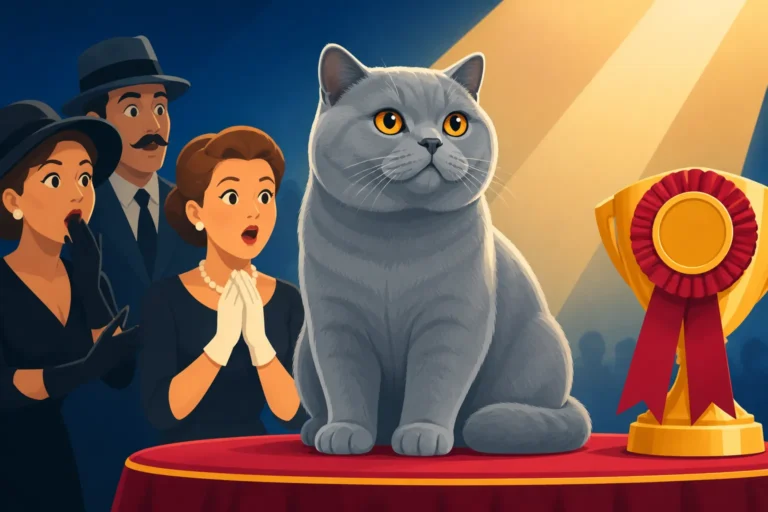
The Cat Fanciers’ Association, usually called the CFA, accepted the British Shorthair in 1980. That date refers specifically to the breed’s recognition by the CFA, a cat registry and show organization in the United States. It is not the date the British Shorthair first existed, first appeared in a cat show, or became recognized by every other registry.
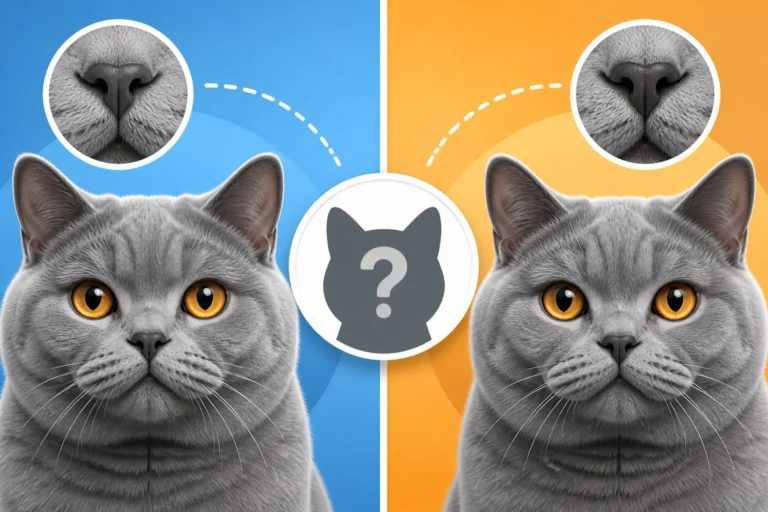
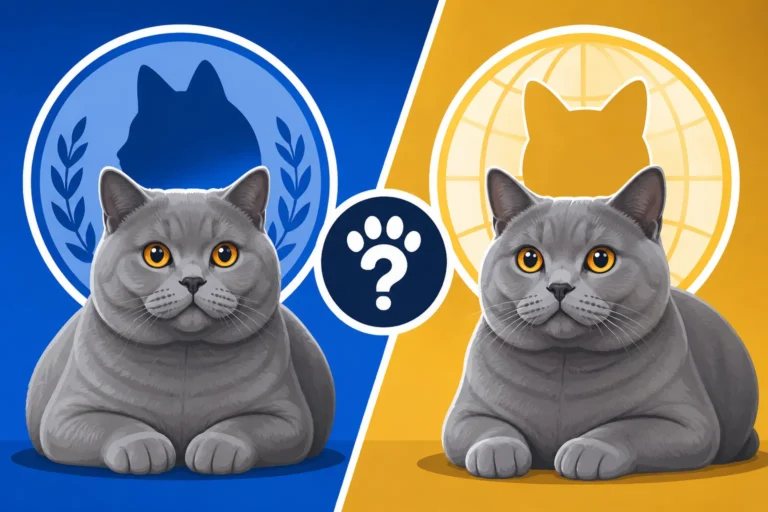
The distinction matters because cat breeds do not receive one universal approval that automatically applies worldwide. Each registry maintains its own rules, breed standards, and recognition process. So a question about when the CFA accepted the British Shorthair has a different answer from a question about when another association recognized it.
If you come across a different year while researching the breed, check which organization the date refers to. A timeline may mix together recognition by British and American organizations, or describe a breed’s history without naming a particular registry. For a broader look at the breed’s early background, see Where the British Shorthair Comes From.
What CFA acceptance means
CFA acceptance means the organization recognized the British Shorthair as a breed within its own system. CFA recognition gives the breed an established place in that registry’s records and show framework, where cats are evaluated according to the organization’s rules and standard.
It does not mean the CFA created the breed, or that the cats suddenly became British Shorthairs in 1980. The breed had a much longer history in Britain, and its development was shaped by breeding choices made over many decades. The CFA milestone is best understood as an important point in the breed’s recognition in the United States, rather than the beginning of the breed itself.
It also does not mean that a cat is automatically a show-quality example simply because it is registered as a British Shorthair. Recognition and individual quality are separate ideas. A registered cat may have characteristics that differ from the ideal described in a registry’s standard, just as an unregistered cat may resemble the breed without having documented pedigree records.
| Term | What it refers to | What it does not necessarily mean |
|---|---|---|
| Breed history | The development of the British Shorthair over time | Recognition by a particular registry |
| CFA acceptance | Recognition of the breed within CFA’s system in 1980 | The breed’s origin or first appearance |
| Registration | Recording a cat and its pedigree under a registry’s rules | A guarantee that the cat meets every show ideal |
| Show evaluation | Comparing an individual cat with the applicable standard | Proof that every cat of the breed looks identical |
How CFA recognition fits into the breed’s history
A British breed with a history older than its American recognition
The British Shorthair’s story began well before the CFA accepted it. The breed is associated with Britain and developed from domestic cats that were valued for practical qualities as well as appearance. Over time, organized breeding and cat shows helped shape the recognizable, sturdy type that many people picture today.
A breed’s history can be harder to trace than a single recognition date. Cats were not always documented with the same pedigree systems used by modern registries, and the names applied to them changed across periods and organizations. The British Shorthair’s development also included periods when breeders worked to rebuild or refine the population. The history of those changes is explored in Why British Shorthair Numbers Collapsed in the Wars and Which Breeds Rebuilt the British Shorthair.
The breed’s British identity is also reflected in its name, but names used for cats and breeds have not always been perfectly consistent. Older references may use different terminology or describe cats that do not map neatly onto today’s registry categories. For that reason, a historical account and a modern CFA registration record are answering different questions.
Why acceptance by one organization is not the same as acceptance everywhere
Different cat organizations make their own decisions about when and how to recognize a breed. They may have separate standards, application processes, and timelines. As a result, one registry’s acceptance date cannot be used as a shortcut for the breed’s status in another organization.
That is why it helps to name the registry when comparing dates. The CFA’s 1980 date belongs to CFA history. The International Cat Association has its own history of recognizing breeds, and its timing should be considered separately. You can explore that distinction in When TICA Recognized the British Shorthair.
Standards can differ, too. A cat that fits one organization’s written ideal may not be described in exactly the same way by another. These differences do not necessarily mean one registry is wrong; they reflect each organization’s own framework for defining and judging a breed. For a closer comparison, see Whether GCCF and CFA British Shorthair Standards Differ and Which Registry Standard a British Shorthair Is Judged Against.
What acceptance changed and what it did not
Recognition helped establish the breed in CFA’s system
When a major registry accepts a breed, it gives breeders and exhibitors a formal structure for identifying and presenting that breed under the organization’s rules. For the British Shorthair, CFA acceptance in 1980 was therefore a meaningful milestone in the breed’s recognition in the United States.
It also helps explain why American breed histories sometimes focus on a date that comes much later than the breed’s origins. Someone looking at CFA records is following the breed’s timeline within that registry, not recounting every stage of its development in Britain. Keeping those timelines separate makes the history less confusing.
A show standard is a written description of the traits an organization considers typical or desirable. It helps judges assess individual cats consistently within that system. The standard is not a complete account of a cat’s health, temperament, or suitability as a companion. And it does not mean every British Shorthair must look exactly alike.
It did not create the blue British Shorthair or define the whole breed
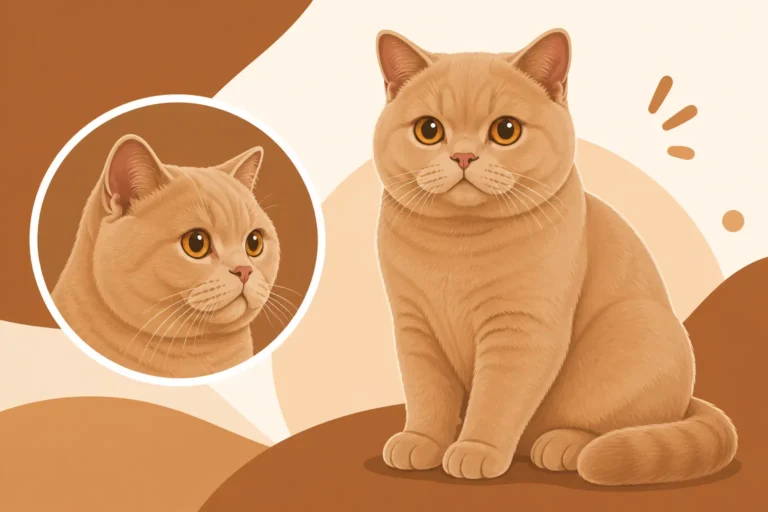
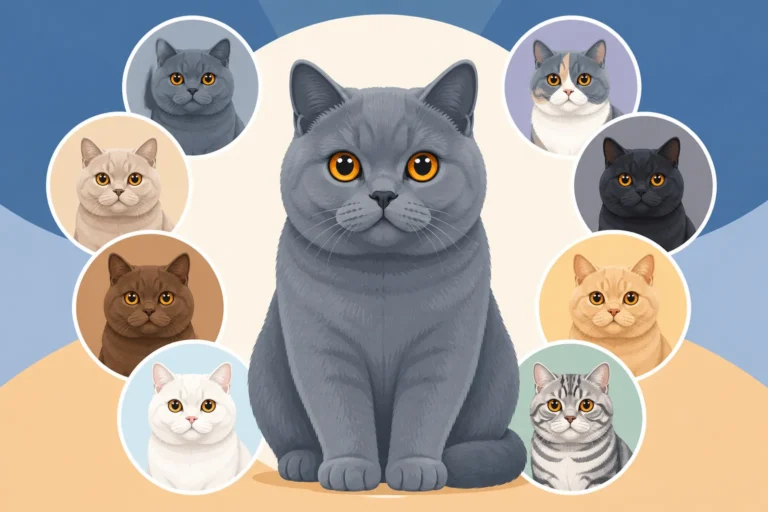
The CFA’s acceptance date is sometimes repeated alongside descriptions of the familiar blue British Shorthair. But the date does not mean the CFA created the blue variety, nor does it mean the breed comes only in blue. Blue is especially well known, but the British Shorthair is associated with a wider range of coat colors and patterns. The blue cat’s popularity is discussed in Why the Blue Is the Best Known British Shorthair.
Likewise, recognition does not make the breed a single fixed look in everyday life. A show judge may assess specific features against the relevant standard, while a pet owner is more likely to notice a cat’s individual nature, health, and daily needs. A round head or dense coat may be part of the familiar breed image, but those features alone do not establish a cat’s pedigree.
If you are trying to identify a particular cat, appearance can offer clues but cannot reliably prove its ancestry. A shelter cat may look remarkably like a British Shorthair, but without pedigree documentation, its breed status may be unknown. CFA recognition is about the breed’s place in the organization’s system; it is not a visual test that can certify any lookalike cat.
What the 1980 date means for today’s cat owners
Registry recognition is not the same as a health guarantee
For someone choosing a kitten, the CFA date is an interesting part of the breed’s background, but it should not be treated as a health or quality assurance. A registry milestone does not tell you what health screening a breeder has done, how a kitten has been raised, or whether the breeder can explain the health history of the parents.
Ask for clear records and direct answers about the specific litter. A responsible breeder should be able to explain the documents they have, what those results do and do not establish, and what care the kitten will need after coming home. The broader checklist in What a British Shorthair Breeder Should Have Tested can help you prepare questions before making a decision.
A retailer is a separate part of modern pet ownership, not part of CFA recognition. For example, owners may use Chewy when looking for routine supplies such as food or grooming tools, but buying supplies there does not verify a cat’s pedigree or replace veterinary advice. If you are preparing for a new cat, keep the practical shopping list separate from the documents you request from the breeder.
Keep the history in perspective
Learning that the CFA accepted the British Shorthair in 1980 gives you a useful landmark, especially if you are comparing breed histories or registry records. It can also help untangle pages that discuss the British Shorthair’s long history in Britain alongside its later recognition in the United States.
For day-to-day life, however, the individual cat matters more than the registry date. Consider the cat’s needs, health records, temperament, and care routine. Even practical decisions—such as choosing a suitable comb or finding food that works for your cat—are about the animal in front of you. Chewy may be one place an owner shops for ordinary pet-care items, but the right product depends on the cat and, when health is involved, advice from a veterinarian.
If you are visiting a cat show, CFA recognition also helps explain why the British Shorthair may be presented and assessed under a specific written standard. Watching an exhibition can make breed descriptions easier to understand, but it is not a substitute for learning about responsible breeding or the needs of a companion cat. Owners may find routine grooming supplies through retailers such as Chewy; that practical choice remains separate from the historical question of when CFA recognized the breed.
The clearest answer remains simple: the CFA accepted the British Shorthair in 1980. The date marks recognition by that organization, not the breed’s beginning and not a universal recognition date shared by every registry.
Disclaimer
This article is for general informational purposes only and does not constitute professional advice. Laws, prices and regulations vary by location and change over time. Consult a qualified professional for guidance on your specific situation.