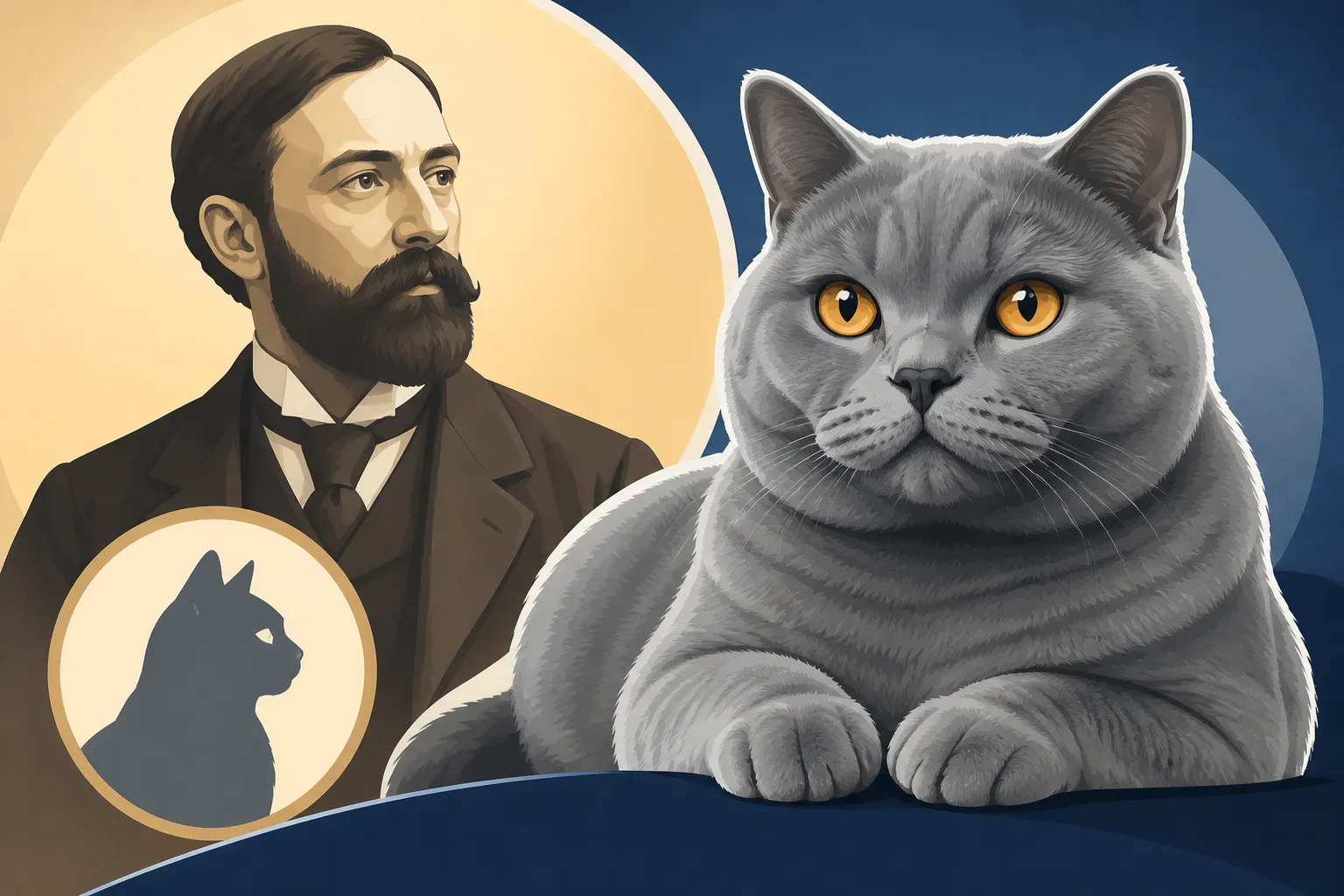
Who Harrison Weir Was to the British Shorthair
For anyone who has ever admired the plump cheeks, dense coat, and calm demeanor of a British Shorthair, you've likely appreciated a cat that embodies centuries of British history, even if you didn't know it. But behind that iconic "teddy bear" look lies a fascinating story, one intricately linked to a man named Harrison Weir, who quite literally brought the humble British working cat from the streets and barns into the spotlight. If you've ever wondered how this beloved breed got its start and who championed it, you're about to discover the pivotal role this incredible individual played in shaping the British Shorthair as we know it today.
The British Shorthair Before Harrison Weir: A Foundation of Feral Grace
Before the grand cat shows and breed standards, the ancestors of the British Shorthair were simply the common cats of Great Britain. They were hearty, resilient felines, perfectly adapted to the varied climate and landscapes of the Isles. These were the working cats, the mousers, the loyal (though perhaps a bit aloof) companions found in every corner of the country. They weren't bred for specific looks or temperaments as much as they were appreciated for their utility and their ability to thrive.
Life as a Working Cat
Imagine a bustling Victorian farm or a busy London street, and you'd likely see these stout, short-haired cats patrolling their territories with quiet diligence. Their ancestors served a vital purpose, keeping rodent populations in check, protecting grain stores, and generally contributing to the health and hygiene of human settlements. They were survivors, shaped by natural selection, robust and self-sufficient. This practical role meant that their physical traits—a strong build, a thick coat, and keen hunting instincts—were honed over generations, preparing them for the formal recognition that was to come. These weren't pampered pets; they earned their keep, and their presence was a staple of daily life.
These cats were the embodiment of natural hardiness. They had to be intelligent to navigate both rural and urban environments, swift to catch prey, and resilient enough to withstand the elements. Their thick, plush coats, which we now adore, were originally developed as a natural defense against the often-damp and chilly British weather. While their affectionate, calm nature is celebrated today, in those earlier times, their focus was squarely on survival and doing their job. They weren't a recognized "breed" in the modern sense, but a naturally occurring population of domestic cats that shared common characteristics due to their environment and purpose. The British Shorthair Started as a British Street Cat is a great resource if you want to delve deeper into their humble beginnings.
The Unsung Heroes of British Barns and Streets
These common cats, though unpedigreed, formed the genetic backbone of what would become the British Shorthair. They were diverse in color and pattern, ranging from various tabbies to solid colors, but they shared that distinctive round face, strong body, and dense coat that still defines the breed. Their temperament was also largely established during this period: independent, intelligent, and generally good-natured, accustomed to living alongside humans without being overly demanding. They were the silent partners in British households, often taken for granted but always appreciated for their contributions.
The widespread presence of these cats meant that when formal cat shows began to emerge, there was a readily available pool of magnificent specimens to draw from. It was their natural beauty, their inherent sturdiness, and their understated charm that Harrison Weir, with his keen eye and profound love for all things feline, would come to recognize and champion. He saw beyond the "common" label and envisioned a future where these cats would be celebrated for their inherent qualities, setting the stage for their transformation into a pedigreed breed. Their journey from farmhands to show champions is truly remarkable. What a British Shorthair Did on a Farm provides more insight into their historical roles.
Harrison Weir: The Father of the Cat Fancy
Enter Harrison Weir, a man whose name is synonymous with the very foundation of the modern cat fancy. Born in 1824, Weir was a renowned artist, author, and poultry fancier long before he turned his formidable organizational skills and artistic eye to cats. His passion for animals, coupled with his dedication to cataloging and celebrating them, made him the ideal person to bring structure and recognition to the world of domestic felines. He wasn't just interested in owning cats; he was driven by a desire to elevate their status and standardize their various types.
A Vision for the Common Cat
Weir believed that cats, much like dogs and poultry, deserved formal recognition and structured breeding. He saw beauty and unique characteristics in the common cats of Britain and felt they should be appreciated, categorized, and preserved. His vision was groundbreaking because, at the time, cats were largely overlooked in the world of animal husbandry and competitive showing. Dogs had their kennel clubs and fancy shows, but cats were still considered too wild or too utilitarian to warrant such attention. Weir, however, saw their potential for elegance and companionship.
His pioneering efforts were truly revolutionary. He didn't just casually suggest that cats should have shows; he meticulously planned, organized, and promoted them. He wrote extensively about cats, detailing their types and advocating for their humane treatment. Weir's dedication stemmed from a genuine love and respect for felines, and he worked tirelessly to convince others of their worth. He envisioned a future where the beauty and distinctiveness of various cat types, including his beloved British Shorthair, would be formally acknowledged and celebrated. This passion was the engine that drove the very first organized cat event, changing the perception of cats forever.
The Crystal Palace Cat Show of 1871
The culmination of Harrison Weir's efforts was the First National Cat Show, held at the Crystal Palace in London on July 13, 1871. This wasn't just another small exhibition; it was a grand affair that drew significant public attention and marked a historical turning point. Weir was not only the organizer and superintendent but also one of the principal judges, bringing his artistic eye and deep understanding of cat morphology to the fore. He laid down the rules, categorized the entries, and helped establish the very first standards by which cats would be judged. It was a massive undertaking, but his meticulous planning ensured its success. What Happened to the British Shorthair at Crystal Palace details this monumental event.
The show featured a wide array of cats, from Persians to wildcats, but it was the domestic British "short-haired" cats that were given special prominence by Weir. He categorized them as "British" cats, setting them apart from the more exotic imports. This event was a roaring success, captivating the public and inspiring a nascent "cat fancy" movement. It solidified the idea that cats could be more than just working animals; they could be subjects of beauty, breeding, and competitive exhibition. It truly was the genesis of the modern cat world, all thanks to Weir's unwavering dedication and foresight. Which British Shorthair Won the First Cat Show often refers to the winner of this very show.
| Contribution to the Cat Fancy | Description | Impact on British Shorthair |
|---|---|---|
| Organized First Cat Show | Held at Crystal Palace in 1871, establishing a public platform for cats. | Provided the initial venue for British Shorthairs to be formally recognized and judged as a distinct type. |
| Wrote First Breed Standards | Created objective criteria for judging different cat types, including physical traits and temperament. | Defined the early characteristics that breeders would strive for, solidifying the British Shorthair's iconic look. |
| Advocated for Cats | Elevated the status of domestic cats, promoting them as pets and companions worthy of care and appreciation. | Encouraged selective breeding and responsible ownership, improving the health and welfare of British Shorthairs. |
| Authored "Our Cats" | A comprehensive book detailing cat breeds, care, and history, considered a foundational text. | Provided a historical record and guide for British Shorthair enthusiasts and breeders for generations. |
| Co-Founded National Cat Club | Established a formal organization to register cats, regulate breeding, and continue holding shows. | Provided the institutional framework for the British Shorthair to become a formally recognized and perpetuated breed. |
Weir's Role in Standardizing the British Shorthair
Harrison Weir didn't just open the door for cats to enter the show ring; he also began the crucial work of defining what made a "British Shorthair" truly distinct. Before his intervention, these cats were simply called "domestic short-haired cats" or by their color. Weir recognized that among these common cats, there was a prevalent type that consistently displayed certain physical characteristics—a compact, powerful body, a broad head, and a dense, plush coat—that warranted specific classification and cultivation.
Defining the Ideal British Shorthair
Weir was instrumental in writing the very first breed standard for the British Shorthair. This was a monumental task, as he had to articulate in precise terms the ideal physical attributes of a cat that had, until then, only been appreciated informally. He focused on their sturdy build, their round heads with full cheeks, their broad muzzles, and their short, dense coats. He emphasized their calm and gentle temperament, recognizing that these qualities made them excellent household companions. This initial standard provided a blueprint for breeders, guiding them on what to aim for in their breeding programs. Which British Shorthair Standard Harrison Weir Wrote explores this in more detail.
His descriptions were heavily influenced by his artistic background, allowing him to capture the essence of the British Shorthair's appearance. He championed the classic British Blue, which was abundant and admired for its uniform color and robust constitution. By setting down these early guidelines, Weir effectively took a beloved but undefined domestic cat and began its transformation into a pedigreed breed with a recognizable "type." This foundational work was critical for ensuring that future generations of British Shorthairs would retain the cherished traits that made them so special.
Early Breeding Practices and Challenges
With the advent of breed standards and cat shows, the practice of selective breeding began for the British Shorthair. Breeders started pairing cats that best exemplified Weir's ideal, slowly refining the breed's characteristics. However, this was a challenging endeavor. Unlike today, where genetic testing and extensive pedigrees are commonplace, early breeders relied solely on visual assessment and trial-and-error. The gene pool was initially broad, drawing from the general cat population, which also meant that specific traits or potential health issues might have been less predictable.
The initial goal was to preserve the hearty, robust nature of the common British cat while enhancing its appealing physical features. This involved careful selection of breeding stock and a keen eye for conformation. The commitment of these early breeders, inspired by Weir's vision, ensured that the British Shorthair began its journey towards becoming a globally recognized and adored breed. Weir's encouragement for breeders to select cats for specific traits was a major step away from random breeding, laying the groundwork for all future cat breeding efforts. It's truly incredible to think how far we've come from these early, foundational steps, yet the core principles laid down by Weir still resonate with responsible breeders today. If you're looking for quality supplies to support your breeding program or simply pamper your British Shorthair, you can find a vast selection on Chewy, from specialized foods to grooming tools designed for their unique coats.
The Lasting Legacy of Harrison Weir
Harrison Weir's influence didn't stop with the first cat show or the initial breed standard. His dedication carved a permanent path for the British Shorthair and for the entire cat fancy worldwide. Without his pioneering spirit, it's fair to say that the world of pedigree cats as we know it today might not exist, or at least would have developed much differently. He set the tone for how cats would be viewed, bred, and celebrated for generations to come.
Shaping the Modern British Shorthair
Every British Shorthair you see today, with its characteristic round face, dense coat, and calm temperament, carries the genetic and historical imprint of Harrison Weir's vision. He championed the "cobby" body type, the broad head, and the deep, copper-colored eyes that are hallmarks of the breed. Even after his time, breeders continued to refine these traits, always striving to meet and enhance the ideal that Weir had first articulated. His initial emphasis on the robust, healthy nature of the British street cat also instilled a commitment to maintaining a sturdy constitution within the breed.
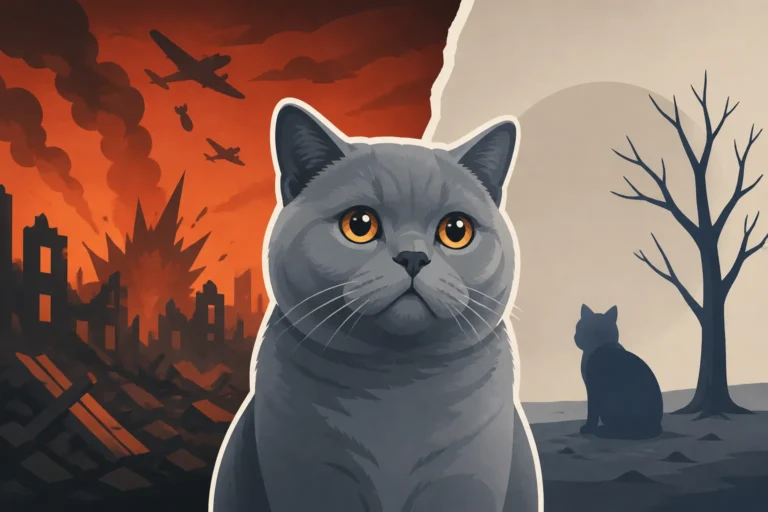
The standards Weir established provided the foundation upon which all subsequent British Shorthair breeding programs have been built. While the breed faced challenges, including near extinction after the World Wars, the commitment to Weir's original type helped guide its resurgence. The careful selection of outcrosses, like the Persian, to rebuild numbers was done with the ultimate goal of preserving and enhancing those core British Shorthair characteristics that Weir so admired. Why the Blue Became the British Shorthair Everyone Pictures is a testament to the enduring image Weir helped solidify.
The Influence on the Global Cat Fancy
Beyond the British Shorthair specifically, Harrison Weir's broader impact on the global cat fancy is immeasurable. He didn't just create a show; he created an institution. By formalizing cat shows, establishing breed standards, and co-founding the National Cat Club, he provided the framework for all future cat registries and organizations. His efforts brought legitimacy and respect to what was once considered a niche hobby. Weir's belief that cats deserved the same recognition and structured breeding as dogs fundamentally shifted public perception and paved the way for the development of countless other pedigreed cat breeds around the world.
His book, "Our Cats and All About Them," published in 1889, became a seminal work for cat enthusiasts, detailing breeds, care, and the history of the cat fancy. It served as a guide and an inspiration for generations of breeders and owners. Weir's legacy is truly that of a visionary who saw the potential for beauty and companionship in every domestic cat, elevating them from mere mousers to cherished family members and show champions. We owe a huge debt to his foresight and passion. Whether the British Shorthair Was the First Show Cat explores the unique place of the breed in this history.
More Than Just a Judge: Weir's Broader Impact
While Harrison Weir is celebrated for his role in organizing the first cat show and defining the British Shorthair, his contributions extended far beyond the show ring. He was a man of many talents and passions, and his influence touched upon animal welfare, scientific observation, and the artistic representation of animals. His holistic approach to the cat fancy ensured that it wasn't just about winning ribbons but also about the well-being and understanding of the animals themselves.
Advocating for Animal Welfare
Perhaps one of Weir's most profound and often overlooked contributions was his steadfast advocacy for animal welfare. He was a vocal proponent of humane treatment for all animals, and this philosophy underpinned his efforts in the cat fancy. He insisted on proper care and comfortable conditions for the cats displayed at his shows, ensuring they were not merely exhibits but respected living creatures. This was a radical idea for his time, where animal welfare standards were often rudimentary or non-existent.
Weir's concern for the health and well-being of cats extended to his writings, where he offered advice on proper nutrition, housing, and general care. He believed that responsible breeding inherently included a commitment to the animal's health and happiness. This foundational principle, instilled by Weir, continues to guide ethical breeders and cat organizations today, emphasizing health screening and genetic responsibility. It reminds us that our furry companions, whether purebred or not, deserve the best possible care, and thankfully, resources like Chewy make it easier than ever to access high-quality foods and veterinary supplies that support their longevity.
Documenting the Early Cat World
As an accomplished artist and illustrator, Harrison Weir brought a unique perspective to his work with cats. His detailed drawings and meticulous observations are invaluable historical records of the early cat fancy and the various types of cats that existed in Victorian England. His artwork not only captured the beauty of these animals but also helped standardize their appearance through visual representation, reinforcing the written breed standards.
His magnum opus, "Our Cats and All About Them," is more than just a breed guide; it's a comprehensive ethnography of the domestic cat at the turn of the 20th century. In it, Weir documented everything from cat anatomy and behavior to historical anecdotes and practical advice for owners. This book serves as a crucial window into the origins of many breeds, including the British Shorthair, and provides insights into the prevailing attitudes towards cats of that era. It's a testament to his dedication to cataloging and understanding the feline world in its entirety, leaving us with a rich legacy of knowledge.
Understanding the British Shorthair Today, Thanks to Weir
The British Shorthair of today, a beloved companion animal and show champion, is a direct descendent of Harrison Weir's pioneering efforts. When we admire their distinctive features or enjoy their calm company, we are, in a way, appreciating the fruits of his labor. His vision created a breed that embodies both historical charm and enduring appeal, a testament to his understanding of what makes a truly special cat.
The Enduring Traits of Weir's Vision
Weir's initial description of the British Shorthair emphasized its robust, cobby build, its broad, round head, and its dense, plush coat that "stands away from the body." These characteristics remain central to the breed standard even today. The calm, dignified, and affectionate temperament he noted is also a hallmark of the modern British Shorthair, making them ideal indoor companions. When a British Shorthair fills out over the years, displaying that magnificent, mature head, it’s a living tribute to the "type" that Weir envisioned and championed. What a British Shorthair Weighs and How Big It Gets and The Round Head and Copper Eye a British Shorthair Is Judged On directly relate to these enduring physical traits.
It's truly remarkable how consistent the breed's essence has remained over more than a century, despite the challenges of two World Wars and changing breeding trends. This consistency is largely due to the strength of the foundational standards set by Harrison Weir, which provided a clear and compelling ideal for breeders to follow. His artistry and dedication ensured that the British Shorthair's unique charm was not lost but rather preserved and enhanced for future generations of cat lovers.
Supporting the Breed's Future
Today, the responsibility of preserving and promoting the British Shorthair falls to dedicated breeders, cat clubs, and loving owners worldwide. Modern breeders continue to adhere to the core principles laid down by Weir, focusing on health, temperament, and adherence to the breed standard. They utilize advanced genetic testing and veterinary care to ensure the well-being of their lines, a practice that aligns perfectly with Weir's underlying concern for animal welfare.
For owners, understanding the history and the original intent behind the breed can deepen their appreciation for their British Shorthair. Providing them with a balanced diet, regular veterinary check-ups, and plenty of gentle interaction helps them thrive, much as Weir would have advocated. Whether you're a new owner or a seasoned enthusiast, you can find everything needed to care for your British Shorthair, from nutritious food to engaging toys, at trusted retailers like Chewy, helping ensure the breed's future remains as bright as its past. Harrison Weir’s legacy isn’t just in the past; it’s an active part of every British Shorthair we cherish today.
Disclaimer
This article is for general informational purposes only and does not constitute professional advice. Laws, prices and regulations vary by location and change over time. Consult a qualified professional for guidance on your specific situation.