The Cheshire Cat Was a British Shorthair
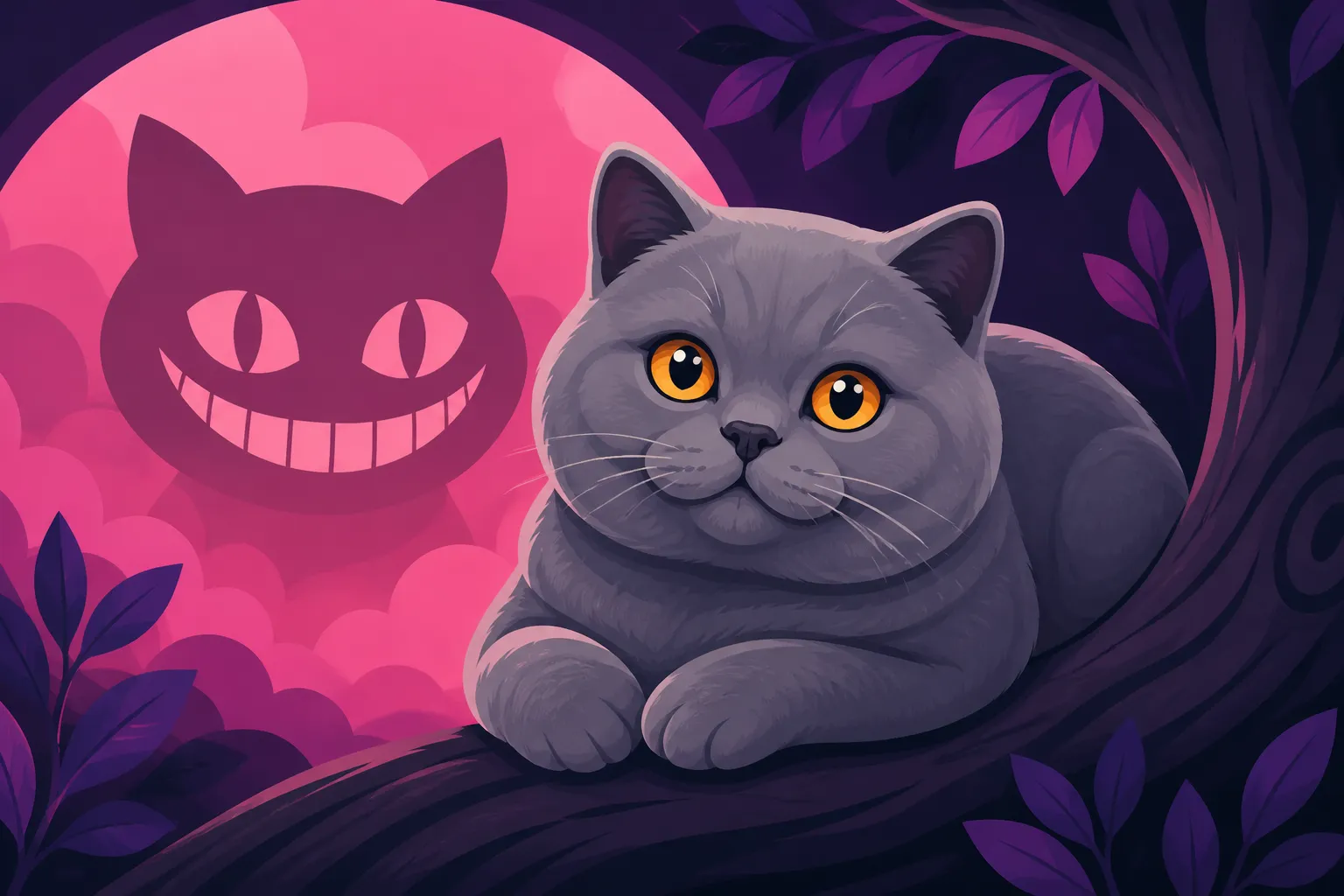
That enigmatic, knowing grin, the way it appears and disappears, a mischievous spirit embodied in feline form – the Cheshire Cat from Alice's Adventures in Wonderland has captivated imaginations for generations. But have you ever stopped to wonder what breed of cat inspired Lewis Carroll's most famous feline? While it’s a question that often sparks friendly debate among cat lovers and literary enthusiasts alike, many believe the iconic Cheshire Cat bears a striking resemblance to the venerable British Shorthair. This guide will explore the fascinating characteristics of the British Shorthair and delve into why this charming, chunky breed is so often associated with Carroll's whimsical creation, examining both their physical traits and their captivating personalities.
The Enduring Mystery of the Cheshire Cat's Grin
The Cheshire Cat is more than just a character; it's a symbol of whimsical paradox, appearing and disappearing, leaving only its famous grin behind. This playful, philosophical furball has puzzled and delighted readers for well over a century, and the speculation about its real-life inspiration is part of its enduring charm.
Origins in Wonderland
Lewis Carroll, whose real name was Charles Lutwidge Dodgson, penned Alice's Adventures in Wonderland in 1865. The story is rife with fantastical creatures, and the Cheshire Cat stands out as one of the most memorable. The cat's name itself is thought to come from the idiom "to grin like a Cheshire Cat," which predates Carroll's work. There are several theories about the origin of this phrase, ranging from a painter in Cheshire who depicted grinning lions on pub signs to a local cheese shaped like a grinning cat. Whatever its linguistic roots, Carroll's artistic genius brought the phrase to life, giving us a cat that could literally be a grin.
The character's philosophical musings and uncanny ability to vanish, leaving only its smile, cemented its place in literary history. It's a character that embodies both wit and a touch of the absurd, providing Alice with cryptic advice and often adding to her bewilderment. For anyone who has spent time with cats, there’s an immediate recognition of that aloof wisdom, that sense of an inner world entirely separate from our own.
The Iconic Smile and Vanishing Act
What makes the Cheshire Cat so instantly recognizable? It’s undeniably that smile. A wide, toothy, almost human-like grin that seems to hang in the air long after the rest of the cat has faded away. This visual trick, combined with its philosophical ponderings, makes the Cheshire Cat one of fiction's most unique animals. The concept of vanishing and appearing at will, coupled with its disembodied smile, gives the character an ethereal quality that has been translated in countless artistic interpretations, from Sir John Tenniel's original illustrations to Disney's vibrant animations.
Think about how often you see merchandise, art, or even tattoos featuring just that disembodied grin. It's truly iconic. This ability to appear and disappear, often with a mischievous twinkle, resonates with the elusive nature some cat owners describe in their own pets. You might call their name, and they're suddenly there, as if materialized from thin air, only to vanish again when you least expect it.
Why the Breed Question Persists
For generations, people have looked at the Cheshire Cat and wondered, "What kind of cat is that?" The original illustrations by John Tenniel, while fantastic, don't pin down a specific breed with absolute certainty. They depict a rather stout, round-faced cat, but the true-to-life inspiration remains open to interpretation. This ambiguity has fueled countless discussions among cat enthusiasts, leading many to believe that the British Shorthair, with its distinctive features and often placid demeanor, is the most likely candidate.
There's a natural human tendency to connect fictional characters to real-world counterparts, especially when those characters are as beloved as the Cheshire Cat. The British Shorthair's undeniable visual charm and certain personality traits just seem to fit the bill so perfectly, making it the front-runner in this delightful debate. It's a way for us to bring a piece of Wonderland into our own homes, envisioning our own plush felines as potential carriers of such whimsical wisdom.
Unpacking the British Shorthair's Signature Look
When you picture a British Shorthair, what comes to mind? Likely, it’s a substantial, round-faced cat with a dense, plush coat and calm, watchful eyes. This "teddy bear" appearance is precisely why so many people draw a direct line from the British Shorthair to the Cheshire Cat. There's an inherent charm and a distinct character in their physical presentation that just feels right.
The Roundness from Head to Tail
The British Shorthair is renowned for its overall roundness. From its impressively spherical head, set atop a short, thick neck, to its full, broad chest and sturdy body, every aspect seems designed to exude a sense of solid, comforting rotundity. Even their paws are famously round, and their tail is thick at the base, tapering to a rounded tip. This isn't a lithe, sinuous cat; this is a cat of substance, built like a furry brick house. What a British Shorthair Weighs and How Big It Gets really highlights this impressive build.
This inherent roundness is a key element in the breed standard and contributes significantly to their endearing "teddy bear" look. It’s not just about size, but about proportion and symmetry, creating an aesthetic that is both robust and utterly adorable. Imagine a cat that always looks like it's just about to settle down for a comfy nap, and you've got the British Shorthair.
Those Distinctive Cheeks and Expressive Eyes
Perhaps the most striking feature of a British Shorthair, especially an adult male, are its full, jowly cheeks. These substantial facial pads contribute immensely to the breed's signature round head and give them an almost perpetually "smiling" or contented expression. It’s this facial structure that many believe perfectly mimics the Cheshire Cat's grin. When a British Shorthair looks at you, with its wide, often copper-gold eyes, framed by those generous cheeks, it’s hard not to see a touch of mischievous amusement. The Round Head and Copper Eye a British Shorthair Is Judged On details how important these traits are to the breed's recognition.
Beyond the jowls, the eyes themselves play a huge role. British Shorthairs typically have large, round, widely set eyes that give them an alert yet soft expression. The most classic color is a deep copper or gold, which adds to their warm, friendly, and sometimes surprisingly intelligent gaze. It’s a face that manages to be both serious and charmingly whimsical at the same time.
The Plush, Dense Coat and Sturdy Build
Complementing their rounded physique is the British Shorthair's incredibly dense, plush coat. It's short, yes, but it’s not sleek like a Siamese or svelte like a Russian Blue. Instead, it stands away from their body, giving them an almost woolly, teddy-bear texture. This luxurious coat, which comes in a stunning array of colors and patterns (though blue is the most famous), further enhances their substantial appearance. This characteristic coat adds to their cuddly aesthetic, making them irresistible to touch.
Their sturdy, cobby build means they're well-muscled and weighty for their size. This robust frame is a hallmark of the breed, a testament to its heritage. They feel solid when you pick them up, a reassuring weight in your arms that speaks to their strong, healthy constitution. This physical solidity, combined with their plush coat and round features, creates a feline that looks like it stepped right out of a beloved storybook.
The Temperament That Aligns with Fictional Whimsy
Beyond their physical appearance, the British Shorthair's personality often mirrors the calm, observant, and sometimes elusive nature of the Cheshire Cat. They are not typically boisterous or demanding cats; rather, they possess a quiet dignity that is utterly captivating. If the Cheshire Cat were to manifest in real life, its demeanor might very well align with that of a British Shorthair.
A Calm and Collected Demeanor
One of the most defining characteristics of the British Shorthair is its calm and placid temperament. They are known for being incredibly laid-back, taking life in stride with a serene composure. They aren't prone to frantic bursts of energy or overly dramatic antics. Instead, they prefer to observe the world around them from a comfortable perch, their round eyes missing nothing. This quiet confidence makes them wonderful companions for those seeking a less demanding feline presence in their home.
Their calm nature means they adapt well to various household environments, from bustling family homes to quieter single-person dwellings. They're rarely fazed by new situations or unfamiliar faces, approaching changes with a dignified curiosity rather than anxiety. This unflappable disposition is a big part of What a British Shorthair's Temperament Is Really Like. They are simply cool cats, in every sense of the word, embodying a Zen-like peace that can be quite contagious.
Independent Yet Affectionate in Their Own Way
While British Shorthairs are generally affectionate, they express it on their own terms. They aren't typically "lap cats" in the traditional sense, preferring to sit near you rather than directly on you. They enjoy being in the same room, following you from a respectful distance, and will often seek out a spot on the sofa next to you for a quiet evening. When they do bestow affection, it's usually in the form of a gentle head butt, a slow blink, or a purr that vibrates through the room, rather than constant clinging. This independent streak but underlying devotion is perfectly captured in A British Shorthair Sits Near You, Not On You.
Their preference for personal space doesn't mean they aren't loving. It simply means their love language is a bit more subtle, a nod to their self-assured nature. They value quiet companionship and a peaceful presence, making them feel less like pets and more like dignified roommates who occasionally demand ear scratches and a warm lap to supervise from.
The Quiet Charm and Reserved Nature
British Shorthairs are famously quiet cats. While they do have soft chirps and purrs, they are not typically vocal, chatty felines. Their communication is often more subtle, conveyed through body language and those expressive eyes. This reserved nature adds to their charm, giving them an air of mystery and quiet wisdom, much like the Cheshire Cat. They don't need to shout for attention; their presence is enough.
This quietness makes them an ideal pet for those who appreciate a peaceful home environment. You won't often find a British Shorthair meowing incessantly for food or demanding constant play. They are content to exist alongside you, offering a calming, grounding presence that many find incredibly soothing. This reserved charm is part of what makes them such a captivating and easygoing companion.
Historical Context and Artistic Interpretation
Understanding the British Shorthair's place in history, particularly around the time Lewis Carroll was writing, sheds further light on the potential connection to the Cheshire Cat. The breed itself has a long and storied past, closely intertwined with the development of the modern cat fancy.
Harrison Weir and the Early British Shorthair Standard
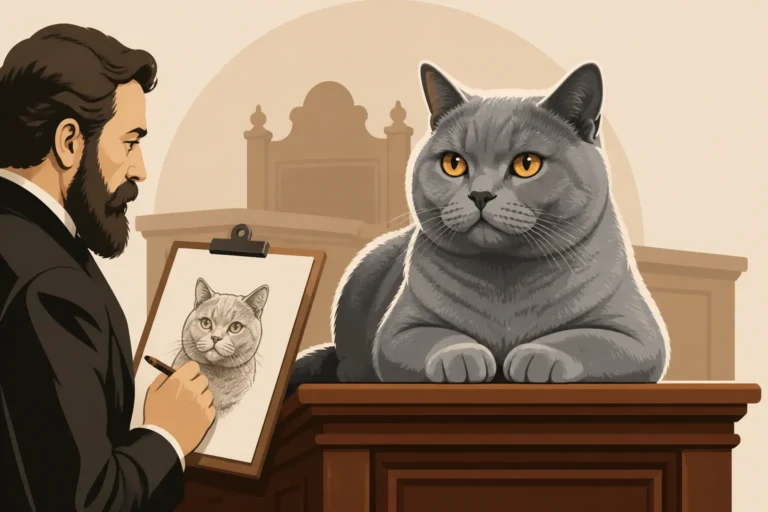
The British Shorthair, as we know it today, has roots that stretch back centuries in Great Britain, where they were essentially the common domestic cat. However, it was Harrison Weir, often considered the "father of the cat fancy," who took these robust, native working cats and formalized them into a recognized breed. Weir organized the world's first cat show at the Crystal Palace in London in 1871, an event that marked a turning point for feline appreciation and selective breeding. Harrison Weir Put a British Shorthair on the Bench in 1871 chronicles this pivotal moment.
Weir's vision was to elevate the common British domestic cat to the status of a pedigree breed, based on its strength, beauty, and temperament. He meticulously documented their characteristics, setting the first breed standard for what he called the "British Shorthair." This formalized recognition meant that the distinct look of these cats became more widely known and appreciated, making them a prominent and admired breed in Victorian England. The timing is crucial here: Carroll's book was published in 1865, and the first cat show was just six years later, indicating that cats with the British Shorthair phenotype were very much in vogue and recognizable to the public.
How Artists Illustrated Cats in Carroll's Time
During the mid-to-late 19th century, when Alice's Adventures in Wonderland was written and illustrated, the dominant imagery of a cat in British art and popular culture would have largely been based on the indigenous shorthaired cats of the region. These were the hardy, thick-coated cats that had roamed farms and homes for generations, long before the influx of more exotic breeds like Persians became widespread. Artists like John Tenniel, who illustrated Carroll's works, would have drawn from these familiar feline forms.
Tenniel's Cheshire Cat, with its rounded head, stout body, and dense fur, perfectly captures the essence of these native British cats. While his illustrations were stylized and fantastical, the underlying structure and general "catness" he depicted would have been instantly recognizable to his contemporary audience as a domestic British cat. It’s highly improbable he would have based it on a breed not commonly seen or known in England at the time. Therefore, the visual language of cats in Victorian art strongly points towards the British Shorthair type as the inspiration.
The Popularity of the British Shorthair in the 19th Century
In the latter half of the 19th century, thanks in no small part to Harrison Weir's efforts, the British Shorthair rose to prominence as a highly respected and fashionable breed. Before the world wars heavily impacted cat breeding, they were celebrated for their robust health, gentle dispositions, and distinctive good looks. This widespread popularity meant that British Shorthairs, or cats very much resembling them, would have been a common sight in homes, cat shows, and indeed, in the public imagination.
This historical context strongly supports the theory that the British Shorthair was the natural model for the Cheshire Cat. It was a well-known, beloved, and distinctive breed during the period, making it a logical choice for an author and illustrator seeking a recognizable feline archetype. The sheer prevalence and aesthetic appeal of the British Shorthair made it an obvious candidate for artistic representation, solidifying its place in both real and fictional British culture.
The "Smiling" British Shorthair Phenomenon
It's one thing to say a British Shorthair looks like the Cheshire Cat, but the idea of them "smiling" is truly what seals the deal for many. This isn't about literal human-like expressions, of course, but rather a charming optical illusion created by their unique facial structure.
The Optical Illusion of the British Shorthair's Face
The British Shorthair's head is wonderfully round and full, particularly due to those prominent, well-developed jowls. When viewed head-on, or even slightly from the side, the combination of these full cheeks, their broad muzzle, and their typically upward-curving whisker pads can create the distinct impression of a wide, benevolent smile. It’s not an active expression they conjure; it's simply how their magnificent faces are structured. Why a British Shorthair Looks Like It Is Smiling delves deeper into this delightful illusion.
This facial architecture gives them a naturally cheerful or contented appearance, even when they're simply observing their surroundings. It's a look that’s both endearing and, dare we say, a little mischievous, perfectly aligning with the playful spirit of the Cheshire Cat. Owners often joke that their British Shorthair always looks like it knows a secret, or is holding back a chuckle, which only adds to their charm.
When a British Shorthair Looks Happy
While their resting face might already give off smiling vibes, there are certainly moments when a British Shorthair genuinely looks happy, further enhancing the Cheshire Cat connection. A truly happy British Shorthair often has relaxed, slightly narrowed eyes, ears tilted forward in an attentive but not tense manner, and those characteristic jowls might seem even more pronounced. A soft, rumbling purr will usually accompany this expression, indicating deep contentment.
Imagine your British Shorthair waking from a nap, stretching luxuriantly, and then giving you a slow blink with that round, full face – it's an expression of pure bliss. Or when they greet you at the door, their tail held high with a slight curve, their gaze soft and welcoming. These are the moments that truly capture the essence of a "smiling" cat, and for British Shorthair owners, they are a common, heartwarming sight. They may not have a broad, human-like grin, but their entire demeanor radiates joy.
Comparing the Grin to the Breed Standard
The Cheshire Cat's grin is, of course, exaggerated and magical. However, the essence of that grin – the roundness, the full cheeks, the hint of knowing amusement – aligns remarkably well with the British Shorthair breed standard. A well-bred British Shorthair is judged on its extreme roundness in all features: head, eyes, cheek pads, and even the tips of its ears. This emphasis on roundness creates the perfect canvas for that "smiling" illusion.
The breed standard encourages a "sweet expression" and a "kindly face," which naturally leads to that benevolent, often smiling appearance. While no cat can literally smile like a human, the British Shorthair comes arguably the closest in the feline world to embodying such a universally recognized symbol of cheerfulness. It’s this intrinsic quality, celebrated by breeders and adored by owners, that makes the connection to Carroll's whimsical creation so compelling and enduring.
Other Fictional Felines and the British Shorthair Link
The British Shorthair's distinctive appearance and appealing temperament have not gone unnoticed by media creators beyond Lewis Carroll. This breed has found its way into various forms of popular culture, solidifying its image as the archetypal chunky, charming, and often wise feline.
Beyond Wonderland: Other Cartoons and Media
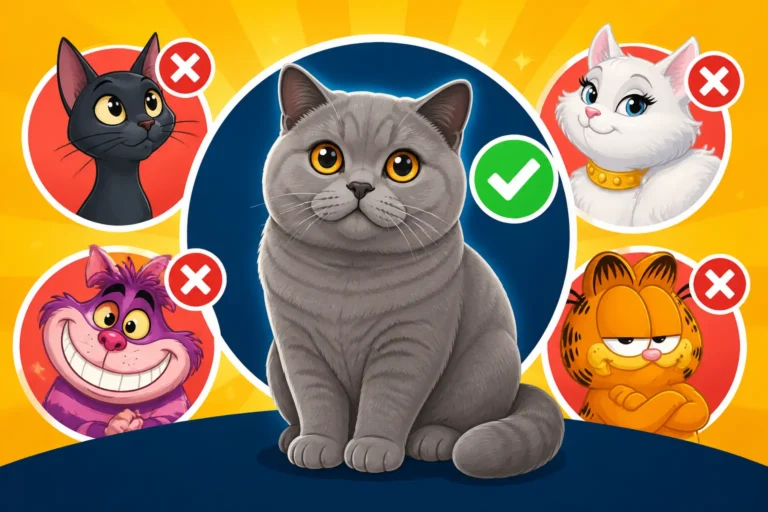
The visual appeal of the British Shorthair makes it a natural fit for animated characters. Their robust build and round features lend themselves well to anthropomorphic portrayals, often depicting them as wise, calm, or even comically stoic figures. You might recognize echoes of the British Shorthair in various animated cats over the years – perhaps a slightly disgruntled but ultimately lovable character, or a grand, dignified feline with a secret playful side. The famous Whiskas cat in advertising campaigns, for example, which became a household name for decades, was a British Shorthair, cementing the breed's iconic image in popular culture.
This widespread representation is a testament to the breed's instant recognizability and universal appeal. They just have that look that resonates with people, a comforting familiarity that makes them perfect for conveying a range of emotions and personalities, even in simplified cartoon form. Their expressive faces, particularly their eyes and full cheeks, allow animators to imbue them with a surprising amount of character.
Why the British Shorthair Appeals to Animators
Animators often gravitate towards the British Shorthair because its distinct physical characteristics are so easy to exaggerate and imbue with personality. The round head, the prominent jowls, the wide-set eyes, and the plush coat are all features that can be simplified into appealing, memorable designs. They don't have the angularity or delicate features of some other breeds, which can be harder to translate into a broadly appealing cartoon style.
Moreover, their generally calm and observant nature allows animators to portray them as thoughtful or even sagely characters, often providing comic relief through their sheer stoicism or unexpected moments of mischief. The contrast between their dignified appearance and a sudden, playful swipe at a toy can be very engaging. They offer a rich canvas for character development, easily switching between quiet contemplation and subtle humor.
The British Shorthair's Journey to Modern Popularity
From its humble beginnings as a utilitarian British street cat, recognized and refined by Harrison Weir, the British Shorthair has steadily climbed the ranks of popularity worldwide. The British Shorthair Started as a British Street Cat is a fascinating look at this origin story. Today, they are one of the most beloved and recognizable cat breeds, cherished for their low-maintenance grooming, calm disposition, and stunning good looks. Their presence in media, whether as the implied inspiration for literary figures or as direct mascots in advertising, has undoubtedly contributed to their widespread recognition and adoration.
Their solid temperament makes them excellent family pets, getting along well with children and other animals. This adaptability, combined with their striking appearance, has ensured their enduring appeal in a world where companion animals are increasingly treasured. The British Shorthair's journey from Victorian drawing-room pet to global feline superstar is a testament to its intrinsic charm and unwavering popularity.
Caring for Your Own Whimsical British Shorthair
If the idea of owning your own "Cheshire Cat" has captured your imagination, understanding their basic care needs is essential. British Shorthairs are generally low-maintenance, but their unique physical traits and propensity for certain health issues mean their care routine has a few specific considerations.
Diet and Exercise for a Sturdy Build
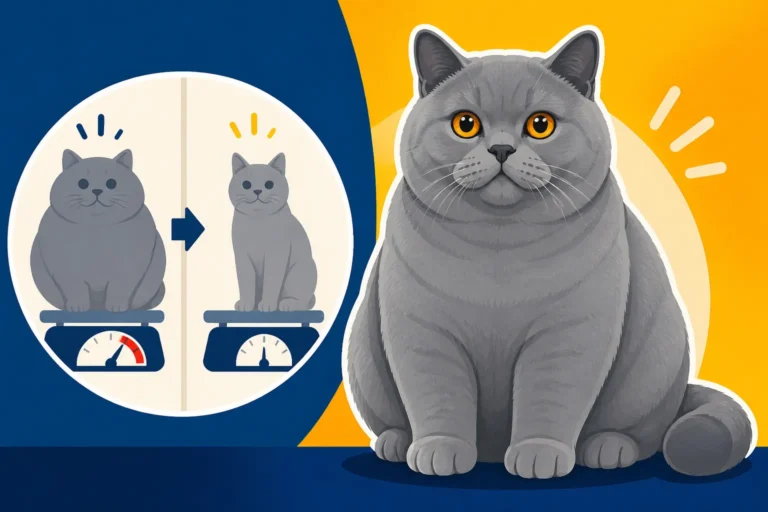
British Shorthairs are naturally solid cats, but their calm demeanor means they are prone to weight gain if their diet isn't managed carefully. Their robust build can easily mask a few extra pounds, which can lead to health issues like Obesity Is the British Shorthair's Real Disease. It's crucial to portion control their food rather than free-feeding. Knowing How Much an Adult British Shorthair Eats is vital for maintaining a healthy weight.
Engaging them in regular, gentle play is also important. They might not be acrobats, but even 10-15 minutes of interactive play a couple of times a day can make a big difference. Toys like feather wands or laser pointers can stimulate their hunting instincts. You can find a great variety of suitable toys on sites like Chewy that can help motivate even the most laid-back British Shorthair to move. Remember, a British Shorthair isn't likely to run a marathon, but regular activity helps keep them fit and mentally stimulated.
Grooming the Plush Coat
The British Shorthair's dense, plush coat is beautiful but also prone to shedding, especially during seasonal changes. While it's short and generally doesn't mat easily, regular combing is necessary to remove loose hair and prevent hairballs. A good quality metal comb, like those available on Chewy, with both fine and wide teeth, is ideal for penetrating their thick undercoat without damaging the guard hairs. Which Comb a British Shorthair Needs is a great resource for this.
Aim for two to three combing sessions per week, increasing frequency during shedding seasons. This not only keeps their coat healthy and shiny but also reduces the amount of fur they ingest during self-grooming. Most British Shorthairs tolerate, and even enjoy, being combed, seeing it as a gentle massage and bonding time. Beyond combing, they typically don't require baths unless they've gotten into something particularly messy, which is a blessing given their general disdain for water!
Ensuring a Long and Healthy Life
British Shorthairs are generally considered a healthy and hardy breed, capable of living The Twelve to Seventeen Years a British Shorthair Gets. However, like all purebreds, they can be predisposed to certain genetic conditions, with hypertrophic cardiomyopathy (HCM) being the most notable. Regular veterinary check-ups, including annual physical exams and potentially cardiac screenings, are crucial for early detection and management of any health concerns.
Maintaining a healthy weight, providing a balanced diet, and ensuring they have fresh water available (perhaps even a water fountain to encourage drinking) are fundamental. Dental hygiene is also important; while not always enthusiastic about it, regular teeth brushing or dental treats can help prevent gum disease. Creating a stimulating but peaceful environment that caters to their calm nature will ensure your British Shorthair thrives, living a long, happy, and yes, whimsically "smiling" life by your side. Providing them with comfortable, large beds, maybe from Chewy, where they can stretch out and survey their kingdom is also key to their contentment.
Disclaimer
This article is for general informational purposes only and does not constitute professional advice. Laws, prices and regulations vary by location and change over time. Consult a qualified professional for guidance on your specific situation.