What Care a British Shorthair Needs Its Whole Life
Bringing a British Shorthair into your home is a commitment to a long and loving companionship, often spanning well over a decade. While these beautiful, placid cats might seem delightfully low-maintenance, a common pitfall is underestimating the specific, evolving care they require across their entire lifespan to truly thrive. This comprehensive guide is here to walk you through the essential care needs of your British Shorthair, from their bouncy kitten days through their serene senior years, ensuring they stay healthy, happy, and characteristically chunky in all the right places.
Early Life Foundations: Kittenhood to Young Adulthood
The first few years of a British Shorthair's life lay the groundwork for their health and habits for the next decade or more. It's a critical period where establishing good routines can prevent a host of issues down the line, especially given their breed's predispositions. Don't let their adorable, fluffy kitten stage fool you into thinking they don't need careful attention to their developing bodies and minds.
Establishing Healthy Habits from the Start
When you first welcome a British Shorthair kitten, their little personality is just beginning to blossom, and this is the prime time to introduce routines that will serve them for life. Think of it as investing in their future health and happiness, even if it feels a bit like cat wrangling sometimes!
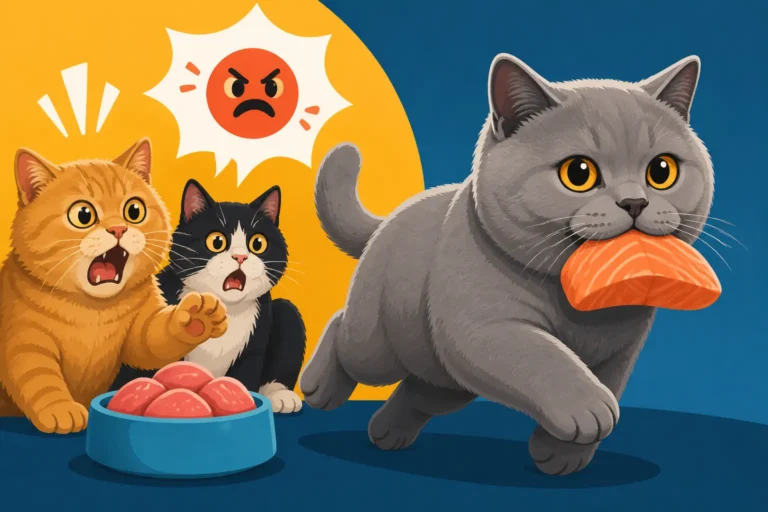
First and foremost, nutrition is key. Kittens need high-quality, nutrient-dense food specifically formulated for growth. It's tempting to free-feed them, especially when they're growing so fast, but with British Shorthairs, portion control should start early. These cats are predisposed to weight gain, and letting a kitten overeat can set them on a lifelong path to obesity. Offer measured meals a few times a day, and keep an eye on their body condition rather than just trusting the bag's recommendations. You might consider looking at brands available on Chewy that offer specific kitten formulas with clear feeding guidelines.
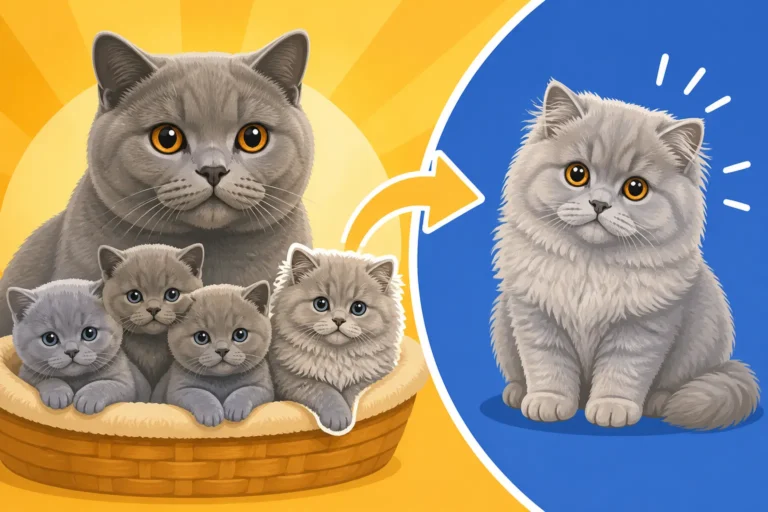
Beyond food, early socialization and gentle handling are paramount. While British Shorthairs are generally calm, getting them used to being touched, having their paws handled for nail trims, and their mouths examined for dental care from a young age will make future vet visits and home grooming sessions infinitely easier. Make these experiences positive with treats and praise. Starting gentle brushing and ear checks now also prevents future struggles. Remember, these babies are only kittens for a relatively short time, so embrace this window to introduce lifelong positive habits. Many owners find that starting these routines during the period of How Long a British Shorthair Stays a Kitten helps cement them as normal.
Vaccinations, Parasite Control, and Early Health Screening
Your British Shorthair kitten's first year is also packed with essential veterinary care designed to protect them from common illnesses and catch potential genetic issues early. This isn't just about ticking boxes; it's about safeguarding their long-term health.
A robust vaccination schedule is non-negotiable. Your vet will outline a series of core vaccines (like distemper, calicivirus, and herpesvirus) followed by boosters. If your cat will ever go outdoors, even supervised, or interact with other cats, a rabies vaccine will also be necessary. Beyond vaccines, regular worming and flea treatments are crucial. Kittens are particularly susceptible to intestinal parasites, and consistent prevention helps keep them healthy and comfortable. Discuss with your vet the best schedule and products for your specific living situation and the risks in your area.
Early vet visits also serve as an opportunity to discuss the breed-specific health screenings relevant to British Shorthairs. While some issues like Polycystic Kidney Disease (PKD) have DNA tests that can be done at any age, others, like Hypertrophic Cardiomyopathy (HCM), require physical screenings like echocardiograms at specific ages. It's worth discussing with your breeder and your vet whether your British Shorthair has been, or should be, tested for genetic conditions. For instance, you’ll want to know Whether a British Shorthair Should Be PKD Tested and at what age you should consider When a British Shorthair Should Have Its First Echo to screen for heart conditions. These early screenings can provide invaluable peace of mind or allow for early intervention if an issue is detected.
Prime Years: Maintaining Optimal Health and Well-being
Once your British Shorthair leaves kittenhood behind and settles into their magnificent adult form, the focus shifts to maintaining that robust health and happiness. These are their most active (though still wonderfully lazy) years, and consistent care will ensure they remain in peak condition.
Nutrition and Weight Management
One of the biggest challenges for British Shorthair owners during their cat's prime years is managing their weight. Their naturally cobby build and calm demeanor make them prone to packing on the pounds, and trust me, an overweight cat is not a healthy cat.
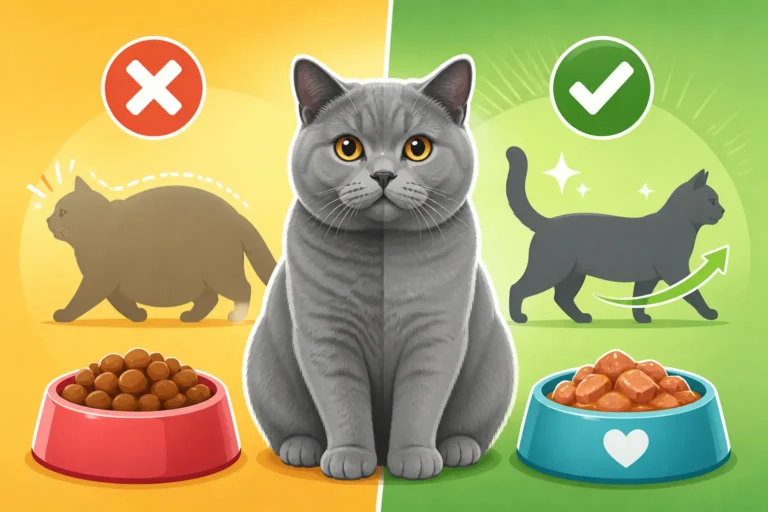
Transitioning to an adult diet usually happens around one year of age. Choose a high-quality adult cat food, and again, portion control is absolutely paramount. Don't assume a food designed for "indoor cats" is automatically low-calorie; always check the caloric content and measure out their meals. Free-feeding is often the culprit behind a hefty British Shorthair. Consider wet food as part of their diet, as its higher moisture content can help with satiety and hydration, and it generally has fewer calories per serving than dry kibble. This is especially important because Why a British Shorthair Gains Weight So Easily is a reality for the breed. Many owners find that a routine of two measured meals a day works best.
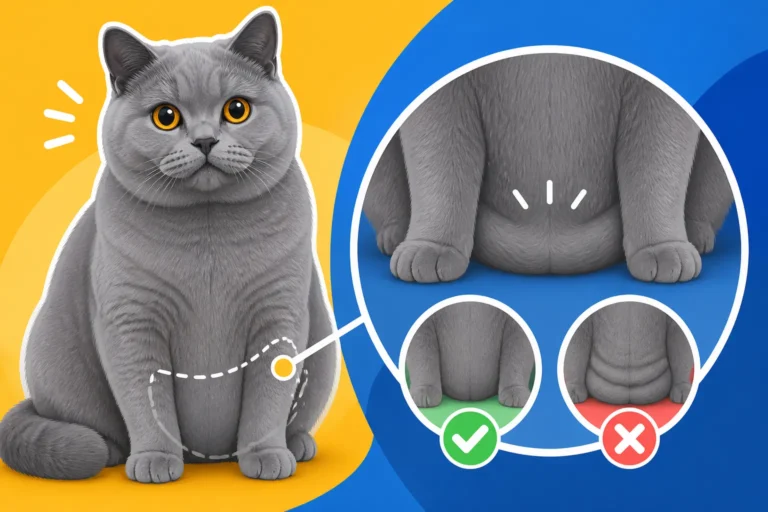
Regularly monitoring your cat's weight is essential. While a scale is ideal, you also need to learn how to "body condition score" your cat by feeling their ribs. You should be able to feel their ribs with light pressure, not see them, but certainly not struggle to find them beneath a layer of fat. Their waist should also be discernible when viewed from above. An extra pound or two might not seem like much, but on a small feline frame, it can significantly impact their health. If you notice weight creeping up, speak to your vet about a gentle weight loss plan; sudden, drastic dieting can be dangerous for cats.
Another crucial aspect of prime-year care is dental health. Tartar buildup can lead to gingivitis and more serious dental disease, which impacts overall health. Ideally, brush your British Shorthair's teeth daily. If that's not feasible, aim for a few times a week, using cat-specific toothpaste. Regular professional dental cleanings under anesthesia will likely be necessary throughout their life, and your vet can advise on the appropriate frequency. Many British Shorthair owners wonder How Often a British Shorthair Needs a Dental, and it often depends on individual genetics and home care.
Coat, Claw, and Ear Maintenance
The British Shorthair's dense, plush coat is one of its most defining features, and it needs regular attention to stay in top condition, especially during seasonal shedding.
Despite their short hair, British Shorthairs have a thick undercoat that can easily mat if not properly maintained. Regular combing, not just brushing, is key. A good quality metal comb with both fine and wide teeth will work best to get through their dense fur and remove loose undercoat. Avoid slicker brushes, which can damage their delicate guard hairs. Aim for combing a few times a week, increasing to daily during heavy shedding seasons, typically spring and autumn. This practice is vital to prevent hairballs and keep their coat healthy, as you'll discover when learning How Often a British Shorthair Needs Combing. Products available on Amazon can include specialized de-shedding combs that work well without damaging the coat.
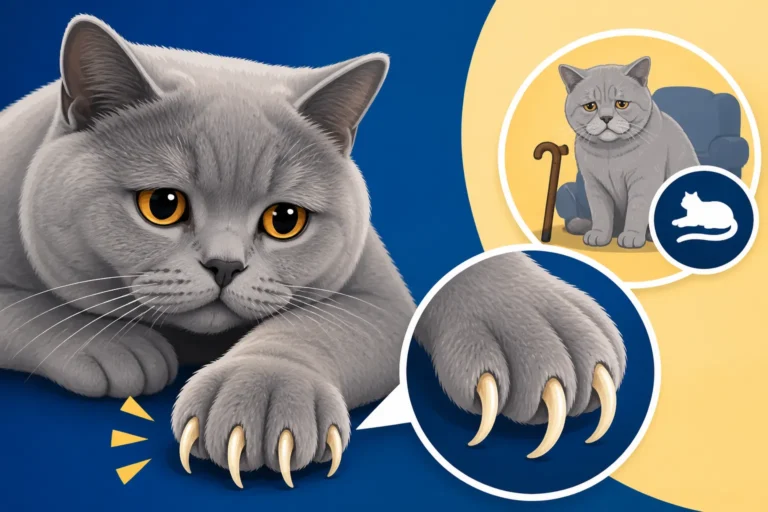
Nail trims are another essential part of their routine. British Shorthairs tend to have thick claws that can become overgrown if not trimmed regularly, potentially leading to discomfort or snagging. Aim for a trim every 2-4 weeks. If you start this early in kittenhood, they're more likely to tolerate it. Your vet or a professional groomer can show you how to do this safely.
Finally, keep an eye on their ears and eyes. British Shorthairs generally have clean ears, but a quick visual check for redness, discharge, or odor during your grooming sessions is always a good idea. If you notice any issues, consult your vet. Their large, round eyes can sometimes accumulate a bit of tear staining, especially in lighter-colored individuals; a gentle wipe with a damp cloth or a designated eye wipe is usually sufficient.
Environmental Enrichment and Mental Stimulation
While British Shorthairs are known for their calm and somewhat reserved nature, they still need environmental enrichment and mental stimulation to prevent boredom and maintain good physical health. They might not be scaling curtains, but they definitely appreciate their creature comforts and a bit of fun!
Consistent play sessions, even short ones, are crucial, especially for keeping their weight in check. Don't expect them to be overly energetic, but a few minutes twice a day with a wand toy or a feather teaser can make a big difference. They often enjoy toys they can "hunt" from a relaxed position, like a laser pointer (used sparingly to avoid frustration) or small, quiet toys they can bat around. Understanding Which Toys a British Shorthair Will Actually Chase can help you select the right kind to encourage activity. Puzzle feeders are also excellent for engaging their minds and slowing down their eating, which helps with weight management.
Provide vertical space, even if your British Shorthair isn't a huge climber. A sturdy cat tree that offers different levels and a cozy perch can be a wonderful addition, allowing them to survey their kingdom from above, even if it's just a few feet off the ground. Window perches are also highly appreciated for bird-watching and soaking up sunbeams. These elements contribute to their sense of security and offer visual stimulation.
Finally, consider their need for companionship. British Shorthairs are generally independent but thrive on interaction with their human families. They might not be lap cats, but they often enjoy sitting near you, following you from room to room, and engaging in quiet conversation. If you have a busy household or your cat is left alone for long stretches, you might consider if When a British Shorthair Needs a Companion is appropriate for your situation, as a compatible feline friend can provide valuable social interaction.
Golden Years: Adapting Care for the Senior British Shorthair
As your British Shorthair gracefully enters their golden years – typically around 7-10 years old – their needs will start to change. Just like us, senior cats benefit from adjusted care to keep them comfortable, healthy, and happy as they age. This is where your long-term commitment truly shines.
Proactive Senior Health Monitoring
The most important aspect of caring for an aging British Shorthair is proactive health monitoring. Many age-related conditions, when caught early, can be managed effectively, vastly improving their quality of life.
This means increasing the frequency of vet visits. Instead of annual check-ups, your senior British Shorthair should ideally see the vet twice a year. These visits allow your veterinarian to closely monitor for subtle changes that might indicate the onset of age-related diseases. They'll pay particular attention to weight, dental health, joint mobility, and organ function. Regular wellness exams and discussions with your vet are paramount for a happy, healthy senior cat.
Comprehensive bloodwork and urine analysis become even more critical in their senior years. These tests can reveal early signs of common conditions like kidney disease, liver issues, and hyperthyroidism long before outward symptoms appear. British Shorthairs, like many breeds, can be prone to conditions like Hyperthyroidism in an Older British Shorthair, and early detection through blood tests makes treatment much more straightforward. Catching these problems when they are subclinical allows for early dietary changes, medication, or other interventions that can significantly slow disease progression and extend their comfortable lifespan.
Pay close attention to any subtle changes in your cat's behavior, appetite, or physical condition. Is their appetite decreasing, or are they suddenly ravenous? Are they drinking more water than usual? Are they less interested in playing or grooming themselves? Weight loss in an older cat is a particularly serious warning sign. Why Weight Loss in an Old British Shorthair Is a Warning cannot be stressed enough; it's rarely just "they're old" and almost always indicates an underlying health issue that needs investigation. Your British Shorthair might be excellent at hiding pain or discomfort, so your vigilance is their best defense.
Supporting Comfort and Mobility
As your British Shorthair ages, you'll want to ensure their environment and routine support their comfort and ease of movement, especially if they start experiencing joint stiffness.
Dietary adjustments are often necessary. Senior cats may have different caloric needs, and some benefit from senior-specific foods formulated with easily digestible proteins, joint support, and kidney-friendly phosphorus levels. If your senior cat's appetite wanes, discuss strategies with your vet, such as warming food slightly or trying different textures, to encourage them to eat. Ensuring they get adequate nutrition is vital for maintaining muscle mass and energy levels.
Joint care becomes increasingly important. Many older cats develop arthritis, and British Shorthairs, with their solid build, are no exception. Look for supplements containing glucosamine and chondroitin, often found in formulations from brands like Amazon, which can help support joint health. Provide soft, orthopedic beds that are easy to get into and out of, perhaps even heated beds for extra comfort during colder months. Consider adding ramps or steps to help them access their favorite elevated spots without painful jumping, because Arthritis in an Older British Shorthair can make jumping quite uncomfortable.
Grooming assistance might also be needed. As cats age, they can become less flexible or develop arthritis, making it difficult to groom themselves thoroughly, especially in hard-to-reach areas like their back. This is also a major concern when discussing Why an Aging British Shorthair Stops Grooming. Regular, gentle combing by you will not only keep their coat mat-free but also serves as a bonding experience. You might also need to help them with nail trims more frequently, as their claws can become thicker and more brittle, overgrowing more easily.
Managing Common Senior Challenges
Beyond general health and comfort, several specific challenges often arise in a British Shorthair's senior years, which require thoughtful management.
Cognitive changes can occur, leading to signs of feline cognitive dysfunction, similar to dementia in humans. These might include disorientation, altered sleep-wake cycles, changes in social interaction, or house soiling. While there's no cure, maintaining a consistent routine, keeping their environment stable, and providing familiar comforts can help reduce stress and confusion. Gentle, reassuring interactions are key.
Ensuring adequate hydration is critical for senior cats, especially those with developing kidney issues. Make sure fresh water is always available in multiple locations. Many cats prefer drinking from ceramic or stainless steel bowls, and some are enticed by a flowing water fountain, which can easily be found on Chewy or Amazon. Increased water intake helps support kidney function and overall health.
Lastly, litter box accessibility needs to be reviewed. Older cats with arthritis might struggle to climb into high-sided litter boxes. Switching to a box with lower sides or providing an extra-large, easily accessible box can make a huge difference in preventing accidents outside the box. Placing multiple litter boxes on each floor of your home, especially if your cat has reduced mobility, will ensure they don't have to travel far when nature calls.
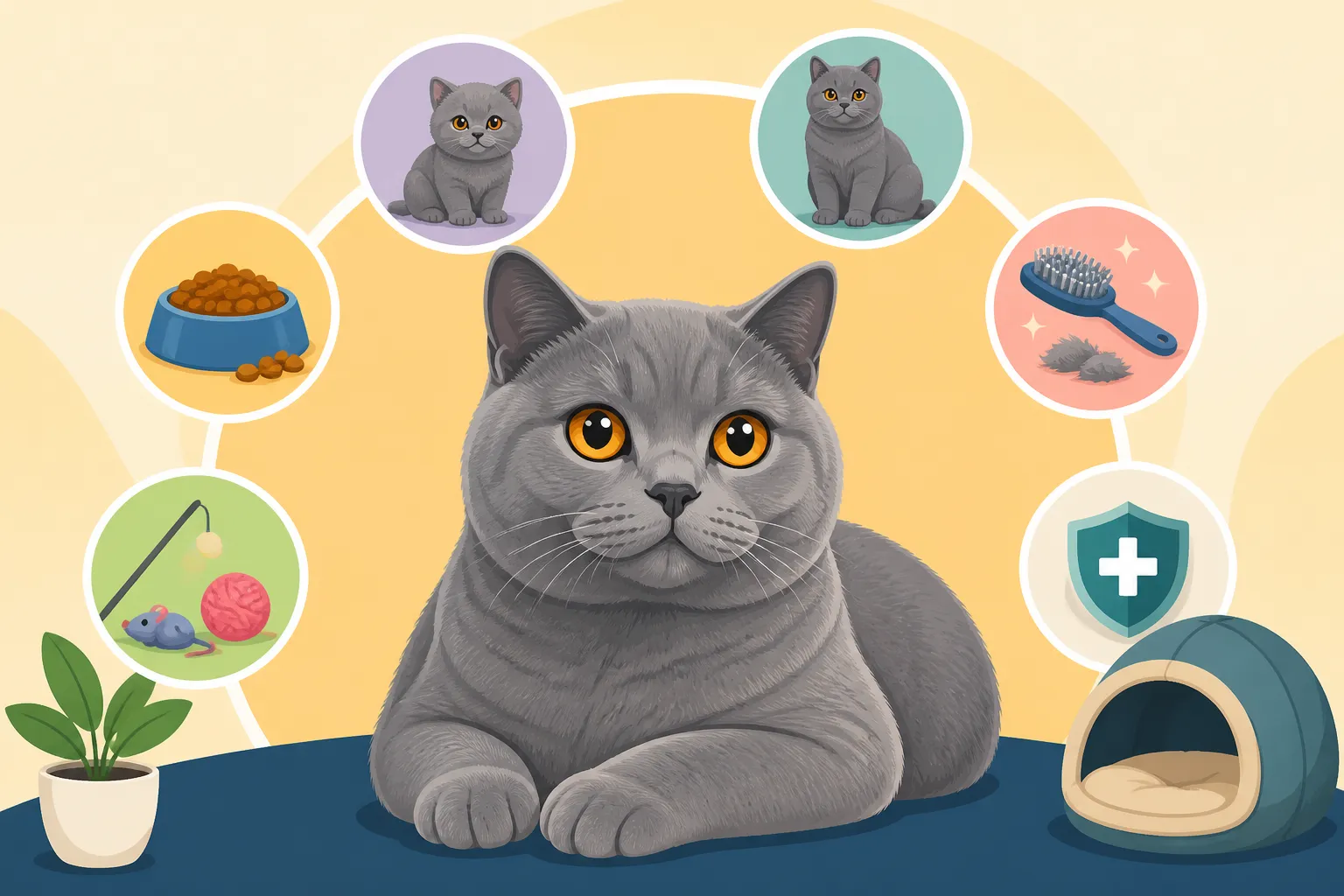
Here's a quick overview of British Shorthair care needs across their life stages:
| Life Stage | Key Focus Areas | Essential Care Routines |
|---|---|---|
| Kitten (0-1 year) | Growth, socialization, habit formation | Kitten food (portion controlled), regular vet checks, vaccines, parasite control, early handling, gentle play, introduction to grooming tools. |
| Adult (1-7 years) | Maintaining peak health, weight, mental engagement | Adult food (strict portion control), weight monitoring, daily dental care, regular combing, nail trims, interactive play, annual vet checks. |
| Senior (7+ years) | Early disease detection, comfort, mobility | Senior-specific diet, bi-annual vet checks, bloodwork/urinalysis, joint support, grooming assistance, accessible litter boxes, increased hydration. |
Caring for a British Shorthair throughout their life is an incredibly rewarding journey. By understanding and anticipating their changing needs at each stage, you can provide them with the best possible care, ensuring they remain the cherished, fluffy members of your family for many wonderful years to come.
Disclaimer
This article is for general informational purposes only and does not constitute professional advice. Laws, prices and regulations vary by location and change over time. Consult a qualified professional for guidance on your specific situation.