The Twelve to Seventeen Years a British Shorthair Gets
It’s a heart-wrenching thought, isn't it? The day we have to say goodbye to our beloved British Shorthair. When you bring one of these magnificent, teddy bear-like cats into your home, you're hoping for as many years as possible with that comforting presence. The truth is, while British Shorthairs are generally a robust breed, their lifespan, typically ranging from 12 to 17 years, isn't guaranteed. Many factors play into how long they truly thrive, and understanding these can help you maximize your cherished companion's time with you. This guide will walk you through what impacts their years, from genetics to daily care, and how you can proactively support their health every step of the way.
Understanding the British Shorthair Lifespan: What to Expect
When we talk about the lifespan of any pet, it’s rarely a single, definitive number. It’s a spectrum, influenced by so many variables that are both within and beyond our control. For British Shorthairs, this range gives us both hope and a nudge to be diligent.
The Average Range: Hope for the Best
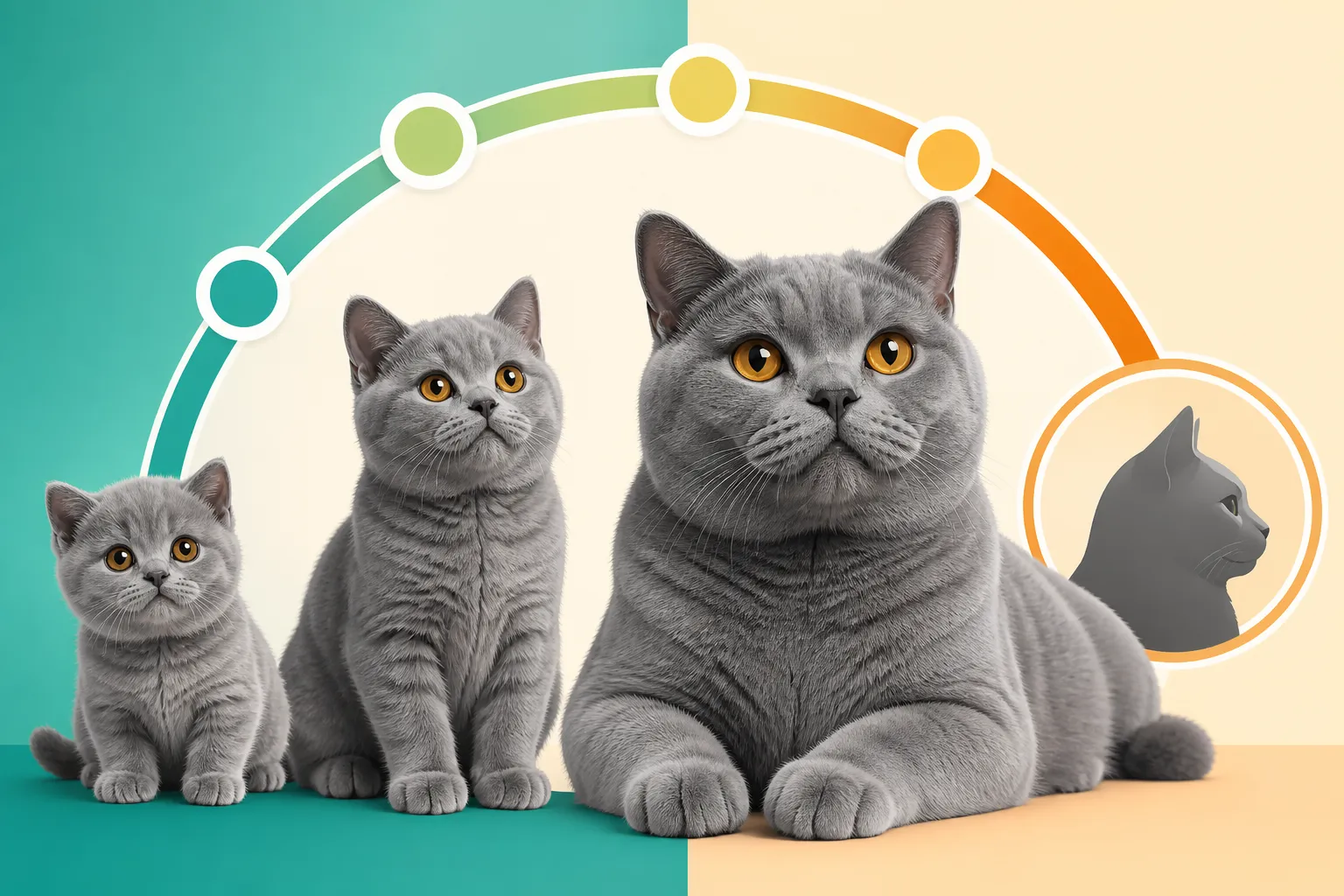
Most sources, including reputable veterinary associations and breed clubs, will tell you that the average British Shorthair lives between 12 and 17 years. This is a pretty respectable innings in the feline world. A cat reaching 12 years is considered to be entering their senior years, and many British Shorthairs comfortably sail past this mark, living well into their mid-teens, and sometimes even longer. I've known British Shorthairs who've reached 18 or 19 years old, still purring and enjoying a sunny spot, albeit a little stiffer in their joints. It really shows the potential for a long life if everything aligns.
However, "average" means some will fall below this, and some will exceed it. It’s important to remember that these are just statistics. What truly matters is the individual cat in your home and the quality of life you can provide. While you might initially worry about questions like How Long a British Shorthair Lives on Average, it's more productive to focus on the factors you can control.
Why There's a Range: Nature vs. Nurture
The significant range in lifespan isn't just random; it's a complex interplay of inherited traits and the environment they live in. Genetically, some cats are simply predisposed to fewer health issues or a slower aging process. This is why choosing a reputable breeder who screens their cats diligently is so vital. They are actively trying to stack the genetic deck in favor of longevity and health.
Beyond genetics, nurture plays an enormous role. The quality of food, the amount of exercise (or lack thereof), access to veterinary care, living conditions, and even the emotional stress levels in their home all contribute. A cat living a low-stress, indoor life with consistent, high-quality nutrition and regular vet visits is simply going to have a better chance at a longer life than one exposed to outdoor dangers, erratic feeding, or neglected health issues. It's a holistic picture, not just one single factor.
Dispelling Myths: Are They Truly Long-Lived?
There's often a romantic notion that purebred cats are inherently frail or short-lived compared to their domestic shorthair counterparts. While some breeds do have specific genetic predispositions that can shorten life, the British Shorthair largely defies this myth. With careful breeding practices aimed at minimizing hereditary diseases, they can be remarkably resilient. Their sturdy, cobby build, while contributing to their charming teddy bear appearance, also hints at a robust constitution.
In fact, compared to some other breeds, British Shorthairs are considered to have a good, solid lifespan. It's not uncommon to hear of them living longer than the 12-17 year average, especially with dedicated owners. The key is distinguishing between breeds with known widespread genetic issues and those, like the British Shorthair, where responsible breeders actively work to eliminate or manage specific health concerns through rigorous testing. Don't let generalized myths about purebred health discourage you; focus on the facts and the care your specific British Shorthair receives.
Genetic Health Conditions That Can Shorten Lifespan
Even the most robust breeds have their Achilles' heel, and the British Shorthair is no exception. While generally healthy, there are a few genetic conditions that owners should be aware of, as they can significantly impact longevity if not managed.
Hypertrophic Cardiomyopathy HCM: The Silent Threat
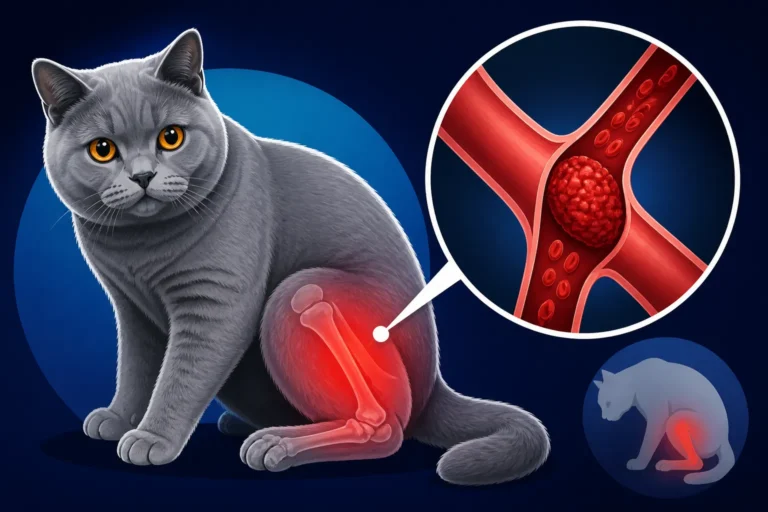
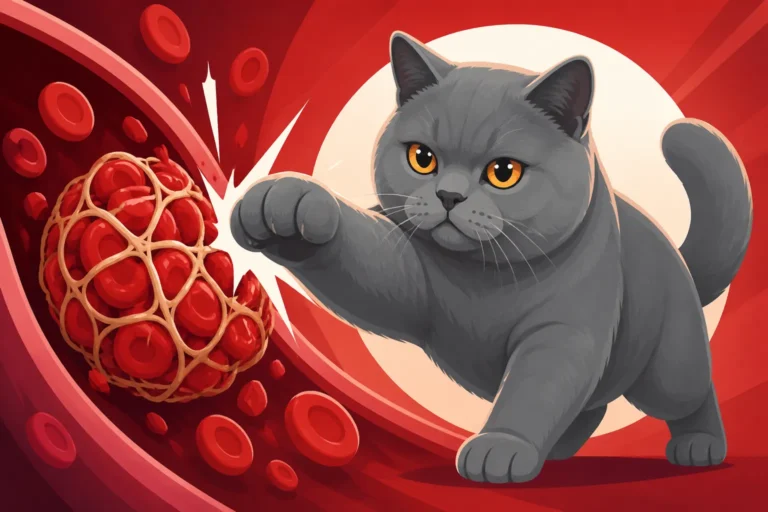
Hypertrophic Cardiomyopathy, or HCM, is by far the most concerning genetic health issue for British Shorthairs, and indeed, many other cat breeds. It's a progressive disease where the heart muscle thickens, making it harder for the heart to pump blood effectively. What makes HCM so insidious is that it's often a "silent killer." Cats are masters at hiding illness, and outward signs may not appear until the disease is quite advanced, potentially leading to heart failure, fluid in the lungs, or even sudden death from a clot. This is why it's so important for breeders to screen for HCM, even though there isn't a specific DNA test for British Shorthairs like there is for Maine Coons.
Regular cardiac ultrasounds (echocardiograms) performed by a board-certified veterinary cardiologist are the gold standard for diagnosis. Many breeders will perform these yearly on their breeding cats to try and identify affected individuals and remove them from their breeding programs. Learning What HCM Does to a British Shorthair's Heart is crucial for any owner, as understanding the disease helps in early detection and management. If your British Shorthair is diagnosed, while it's certainly devastating news, medications can often help manage the symptoms and improve their quality of life for a significant period.
Polycystic Kidney Disease PKD: A Legacy Issue
Polycystic Kidney Disease (PKD) is another genetic condition that can affect British Shorthairs. Unlike HCM, there is a reliable DNA test for PKD, specifically the PKD1 mutation, which means responsible breeders can easily screen their cats and ensure they are not passing this gene on. PKD causes fluid-filled cysts to form in the kidneys, gradually enlarging and damaging the kidney tissue, eventually leading to kidney failure.
Historically, PKD was a significant concern in British Shorthairs due to their outcrossing with Persians to rebuild the breed after the World Wars. Persians are known to carry the PKD1 gene. Thankfully, due to widespread DNA testing, the incidence of PKD in British Shorthairs has dramatically decreased. Most reputable breeders will now provide clear DNA test results for PKD, showing their cats are negative. This means that Polycystic Kidney Disease Came Into the British Shorthair With the Persians, but diligent breeders have largely eradicated it from modern lines. If you're considering a British Shorthair, always ask about PKD test results. It's a straightforward test that can prevent a lifetime of kidney issues.
Other Inherited Predispositions: Hemophilia B and Blood Types
While less common than HCM or PKD, other genetic factors can influence a British Shorthair's health and, by extension, their lifespan. Hemophilia B, a blood clotting disorder, has been identified in the breed. Like PKD, a DNA test is available for Hemophilia B, allowing breeders to screen and avoid passing on this recessive trait. An affected cat can experience severe bleeding episodes, which can be life-threatening.
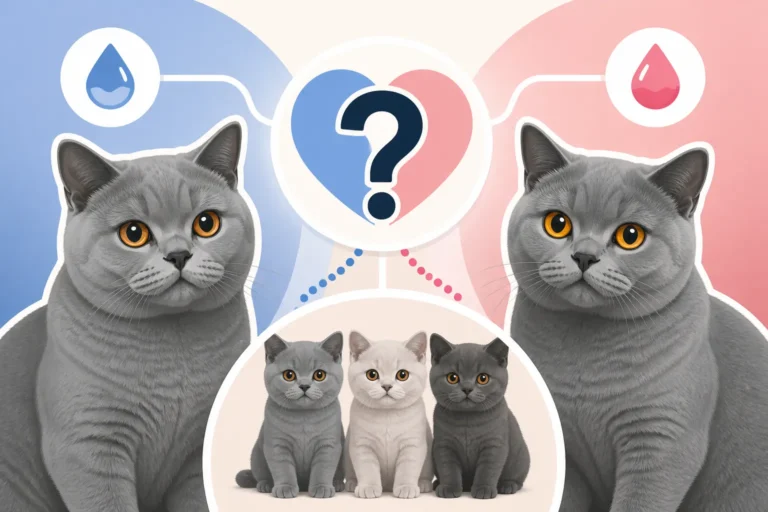
Another critical, though not strictly "disease," genetic factor is blood type. British Shorthairs have a higher incidence of Type B blood than many other breeds. While not a direct health issue for an individual cat, it becomes critically important in breeding. If a Type B queen (female cat) is bred to a Type A tom (male cat), the kittens can suffer from Neonatal Isoerythrolysis, a condition where the mother's antibodies attack the Type A blood cells of her kittens, often leading to fading kitten syndrome and death shortly after birth. This is why reputable breeders carefully blood type their breeding cats. While not directly shortening the individual cat's life (unless they need an emergency transfusion and receive the wrong type), it underscores the importance of genetic awareness in the breed. Knowing What Blood Type B Means in a British Shorthair is another layer of informed ownership.
Lifestyle and Environmental Factors Crucial for Longevity
Beyond genetics, the way a British Shorthair lives day-to-day profoundly impacts how long and how healthily they live. You have significant control over these elements, making your choices vital to their well-being.
The Impact of Diet and Weight: Obesity's Hidden Dangers
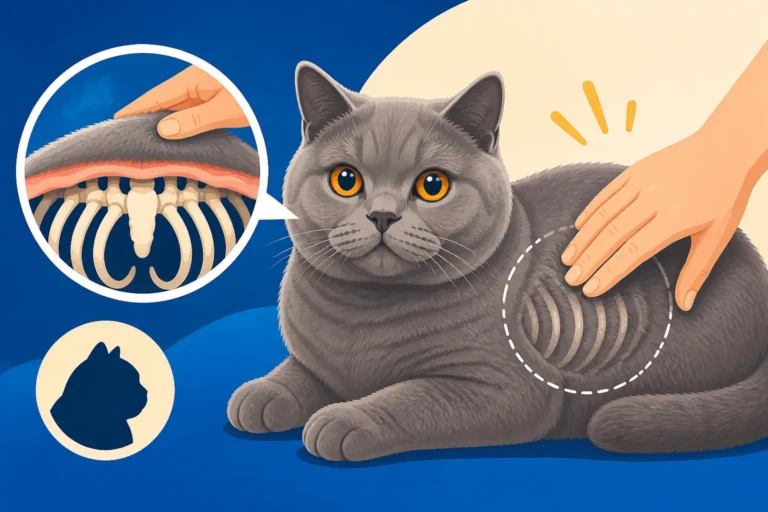
Let’s be honest, British Shorthairs are masters of looking perpetually cuddly, and their tendency to be less active means they can gain weight very easily. But that "chunky" look often crosses the line into genuine obesity, and this is perhaps one of the biggest threats to their long-term health. Obesity Is the British Shorthair's Real Disease because it silently contributes to a host of other serious conditions that shorten their lives. Overweight cats are at a much higher risk for:
- Diabetes: Just like in humans, excess weight can lead to insulin resistance and full-blown diabetes, requiring daily insulin injections and careful dietary management.
- Arthritis: The extra weight puts immense strain on their joints, accelerating the onset and severity of arthritis, especially in an older British Shorthair. This reduces their mobility and quality of life.
- Urinary Problems: Obesity can exacerbate issues like Feline Lower Urinary Tract Disease (FLUTD) and bladder stones, painful conditions that require veterinary intervention.
- Liver Disease: Severely overweight cats are prone to hepatic lipidosis (fatty liver disease) if they stop eating for even a short period, which can be life-threatening.
- Reduced Grooming: A fat British Shorthair often struggles to groom its back and hindquarters, leading to matted fur, skin infections, and discomfort.
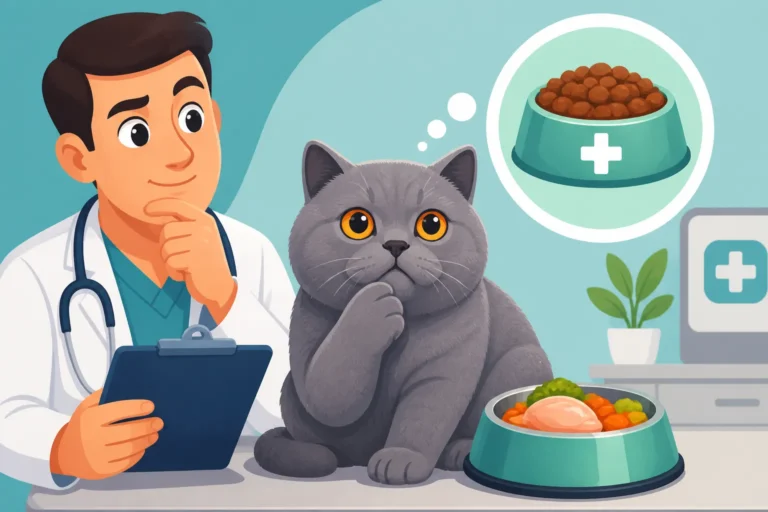
Portion control is absolutely essential. Don't free-feed your British Shorthair; measure out their food precisely and stick to a schedule. If your cat is already overweight, work with your vet to implement a safe, gradual weight loss plan. It might seem like a small thing, but managing their weight is one of the most impactful things you can do for their longevity.
The Importance of an Indoor Lifestyle: Safety First
While a stroll in a supervised, secure outdoor enclosure can offer enrichment, a strictly indoor lifestyle is generally recommended for British Shorthairs to maximize their lifespan. The dangers awaiting cats outdoors are numerous and serious:
- Traffic accidents: This is a leading cause of death for outdoor cats.
- Predators: Coyotes, foxes, and even aggressive dogs pose a significant threat.
- Fights with other cats: These can result in painful injuries, abscesses, and the transmission of deadly diseases like Feline Immunodeficiency Virus (FIV) and Feline Leukemia Virus (FeLV).
- Parasites: Fleas, ticks, and internal parasites are far more prevalent for outdoor cats.
- Poisons: Antifreeze, rodenticides, and various garden chemicals can be fatal if ingested.
- Theft or deliberate harm: Sadly, not everyone has a love for animals.
By keeping your British Shorthair indoors, you're protecting them from a multitude of preventable hazards. Provide them with plenty of vertical space (sturdy cat trees are a must for their solid build), window perches for bird-watching, and interactive toys to keep them stimulated. For those who crave a bit of fresh air, a secure "catio" or supervised harness walks in a safe garden can offer the best of both worlds without the inherent risks.
Stress and Environment: A Calm Home for a Calm Cat
Cats, including the placid British Shorthair, are creatures of habit and can be surprisingly sensitive to stress. A chaotic, constantly changing, or overly noisy environment can take a toll on their physical and mental health. Chronic stress can suppress their immune system, making them more susceptible to illness, and can even manifest in behavioral issues like inappropriate urination, which often leads to cats being rehomed.
A stable, predictable, and calm home environment is crucial for their well-being. This means:
- Routine: Cats thrive on routine. Consistent feeding times, playtime, and quiet periods help them feel secure.
- Safe spaces: Ensure your British Shorthair has plenty of places to retreat to when they feel overwhelmed or simply want solitude. This could be a high perch, a cozy bed in a quiet room, or a hidden tunnel.
- Environmental enrichment: Despite their calm demeanor, British Shorthairs still need mental and physical stimulation. Interactive toys, puzzle feeders, and regular play sessions prevent boredom and stress.
- Gentle introductions: If you're bringing new pets or people into the home, do so slowly and carefully, allowing your British Shorthair ample time to adjust without feeling threatened.
While they are generally adaptable, minimizing stressors in their daily lives helps them maintain a strong immune system and a healthy, happy disposition, contributing significantly to a longer, more comfortable life.
Preventative Care and Regular Veterinary Check-ups
One of the most powerful tools in extending your British Shorthair's life and maintaining their quality of life is consistent, preventative veterinary care. It’s not just about reacting when they’re sick; it’s about proactively keeping them well.
The Essential Yearly Wellness Exams: More Than Just Shots
Think of your cat's annual vet visit as their equivalent of your own yearly physical. These aren't just for vaccinations, though those are vital for preventing common feline diseases. During a wellness exam, your veterinarian will perform a thorough physical assessment, checking their weight, listening to their heart and lungs, palpating their abdomen, examining their teeth, ears, and eyes. This comprehensive check-up allows the vet to:
- Catch subtle changes: Cats are masters of disguise when it comes to illness. A vet's trained eye can often spot early warning signs that you might miss, such as a slight weight change, a new murmur, or tenderness in an area.
- Monitor chronic conditions: If your British Shorthair has an ongoing issue like early-stage kidney disease or arthritis, the yearly exam is crucial for monitoring its progression and adjusting treatment plans.
- Discuss nutrition and behavior: These visits are the perfect opportunity to discuss any concerns you have about their diet, weight, or behavior patterns.
- Vaccinations and parasite control: Ensuring your cat is up-to-date on vaccinations and receives regular parasite prevention (for fleas, ticks, and worms) protects them from common and sometimes deadly pathogens.
As your British Shorthair enters their senior years, around age 7-10, your vet might recommend twice-yearly check-ups, as changes can happen more rapidly. Questions like What a British Shorthair's Yearly Bloodwork Should Cover become increasingly important during these later stages.
Early Detection Through Screening: Echoes and Bloodwork
Beyond the basic physical exam, certain diagnostic screenings are invaluable for early detection of diseases common in British Shorthairs, particularly as they age.
- Echocardiograms for HCM: As discussed, there's no DNA test for HCM in British Shorthairs. This means regular echocardiograms are essential. Many vets recommend that British Shorthairs start cardiac screening around 1-2 years of age, and then continue with regular follow-ups, often yearly, depending on the cardiologist's recommendation. This early detection can allow for medication to be started before severe symptoms develop, potentially extending their comfortable life. This is precisely why The Yearly Echo That Replaces a British Shorthair Gene Test is so critical for the breed.
- Bloodwork and Urinalysis: Routine blood panels (including a complete blood count and chemistry profile) and urinalysis provide a wealth of information about your cat's internal organ function. They can detect early signs of kidney disease, liver issues, diabetes, and hyperthyroidism (especially common in older cats) long before visible symptoms appear. This allows for intervention when treatments are most effective. For instance, early detection of kidney issues can lead to dietary changes that slow disease progression.
- Thyroid Screening: Hyperthyroidism is a common hormonal disorder in older cats. A simple blood test can diagnose it, and with treatment, affected cats can often live many more years with excellent quality of life.
Investing in these screenings might seem like an added expense, but for many owners, it provides peace of mind and the best chance at early intervention. Pet insurance plans, such as those from Healthy Paws, can be incredibly helpful in offsetting the costs of these diagnostic tests and subsequent treatments for chronic conditions.
Dental Health: Often Overlooked, Hugely Important
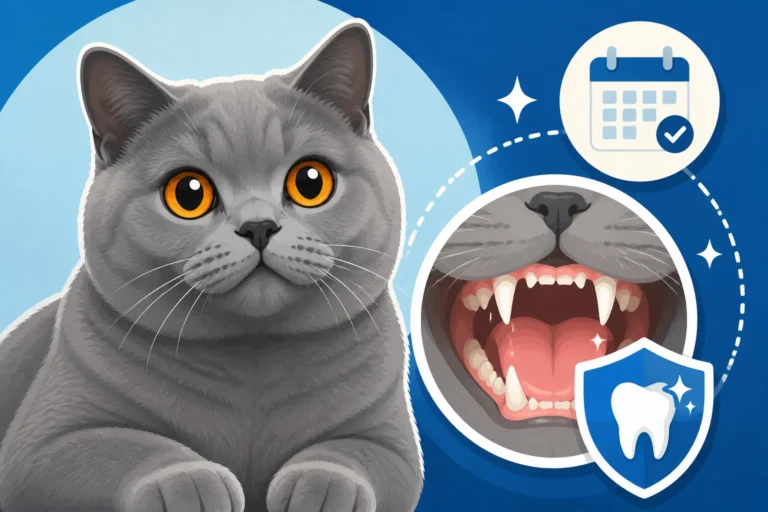
Dental disease is one of the most common health problems in cats, and British Shorthairs are no exception. It's often underestimated how much poor dental health can impact a cat's overall well-being and lifespan. Plaque and tartar buildup lead to gingivitis, which can progress to periodontitis, a painful infection that damages the gums and bone supporting the teeth.
The consequences extend far beyond just bad breath:
- Pain: Severe dental disease is incredibly painful, making it difficult for cats to eat, leading to weight loss and malnutrition.
- Systemic Illness: Bacteria from infected teeth and gums can enter the bloodstream and travel to vital organs like the heart, kidneys, and liver, causing secondary infections and worsening existing conditions. This can significantly shorten their life.
- Reduced Quality of Life: A cat in chronic pain won't eat, play, or interact as they normally would.
Regular dental check-ups, professional cleanings under anesthesia, and at-home dental care (if your cat tolerates it, like brushing or dental treats) are crucial. Your vet can advise you on the best dental care routine for your British Shorthair. Don't let Gingivitis in a British Shorthair go unchecked; it's a silent threat to their longevity.
Caring for Your Senior British Shorthair: Beyond Ten Years
Reaching the double digits is a wonderful milestone for your British Shorthair! However, just like us, cats experience changes as they age. "Senior" typically starts around 10-12 years, and recognizing and adapting to these changes is key to ensuring their comfort and extending their golden years. This is the stage where The Age a British Shorthair Is Considered Senior really comes into play.
Recognizing the Signs of Aging: Subtle Shifts
Cats are notorious for hiding pain and illness, so recognizing the subtle signs of aging in your British Shorthair requires careful observation. Don't dismiss changes as "just old age" without consulting your vet.
- Changes in Activity and Mobility: They might sleep more, play less, or seem reluctant to jump onto furniture they once easily scaled. This could be a sign of arthritis or other joint pain. They might also appear stiff when getting up after a nap.
- Weight Fluctuations: Unexplained weight loss, despite a normal appetite, can be a sign of underlying issues like hyperthyroidism, kidney disease, or dental pain. Weight gain, on the other hand, can exacerbate existing conditions.
- Coat and Grooming Habits: Older cats may stop grooming themselves as meticulously, especially in hard-to-reach areas. Their coat might look dull, matted, or greasy. This can be due to arthritis making it painful to contort, or a general feeling of being unwell.
- Changes in Appetite or Thirst: Increased thirst can be a red flag for kidney disease or diabetes. A sudden decrease in appetite could indicate dental problems, nausea, or other internal issues. Conversely, a ravenous appetite with weight loss often points to hyperthyroidism.
- Behavioral Changes: Older cats might become more vocal, disoriented, or anxious. They might hide more, or become less tolerant of being handled. This could be a sign of cognitive dysfunction (feline dementia) or pain.
- Litter Box Habits: Accidents outside the litter box could be due to arthritis making it difficult to get into the box, or underlying urinary tract issues.
Any significant change warrants a vet visit. Early intervention can make a world of difference in managing age-related conditions.
Adjusting Diet and Exercise for Older Cats: Keeping Them Comfortable
As your British Shorthair ages, their nutritional and exercise needs will shift.
- Dietary Adjustments: Many senior cats benefit from a diet formulated specifically for their age. These foods often have:
- Lower calorie content: To prevent weight gain, as their metabolism slows down and activity decreases.
- Higher quality protein: To help maintain muscle mass without overworking the kidneys.
- Added supplements: Such as omega-3 fatty acids for joint and cognitive health, and antioxidants to support the immune system.
- Increased moisture: Wet food is often recommended for older cats, especially those with early kidney disease, as it helps with hydration.
- Easier to chew: If dental problems are present, softer foods are more palatable.
Consult your vet before changing their diet, especially if they have existing health conditions.
- Encouraging Gentle Exercise: While a senior British Shorthair won't be climbing curtains, gentle activity is still important to maintain muscle tone and joint flexibility.
- Short, frequent play sessions: Use wand toys or laser pointers (be mindful of frustration if no "catch" is provided) for short bursts of activity.
- Ramps or steps: Provide easy access to their favorite sleeping spots or window perches to minimize strain on aging joints.
- Warm, comfortable beds: Orthopedic beds can provide relief for arthritic joints.
Remember that Why Weight Loss in an Old British Shorthair Is a Warning and Whether an Aging British Shorthair Gets Stiff are critical considerations, emphasizing the importance of ongoing vet consultations.
Managing Chronic Conditions: Arthritis, Diabetes, and Hyperthyroidism
It's a reality that many British Shorthairs will develop one or more chronic conditions in their later years. The good news is that veterinary medicine has advanced significantly, and many of these can be managed effectively, allowing for a good quality of life.
- Arthritis: This is incredibly common. Treatment options include pain medication (NSAIDs), joint supplements (glucosamine, chondroitin, omega-3s), physical therapy, and even laser therapy. Creating an accessible environment with ramps and soft bedding also helps.
- Diabetes: If your senior British Shorthair becomes diabetic, it will likely require daily insulin injections, a carefully controlled diet, and regular blood glucose monitoring. While it sounds daunting, many owners learn to manage this at home, and cats can live full, happy lives with proper care.
- Hyperthyroidism: This condition, caused by an overactive thyroid gland, is very treatable. Options include daily medication, a prescription diet (Hill's y/d is a common brand), radioactive iodine therapy (a one-time cure), or surgical removal of the thyroid gland. Early diagnosis and treatment are crucial to prevent complications affecting the heart and kidneys.
- Kidney Disease: Chronic Kidney Disease (CKD) is progressive but can be managed. Management typically involves a prescription kidney diet (lower in protein, phosphorus, and sodium), fluid therapy, and medications to control symptoms like nausea.
Managing these conditions can be an emotional and financial commitment. This is where having pet insurance, such as through Healthy Paws, can be a huge relief, covering a significant portion of the ongoing costs for medications, special diets, and vet visits, easing the burden during your cat's twilight years. Understanding What an Aging British Shorthair's Bills Look Like can help you prepare.
| Health Condition | Common Onset Age | Key Screening Method(s) | Primary Management Strategies | Impact on Lifespan (if untreated) |
|---|---|---|---|---|
| HCM | 1-7 years (variable) | Echocardiogram | Medications (beta-blockers, ACE inhibitors, anti-coagulants) | Significant reduction, sudden death |
| PKD | Progresses over time | DNA Test (PKD1), Ultrasound | Dietary management, hydration, medications for symptoms | Moderate reduction |
| Obesity | Any age | Body Condition Score, Weigh-ins | Strict portion control, appropriate diet, increased activity | Moderate reduction, increased disease risk |
| Dental Disease | Any age (worsens with age) | Oral exam, dental X-rays | Professional dental cleanings, at-home dental care | Moderate reduction (via systemic issues) |
| Arthritis | 8+ years | Physical exam, X-rays | Pain medication, joint supplements, environmental modifications | Reduced quality of life, mobility |
| Diabetes | 8+ years | Blood/urine tests | Insulin injections, special diet, blood glucose monitoring | Significant reduction, organ damage |
| Hyperthyroidism | 10+ years | Blood test (T4) | Medication, prescription diet, radioactive iodine therapy, surgery | Moderate reduction, heart/kidney complications |
| Chronic Kidney Disease | 10+ years | Blood/urine tests (SDMA, Creatinine) | Prescription kidney diet, fluid therapy, blood pressure meds, phosphate binders | Significant reduction, poor quality of life |
Maximizing Your British Shorthair's Lifespan: Practical Tips
Ultimately, the goal is to give your British Shorthair the longest, healthiest, and happiest life possible. While some factors are beyond our control, many aspects of their care and environment contribute significantly to their longevity.
Choosing a Reputable Breeder: Starting Strong
The journey to a long-lived British Shorthair often begins before they even come home. The choice of breeder is paramount. A reputable breeder prioritizes the health and well-being of their cats above all else, and this investment pays dividends in the health of your future kitten. When researching breeders, look for:
- Health Testing: This is non-negotiable. Reputable breeders will screen their breeding cats for genetic conditions common in the breed, such as HCM (via regular echocardiograms by a board-certified cardiologist) and PKD (via DNA testing for PKD1). They should be transparent about these results and willing to share certificates. Asking What a British Shorthair Breeder Should Have Tested is a great starting point.
- Proper Socialization: Kittens raised in a clean, stimulating home environment, handled regularly, and well-socialized are more likely to be confident, well-adjusted adults, reducing stress-related health or behavioral issues later on.
- Vaccinations and Worming: Kittens should come with their initial vaccinations and deworming up-to-date.
- Contract and Guarantees: A good breeder will have a comprehensive contract outlining health guarantees, spay/neuter requirements, and support for the life of the cat.
- Knowledge and Openness: They should be knowledgeable about the breed's specific health concerns, willing to answer all your questions, and happy to show you the parents (or at least photos/health records).
Avoiding backyard breeders or online sellers who offer suspiciously low prices and no health guarantees is crucial. While the upfront cost from a reputable breeder might be higher, it's an investment in a healthier cat and potentially fewer vet bills down the line.
Enrichment and Mental Stimulation: Keeping Their Minds Sharp
While British Shorthairs are known for their calm and somewhat laid-back demeanor, they are still intelligent animals that require mental stimulation. A bored cat can become stressed, lethargic, or develop undesirable behaviors that impact their overall well-being. Keeping their minds active contributes to a better quality of life and can even delay cognitive decline as they age.
- Interactive Play: Even if they don't seem like the most enthusiastic players, short, consistent play sessions with wand toys, feather teasers, or crinkle balls can engage their predatory instincts. Experiment to find what your individual cat enjoys.
- Puzzle Feeders: These are fantastic for slowing down fast eaters and providing mental enrichment. Instead of just eating from a bowl, they have to "work" for their food, mimicking natural foraging behavior.
- Window Perches and Catios: Providing safe access to "cat TV" – a view of the outside world – is immensely stimulating. A secure catio (outdoor enclosure) offers fresh air and sensory input without the dangers of free-roaming.
- Scratching Posts and Climbers: Ensure they have sturdy scratching posts and cat trees that can accommodate their weight and allow them to stretch and climb safely. Which Cat Tree a British Shorthair Uses can be an important consideration for their size.
- Rotation of Toys: Keep their toy collection interesting by rotating toys every few weeks. What was old becomes new again!
Engaging their minds and bodies, even gently, helps keep them happy, reduces stress, and promotes overall vitality throughout their lives.
The Power of Love and Connection: Emotional Well-being
It might sound sentimental, but the emotional well-being of your British Shorthair is just as important as their physical health. Cats are highly attuned to their environment and the emotions of their human companions. A loving, stable home where they feel safe and cherished significantly contributes to their overall health and potentially, their lifespan.
- Consistent Affection: While British Shorthairs aren't typically "lap cats" in the traditional sense, they deeply appreciate quiet companionship, gentle strokes, and being near their favorite people. Learn their preferred ways of showing and receiving affection.
- Security and Predictability: A consistent routine, a safe home environment, and knowing where their resources (food, water, litter box) are, all contribute to a feeling of security.
- Respect Their Space: British Shorthairs value their independence. Learn to read their body language and respect their need for alone time. Don't force interactions.
- Bonding Activities: Gentle grooming sessions (which they often enjoy due to their dense coats), quiet cuddle times on the sofa, or even just sitting together can strengthen your bond.
- Attention to Changes: Being observant and responsive to subtle changes in their behavior, appetite, or activity levels shows them you care and can lead to earlier detection of health issues.
A cat that feels loved and secure is less stressed, has a stronger immune system, and is generally more resilient. The emotional connection you share with your British Shorthair is invaluable, enriching both your lives and giving them every chance to live out their The Twelve to Seventeen Years a British Shorthair Gets to the fullest.
Disclaimer
This article is intended for informational purposes only and is not a substitute for professional veterinary advice. Always consult with a qualified veterinarian for any health concerns or before making any decisions about your pet's medical care or diet. While efforts have been made to provide accurate and up-to-date information, individual circumstances may vary.