Polycystic Kidney Disease Came Into the British Shorthair With the Persians
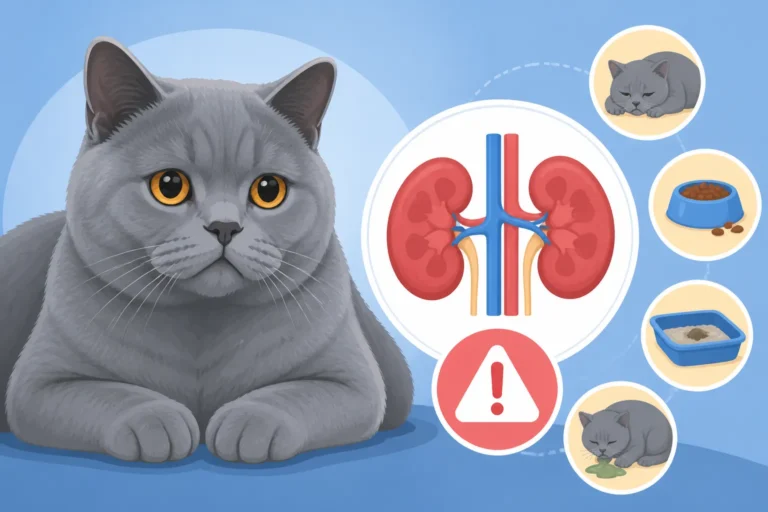
It’s truly disheartening to think that a beautiful, beloved British Shorthair could be carrying a ticking time bomb within its kidneys, silently developing a disease that might not show itself until it’s far too advanced. Polycystic Kidney Disease, or PKD, is one such silent predator, and understanding its origins, impact, and how to manage it is crucial for every British Shorthair owner. This guide will walk you through everything you need to know, from its surprising historical entry into the breed to modern diagnostic and management strategies.
The Unseen Threat of Polycystic Kidney Disease in British Shorthairs
Polycystic Kidney Disease (PKD) is one of those conditions that strikes fear into the hearts of responsible breeders and dedicated pet owners alike. It’s insidious because it often progresses without obvious symptoms until a significant portion of kidney function is already compromised. For British Shorthair enthusiasts, understanding this disease is paramount.
What is Polycystic Kidney Disease PKD
At its core, Polycystic Kidney Disease is a genetic disorder, specifically an autosomal dominant trait in cats, primarily linked to the PKD1 gene mutation. What this means is that if a cat inherits even one copy of the defective gene, it will develop the disease. There’s no "carrier" state where they don't get it themselves but can pass it on – if they have the gene, they will have PKD. The hallmark of PKD is the formation and gradual enlargement of fluid-filled cysts within the kidneys. These aren’t just tiny, harmless bubbles; they’re often numerous, vary in size from microscopic to several centimeters in diameter, and progressively take over healthy kidney tissue.
Imagine your cat's kidneys as highly efficient filters, packed with millions of tiny, working units called nephrons. With PKD, these cysts begin to form, slowly displacing and destroying those essential nephrons. It's not an infection that can be treated with antibiotics or a sudden injury; it's a slow, relentless structural degradation that ultimately impairs the kidney’s ability to filter waste products from the blood, regulate blood pressure, and maintain electrolyte balance.
How PKD Progresses in a British Shorthair's Kidneys
The progression of PKD in a British Shorthair is typically a long, drawn-out process. Kittens are born with these microscopic cysts, but they generally remain small and undetectable for years. This is why a young cat might appear perfectly healthy, masking the underlying issue. As the cat ages, these cysts slowly but steadily grow in size and number. This growth leads to the gradual destruction of the surrounding kidney tissue, replacing functional tissue with non-functional fluid-filled sacs.
Eventually, enough healthy kidney tissue is lost that the kidneys can no longer perform their vital functions effectively. This is when signs of kidney failure begin to manifest. It’s a slow decline, often spanning several years, and the timing of onset and severity can vary greatly between individual cats, even those with the same genetic mutation. While some British Shorthairs might show signs of kidney failure as early as three to five years old, it’s not uncommon for others to live into their senior years before the disease becomes clinically apparent. This unpredictability is precisely what makes early diagnosis and management so challenging, yet so incredibly important.
The Persian Connection: How PKD Entered the British Shorthair Breed
The presence of Polycystic Kidney Disease in British Shorthairs isn't a random occurrence; it has a clear and well-documented historical link to specific breeding practices. Understanding this lineage helps us appreciate why testing is so critical today.
The Post-War Outcrosses That Introduced PKD
To truly grasp how PKD infiltrated the British Shorthair gene pool, we need to take a quick trip back in time to the aftermath of the World Wars. The British Shorthair breed, like many others, faced near extinction after both World War I and World War II. Breeder numbers dwindled, and the existing gene pool became alarmingly small, leading to concerns about inbreeding and genetic viability. To save the breed and broaden its genetic diversity, responsible breeders made the difficult but necessary decision to outcross to other breeds.
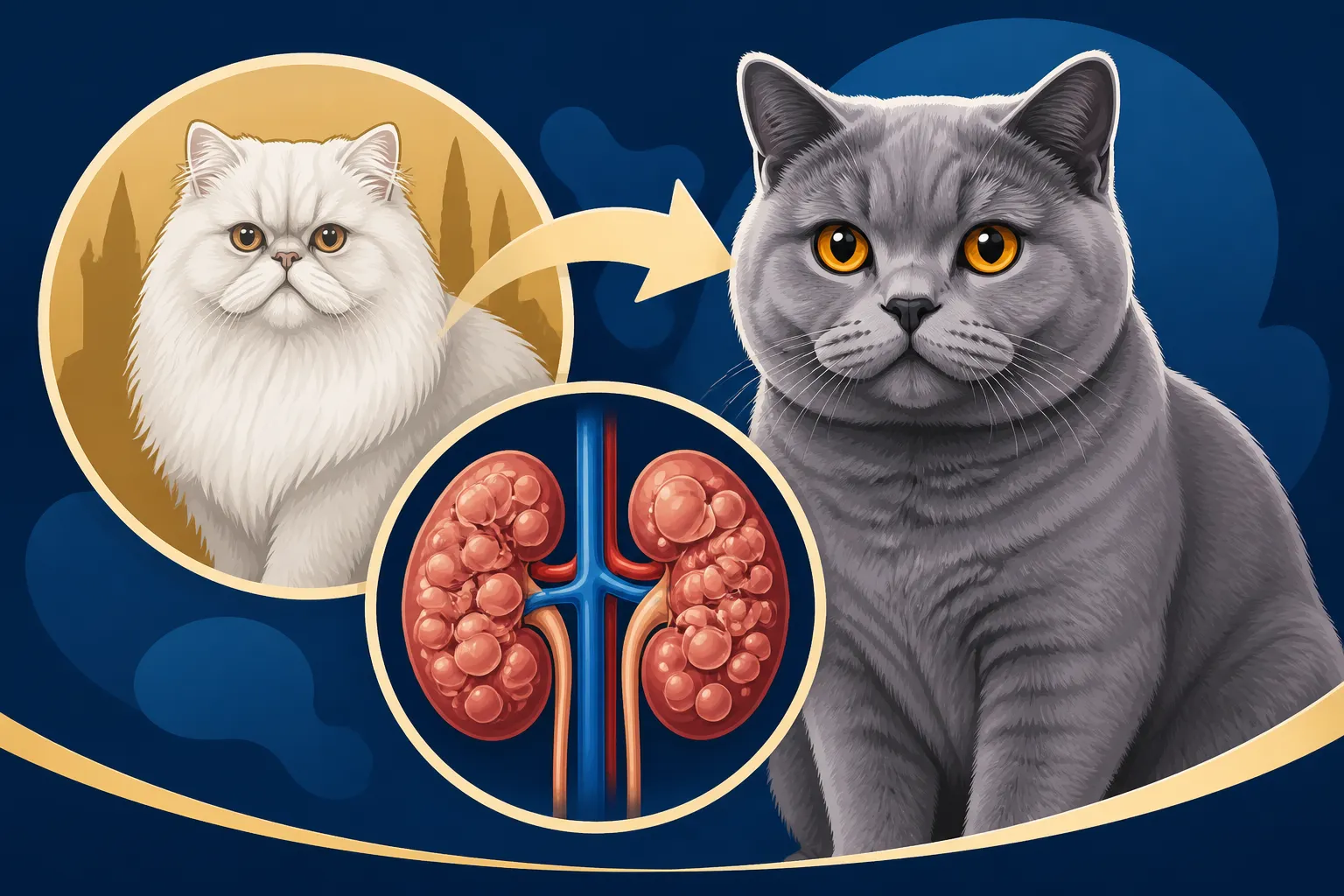
One of the primary outcrosses used was the Persian cat. The Persian was chosen for its robust build, dense coat, and calm temperament, all qualities breeders hoped to enhance or restore in the British Shorthair. While these outcrosses were successful in rebuilding the breed and bringing it back from the brink, they inadvertently introduced a detrimental passenger: the PKD1 gene. It was a trade-off, a consequence of saving the breed that wasn't fully understood until much later. You can learn more about this period in The Persians That Rebuilt the British Shorthair After the War.
Why the PKD1 Gene Mutation Was So Prevalent in Persians
The reason the Persian cat played such a significant role in introducing PKD to the British Shorthair lies in its own genetic history. The PKD1 gene mutation, which causes Polycystic Kidney Disease, was incredibly prevalent within the Persian breed. For many years, before the advent of genetic testing, breeders were unaware of its widespread presence. Cats carrying the gene often showed no symptoms until they were much older, by which point they might have already produced several litters, unknowingly passing the gene to their offspring.
Estimates from the early 2000s suggested that as many as 37% to 50% of Persians worldwide were affected by PKD. This alarmingly high prevalence meant that when British Shorthair breeders introduced Persian lines to reinvigorate their own breed, they were almost certainly bringing in the PKD1 gene along with the desired physical traits. It was a genetic lottery, and unfortunately, the odds were not in the British Shorthair's favor, leading to a significant presence of PKD within the breed that persists to this day, although much reduced thanks to dedicated screening efforts.
Recognizing the Signs and Symptoms of Kidney Issues
One of the biggest frustrations with PKD, and kidney disease in general, is how subtly it can begin. Our stoic British Shorthairs are masters at hiding discomfort, which means by the time you notice something is truly wrong, the disease is often quite advanced.
Subtle Early Indicators of Kidney Disease
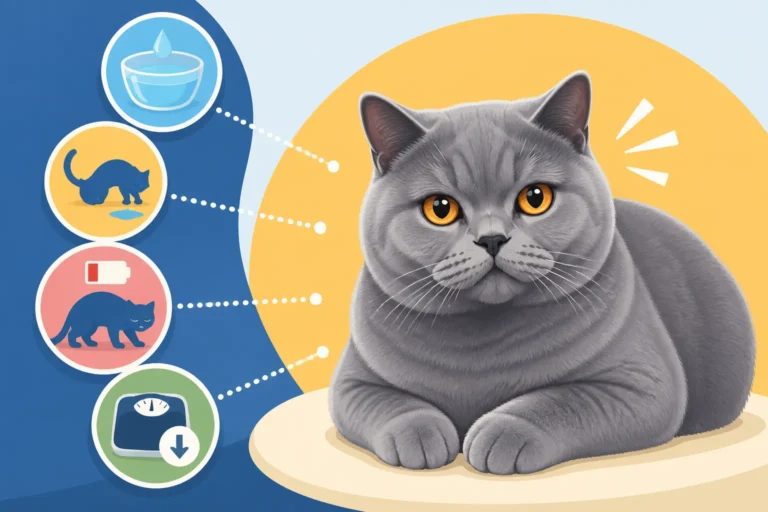
When PKD is in its early stages, the cysts are small, and the kidneys can still compensate for the gradual loss of function. This means that any signs you might notice are often non-specific and easily attributed to other minor ailments or simply "getting older." This is where it becomes really tricky for owners. You might start seeing your cat drinking a bit more water than usual. They might be visiting the litter box more frequently, producing larger volumes of urine. It’s not necessarily a dramatic change, which makes it easy to dismiss.
Perhaps your once-plush British Shorthair starts to look a little less vibrant. Their coat might lose some of its sheen, becoming duller or a bit unkempt, especially if they're not grooming as meticulously. They might also begin to lose a little weight, even if their appetite seems normal, which can be difficult to spot given their naturally cobby build. These are the kinds of subtle shifts that can be overlooked, but they're important clues that something might be amiss with kidney function, and prompt a conversation with your vet.
Advanced Signs of Polycystic Kidney Disease
As PKD progresses and more kidney tissue is destroyed, the kidneys struggle significantly to filter toxins from the blood. This leads to a buildup of waste products, resulting in more pronounced and alarming symptoms. At this stage, your British Shorthair will likely show clear signs of being unwell, and the urgency for veterinary intervention becomes critical.
You might notice increased lethargy; your cat might spend more time sleeping, be less interested in play, and generally seem withdrawn. Nausea and vomiting are common as toxins build up, leading to a significant loss of appetite and further weight loss. They might also develop an unpleasant odor to their breath, often described as ammonia-like, due to the waste products. Weakness, dehydration, and even mouth ulcers can occur. In the very late stages, the cat might become severely debilitated, experiencing muscle tremors, seizures, or even falling into a coma. These are truly heartbreaking signs to witness, emphasizing why early detection through proper screening is so vital. For more detailed information, check out Signs a British Shorthair's Kidneys Are Failing.
The Crucial Role of PKD Testing in British Shorthairs
Given the insidious nature of PKD and its genetic roots, proactive testing is not just a recommendation; it's an absolute necessity for the health and longevity of the British Shorthair breed. There are two primary methods used, each with its own advantages.
The PKD1 DNA Test: How It Works
The most definitive and reliable way to diagnose PKD in British Shorthairs, and to identify carriers, is through a genetic DNA test specifically for the PKD1 mutation. This test is incredibly straightforward and non-invasive. Typically, it involves collecting a buccal swab – essentially, a small brush rubbed gently inside your cat's cheek to collect cells. This sample is then sent to a specialized veterinary genetic laboratory.
What makes the DNA test so powerful is its ability to identify a cat's genetic status regardless of age. It will tell you if your British Shorthair is "negative" (clear, meaning they don't carry the gene and won't develop PKD), "positive/affected" (meaning they carry one copy of the gene and will develop PKD), or in rare cases, "positive/homozygous affected" (meaning they carry two copies, which usually leads to more severe, earlier onset disease). This means that even a kitten can be tested, allowing breeders to make informed decisions long before any cysts would be visible via ultrasound. This invaluable tool has allowed responsible breeders to systematically remove affected cats from breeding programs, dramatically reducing the incidence of PKD in newer generations. If you're wondering, Whether the PKD1 DNA Test Covers British Shorthairs is an excellent resource.
Ultrasound Screening for Polycystic Kidneys
While the DNA test is the gold standard for genetic identification, ultrasound screening remains an important diagnostic tool, especially for cats whose genetic history isn't known, or to monitor the progression of cysts. An ultrasound involves using sound waves to create an image of the kidneys, allowing a veterinarian to visualize any cysts present. For British Shorthairs, an abdominal ultrasound can reveal the presence, size, and number of renal cysts.
The effectiveness of an ultrasound highly depends on the skill and experience of the sonographer. Very small cysts can be missed, particularly in younger cats, which means a "clear" ultrasound in a young cat doesn't definitively rule out PKD unless it's accompanied by a negative DNA test. Cysts typically become visible on ultrasound by the time a cat is around one to two years old, although some can be detected earlier. If cysts are found, the ultrasound also helps the vet assess the overall architecture of the kidney and the extent of the disease, which is crucial for managing the condition. For owners of cats with unknown parentage, like a rescue British Shorthair, an ultrasound is often the first line of investigation. You might want to read more about Whether a British Shorthair Needs a Kidney Ultrasound.
Why Every British Shorthair Should Be PKD Tested
It cannot be overstated: every British Shorthair, particularly if destined for breeding, must be tested for PKD. For breeders, this is an ethical imperative. Breeding a cat that tests positive for the PKD1 gene mutation means knowingly perpetuating a painful, life-limiting disease in future generations. By testing all breeding stock, breeders can ensure that they are only producing PKD-free kittens, thus slowly but surely eradicating the disease from the breed. Responsible breeders will always provide clear, verifiable health certificates for their cats, including PKD test results. You can find more details on this in What a British Shorthair Breeder Should Have Tested.
For pet owners, even if your British Shorthair isn't intended for breeding, knowing their PKD status is incredibly valuable. If your cat tests positive, you can work proactively with your veterinarian to monitor kidney health, implement supportive care early, and potentially slow the progression of the disease. While it might be difficult news to receive, it empowers you to give your beloved companion the best possible quality of life, adjusting their diet, hydration, and overall care to support their kidney function for as long as possible. Many owners find peace of mind knowing they've done everything they can.
Here's a quick comparison of the two primary PKD testing methods:
| Feature | DNA Test (PKD1 Gene) | Ultrasound Exam |
|---|---|---|
| Method | Buccal swab (cheek swab) or blood sample | Non-invasive imaging using sound waves |
| What it detects | Presence/absence of the PKD1 gene mutation | Visible fluid-filled cysts in the kidneys |
| Definitiveness | Definitive genetic diagnosis (clear or affected) | Visual confirmation of cysts; can miss very small/early cysts |
| Age for Testing | Any age, even as a kitten | Typically effective from 1-2 years old; can be ambiguous earlier |
| Breeding Use | Essential for screening breeding stock to prevent spread | Useful for confirming presence of cysts in known affected cats |
| Cost | Generally lower for a single test | Can be more expensive, especially if performed by a specialist |
| Information Provided | Genetic status for life | Current physical state of kidneys, cyst size, and number |
Managing a British Shorthair Diagnosed With PKD
Receiving a PKD diagnosis for your British Shorthair can be heartbreaking, but it's not the end of the world. With proper management and a dedicated care plan, many cats with PKD can still enjoy a good quality of life for a significant period. The key is to support their kidney function and manage symptoms.
Dietary Management and Hydration
One of the cornerstones of managing kidney disease in cats, including PKD, is dietary modification. The goal is to reduce the workload on the kidneys while ensuring adequate nutrition. This typically involves feeding a prescription kidney-supportive diet. These specialized foods are formulated with controlled levels of protein (not excessively low, but highly digestible to reduce nitrogenous waste), restricted phosphorus (to prevent mineral imbalances), and often reduced sodium. Brands like Royal Canin, Hill's Prescription Diet, and Purina Pro Plan Veterinary Diets offer excellent options. It's truly amazing how much a proper diet can help.
Hydration is equally crucial. Cats with kidney disease tend to become dehydrated more easily because their kidneys struggle to concentrate urine, leading to increased water loss. Encouraging your British Shorthair to drink more water is vital. This can involve providing multiple water bowls in different locations, offering filtered water, using a pet water fountain, and transitioning them to an all-wet food diet if they aren't already on one. Wet food significantly boosts their daily water intake, which is a simple but powerful way to support kidney function. Even adding a little extra water to their wet food can make a difference.
Medications and Supportive Care
Beyond diet, your veterinarian will likely prescribe various medications and therapies to manage the symptoms and slow the progression of PKD. These can include medications to control high blood pressure, which is a common complication of kidney disease and can further damage the kidneys. Phosphate binders might be given with meals if phosphorus levels are elevated, helping to prevent mineral imbalances that can lead to other health issues.
Anti-nausea medications and appetite stimulants are often necessary to help your cat feel better and maintain their weight, as loss of appetite is a frequent problem. Subcutaneous fluids (fluids administered under the skin at home) can also be a game-changer for maintaining hydration, especially as the disease advances. This might sound daunting at first, but many owners quickly become proficient at giving these fluids, and the benefits to their cat's comfort and energy levels are immense. It's all about tailoring a comprehensive plan to your cat's specific needs and stage of disease. For more on this, check out How a British Shorthair With Kidney Disease Is Managed.
Quality of Life Considerations for Affected Cats
Ultimately, managing a British Shorthair with PKD is about maintaining their quality of life. This involves regular veterinary check-ups to monitor kidney values (blood work and urine tests), adjust medications, and assess overall well-being. Keeping a close eye on your cat's appetite, water intake, urination habits, and energy levels at home is crucial, as you are the first line of defense in noticing changes.
Creating a comfortable, stress-free environment is also very important. Ensure easy access to food, water, and litter boxes. If they're struggling with mobility due to weakness, ramps to their favorite resting spots can be helpful. While it's a chronic condition, the progression can be managed for quite some time, and ensuring your cat remains happy and comfortable is the primary goal. There will come a time when difficult decisions about end-of-life care need to be made, but focusing on their comfort and joy each day is paramount until then. Pet insurance providers like Healthy Paws can also offer support in managing the ongoing costs of chronic conditions like PKD, which can add up over time.
Breeding Considerations and Eradicating PKD
The long-term goal for responsible British Shorthair breeders is the complete eradication of PKD from the breed. This requires a steadfast commitment to ethical practices and transparent communication.
Ethical Breeding Practices for PKD
For any British Shorthair breeder, the ethical imperative regarding PKD is crystal clear: never breed a cat that tests positive for the PKD1 gene mutation or shows any evidence of renal cysts on ultrasound. This is not a gray area; it is a fundamental responsibility. A single positive cat, if bred, can pass the gene to 50% of its offspring, continuing the cycle of disease. This is why thorough testing of all breeding stock – both males and females – is non-negotiable before any mating occurs.
Responsible breeders take pride in showing potential kitten buyers the health certificates for both parent cats, including their negative PKD DNA test results. They understand that transparency builds trust and that their commitment to health ensures the well-being of the breed for generations to come. Breeders who do not test for PKD, or who breed affected cats, contribute to the perpetuation of this preventable disease. If you're considering a British Shorthair kitten, always ask to see the parents' PKD test results. For more information, please see Whether a PKD Positive British Shorthair Should Be Bred.
Progress in Reducing PKD Incidence
The good news is that thanks to the widespread availability and adoption of the PKD1 DNA test, significant progress has been made in reducing the incidence of Polycystic Kidney Disease within the British Shorthair breed. When the DNA test became available, it allowed breeders to definitively identify affected cats and remove them from breeding programs without having to wait for ultrasound results or, worse, for clinical signs to appear.
Many British Shorthair lines now boast generations of PKD-negative cats. While the disease hasn't been completely eliminated, its prevalence has dramatically decreased in reputable catteries globally. This is a testament to the dedication of ethical breeders and the power of genetic testing. This ongoing effort is crucial to ensure that the beautiful, placid British Shorthair continues to thrive as a healthy and beloved companion for many years to come, free from the silent threat of PKD. You can learn more about how far we've come in How Much PKD Is Left in the British Shorthair.
Disclaimer
This article is intended for informational purposes only and does not constitute veterinary advice. Always consult with a qualified veterinarian for any health concerns or before making any decisions about your pet's medical care.