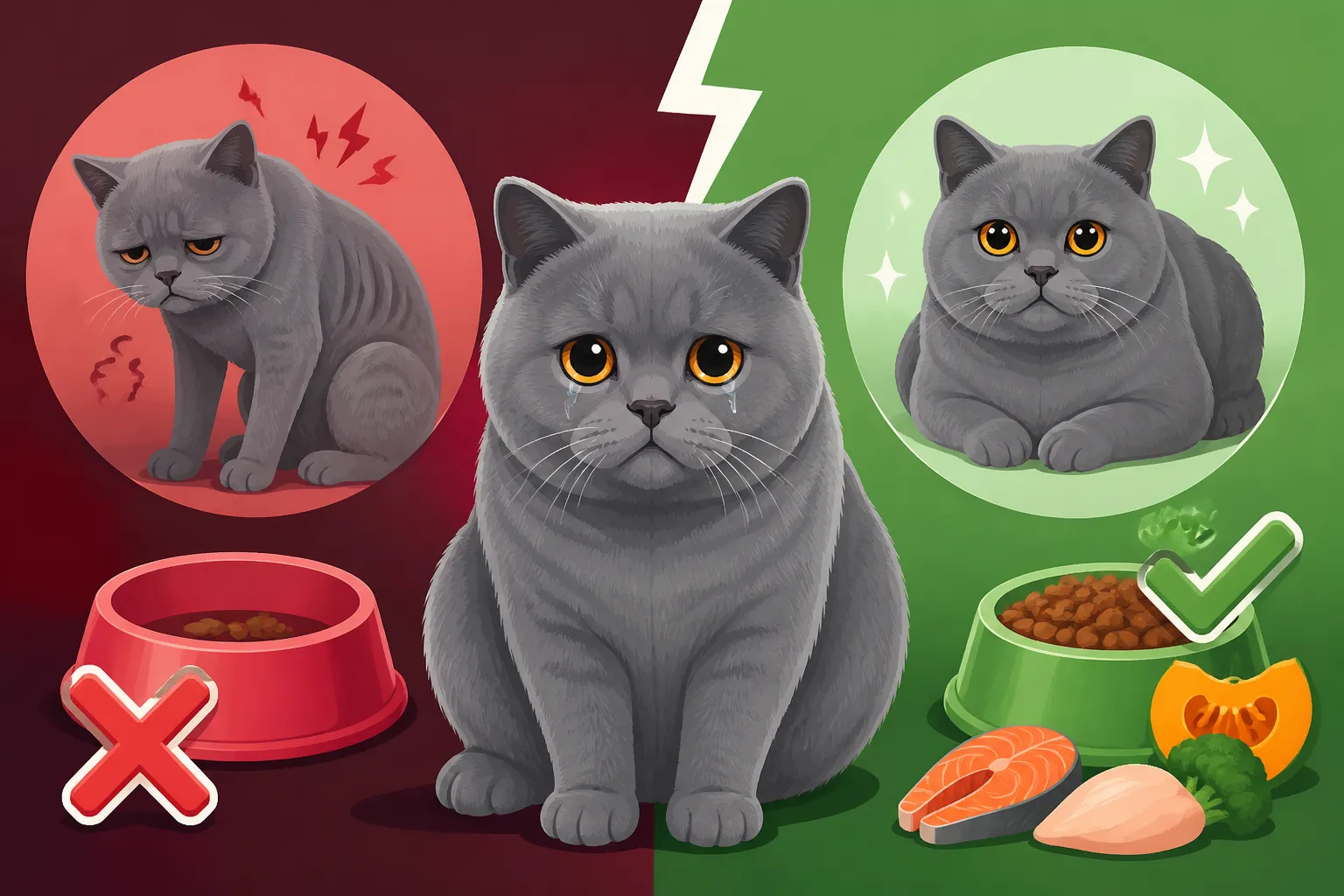
Why Crash Dieting Harms a British Shorthair
It's incredibly frustrating, isn't it, when your beloved British Shorthair starts to pack on the pounds? You see that adorable round face getting a little too round, and their once-agile jumps turning into more of a waddle. In a panic to help them, it's easy to fall into the trap of thinking a quick, drastic diet is the answer. But, believe me, crash dieting for your British Shorthair can actually cause more harm than good, leading to severe health complications that no owner wants to face. This guide will walk you through why rapid weight loss is so dangerous for these stoic felines and how to approach their weight management safely and effectively.
The Lure of the Quick Fix: Why Crash Dieting Seems Appealing But Isn't
We all want the best for our pets, and when we notice them getting heavier, our instinct is often to fix it fast. The idea of quickly shedding those extra ounces seems like a compassionate choice, but for a British Shorthair, it’s a path fraught with danger. Understanding why they gain weight and why speedy solutions are risky is the first step toward a healthier approach.
The British Shorthair's Predisposition to Weight Gain
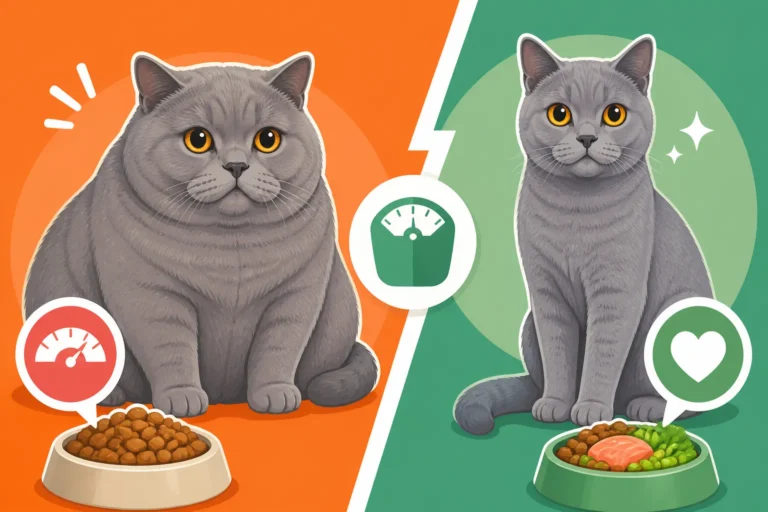
Let's be honest, British Shorthairs are built to be chunky. They have that wonderful, cobby body, thick bones, and dense fur that can easily mask a few extra pounds until it's become quite a bit more. Their famously calm and somewhat sedentary nature means they're not typically tearing around the house like a Bengal kitten. They prefer a dignified recline on the sofa, maybe a slow amble to the food bowl, and then back to the sofa. This combination of a sturdy build and low activity levels means they are incredibly prone to gaining weight. It's not your fault; it's just how many of them are wired. You might have read about Why a British Shorthair Gains Weight So Easily, and it really highlights just how much of an uphill battle it can be for owners.
Moreover, British Shorthairs often possess an enthusiastic appetite. If you've been free-feeding, leaving a bowl of kibble out all day, it’s a recipe for disaster with this breed. They will graze, and then graze some more, often consuming far more calories than their low-energy lifestyle demands. The plush coat they're so famous for can make it genuinely hard to spot the subtle signs of weight gain, meaning by the time you realize your cat is overweight, they might be significantly so. This often leads owners to feel overwhelmed and desperate for a rapid solution.
The Temptation of Rapid Weight Loss
When you finally realize your British Shorthair is carrying too much weight, perhaps after a vet visit or struggling to feel their ribs, the desire to see quick results can be incredibly strong. You envision your cat regaining their youthful spring, feeling better, and living a longer, healthier life. It's a natural human inclination to want to solve problems swiftly. Many owners, without realizing the specific physiological differences in cats compared to dogs or humans, might consider drastic reductions in food or even skipping meals.
The problem is, this "quick fix" mentality can stem from a lack of understanding about how a cat's metabolism works. Unlike dogs, cats are obligate carnivores with a unique metabolic pathway. Their bodies are designed to process frequent, small meals of protein. When they don't get enough calories, especially protein, their bodies react in a way that can be life-threatening. The thought of getting your British Shorthair back to a healthy weight fast is appealing, but the biological reality of feline weight loss means that patience and a carefully managed approach are absolutely critical. Any shortcuts here could put your beloved cat's life at risk.
The Dangerous Side Effects of Crash Dieting
While your intentions might be good, crash dieting for a British Shorthair isn't just ineffective; it's genuinely hazardous. Their unique physiology makes them especially vulnerable to certain severe conditions when their calorie intake drops too sharply or they stop eating altogether.
Hepatic Lipidosis: A Silent Killer
This is the big one, the most critical danger of rapid weight loss in cats, and something every British Shorthair owner needs to understand. Hepatic lipidosis, commonly known as Fatty Liver Syndrome, is a potentially fatal condition that can develop when an overweight cat suddenly stops eating or significantly reduces its food intake. Here's how it tragically unfolds:
When your British Shorthair, particularly an overweight one, doesn't get enough calories, their body starts to mobilize fat stores for energy. This sounds logical, right? Use the fat to lose weight. However, a cat's liver isn't equipped to handle such a massive influx of fat all at once. The fat accumulates in the liver cells, overwhelming their ability to function properly. Think of it like a factory suddenly being flooded with raw materials it can't process, grinding production to a halt. The liver, a vital organ responsible for countless metabolic functions, begins to fail.
The scary part about hepatic lipidosis is that the signs can be subtle at first, often appearing as general lethargy or decreased appetite, which might be mistaken for just part of the dieting process. However, as the condition progresses, you'll see more severe symptoms like jaundice (yellowing of the skin, eyes, or gums), vomiting, diarrhea, and profound weakness. Without aggressive veterinary intervention, including hospitalization and often force-feeding through a feeding tube, the prognosis is grim. British Shorthairs are particularly susceptible due to their tendency towards obesity, making What Obesity Does to a British Shorthair's Liver a very real concern. It's a devastating condition that underscores why a "slow and steady wins the race" approach is not just advisable, but absolutely essential.
Nutritional Deficiencies and Muscle Loss
Beyond the immediate threat of hepatic lipidosis, crash dieting starves your British Shorthair of essential nutrients. When you drastically cut calories, especially if you're not carefully monitoring the composition of the food, your cat can become deficient in vital vitamins, minerals, and amino acids. Cats require specific nutrients that are crucial for everything from immune function to organ health. For instance, Taurine is an amino acid cats cannot synthesize themselves, and a deficiency can lead to heart problems and blindness.
Furthermore, rapid weight loss often means that your cat isn't just losing fat; they're losing precious muscle mass. Muscle is metabolically active tissue, meaning it burns calories even at rest. When your British Shorthair loses muscle, their metabolism actually slows down, making future weight management even harder. Instead of becoming a lean, healthier version of themselves, they become a smaller, weaker version with a compromised body composition. This isn't just about appearance; it impacts their strength, mobility, and overall resilience. A British Shorthair already isn't the most active cat, so preserving muscle mass is key to their long-term well-being and preventing conditions like Arthritis in an Older British Shorthair if they're forced to carry excessive weight.
Behavioral and Stress-Related Issues
Imagine going from eating a comfortable amount of food to suddenly having your portions slashed to a pittance, or even skipped meals. Your British Shorthair, with their ingrained desire for routine and comfort, would find this incredibly stressful. Cats thrive on predictability, especially when it comes to their food. Sudden, drastic changes can trigger a range of negative behavioral responses.
You might notice increased vocalization, constant begging, or even attempts to steal food from counters or other pets. Some cats may become anxious, leading to destructive behaviors or even inappropriate urination outside the litter box as a way to express their distress. Aggression towards household members or other pets, especially around food bowls, can also emerge. These behavioral issues not only make the dieting process miserable for everyone involved but can also damage the bond you share with your British Shorthair. It reinforces the idea that true weight management is a holistic approach, considering not just the physical, but also the emotional and mental well-being of your furry companion.
The Right Way to Approach British Shorthair Weight Loss
Okay, so crash dieting is out. But that doesn't mean you should give up on helping your British Shorthair reach a healthy weight! In fact, it's more important than ever to commit to a responsible, veterinarian-guided plan. It might take a little longer, but it's infinitely safer and more effective in the long run.
Veterinary Consultation is Non-Negotiable
Seriously, this is the first and most crucial step. You absolutely must schedule an appointment with your veterinarian before embarking on any weight loss journey for your British Shorthair. Your vet isn't just there to judge; they're there to help. They can perform a thorough examination to rule out any underlying medical conditions that might be contributing to weight gain, such as hypothyroidism (rare in cats but possible) or other metabolic issues. They'll also assess your cat's overall health, including heart function and kidney health, which are crucial considerations for any dietary changes.
Your vet will also help you determine your British Shorthair's ideal weight and, most importantly, create a safe, individualized weight loss plan. This often involves calculating the precise number of calories your cat needs to lose weight gradually without risking their health. They'll also perform a body condition score, which is a much more accurate way to assess obesity than just stepping on a scale. You can also discuss When a Vet Puts a British Shorthair on a Prescription Diet as this can be a very effective tool for safe weight loss. Don't skip this step – it's the foundation of a healthy and successful weight loss program.
Gradual Calorie Reduction and Appropriate Food
Once you have your vet's guidance, the key is gradual, sustained calorie reduction. We're talking about a slow and steady pace, typically aiming for 1-2% of your cat's body weight loss per week. This might not sound like much, but it's the safe and sustainable rate that prevents the liver from becoming overwhelmed. For example, if your British Shorthair weighs 15 pounds, you'd aim for a loss of about 0.15 to 0.3 pounds per week. This might mean the entire process takes several months, perhaps even How Many Weeks a British Shorthair Diet Should Take depending on their starting weight.
When it comes to food, your vet might recommend a prescription weight management diet. These foods are specifically formulated to be lower in calories but still provide all the essential nutrients your cat needs, often with higher protein levels to support muscle mass and satiety. They also tend to have a higher fiber content to help your cat feel full. If a prescription diet isn't necessary, your vet can help you choose an appropriate over-the-counter high-protein, moderate-fat, and controlled-carbohydrate food. Brands like Royal Canin, Hill's, and Purina Pro Plan all offer excellent weight management options that you can often find at retailers like Chewy or Amazon. Feeding measured amounts of wet food can also be beneficial as it adds moisture and can help your cat feel fuller on fewer calories.
Encouraging Gentle Activity
Let's be realistic: your British Shorthair isn't suddenly going to become an Olympic sprinter. Their calm disposition means you'll need to get creative with encouraging activity. The goal isn't intense cardio, but rather consistent, gentle movement to burn a few extra calories and maintain muscle tone.
Interactive play sessions are your best friend. Think wand toys with feathers or soft toys on strings that mimic prey. Engage them for 5-10 minutes, a couple of times a day. Don't expect them to play for an hour straight; short bursts are more effective for this breed. Puzzle feeders are another fantastic tool for a British Shorthair, as they make your cat "work" for their food, slowing down mealtime and engaging their minds. You can find many options on sites like Amazon. Even something as simple as scattering a portion of their kibble around the house (if they're able to move safely) can encourage them to walk and sniff more. Remember, consistency is more important than intensity. Even a few extra steps a day add up over time. If you're struggling, check out How to Get a British Shorthair to Move for more ideas tailored to their laid-back nature.
Long-Term Management and Prevention
Reaching a healthy weight is a fantastic achievement, but maintaining it is where the real work begins. For a British Shorthair, who will happily eat whatever you put down, ongoing vigilance and a structured approach are key to preventing a relapse into obesity.
Consistent Portion Control and Feeding Routines
This is the bedrock of weight management for any British Shorthair. Free-feeding must become a thing of the past. Instead, switch to scheduled meals, typically two or three small meals a day, with precisely measured portions. Invest in a good quality digital pet scale to weigh out their food accurately – scoops can be surprisingly inconsistent. You can find affordable options on Chewy or Amazon. This ensures your British Shorthair is getting exactly the calorie intake prescribed by your vet, rather than approximations.
It's also crucial to manage treats. While it's lovely to give them a little something extra, those calories add up fast. Opt for low-calorie, healthy treats, and make sure they are accounted for in their daily caloric allowance. Better yet, use a portion of their regular kibble as "treats" for positive reinforcement or playtime. Establishing a consistent feeding routine also helps manage their expectations and reduces begging behavior. They learn when to expect food, which can alleviate stress and make them less frantic about meals. This disciplined approach is truly the answer to Why Free Feeding Ruins a British Shorthair.
Regular Monitoring and Adjustments
Weight management isn't a one-and-done deal; it's an ongoing process that requires regular monitoring and periodic adjustments. You should weigh your British Shorthair regularly at home, ideally once a week or every other week, using the same scale and at the same time of day. This helps you track their progress and quickly identify any plateaus or unexpected gains. If you're not sure how, there are great guides like How to Weigh a British Shorthair at Home.
Keep a log of their weight and discuss it with your vet during routine check-ups. As your British Shorthair loses weight, their caloric needs will change, so your vet might need to adjust their food portions to ensure they continue to lose safely or maintain their new healthy weight. These regular veterinary visits are also an opportunity to assess their overall health, review their body condition score, and address any new concerns. Remember, the goal is not just weight loss, but a healthy, active, and happy British Shorthair for years to come.
Disclaimer
This article is for general informational purposes only and does not constitute professional advice. Laws, prices and regulations vary by location and change over time. Consult a qualified professional for guidance on your specific situation.