How Fast a British Shorthair Should Lose Weight
It’s a common frustration for many British Shorthair owners: you adore their cuddly, round appearance, but sometimes that plushness can sneakily cross the line into actual obesity. Figuring out how to safely and effectively help your beloved chunky cat shed those extra pounds without risking their health can feel like navigating a minefield. This guide will walk you through the proper, vet-recommended pace for weight loss in a British Shorthair, ensuring you approach this important task with knowledge and care.
Understanding Healthy Weight Loss for Your British Shorthair
Many of us, when faced with an overweight pet, might instinctively think that the faster the weight comes off, the better. We see our own diets and assume the same principles apply. However, with felines, especially a breed like the British Shorthair who can be prone to weight gain, rapid weight loss is not just ineffective; it can be incredibly dangerous. Cats are unique in their metabolism, and understanding this is the first step toward a successful and safe weight loss journey for your furry friend.
Why Gradual Weight Loss Is Crucial for Cats
The biggest, most critical reason why rapid weight loss is a no-go for cats is a condition called hepatic lipidosis, commonly known as fatty liver disease. When a cat doesn't eat enough, or loses weight too quickly, their body starts breaking down fat stores to produce energy. If this happens too rapidly, the liver can become overwhelmed and unable to process all the fat, leading to a build-up in liver cells. This can quickly become a life-threatening condition, even if the cat wasn't severely overweight to begin with.
British Shorthairs, with their generally calmer temperament and predisposition to obesity, are unfortunately at a higher risk if their weight loss isn't carefully managed. They aren't typically the most active cats, preferring a cozy nap spot over an intense play session, which means their metabolic rate might already be on the lower side. Starving a British Shorthair into losing weight is not a solution; it's a direct path to a serious medical emergency. The goal is consistent, gentle reduction, not a crash diet.
What a Healthy Weight Loss Rate Looks Like
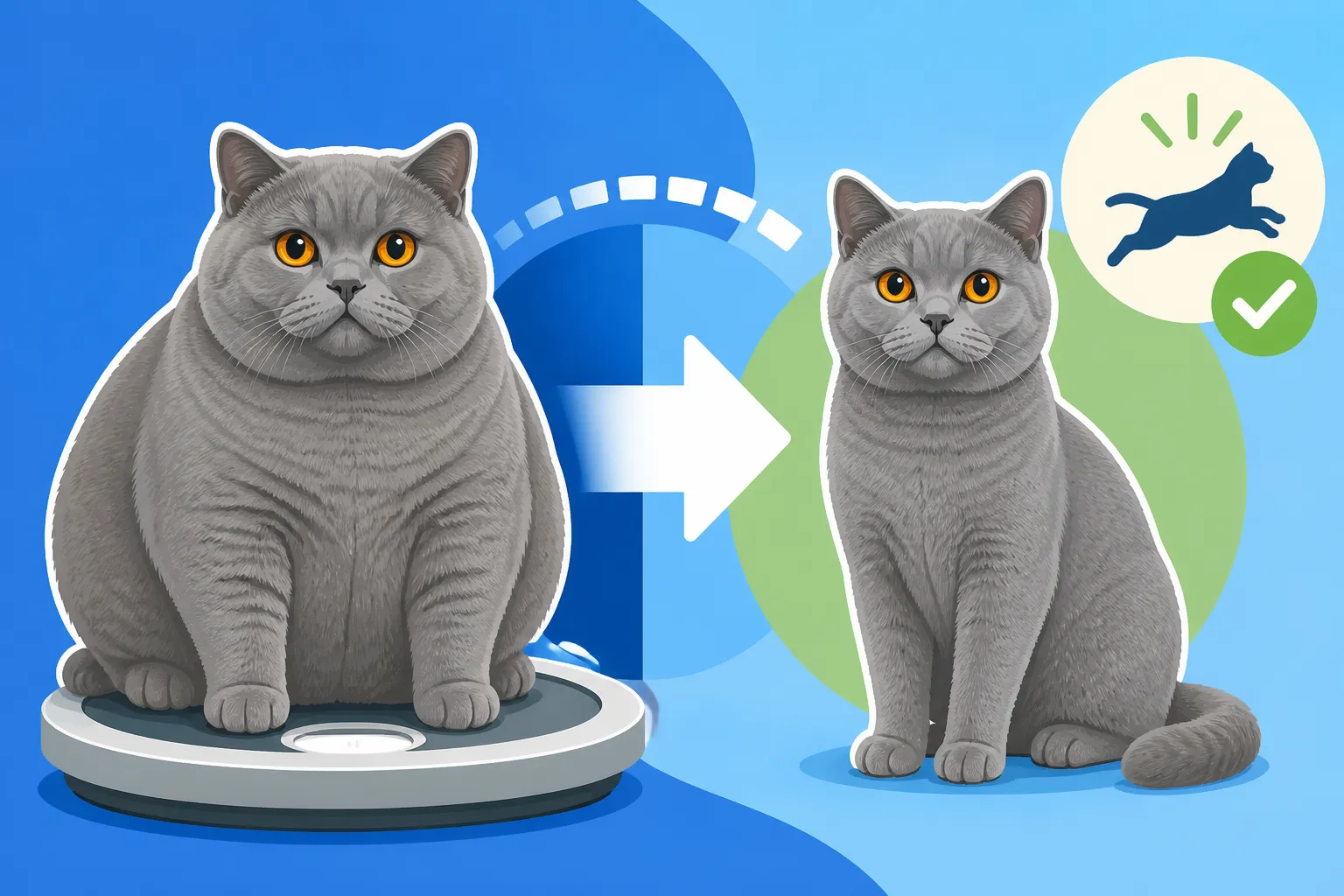
For cats, a safe and sustainable rate of weight loss is generally considered to be about 0.5% to 2% of their body weight per week. This might not sound like much, especially if your British Shorthair has a significant amount to lose, but slow and steady truly wins the race when it comes to feline health.
Let's put that into perspective. If your British Shorthair currently weighs a hefty 15 pounds (about 6.8 kg), losing 0.5% to 2% means aiming for a reduction of approximately 1.2 ounces to 4.8 ounces (about 35 to 135 grams) per week. That's less than half a pound a week! While it seems small, this slow approach allows their body to adjust without triggering dangerous metabolic responses. Your veterinarian will be your best partner in determining the precise, safe rate for your individual cat, taking into account their overall health, age, and existing conditions. This is a marathon, not a sprint, and patience is absolutely essential.
How to Assess Your British Shorthair's Current Condition
Before you even think about numbers on a scale, you need to get a realistic picture of your British Shorthair's current physical state. Their dense, plush coat can be incredibly deceptive, hiding a multitude of sins beneath its luxurious softness. You might think your cat is just "big-boned" or "cobby," which is part of their breed standard, but often, that's just a euphemism for overweight.
The best way to assess their condition is through a combination of visual cues and gentle palpation, or feeling their body. You should be able to feel your British Shorthair's ribs when you run your hands along their sides without pressing hard. They should also have a noticeable waist when viewed from above, and their belly shouldn't sag excessively. If you're struggling to feel ribs, or if your cat looks more like a furry loaf than a cat with a defined shape, it’s a strong indicator that weight loss is needed. Our post Signs a British Shorthair Is Overweight goes into more detail on what to look for, and How to Tell a Chunky British Shorthair From a Fat One can help you differentiate between healthy breed characteristics and excess fat.
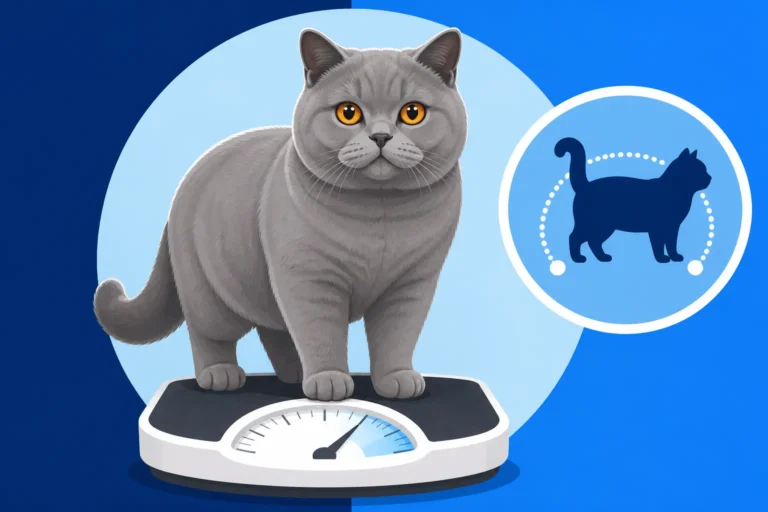
Consulting your vet is paramount here. They can perform a thorough physical exam, weigh your cat accurately, and provide a body condition score (BCS). This score is a standardized way to assess a cat's fat reserves, usually on a 9-point scale, and it's far more informative than just a number on the scale. They can help you understand What a Healthy British Shorthair Weighs on the Scale and what your cat's individual ideal weight should be.
Setting Realistic Goals and Timelines
Once you have a clear understanding of your British Shorthair's current weight and body condition, it's time to set achievable goals. This isn't about arbitrary numbers; it's about crafting a plan that respects your cat's physiology and your lifestyle.
Calculating Your British Shorthair's Ideal Weight
Your veterinarian is the absolute authority when it comes to calculating your British Shorthair's ideal weight. They'll use their body condition score, breed standards, and their clinical experience to determine a healthy target. For instance, a typical adult male British Shorthair might ideally weigh anywhere from 10 to 18 pounds, while females usually fall between 7 to 12 pounds, but these are just averages. A cat with a BCS of 7/9 might need to lose 10-15% of its current weight, while a cat with a BCS of 9/9 could need to lose 30-40%.
It's tempting to think back to your cat's younger, leaner days, but sometimes, an ideal weight from years ago might not be appropriate now, especially if they have underlying health conditions or are an older cat. Focus on the vet's recommendation for their current health and age. This ideal weight will serve as your ultimate goal, which you'll work towards gradually.
Establishing a Caloric Deficit
Weight loss boils down to one fundamental principle: consuming fewer calories than burned. However, calculating the precise caloric needs for a British Shorthair on a diet isn't a simple math problem you should tackle on your own. It requires careful consideration of their current weight, target weight, age, activity level, and any existing medical conditions.
Your vet will help you determine a safe caloric intake that creates a deficit large enough for steady weight loss, but not so drastic as to risk hepatic lipidosis. They'll likely recommend a specific prescription weight-loss diet, or guide you on how to adjust portions of your current food. Often, they aim for about 70-80% of the calories needed to maintain their ideal weight, not their current overweight state. For example, a cat that needs 200 calories to maintain its ideal weight might be put on a 140-160 calorie diet. Our article How Many Calories a British Shorthair Needs can give you a general idea, but always defer to your vet's specific instructions.
Remember, every calorie counts. Those tiny treats, bits of table food, or extra scoops of kibble add up incredibly quickly and can completely derail a meticulously planned diet.
The Role of Your Veterinarian in Setting Targets
Seriously, do not embark on a feline weight loss journey without your vet's guidance. They are your essential partner in this. Here’s why:
- Accurate Diagnosis: Your vet can rule out any underlying medical conditions that might be contributing to weight gain or making weight loss difficult, such as hypothyroidism (though less common in cats than dogs) or other metabolic issues.
- Safe Goal Setting: As discussed, they will help determine a safe and realistic ideal weight and weekly loss rate.
- Dietary Recommendations: They can recommend appropriate foods, often prescription weight-loss diets, which are specially formulated to be lower in calories but still provide essential nutrients and help your cat feel full. Brands like Royal Canin and Hill's Science Diet offer excellent prescription options that your vet might recommend, often available through pet supply retailers like Chewy.
- Monitoring and Adjustment: Regular weigh-ins and check-ups with your vet allow them to monitor your cat's progress, adjust the diet as needed, and ensure their overall health remains stable. This is especially important if your British Shorthair is resistant to the changes, or if progress stalls. How Often a British Shorthair Needs a Wellness Exam covers the general importance of these visits.
Think of your vet as the coach who creates the game plan, while you're the dedicated trainer implementing it at home.
Strategies for Effective and Safe Weight Loss
Once your vet has given you the green light and a specific plan, it’s time to put those strategies into action. This involves a two-pronged approach: managing their diet and gently encouraging more activity.
Diet Adjustments: The Cornerstone of Weight Loss
Dietary changes are, without a doubt, the most significant factor in a British Shorthair’s weight loss. Cats simply aren't built to burn off hundreds of extra calories through exercise alone, especially a breed known for its calm demeanor.
Switching to a Weight-Loss Formula
Your vet will likely recommend a therapeutic weight-loss diet. These foods are specifically designed to be lower in calories, higher in fiber to promote satiety, and sometimes higher in protein to help maintain muscle mass during weight loss. It's crucial to transition your cat to a new food slowly over 7-10 days to avoid digestive upset. Start by mixing a small amount of the new food with their old food, gradually increasing the proportion of the new food each day.
Some excellent brands, often available via prescription through your vet or online through approved retailers like Chewy, include Hill's Prescription Diet Metabolic, Royal Canin Satiety Support, and Purina Pro Plan Veterinary Diets OM Overweight Management. These are not just "light" foods; they are scientifically formulated for safe and effective weight reduction.
Precise Portion Control
This is where many owners unintentionally derail their cat’s diet. Free feeding (leaving food out all day) is a big no-no for British Shorthairs on a weight loss plan. They are opportunistic eaters and will often consume more than they need. Our article Why Free Feeding Ruins a British Shorthair explains this in detail.
Measure every single meal accurately. Use a kitchen scale for dry food, as measuring cups can be imprecise. Your vet will tell you the exact amount in grams or ounces. Divide their daily allowance into two or three small meals. This not only helps control intake but can also keep your cat feeling more satisfied throughout the day. If you have multiple cats, you might need to feed the dieting cat separately, perhaps in a different room or using a microchip-activated feeder that only opens for their specific microchip.
Rethinking Treats and Table Scraps
Those little treats we give our cats out of love can be incredibly calorie-dense. A few extra treats a day can easily add up to an entire extra meal's worth of calories. Eliminate or drastically reduce treats during a weight loss program. If you absolutely must give treats, choose low-calorie, specifically formulated options, and factor their caloric content into the cat’s daily allowance. Breaking a single treat into smaller pieces can also help make it feel like they're getting more. And table scraps? Absolutely not. Human food is often too high in fat, salt, and calories, and some common ingredients can even be toxic to cats.
Increasing Activity: Gentle Encouragement
While diet is primary, increasing your British Shorthair’s activity level plays a supportive role. It burns a few extra calories, helps maintain muscle mass, and provides mental stimulation, which is crucial for overall well-being. British Shorthairs aren't known for their Olympic athleticism, so "increasing activity" usually means gentle, consistent engagement rather than intense workouts.
Interactive Play Sessions
Aim for short, frequent play sessions rather than one long, exhausting one. Five to ten minutes, two to three times a day, is often more effective and less intimidating for a sedentary cat.
- Wand Toys: These are fantastic for getting a British Shorthair moving. Mimic prey movements – hiding the toy, making it dart and pounce. Feather wands or toys with dangling objects often capture their attention.
- Laser Pointers: Use with caution! While they can get a cat running, make sure the session ends with your cat "catching" something tangible (like a physical toy or a treat) to prevent frustration.
- Puzzle Feeders: These ingenious devices make your cat work for their kibble, slowing down eating and adding mental and physical activity. You can find many options on sites like Chewy or Amazon.
- Hide-and-Seek: Hide small portions of their measured meal around the house, encouraging them to hunt and explore.
Our article How to Get a British Shorthair to Move offers more ideas on motivating a less-than-enthusiastic cat to play.
Environmental Enrichment
Make your home more engaging.
- Cat Trees and Shelves: Even if your British Shorthair isn't a huge climber, a sturdy, accessible cat tree can encourage some vertical movement. Place it by a window so they can watch the world outside.
- Window Perches: A simple perch allows them to observe birds and squirrels, which can be stimulating.
- Rotate Toys: Keep toys interesting by rotating them every few days.
Remember, the goal isn't to turn your British Shorthair into an acrobat, but to gently increase their daily movement in ways they find enjoyable, or at least tolerable.
Monitoring Progress and Making Adjustments
Weight loss is rarely a linear process. There will be weeks when progress is slower, or even when your cat plateaus. Consistent monitoring is key to success and making necessary adjustments.
Regular Weigh-Ins at Home
Weigh your British Shorthair weekly, ideally on the same day and at the same time, using the same scale. A baby scale or a kitchen scale that can handle larger weights is best for accuracy. You can purchase these easily online from retailers like Amazon. Record the weight diligently. This data helps you and your vet track progress and identify trends. Don't be discouraged by minor fluctuations; focus on the overall trend over several weeks.
Vet Check-Ups
Scheduled vet visits are crucial. Your vet will conduct official weigh-ins, reassess your cat's body condition score, and discuss any challenges you're facing. They can then adjust the caloric intake, recommend different food, or suggest new strategies based on your cat's response. This collaborative approach ensures your cat's health and safety remain the top priority throughout the weight loss journey.
Common Pitfalls and How to Avoid Them
The path to a healthy weight for your British Shorthair isn't always smooth. Being aware of common obstacles can help you navigate them successfully.
Ignoring Slow Progress or Plateaus
It's easy to get frustrated if your cat isn't losing weight as quickly as you hoped, or if they hit a plateau where the scale doesn't budge for a few weeks. This is normal! Cats' metabolisms can be stubborn. The worst thing you can do is get impatient and drastically cut calories further or try to starve them. This is precisely when the risk of hepatic lipidosis skyrockets.
Instead, if progress slows:
- Re-evaluate Portion Accuracy: Are you absolutely sure you're measuring every single meal precisely? Are family members or guests sneaking extra food?
- Increase Activity (Gently): Can you add another short play session, or make existing ones more engaging?
- Consult Your Vet: They might recommend a slight adjustment to the diet, or explore if an underlying medical issue is hindering weight loss. They might also suggest different prescription foods.
Patience is your superpower here. Consistent, slight progress is much better than rapid loss followed by health complications.
Unapproved Diets or Supplements
Resist the urge to try fad diets, raw diets without veterinary guidance, or weight-loss supplements advertised online. These can be dangerously unbalanced for cats, leading to nutritional deficiencies or other health problems. Cats have very specific dietary requirements, especially for amino acids like taurine. A diet not formulated for cats, or one that's too restrictive, can do more harm than good. Stick to the plan developed with your vet, using reputable, veterinary-approved foods.
The Impact of Treats and Over-Rewarding
We love to spoil our cats, but that love can manifest as extra treats that sabotage a diet. It’s hard to say no to those big, round British Shorthair eyes, but it’s essential for their long-term health. If you use treats for training or bonding, switch to very low-calorie options or use a few pieces of their daily kibble allowance.
Consider non-food rewards:
- Affection: A gentle stroke, a good scratch behind the ears.
- Play: A quick session with a wand toy.
- Verbal Praise: A soothing voice and positive attention.
These can be just as rewarding for your cat, without adding unnecessary calories. Remember, How Much Treats Ruin a British Shorthair's Diet is a serious consideration, as even a small amount can significantly impact their caloric intake.
Neglecting Other Health Considerations
An overweight British Shorthair is already at a higher risk for several health issues. Ignoring these during a weight loss journey can compound problems. Obesity significantly increases the risk of conditions like diabetes, arthritis, and urinary tract issues. For example, Whether an Overweight British Shorthair Gets Diabetes is a very real concern, and losing weight can often help manage or even reverse early-stage diabetes.
Ensure your British Shorthair is also receiving regular dental care, as dental pain can affect eating habits. Pay attention to their litter box habits; urinary problems can be exacerbated by obesity. And remember, How Much Obesity Shortens a British Shorthair's Life is a stark reminder of why this effort is so important.
The weight loss journey for your British Shorthair is a commitment, but it's one of the most loving things you can do for them. With a veterinarian-guided plan, consistent effort, and a whole lot of patience, you can help your beautiful cat achieve a healthier weight and enjoy a longer, more comfortable life.
| Aspect | Recommended Rate/Approach | Why It's Important |
|---|---|---|
| Weight Loss Pace | 0.5% – 2% of body weight per week | Prevents dangerous hepatic lipidosis (fatty liver disease) and ensures sustainability. |
| Diet Changes | Gradual transition to prescription diet | Avoids digestive upset; provides balanced nutrition for weight loss. |
| Portion Control | Measured meals (2-3x/day), no free feeding | Creates necessary caloric deficit; manages hunger, prevents overeating. |
| Treats/Scraps | Eliminate or use low-calorie, measured options | Extra calories sabotage diet; human food can be unhealthy or toxic. |
| Activity Increase | Short, frequent interactive play sessions (5-10 min, 2-3x/day) | Burns some calories, maintains muscle, provides mental stimulation. |
| Monitoring | Weekly weigh-ins at home, regular vet check-ups | Tracks progress, allows for timely adjustments, ensures health and safety. |
| Vet Consultation | Essential from start to finish | Professional guidance on ideal weight, caloric intake, and health monitoring. |
Disclaimer
This article is for general informational purposes only and does not constitute professional advice. Laws, prices and regulations vary by location and change over time. Consult a qualified professional for guidance on your specific situation.