How Much Dander Builds Up on a British Shorthair
It’s a common misconception that cat allergies are all about cat hair. Oh, if only it were that simple! Many prospective British Shorthair owners, and even those who've loved these delightful felines for years, often wonder about the true culprit behind sniffles and sneezes. The real issue isn't the hair itself, but rather the microscopic skin flakes—known as dander—that adhere to it, carrying proteins that trigger allergic reactions. This comprehensive guide will peel back the layers of that plush British Shorthair coat to explain exactly what dander is, why it builds up, and most importantly, how you can manage it to keep both your home and your human companions comfortable.
Unpacking the Mystery of Cat Dander: What Is It, Really?
When we talk about cat allergies, the first thing people usually point to is the fur. "Oh, I'm allergic to cat hair!" is a phrase heard so often, it's become ingrained in our understanding. But the truth is, the hair itself is rarely the primary trigger. It's what's on the hair, and what comes from the cat's skin, that causes most of the trouble. Understanding this distinction is the first crucial step in managing allergies and keeping your British Shorthair, and yourself, happy.
Beyond the Fluff: The True Nature of Dander
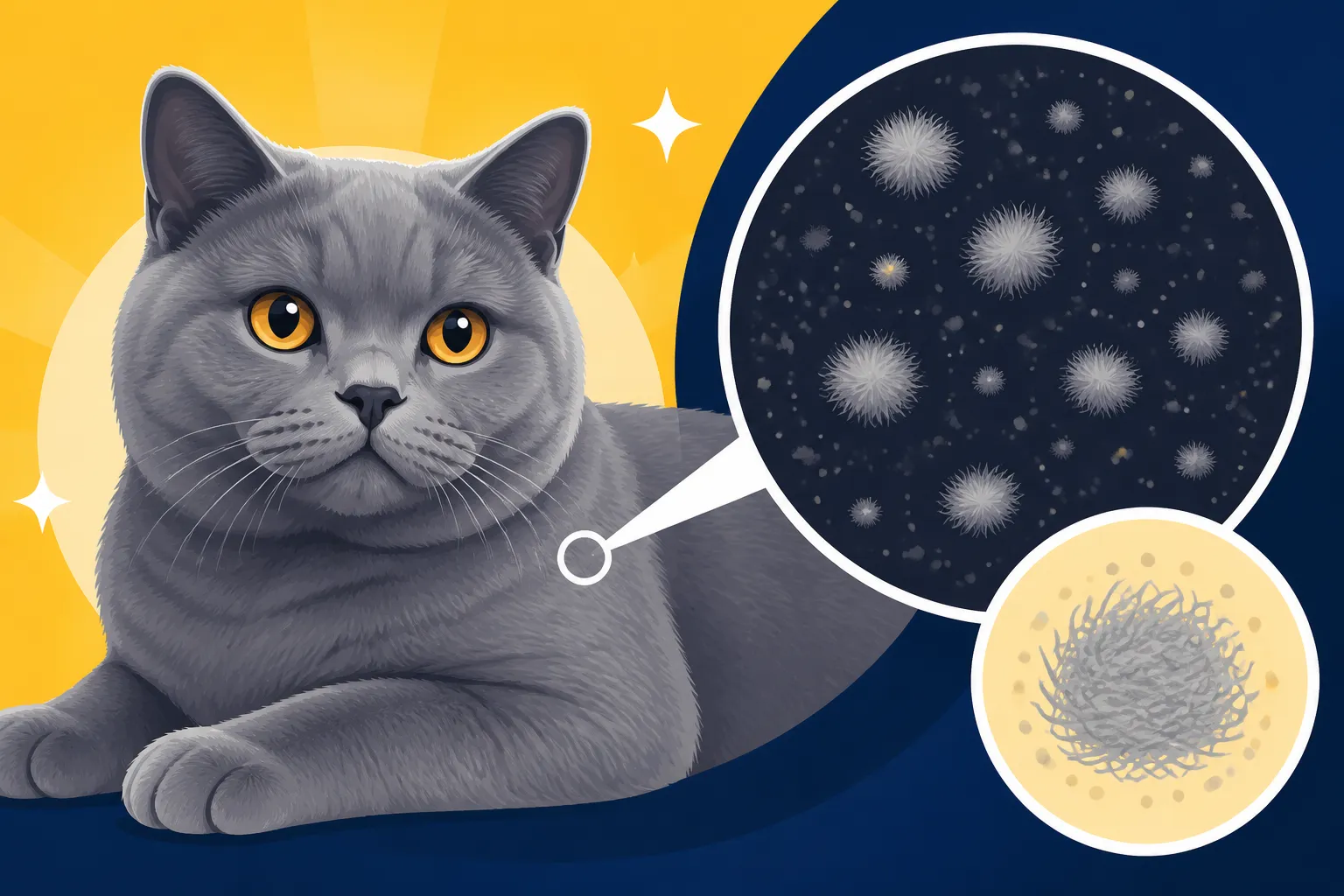
Imagine tiny, almost invisible flakes constantly shedding from your cat's skin. That, in essence, is dander. It’s akin to human dandruff, but on a much smaller scale and, crucially, it carries specific proteins that are powerful allergens. The main culprit is a protein called Fel d 1, which is found in a cat’s skin cells, saliva, and urine. As your British Shorthair moves, grooms, and sheds these skin cells, this protein-laden dander becomes airborne. It then settles on furniture, carpets, clothing, and every surface imaginable, often lingering for months.
This is why even a cat with very short hair, or breeds often touted as "hypoallergenic," can still trigger allergies. There's no such thing as a truly hypoallergenic cat because all cats produce dander. The difference often lies in how much they shed, how oily their skin is, or how much they groom themselves, all of which influence the spread of dander. For a British Shorthair, with its dense, plush coat, the dander can sometimes be trapped close to the skin, but when it sheds, it brings those allergens with it, dispersing them throughout your home.
The Role of Saliva and Urine in Dander's Impact
It's not just the skin flakes directly producing Fel d 1. Your British Shorthair's fastidious grooming habits, while endearing to watch, are also a major contributor to dander distribution. When your cat licks its coat, it's spreading saliva all over its fur. This saliva is rich in the Fel d 1 protein. Once the saliva dries, the protein crystals become part of the microscopic dander particles. As your British Shorthair then sheds those tiny skin flakes and hairs, those allergen-coated particles become airborne and spread easily. Think about it: every time your lovely British Shorthair gives itself a thorough bath, it's inadvertently coating itself in potential allergens that will soon be wafting through your home.
Furthermore, Fel d 1 is also present in cat urine. While less directly airborne than skin flakes or dried saliva on fur, any accidents outside the litter box, or even residual urine particles carried on paws, can contribute to the overall allergen load in your home. This is why a clean environment, extending beyond just vacuuming fur, is paramount for allergy sufferers. It really drives home the point that dander management is a multifaceted approach, touching upon everything from grooming to household cleanliness.
The British Shorthair's Coat and Dander Production
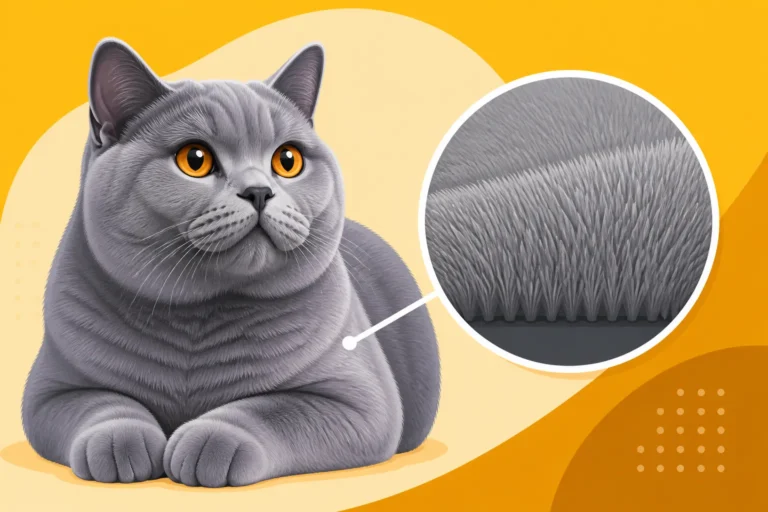
The British Shorthair is renowned for its incredibly dense, plush coat, often described as feeling like a thick carpet or even velvet. This unique coat is one of their most defining features and plays a significant role in how dander accumulates and disperses in your home. It’s not just about the volume of hair, but its structure and how it interacts with the skin.
The "Crisp" Coat: A Dander Trap or Defense?
Unlike many other breeds, a British Shorthair's coat is often referred to as "crisp" due to its dense, springy texture. It stands away from the body, rather than lying flat. You can learn more about this in A British Shorthair's Coat Stands Away From Its Body and Why a British Shorthair's Coat Feels Crisp. This plushness is due to a thick undercoat combined with a slightly coarser guard hair layer. While beautiful, this density can sometimes act as a double-edged sword when it comes to dander.
On one hand, the sheer thickness and volume of the coat mean there's more surface area for skin cells and dried saliva to cling to. The dander can get trapped deep within the layers of fur, potentially preventing some of it from becoming immediately airborne. This might give the illusion that a British Shorthair produces less dander than a cat with a thinner, smoother coat that sheds easily. However, this trapped dander eventually needs to go somewhere. When your cat grooms, plays, or simply moves around, those trapped flakes can be dislodged and released into the air. When you comb them, you’re actively removing this accumulation.
Think of it like a very effective filter. The British Shorthair's coat is designed to be protective, and it certainly holds onto things. This means that while perhaps not as much dander is constantly flying around compared to a cat with a very fine, loose coat, the dander is there, accumulating, waiting for the next shedding cycle or vigorous groom to be released.
Shedding Seasons and Increased Dander
All cats shed, and British Shorthairs are no exception. While they might not shed as profusely year-round as some longer-haired breeds, they do have distinct shedding cycles. You’ll notice an increase in loose fur and, consequently, dander, particularly during seasonal changes, often referred to as "blowing their coat." This typically happens in spring as they shed their dense winter undercoat and sometimes again in autumn. For a deeper dive into this, you might find When a British Shorthair Blows Its Coat helpful.
During these periods, the volume of loose hair can be quite substantial. As your British Shorthair sheds its old fur, each strand carries microscopic skin flakes and dried saliva. This natural process means that despite the coat's density, there will be times when dander levels in your home are noticeably higher. If you're an allergy sufferer, these are the times you'll truly feel the impact. Your sofa might look like it’s growing a new cat, and every stroke of your hand on your British Shorthair will yield a cloud of soft, dander-laden fur. This is also when consistent grooming routines become absolutely critical to minimize environmental allergens. You might want to refer to How Much a British Shorthair Sheds for more details on their shedding patterns.
Factors Influencing British Shorthair Dander Levels
It’s not just the inherent nature of their coat that dictates how much dander accumulates; several other factors play a significant role. From what you feed your British Shorthair to the very air quality in your home, understanding these influences can help you proactively manage dander levels.
Diet and Skin Health: An Inside Job
Just like with humans, a healthy diet for your British Shorthair translates to healthy skin and a healthy coat. When a cat receives proper nutrition, its skin is less likely to be dry, flaky, or irritated, which directly reduces dander production. Conversely, a poor-quality diet, or one lacking essential nutrients, can lead to a dull coat, dry skin, and increased flaking.
Look for high-quality cat foods rich in omega-3 and omega-6 fatty acids. These healthy fats are crucial for maintaining skin elasticity and a glossy coat. Brands that prioritize whole ingredients and specific nutrient profiles can make a real difference. You might explore premium options that focus on fresh, human-grade ingredients to ensure your cat is getting optimal nutrition. A diet packed with quality protein and balanced fats helps keep their skin supple and minimises the shedding of dry, dander-laden flakes. If you're curious about suitable dietary choices, Which Food Suits a British Shorthair offers more guidance.
Consider the scenario of a British Shorthair eating a diet primarily composed of cheap fillers. Their skin might become dry and itchy, leading them to scratch more, which in turn releases more dander. On the other hand, a cat fed a diet rich in fish oils and high-quality protein tends to have a healthier, less flaky skin barrier, thus producing less irritating dander. It truly is an "inside job" when it comes to skin health.
Environmental Factors and Grooming Practices
Your home environment also plays a critical role in dander levels. Dry air, especially during colder months when heating systems are running, can strip moisture from your British Shorthair's skin, just as it does to human skin. This dryness leads to more flaking and, consequently, more dander. Using a humidifier can help maintain optimal moisture levels in the air, benefiting both your cat's skin and your own respiratory system.
Beyond environmental controls, your grooming routine is perhaps the most direct way to manage dander. Regular combing and brushing are absolutely essential for a British Shorthair, particularly because of their dense undercoat. You should be combing your British Shorthair at least a few times a week, and ideally daily during peak shedding seasons. This not only removes loose fur and tangles but also physically extracts dander and dried saliva before it can spread throughout your home. For detailed advice on this, check out How Often a British Shorthair Needs Combing and Which Comb a British Shorthair Needs. A good metal comb with both wide and fine teeth is indispensable for getting through that thick coat without damaging the guard hairs.
While many British Shorthairs aren't keen on baths, occasional bathing can significantly reduce dander by washing away accumulated skin flakes and Fel d 1 protein. If your cat tolerates it, a bath every few weeks or months, using a cat-specific shampoo, can be remarkably effective. Of course, this is easier said than done with some cats, but even a damp cloth wipe-down can help. More information on bathing can be found in How Often a British Shorthair Needs a Bath.
Underlying Health Conditions Affecting Dander
Sometimes, an increase in dander isn't just about shedding or dry air; it can be a red flag for an underlying health issue. A British Shorthair with allergies (yes, cats can have allergies too!), parasites like fleas or mites, skin infections, or even systemic illnesses affecting their metabolism, can experience excessive skin flaking. These conditions disrupt the normal skin cell turnover and oil production, leading to more dry, irritated skin and therefore more dander.
For instance, a cat suffering from skin allergies might constantly scratch and lick certain areas, causing inflammation and flaking. Flea infestations, even minor ones, can lead to intense itching and secondary skin issues that increase dander. Hormonal imbalances or nutritional deficiencies can also manifest as poor coat quality and excessive dander. This is why regular veterinary check-ups are so important. Your vet can identify and treat any underlying health problems that might be contributing to increased dander production. While it might seem unrelated, a general health check, like those discussed in What a British Shorthair's First Year of Screening Totals, often involves looking at skin and coat health, which directly impacts dander. Don't hesitate to consult your veterinarian if you notice a sudden or persistent increase in dander or any changes in your British Shorthair's skin and coat condition.
Practical Strategies for Dander Management
Living with a British Shorthair, even if you or someone in your household has allergies, doesn't have to mean constant sniffles and itchy eyes. With a consistent, multi-pronged approach, you can significantly reduce the dander burden in your home. It’s all about combining good grooming habits with effective environmental control and supporting your cat's health from the inside out.
Regular Grooming: Your First Line of Defense
This cannot be stressed enough: consistent grooming is your absolute best tool in the battle against dander. For a British Shorthair, with their dense, plush coat, grooming isn't just about aesthetics; it's a vital health and hygiene practice.
Start with daily combing, especially during those heavy shedding periods. You'll want a sturdy metal comb with both wide and fine teeth. Begin by gently working through the coat with the wider teeth, ensuring you reach all the way down to the skin without pulling. Once the initial loose fur is removed, use the finer teeth to catch any remaining dander and dead hair. This process not only removes physical dander but also distributes natural skin oils, which can help prevent dryness. It's a bit of a commitment, but even 10-15 minutes a day can make a huge difference.
| Grooming Tool | Purpose | Benefits for Dander Management |
|---|---|---|
| Metal Comb | Penetrates dense undercoat, removes loose hair | Removes trapped dander and dead skin cells directly |
| Rubber Grooming Glove | Gently massages, collects loose surface hair | Good for daily surface dander removal, stimulates skin |
| Damp Cloth/Pet Wipes | Wipes down coat surface, picks up dander | Quick, temporary dander removal, good for between combs |
| Cat-Specific Shampoo | Used for occasional bathing (if tolerated) | Washes away accumulated Fel d 1 protein and skin flakes |
While de-shedding tools like the FURminator can be effective, they must be used with extreme caution on a British Shorthair's delicate undercoat. Overuse or improper technique can damage the coat and even irritate the skin, potentially increasing dander. Stick to gentle, thorough combing as your primary method. Also, consider the environment where you groom: if possible, do it in an easy-to-clean area, or even outdoors if your cat is comfortable and safe, to prevent immediately re-dispersing the dander indoors.
Environmental Control: Cleaning and Air Quality
Even with diligent grooming, some dander will inevitably escape into your home. This is where strategic cleaning and air quality management come in.
- Vacuum Frequently: Invest in a good vacuum cleaner with a HEPA filter. These filters are designed to trap microscopic particles, including dander, preventing them from being recirculated into the air. Vacuum carpets, rugs, and upholstery several times a week, especially in areas your British Shorthair frequents.
- Wash Fabrics: Regularly wash all pet bedding, blankets, and throw pillows that your cat uses. Hot water helps to denature the Fel d 1 protein and remove dander. For example, you can find a wide array of pet-safe detergents and bedding on Amazon or Chewy.
- Air Purifiers: Place high-quality air purifiers with HEPA filters in key areas of your home, such as your bedroom and living room. These devices continuously filter airborne dander, making a noticeable difference to air quality.
- Wipe Surfaces: Dander settles on hard surfaces too. Regularly wipe down tables, shelves, and floors with a damp cloth to pick up settled dander. Avoid dry dusting, as this can simply push dander into the air.
- Designated "Cat-Free" Zones: If allergies are severe, consider designating certain rooms, like the bedroom, as cat-free zones. This allows allergy sufferers a space with significantly reduced allergen levels.
Diet and Hydration: Supporting Skin from Within
Revisiting the importance of a good diet is crucial because it truly impacts skin health and, by extension, dander production. Ensuring your British Shorthair receives a high-quality, balanced diet means fewer dry, flaky skin cells to become dander. Foods rich in omega fatty acids, like salmon oil or flaxseed oil, can be excellent supplements to promote a healthy coat and skin, though always consult your vet before adding supplements.
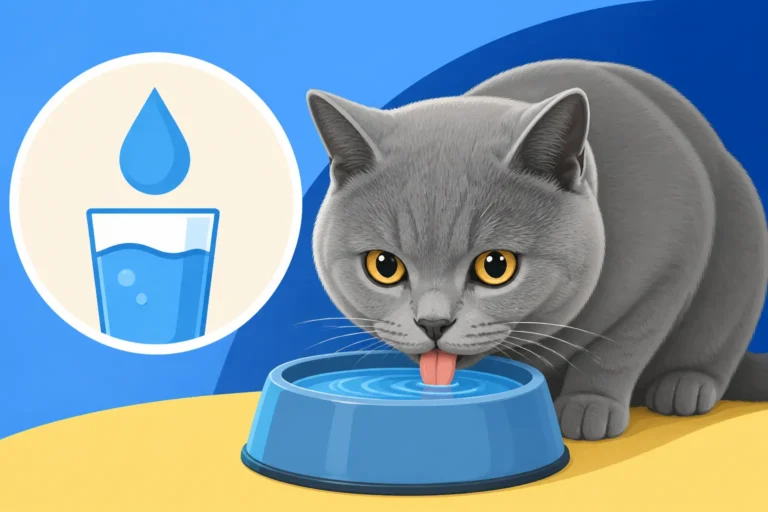
Adequate hydration is equally important. Cats, particularly, don't always drink enough water, which can contribute to dry skin. Provide multiple water sources, including ceramic or stainless steel bowls, and consider a filtered water fountain. Many cats are enticed by the running water, which encourages them to drink more. This internal hydration helps keep their skin supple and less prone to flaking.
Addressing the Allergy Sufferer: What Else Can Be Done?
For human allergy sufferers living with a beloved British Shorthair, there are additional steps that can be taken alongside environmental and grooming management.
- Limit Direct Contact: While heartbreaking, sometimes limiting direct contact, such as refraining from letting your cat sleep on your bed or lap, can help. If you do cuddle, change your clothes afterward.
- Handwashing: Always wash your hands immediately after petting your cat.
- Over-the-Counter Medications: Antihistamines, nasal sprays, and eye drops can help manage allergy symptoms in humans.
- Immunotherapy (Allergy Shots): For severe, persistent allergies, a doctor might recommend immunotherapy. This involves a series of injections to gradually desensitize the immune system to cat allergens.
- Specialized Cat Foods/Wipes: Some products on the market claim to reduce Fel d 1 production or remove it from the cat's coat. While promising, individual results vary, and they should be used in conjunction with other management strategies. Always research and discuss these options with your veterinarian.
By combining thorough grooming, meticulous cleaning, a healthy diet, and personal allergy management, you can create a harmonious environment where both you and your British Shorthair can thrive, minimizing the impact of dander in your home.
Disclaimer
This article is for general informational purposes only and does not constitute professional advice. Laws, prices and regulations vary by location and change over time. Consult a qualified professional for guidance on your specific situation.