Whether an Indoor British Shorthair Sheds Year Round
It's a common dilemma for British Shorthair parents to find themselves constantly battling a flurry of fur, even when their adorable felines are strictly indoor companions. You might be wondering if it's truly normal for your plush-coated friend to shed so much all year, feeling a bit overwhelmed by the sheer volume. This comprehensive guide will peel back the layers on British Shorthair shedding, exploring why it seems perpetual indoors, and equipping you with practical strategies to manage that gorgeous, dense coat.
The Reality of British Shorthair Shedding Indoors
Let's face it, one of the most endearing qualities of a British Shorthair is that wonderfully dense, plush coat that feels like velvet to the touch. It's truly unique, often described as crisp and standing away from the body, almost like a teddy bear's fur. But with great plushness comes great responsibility, or rather, great shedding. Many new owners, and even seasoned ones, are surprised by the amount of hair a British Shorthair can produce, and the notion that indoor cats somehow escape the shedding cycle is a myth many quickly learn to dispel.
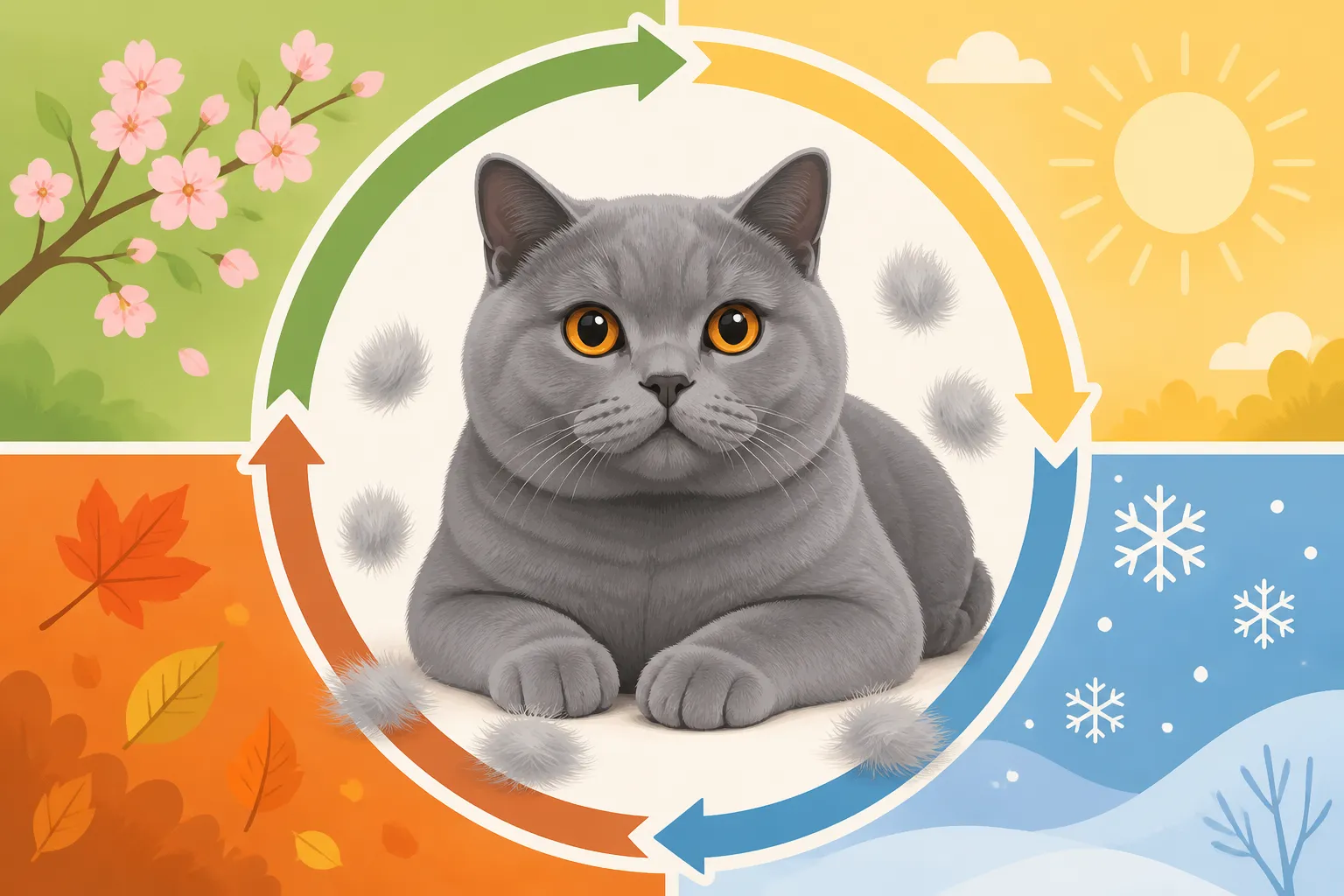
Unlike their wild ancestors or outdoor counterparts, who would naturally experience more pronounced seasonal changes in their coats, indoor British Shorthairs live in a more controlled, consistent environment. This can actually contribute to year-round shedding, rather than reducing it. There's no harsh winter cold demanding a thick undercoat, nor extreme summer heat prompting a full blow-out. Instead, their bodies react to the subtle cues of artificial light and climate control, leading to a continuous, albeit sometimes less dramatic, turnover of fur. So, yes, if you're finding British Shorthair tumbleweeds under your sofa in July, you're not alone! It's a normal part of life with this magnificent breed.
Why British Shorthairs Have Such a Dense Coat
To understand the shedding, you first have to appreciate the coat itself. A British Shorthair's coat is truly a marvel of natural engineering. It's a double coat, meaning it has both a soft, dense undercoat for insulation and coarser guard hairs that protect it from the elements. This combination gives it that distinctive "crisp" feel and plush appearance that makes them so recognizable. What a British Shorthair's Coat Is Like details this beautifully. Imagine wearing a perfectly insulated, incredibly thick wool jumper – that's essentially what your British Shorthair carries around, adapted for the famously damp and chilly British climate.
This thick, resilient coat was historically invaluable for their ancestors, who were sturdy working cats in barns and on the streets of Britain, needing protection from the elements. While your indoor British Shorthair might spend its days on a velvet cushion, its genetics still carry this heritage. This inherent density means there's simply more fur to shed, even if each individual hair doesn't have as dramatic a growth-and-shed cycle as, say, a Siberian cat preparing for winter. The constant replacement of these hairs is what leads to the continuous shedding you experience.
The Myth of "No Shedding" for Indoor Cats
It's tempting to think that an indoor cat, protected from the elements, would shed less than an outdoor one. After all, if they aren't exposed to the extremes of weather, why would their coat need to adapt so much? Unfortunately, for most cats, and especially those with double coats like the British Shorthair, this simply isn't the case. While outdoor cats might have more dramatic "coat blows" in spring and autumn, indoor cats often shed a more consistent, moderate amount throughout the entire year.
The key difference lies in the environmental triggers. For an outdoor cat, the shortening days of autumn signal the growth of a thicker winter coat, and the lengthening days of spring trigger the shedding of that heavy fur for a lighter summer equivalent. Indoor cats, however, are exposed to artificial lighting that often mimics long daylight hours year-round, and consistent indoor temperatures. This lack of clear seasonal cues means their bodies don't get the strong signals for a complete coat overhaul. Instead, it's more like a continuous, low-level shedding process, an endless cycle of hair replacement without the distinct peaks and valleys that an outdoor cat experiences.
Factors Influencing Year-Round Shedding in British Shorthairs
While year-round shedding is a given for most indoor British Shorthairs, the amount can vary significantly. Several factors contribute to how much fur you'll find floating around your home, from the artificial environment they live in to their diet and even their general health. Understanding these influences can help you anticipate shedding patterns and address potential issues.
The Impact of Artificial Lighting and Climate Control
Your cozy home, with its consistent temperatures and bright lights, is a bit of a mixed blessing when it comes to cat shedding. While it keeps your British Shorthair comfortable, it also disrupts the natural rhythm that dictates coat changes. Constant artificial light, especially if your cat spends a lot of time near windows or under bright lamps, can trick their bodies into thinking it's perpetually spring or summer. This continuous exposure prevents the strong hormonal signals that trigger a massive seasonal shed, leading instead to a lighter, but ongoing, hair turnover.
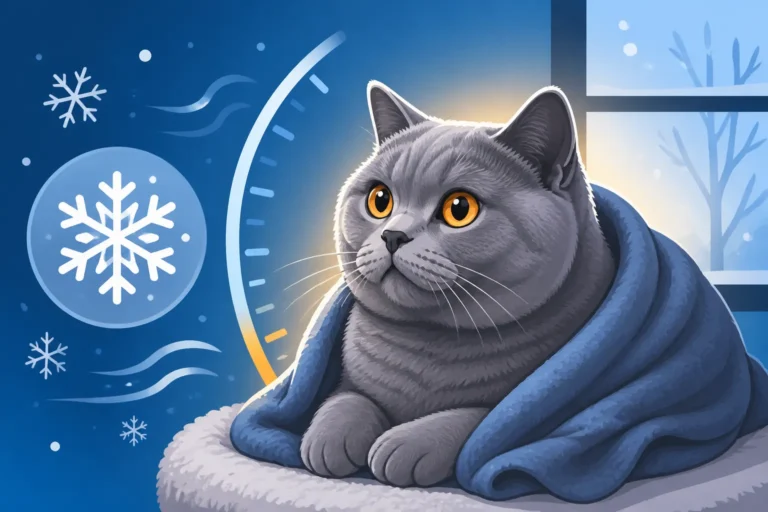
Similarly, climate control keeps your home at a steady, comfortable temperature, insulating your cat from the natural shifts of hot and cold. In an outdoor setting, rising temperatures would tell your cat's body to shed its thick undercoat, and falling temperatures would encourage growth. Indoors, there's no such clear signal. The body continues its maintenance shedding, replacing old hairs with new ones at a more uniform rate. This means those lovely little clumps of fur can appear any day of the year, rather than just twice annually. It's a trade-off for their comfort, but it certainly explains the omnipresent cat hair.
Diet and Hydration's Role in Coat Health
What goes into your British Shorthair's bowl plays a huge role in the quality of their coat, and by extension, how much they shed. A diet rich in high-quality animal protein and essential fatty acids (like Omega-3 and Omega-6) promotes healthy skin and a strong, lustrous coat. Think of it like a good hair conditioner, but from the inside out! If your cat's diet is lacking in these crucial nutrients, their fur can become dry, brittle, and more prone to shedding. You might notice dullness or even a slightly greasy feel if their skin isn't healthy. Which Food Suits a British Shorthair is a great resource for navigating food choices.
Dehydration is another silent culprit. A cat that isn't drinking enough water will have dry skin, and dry skin means dry, unhealthy hair follicles that release hair more easily. While British Shorthairs aren't known for being big drinkers, encouraging water intake with a clean, fresh bowl or even a cat water fountain can make a difference. Some owners find that incorporating wet food into their cat's diet helps significantly, as it provides a good source of moisture that might otherwise be missed.
Stress, Health, and Medication
Just like with humans, stress can manifest physically in cats, and one common sign is increased shedding. A sudden change in routine, a new pet, a move to a new home, or even loud noises can all cause a British Shorthair to feel anxious, leading to excessive hair loss. It's their body's way of reacting to perceived threats. Observe your cat's behavior; if the shedding coincides with changes in their environment or disposition, stress could be a factor.
Underlying health issues are another significant cause of abnormal shedding. Skin allergies, parasites (like fleas or mites), fungal infections (ringworm), hormonal imbalances, kidney disease, or even certain cancers can all lead to excessive or patchy hair loss. If you notice any bald spots, redness, scratching, scabs, or a sudden, dramatic increase in shedding, it's crucial to consult your vet. Signs a British Shorthair Is Unwell offers more details on general health indicators. Medications, especially those that affect hormone levels or immune response, can also sometimes influence coat cycles and shedding. Always discuss any new shedding patterns with your vet to rule out medical causes.
Managing Your British Shorthair's Year-Round Shed
Since year-round shedding is often the norm for an indoor British Shorthair, the goal isn't necessarily to eliminate it entirely (which is impossible anyway!) but to manage it effectively. The good news is that with a consistent grooming routine, the right tools, and a healthy lifestyle, you can significantly reduce the amount of fur floating around your home and keep your cat's coat looking its best.
The Power of Regular Grooming
Consistent grooming is your absolute best defense against year-round shedding. It helps remove loose hairs before they have a chance to land on your furniture, clothes, or floor. For a British Shorthair's dense double coat, regular combing is far more effective than brushing. You'll want to aim for at least two to three times a week, but during peak shedding periods (even mild ones for indoor cats), daily combing might be necessary.
Forget the soft bristle brushes; they often just skim the surface of that thick coat. What you need is a good quality metal comb with both wide and fine teeth. Start with the wider teeth to get through the top layer, then use the finer teeth to work out the loose undercoat. Always comb in the direction of hair growth, gently detangling any small knots. Many British Shorthairs tolerate, or even enjoy, this regular interaction, making it a pleasant bonding experience. How Often a British Shorthair Needs Combing delves deeper into establishing a routine. You can find excellent combs and other grooming essentials on sites like Chewy or Amazon.
Here's a quick guide to grooming tools:
| Tool Type | Best Use for British Shorthair | Why It Works |
|---|---|---|
| Metal Comb | Daily/Weekly removal of loose fur, detangling | Penetrates dense double coat, removes undercoat without damaging guard hairs. |
| Slicker Brush | Avoid for British Shorthairs | Too harsh for their coat type, can damage guard hairs and cause discomfort. |
| Rubber Curry Brush | Gentle massage, surface hair removal, distributing oils | Great for short bursts, stimulating skin, but won't reach deep undercoat. |
| Deshedding Tool | Use sparingly during heavy shedding, follow instructions carefully | Designed to remove significant undercoat, but can be abrasive if overused. |
| Grooming Glove | Quick daily wipe, distributing oils, light surface hair removal | Good for bonding, but minimal effectiveness on a deep, shedding undercoat. |
Environmental Control: Humidity and Cleaning
Beyond direct grooming, your home environment can impact shedding. Dry air, particularly in heated homes during winter, can contribute to dry skin and a more brittle coat, leading to increased shedding. Using a humidifier can help maintain a healthier level of moisture in the air, which can benefit your cat's skin and coat.
Regular cleaning is, of course, essential. Vacuuming frequently, especially with attachments designed for pet hair, will capture a lot of the shed fur before it builds up. Investing in a good quality lint roller (keep them everywhere!) and washing your cat's favorite blankets or beds regularly will also help. Consider materials that are less prone to trapping hair for your furniture and bedding. Some owners even use specialized filters in their HVAC systems to help trap airborne pet dander and fur.
Nutritional Support for a Healthy Coat
As mentioned earlier, diet is foundational. Ensure your British Shorthair is on a high-quality, complete, and balanced cat food. Look for foods where meat is the first ingredient, avoiding excessive fillers. Many premium cat foods, available through retailers like Chewy, are formulated with added Omega-3 and Omega-6 fatty acids, which are fantastic for skin and coat health. These fatty acids help reduce inflammation, improve skin barrier function, and can make the fur stronger and shinier, potentially reducing excessive shedding caused by poor coat condition.
Some owners also choose to add supplements, such as fish oil or specific skin and coat supplements, to their cat's diet, always after consulting with their veterinarian. The goal is to nourish the skin and hair follicles from within, making the coat as healthy and robust as possible. Remember, a healthy coat sheds less, and the hairs that do shed are replaced by strong, vibrant new ones.
When to Worry About Your British Shorthair's Shedding
While year-round shedding is normal, there's a difference between typical hair turnover and shedding that indicates a problem. Knowing what to look for and when to contact your vet is crucial for your British Shorthair's well-being. Don't hesitate to seek professional advice if you observe any of the following signs.
Signs of Abnormal Shedding
Normal shedding typically involves a uniform loss of hair across the body, with new hair growing in seamlessly. Abnormal shedding, however, can present in various worrying ways:
- Bald Patches or Thinning Fur: If you start to see noticeable bald spots, patches of very thin fur, or if the skin is visible through the coat where it shouldn't be, this is a red flag. This isn't just normal shedding; it indicates an underlying issue.
- Excessive Itching or Licking: If your British Shorthair is constantly scratching, licking, or biting at their fur, it's a sign of irritation. This self-trauma can cause significant hair loss and skin damage.
- Red, Inflamed, or Scabby Skin: Healthy skin underneath the fur should be a uniform, pale pink color. Any redness, inflammation, bumps, scabs, or open sores are immediate concerns and warrant veterinary attention.
- Dull, Brittle, or Greasy Coat: A healthy British Shorthair coat should be plush, soft, and have a natural sheen. If it appears dull, dry, brittle, feels greasy, or has a strange texture, it could signal nutritional deficiencies, skin conditions, or other health problems.
- Sudden and Drastic Increase in Shedding: While indoor cats shed year-round, a sudden and significant increase in the amount of hair being shed, especially if it's accompanied by other symptoms, is abnormal. This might look like large clumps of fur coming out with minimal effort, or finding much more fur than usual everywhere.
Common Medical Causes of Excessive Shedding
Many medical conditions can lead to excessive or abnormal shedding. It's always best to let a veterinarian diagnose the exact cause, as treatment will vary widely depending on the issue:
- Parasites: Fleas, mites (like mange), and even some internal parasites can cause skin irritation and hair loss. Your cat might scratch excessively, leading to further shedding and skin damage.
- Allergies: Cats can suffer from environmental allergies (pollen, dust mites), food allergies, or flea bite allergies. These can manifest as itchy skin, leading to scratching, over-grooming, and subsequent hair loss.
- Fungal Infections: Ringworm is a common fungal infection that causes circular patches of hair loss, often with scaly, red skin. It's contagious to other pets and humans, so prompt treatment is essential.
- Hormonal Imbalances: Conditions like hyperthyroidism (more common in older cats) can lead to changes in coat quality and excessive shedding. Hyperthyroidism in an Older British Shorthair provides more insight.
- Nutritional Deficiencies: As discussed, a lack of essential vitamins, minerals, or fatty acids can severely impact coat health and lead to shedding.
- Stress and Anxiety: While not a medical illness in itself, prolonged stress elevates cortisol levels, which can negatively affect skin and coat health, leading to increased shedding.
- Internal Organ Disease: Kidney disease, liver issues, or even certain types of cancer can manifest with poor coat condition and excessive shedding as a secondary symptom.
When to Consult Your Veterinarian
If you observe any of the abnormal shedding signs mentioned above, or if your British Shorthair's shedding dramatically changes from their usual pattern, it's time to schedule an appointment with your veterinarian. Don't try to self-diagnose or treat the issue. Your vet can perform a thorough examination, which may include skin scrapes, blood tests, or other diagnostics, to pinpoint the underlying cause. Early diagnosis and treatment are always best, not only for resolving the shedding but, more importantly, for addressing any serious health concerns that might be affecting your beloved British Shorthair. Your vet can also offer advice on specialized diets or supplements that might be helpful.
Conclusion: Embracing the Fluff of Life with Your British Shorthair
So, while the idea of a completely shed-free British Shorthair might be a lovely dream, the reality for indoor cats of this magnificent breed is year-round shedding. It's a natural consequence of their dense, double coat and the consistent environment we provide. Accepting this fact is the first step, then equipping yourself with the knowledge and tools to manage it effectively.
By committing to a regular grooming routine with the right comb, ensuring your cat has a high-quality, nutritious diet, and being mindful of their overall well-being and environment, you can keep the fur under control. Remember, a certain amount of fluff is just part of the charm of living with a British Shorthair. However, if you ever notice a significant change in shedding patterns or any accompanying skin or behavioral issues, don't hesitate to consult your veterinarian. After all, a healthy British Shorthair is a happy British Shorthair, even if they leave a little bit of their charm behind on your favorite sweater.
Disclaimer
This article is for general informational purposes only and does not constitute professional advice. Laws, prices and regulations vary by location and change over time. Consult a qualified professional for guidance on your specific situation.