Which Comb Reaches a British Shorthair’s Undercoat
That incredibly dense, plush coat of a British Shorthair is undoubtedly one of its most charming features, giving them that irresistible teddy bear look. But let's be real, beneath that soft, seemingly easy-to-manage exterior lies a thick, sometimes stubborn, undercoat that can make grooming a real challenge. Many British Shorthair owners struggle with finding a tool that actually penetrates this dense layer without just gliding over the top or, worse, pulling painfully at their beloved cat's fur. This guide is here to help you navigate the world of grooming tools, specifically focusing on how to choose the right comb to tackle that elusive undercoat effectively and keep your British Shorthair comfortable and mat-free.
Understanding the British Shorthair's Unique Coat
Before we even talk about combs, it's crucial to appreciate what we're working with. The British Shorthair's coat isn't just fluffy; it's a marvel of feline engineering, designed for protection and insulation. Understanding its structure is the first step toward effective grooming.
The Double Coat and Its Purpose
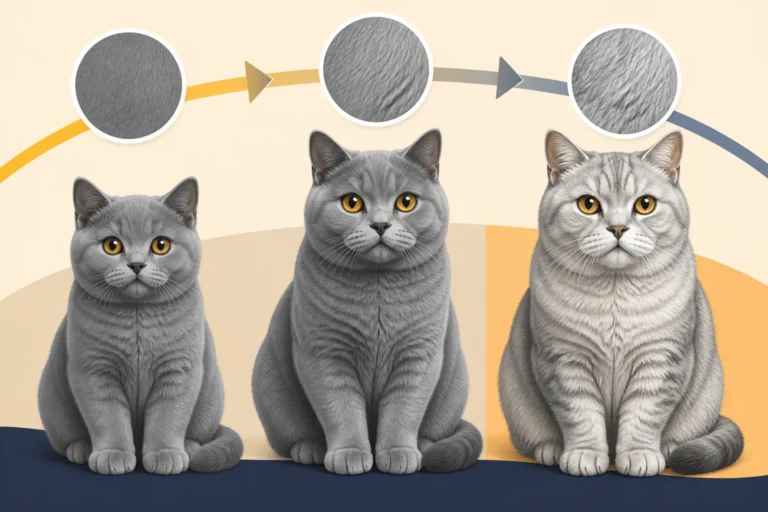
Unlike some breeds with single coats, the British Shorthair boasts a magnificent double coat. This means they have two distinct layers of fur, each serving a specific purpose. The outer layer, known as the guard hairs or topcoat, is shorter, coarser, and slightly more resilient. These hairs provide the "crisp" texture that is characteristic of the breed, standing away from the body rather than lying flat. They offer protection from the elements, like dampness and minor bumps.
Beneath this outer layer lies the true challenge: the undercoat. This layer consists of very fine, dense, and soft hairs that grow incredibly close together. Its primary role is insulation, keeping your British Shorthair warm in cooler weather. Because these hairs are so fine and numerous, they can easily trap loose fur, leading to tangles and, eventually, painful mats if not regularly removed. This density is also Why a British Shorthair's Coat Is Called Crisp, it's not just a texture, it's a structural feature.
The sheer volume and texture of this undercoat are what make finding the right grooming tool so critical. A comb that’s too short or too widely spaced will simply skim over the topcoat, leaving the majority of the shedding undercoat untouched. This leaves your cat prone to hairballs and skin irritation, not to mention the discomfort of hidden mats.
Why Regular Combing is Essential
You might think that because British Shorthairs are generally calm and not overly active, their grooming needs are minimal. This couldn't be further from the truth, especially when it comes to their undercoat. Regular, thorough combing is not just about keeping them looking tidy; it's vital for their health and comfort.
Firstly, combing helps to remove dead and shedding undercoat hairs. If these hairs aren't removed, they can become tightly woven together, forming mats close to the skin. These mats are not only unsightly but can pull on the skin, causing pain and even skin infections. Imagine wearing a tight, constricting sweater that constantly pulls at your skin – that's what a mat can feel like for your cat. Preventing mats is far easier and less stressful for both of you than trying to remove them once they've formed.
Secondly, regular combing significantly reduces the amount of hair your British Shorthair ingests during self-grooming. Cats are meticulous self-groomers, and with such a dense coat, they can swallow a surprising amount of fur. This ingested hair can form hairballs, leading to vomiting, digestive upset, and in severe cases, intestinal blockages that require veterinary intervention. Keeping the shedding under control dramatically lessens this risk. If you've ever wondered How Much a British Shorthair Sheds, you'll know it's a considerable amount, particularly during seasonal changes, making regular combing indispensable.
The Quest for the Perfect Undercoat Comb
So, you're convinced you need to get into that undercoat. But with so many grooming tools on the market, how do you choose the right one? Let's break down what works and what often falls short.
The Limitations of Regular Brushes and Combs
Many well-meaning cat owners start with what they think are appropriate tools, only to find them ineffective on their British Shorthair's unique coat. Standard slicker brushes, for instance, are fantastic for removing loose surface hair and stimulating the skin in some breeds, but for a British Shorthair, they often just skim the top. The pins aren't usually long or strong enough to reach through the dense guard hairs to the undercoat. You might see a lot of fur on the brush, but much of the truly problematic, shed undercoat remains.
Pin brushes suffer from a similar issue; their pins are too thick and too widely spaced to effectively grab the fine undercoat hairs. Rubber curry brushes, while great for distributing oils and providing a gentle massage, are designed for much shorter, smoother coats and barely make a dent in the British Shorthair's dense layers. The frustration is real when you feel like you're brushing for ages, and your cat still feels thick and you know there's more shedding to come. This is precisely Why a Comb Beats a Brush on a British Shorthair when it comes to tackling the undercoat. Brushes are often too broad or too soft to penetrate properly.
Plastic combs are another common culprit. Their teeth are usually too flimsy and can bend or break when encountering the thick undercoat, or they might generate static electricity, making the fur fly. Even if they do penetrate, they often don't have the strength or fine enough spacing to effectively pull out the dead undercoat without causing static or snagging.
Identifying the Ideal Undercoat Comb Features
To truly tackle the British Shorthair's undercoat, you need a comb with specific features. Think of it as needing a specialized tool for a specialized job.
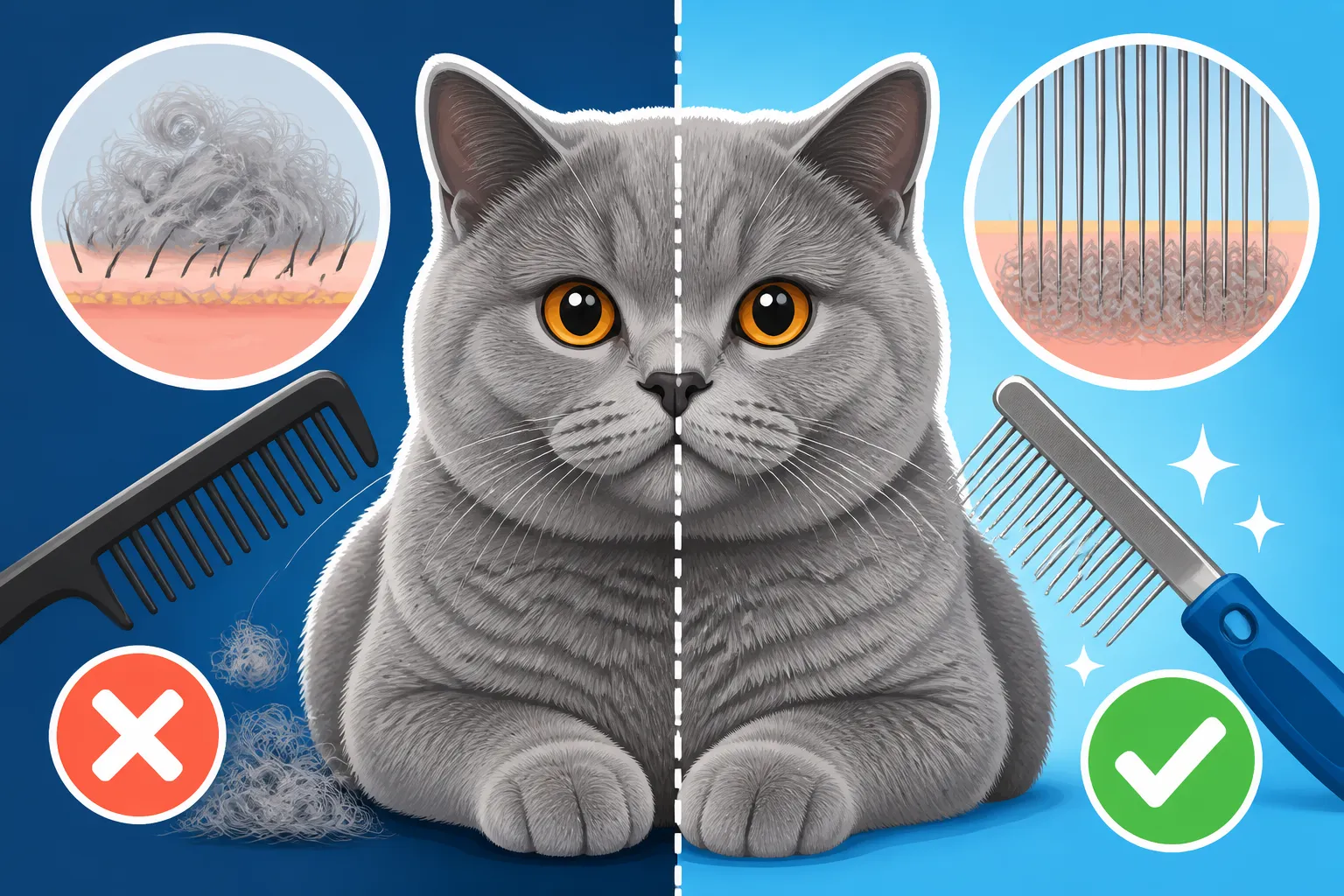
Firstly, material is key. Metal combs are superior to plastic ones. They are sturdier, less likely to break, and won't generate as much static. Look for stainless steel options, as they are durable and easy to clean.
Secondly, tooth spacing and length are paramount. The ideal comb often features two different sections of teeth: a wider-spaced side and a finer-spaced side.
- The wider-spaced teeth are crucial for the initial pass, allowing you to penetrate the dense topcoat and gently loosen the undercoat without pulling. They also help to work through any minor tangles.
- The finer-spaced teeth are then used to pull out the loosened, dead undercoat hairs more effectively. This two-in-one design makes these combs incredibly versatile and efficient. The teeth must also be long enough to reach right down to the skin, which means at least an inch to an inch and a half for most adult British Shorthairs.
Thirdly, rounded tips on the teeth are a non-negotiable feature. Sharp, pointed teeth can scratch your cat's delicate skin, causing discomfort or even injury. Always run the comb over your own skin first to ensure it's smooth and won't scratch.
Finally, consider the handle comfort. You'll be spending a fair bit of time combing, so an ergonomic, non-slip handle will make the experience much more pleasant for you.
Recommended Comb Types for British Shorthair Undercoat
Given the specific needs of the British Shorthair's coat, certain combs stand out as being highly effective for reaching that dense undercoat.
One of the most highly recommended tools is a steel greyhound-style comb. These are typically metal combs, often made of stainless steel, with a dual-tooth configuration – one side with wider teeth and the other with finer teeth. The longer, sturdy teeth are perfectly designed to penetrate the dense topcoat and reach deep into the undercoat. You start with the wider-spaced teeth to gently work through the top layer and any initial tangles, then switch to the finer teeth to meticulously remove the shed undercoat. These combs are often available at pet supply stores or online retailers like Chewy or Amazon.
Another effective tool, though one that needs more careful use, is a grooming rake. These aren't your garden rakes, of course! Pet grooming rakes typically have a single row of long, widely spaced, rounded teeth designed to pull through thick coats. Some variants have rotating teeth, which can be helpful in preventing snagging. While they can be excellent for removing a large volume of loose undercoat, it's easy to be too aggressive with a rake, so always use gentle strokes and let the tool do the work. They are especially useful during periods of heavy shedding.
Fine-toothed flea combs can also play a role, but not as the primary undercoat tool. Once you've thoroughly worked through the undercoat with a wider comb, a flea comb can be used to catch any remaining super-fine hairs or check for actual fleas. However, their teeth are generally too short and too close together to be effective on the initial undercoat removal.
| Comb Type | Primary Use for British Shorthair | Pros | Cons | Where to Find |
|---|---|---|---|---|
| Steel Greyhound Comb | Deep undercoat removal, detangling, general grooming | Dual-tooth spacing, durable, effective at penetrating dense coats | Requires gentle technique to avoid pulling, can be pricey | Pet stores, Amazon, Chewy |
| Grooming Rake | Heavy shedding, removing large volumes of loose undercoat | Excellent for thick undercoats, good for seasonal shedding | Can be overly aggressive if not used gently, may cut guard hairs | Pet stores, Amazon, Chewy |
| Slicker Brush | Surface grooming, stimulating skin (not primary undercoat tool) | Good for topcoat smoothness, brings out shine | Doesn't penetrate undercoat effectively, can scratch skin if misused | Most pet stores, online |
| Pin Brush | General brushing, distributing oils (not primary undercoat tool) | Gentle for sensitive cats, good for surface hair | Too widely spaced for effective undercoat removal | Most pet stores, online |
| Flea Comb | Removing fleas, catching very fine stray hairs (post-combing) | Catches tiny debris and parasites, good for facial hair | Too fine and short for main undercoat work | Most pet stores, online |
Remember, the goal is not to strip the coat bare, but to remove the dead, loose undercoat that would otherwise cause problems.
Techniques for Effective Undercoat Combing
Having the right tool is only half the battle. Knowing how to use it effectively, and making it a positive experience for your British Shorthair, is just as important.
Preparing Your British Shorthair for Grooming
British Shorthairs are generally good-natured, but even the calmest cat can resist grooming if it's done improperly or if they associate it with discomfort. The key is to make it a positive, low-stress experience from the start.
Begin by choosing a quiet time and a comfortable spot where both you and your cat can relax. A lap, a favorite blanket on the sofa, or a dedicated grooming table can work. Start with short sessions, just a few minutes at a time, especially if your cat is new to combing or resistant. Don't try to get everything done in one go.
Positive reinforcement is your best friend here. Offer treats, gentle praise, and loving strokes throughout the session. If your cat tolerates it well, you might even find they start to enjoy the attention and the feeling of relief from shedding fur. If they show signs of distress – tail flicking, flattening ears, trying to escape – stop the session and try again later. For specific advice on How a British Shorthair Takes to Brushing, consistency and positive associations are critical. It's about building trust and routine, not forcing the issue.
Step-by-Step Undercoat Combing Method
Once your British Shorthair is settled, you can begin the combing process. Remember, slow and steady wins the race when dealing with a dense undercoat.
- Start with the wider teeth: Begin with the wide-toothed side of your steel comb. Gently part the fur in sections, working against the grain slightly to lift the topcoat, then comb with the grain. Start at the head and work your way down the body, paying special attention to areas prone to matting, such as behind the ears, armpits, flanks, and the "britches" around their hind legs.
- Use short, gentle strokes: Don't pull or yank. If you encounter a tangle, don't force the comb through it. Instead, gently work at the edges of the tangle with the wide-toothed comb, slowly teasing it apart. You can use your fingers to help loosen it, or even apply a pet-safe detangling spray. For stubborn mats, you might need to carefully clip them out with blunt-nosed scissors, holding the skin taut beneath the mat to avoid cutting your cat. This is where patience is key.
- Switch to the finer teeth: Once you've gone over the entire body with the wide-toothed side and removed most of the loose hair and minor tangles, switch to the finer-toothed side of the comb. Repeat the process, using shorter, more meticulous strokes. This pass will pull out the remaining fine, dead undercoat that the wider teeth might have missed. You'll be amazed at how much more fur comes out!
- Finish with a full body check: After combing, run your hands over your British Shorthair's entire body, feeling for any missed mats or rough patches. Pay extra attention to those common matting areas. Give them a final stroke with your hands to smooth their coat and reinforce the positive experience.
How often should you do this? Typically, How Often a British Shorthair Needs Combing depends on the individual cat and the time of year. During peak shedding seasons (spring and fall), you might need to comb several times a week. Outside of these times, once or twice a week should suffice to keep their coat in good condition.
Common Mistakes to Avoid
Grooming a British Shorthair can be incredibly rewarding, but there are some pitfalls to steer clear of to ensure a positive experience for both of you.
One of the biggest mistakes is pulling too hard or rushing the process. This can be painful for your cat, making them associate grooming with discomfort, and they'll quickly become resistant. Always be gentle and patient, especially when dealing with tangles. If your cat reacts negatively, take a break.
Another common error is using the wrong tools entirely. As discussed, slicker brushes or standard pin brushes simply aren't designed to effectively penetrate the British Shorthair's dense undercoat. Using these exclusively will leave most of the shedding fur behind, leading to mats and hairballs despite your efforts. The temptation to reach for a human comb or brush is strong, but resist it!
Finally, ignoring the undercoat entirely is a recipe for disaster. While a British Shorthair's plush coat can mask a lot, neglecting regular undercoat removal will inevitably lead to severe matting, skin irritation, and increased hairball issues. These problems are much harder, and often more costly, to fix than regular preventative grooming. Remember, their coat might look fine on the surface, but it's what's underneath that counts for their health and comfort.
Complementary Grooming Tools and Practices
While the right comb is your hero for the undercoat, other tools and habits can support your British Shorthair's overall coat health.
Deshedding Tools: Use with Caution
Deshedding tools, often generically referred to by brand names like FURminator, are popular for their ability to remove large amounts of loose undercoat. They can be effective for British Shorthairs, but they come with a significant caveat: they must be used with extreme caution and a light touch.
These tools work by having a finely serrated edge that grabs and pulls out loose undercoat. The problem is, if used too aggressively or too frequently, they can actually cut or damage the healthy guard hairs of the topcoat. This can alter the texture of your British Shorthair's beautiful crisp coat, leaving it feeling coarser or thinner than it should be. They can also irritate sensitive skin if you press too hard or use them in one spot for too long.
So, Whether a Deshedding Tool Suits a British Shorthair really depends on how it's used. If you opt for one, use it sparingly – perhaps once every few weeks during peak shedding, and never as a daily grooming tool. Use very light, short strokes, letting the tool glide over the coat without pressing down. Observe your cat's reaction closely. If they show any signs of discomfort, stop immediately. It's often best to use these after you've already done a thorough comb-through with your steel comb to remove the bulk of the loose undercoat, then use the deshedding tool for a final pass.
Diet and Hydration's Role in Coat Health
Grooming isn't just about what you do on the outside; it's also deeply connected to what goes on inside your British Shorthair's body. A healthy diet and adequate hydration play a huge role in maintaining a lush, healthy coat that sheds appropriately.
A high-quality diet, rich in essential fatty acids (like Omega-3 and Omega-6), vitamins, and minerals, is crucial for skin and coat health. These nutrients help keep the skin supple and hydrated, which in turn supports healthy hair follicles and a strong, vibrant coat. Cats on a poor-quality diet may have dull, brittle fur that sheds excessively or is prone to matting. Which Food Suits a British Shorthair is a deep topic, but suffice it to say, investing in good nutrition is a preventive measure for grooming woes.
Hydration is equally important. Water helps maintain skin elasticity and overall bodily functions. A well-hydrated cat's skin is healthier, which can reduce excessive shedding and flakiness. Encourage your British Shorthair to drink plenty of fresh water by ensuring multiple water bowls are available, perhaps investing in a cat water fountain (many cats prefer moving water), and incorporating wet food into their diet. Dehydration can lead to dry skin, which contributes to poor coat condition and increased shedding.
When to Seek Professional Grooming
While regular home grooming is essential, there are times when calling in a professional groomer is the best course of action. Don't feel guilty about it; some situations require expert help!
One of the most common reasons to seek professional grooming is severe matting. If your British Shorthair has developed large, tight mats close to the skin, trying to remove them yourself can be incredibly painful and risky for your cat. Professional groomers have specialized tools, techniques, and the expertise to safely and humanely remove severe mats, often requiring a full shave-down of the affected areas. They can do this without stressing your cat as much as you might inadvertently.
Another reason is if your British Shorthair is simply not tolerating at-home grooming, despite all your best efforts. Some cats are just more sensitive or resistant, and forcing the issue can damage your bond. A professional groomer has experience handling difficult cats and can often achieve results you can't, sometimes using techniques you might not be comfortable with at home.
Finally, you might consider a professional groomer for seasonal "deshedding" treatments, particularly during those heavy shedding times. They often have high-velocity dryers and specialized shampoos that can effectively blast out loose undercoat, leaving your cat much more comfortable and reducing shedding around your home. For comprehensive advice on Whether a British Shorthair Needs Professional Grooming, the answer often comes down to the severity of coat issues and your cat's temperament. It's an investment in their comfort and health.
Disclaimer
This article is for general informational purposes only and does not constitute professional advice. Laws, prices and regulations vary by location and change over time. Consult a qualified professional for guidance on your specific situation.