Whether a British Shorthair Needs Wet Food
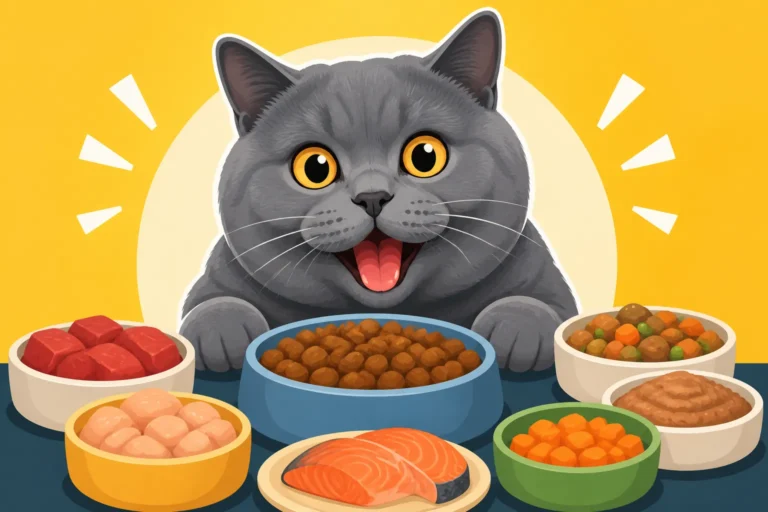
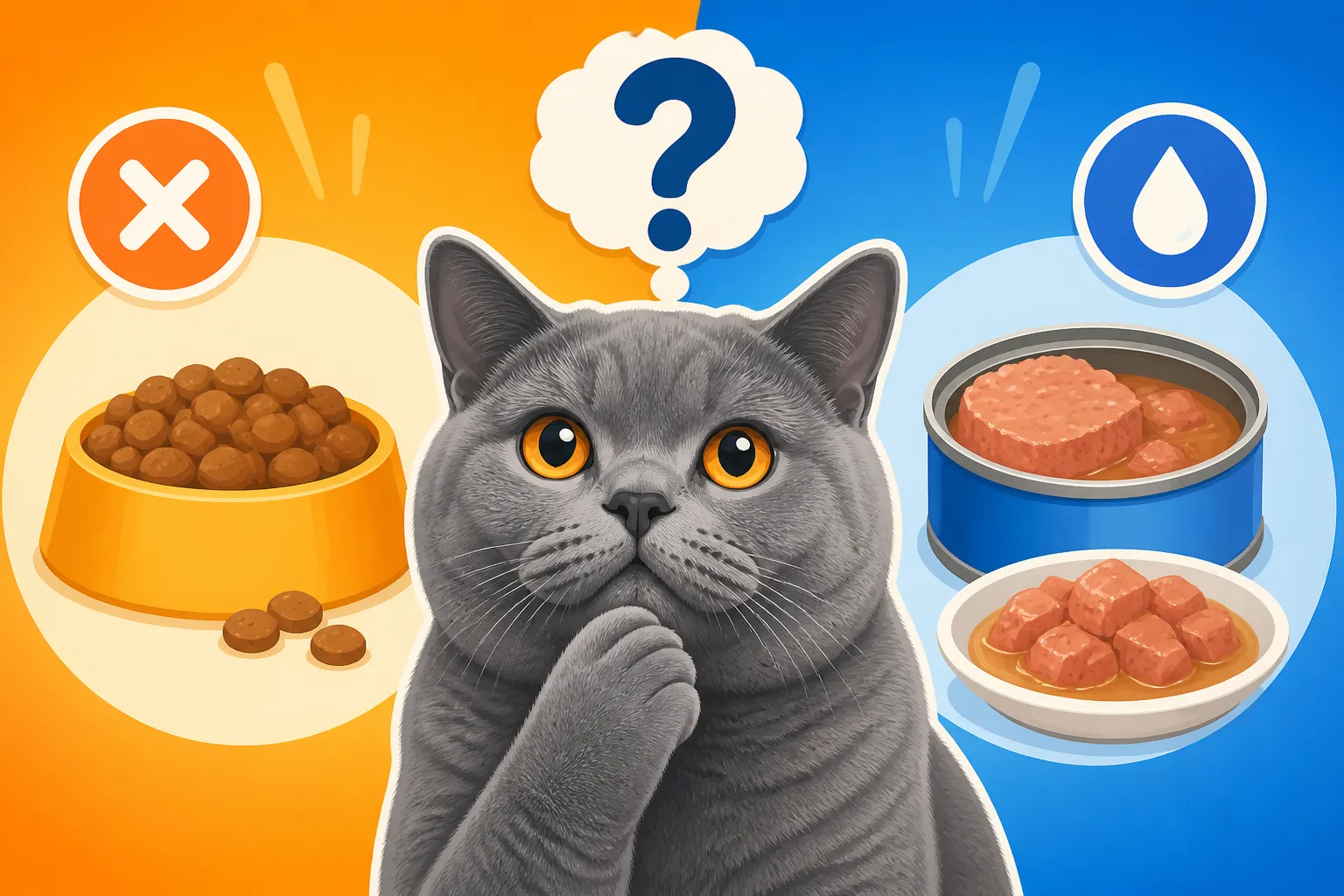
One of the biggest dilemmas facing British Shorthair parents is figuring out the best diet for their beloved chunky fluffball. There's so much conflicting information out there, especially concerning whether wet food is truly necessary, or if dry kibble is perfectly fine. It's a frustrating situation because you just want to do right by your cat, but the advice feels endless and often contradictory. This guide is here to cut through the noise, exploring the unique needs of your British Shorthair and detailing why wet food often holds a significant advantage for their long-term health and happiness.
Understanding the British Shorthair's Unique Nutritional Needs
When you bring a British Shorthair into your home, you're not just getting a pet; you're adopting a creature with a very specific evolutionary blueprint. Their bodies, inside and out, are finely tuned to a particular kind of diet, and understanding this is the first step in deciding what to put in their bowl. It’s not about what’s easiest for us, but what truly nourishes them from their little whiskered nose to their thick, cobby tail.
The British Shorthair's Ancestral Diet and Physiology
Let's talk about cats in general for a moment, because your British Shorthair, despite its plush coat and serene demeanor, is still very much a cat. Cats are obligate carnivores, which is a fancy way of saying they must eat meat to survive and thrive. Their entire digestive system, from their teeth to their gut enzymes, is designed to process animal protein and fat. In the wild, their diet would consist almost entirely of small prey like mice, birds, and insects.
What does this prey consist of? Well, it's packed with protein and fat, but critically, it's also incredibly high in moisture – typically around 70-80% water. This natural diet means that wild cats get most of their hydration directly from the food they eat, not primarily from drinking standing water. Your British Shorthair inherited this trait; they don't have a strong thirst drive like dogs or humans. This lower thirst mechanism means that if their food isn't providing enough moisture, they're likely going to be in a state of chronic, mild dehydration, even if you see them occasionally lapping from a water bowl. It’s a silent problem that can creep up on you.
Common Health Concerns Tied to Diet in British Shorthairs
Unfortunately, our modern lifestyles and the convenience of dry kibble often put our British Shorthairs at a disadvantage when it comes to their natural dietary needs. This breed, with its naturally sturdy build and calm disposition, is particularly prone to certain health issues that are heavily influenced by diet.
One of the most pressing concerns is obesity. If you've ever owned a British Shorthair, you know they are built to look substantial, almost teddy-bear like. However, it's a fine line between a healthy, robust build and being genuinely overweight. Obesity Is the British Shorthair's Real Disease, and it's a battle many owners face. Their natural placid nature means they aren't usually zipping around the house like a Bengal, so they burn fewer calories. When combined with a diet that's too high in calories or carbohydrates, weight gain becomes almost inevitable. You can read more about why they tend to gain weight so easily in Why a British Shorthair Gains Weight So Easily.
Beyond weight, diet plays a huge role in urinary tract health. Cats are susceptible to issues like bladder stones, crystals, and Feline Lower Urinary Tract Disease (FLUTD). When a cat is chronically dehydrated from a dry food diet, their urine becomes more concentrated. This concentrated urine is the perfect breeding ground for crystals and stones to form, leading to painful and potentially life-threatening blockages, especially in male cats. It’s a heartbreaking scenario to witness and can be incredibly costly to treat. If you’re concerned about these issues, understanding Urinary Problems in a British Shorthair is crucial.
Furthermore, diabetes is another serious condition that can be exacerbated by a diet high in carbohydrates, which is common in many dry kibble formulations. British Shorthairs, especially if overweight, are at a higher risk. Just like in humans, a diet that constantly spikes blood sugar levels can eventually lead to insulin resistance and full-blown diabetes. Knowing the signs of Diabetes in a British Shorthair can help you catch it early, but prevention through diet is always the best approach.
The Benefits of Wet Food for British Shorthairs
Given the British Shorthair's unique physiology and predispositions, it becomes clear that wet food isn't just a nice-to-have; it's often a fundamental component of a truly healthy diet for this breed. Shifting to or including more wet food can proactively address many of the concerns we just discussed.
Superior Hydration for Urinary Health
This is, without a doubt, the single biggest advantage of wet food for cats, especially British Shorthairs. As mentioned, a cat's natural prey is around 70-80% water. Good quality wet cat food mirrors this, typically containing 70% to 85% moisture. Compare that to dry kibble, which usually hovers around 5% to 10% moisture. It’s a massive difference.
When your British Shorthair consumes a diet rich in moisture, their kidneys don't have to work as hard to filter waste products, and their urine is naturally more diluted. This increased water intake effectively flushes the urinary system, making it far less likely for problematic crystals or stones to form. Imagine a river flowing freely versus a stagnant pond – the flowing river is much less likely to accumulate debris. This dilution significantly reduces the risk of painful urinary tract infections, blockages, and the formation of struvite or oxalate crystals that can plague many cats. For more in-depth information, consider reading Urinary Problems in a British Shorthair. Many British Shorthair owners report a noticeable improvement in their cat's overall health and energy levels once they make the switch to a high-moisture diet.
Better Weight Management and Satiety
Another incredible benefit of wet food, particularly for a breed prone to being a little on the hefty side, is its role in weight management. Because wet food is so high in water content, it contains fewer calories per serving compared to an equivalent volume of dry kibble. This means your cat can eat a more substantial portion, feel fuller, and yet consume fewer calories overall.
Think about it from your own perspective: a large bowl of vegetable soup might fill you up more than a small handful of crackers, even if the crackers have more calories. It's the same principle for cats. The higher protein content in good wet food also contributes to satiety, keeping them feeling satisfied for longer. This can drastically reduce the incessant begging and overeating that often leads to your British Shorthair looking more like a bowling ball than a sleek feline. This is particularly important for this breed, as they tend to be less active and more prone to packing on the pounds. For strategies on keeping your British Shorthair's weight in check, our guide on Portion Control Is the Whole Job With a British Shorthair offers excellent advice. When it comes to managing their weight, wet food can truly be your best ally.
Nutritional Composition Closer to a Natural Diet
The third pillar of wet food's superiority lies in its alignment with a cat's natural dietary requirements as obligate carnivores. High-quality wet cat food typically features real meat, poultry, or fish as the primary ingredients. This translates to a higher percentage of animal-derived protein and fat, which are essential for your British Shorthair's muscle maintenance, energy levels, and overall cellular function.
Crucially, good wet foods tend to be significantly lower in carbohydrates compared to dry kibble. Many dry foods rely on grains, potatoes, or peas as fillers and binders, which are not biologically appropriate for a cat. Cats lack the specific enzymes to efficiently digest large amounts of carbohydrates, and a carb-heavy diet can contribute to weight gain, blood sugar imbalances, and digestive upset. By feeding a wet food rich in protein and low in carbohydrates, you are providing a diet that supports their natural metabolic processes, helps maintain lean muscle mass, and offers a more stable energy source. Many dedicated British Shorthair breeders and experienced owners will tell you that they've seen their cats thrive on a primarily wet, species-appropriate diet. Retailers like Chewy offer a vast selection of high-quality wet foods, making it easier than ever to find options that meet these nutritional criteria, and even specialty brands available on Amazon focus on grain-free, high-meat formulas.
Addressing Concerns and Misconceptions About Wet Food
Despite the clear benefits, many owners have lingering questions or concerns about feeding a primarily wet food diet. These are often rooted in common myths or practical considerations that, while valid, can usually be addressed with a little knowledge and planning. Let's tackle them head-on.
Dental Health: Is Wet Food Bad for Teeth?
This is perhaps the most persistent myth surrounding wet food: the idea that dry kibble "cleans" a cat's teeth and that wet food causes dental problems. While it might seem logical that crunchy kibble would scrape away plaque, the reality for most cats is quite different. The vast majority of kibble pieces are simply swallowed whole or chewed just enough to break, not enough to provide any meaningful abrasive action against the teeth, especially at the gumline where plaque buildup truly begins. Imagine trying to clean your teeth by eating a cracker – it just doesn't work.
True dental health for your British Shorthair comes from specific, targeted care. This includes regular home brushing with a feline-specific toothbrush and toothpaste (a feat many cat owners, myself included, can struggle with!), dental treats specifically formulated to reduce plaque and tartar, and critically, professional dental cleanings under anesthesia when recommended by your vet. You can learn more about managing their oral health in Gingivitis in a British Shorthair. Some premium wet food brands are even formulated with ingredients that can help support overall oral health, but it's important to understand that no food alone can replace proper dental hygiene. Your cat's teeth are not meant to be "cleaned" by dry crunchy food.
Cost and Convenience: The Realities of a Wet Food Diet
Let's be realistic: wet cat food can often seem more expensive per serving than dry kibble. This is a legitimate concern for many pet parents, especially when you're trying to manage household budgets. However, it's vital to look at the bigger picture. While the upfront cost might be higher, consider the potential savings on future veterinary bills that can arise from diet-related illnesses like urinary blockages, diabetes, or severe obesity. An emergency vet visit for a blocked cat can run into the thousands, easily overshadowing years of higher food costs. When you read about What a British Shorthair Costs a Month on a Weight Diet, you'll quickly see that proactive health is often more economical in the long run.
Then there's the convenience factor. Scooping dry kibble into a bowl and walking away is undeniably easier than opening cans, portioning, and ensuring fresh food is available throughout the day. Wet food also needs to be refrigerated after opening and has a shorter shelf life once served, especially in warmer climates. For busy individuals, this can feel like a significant hurdle. However, there are ways to manage this:
- Batch prep: Portion out cans into smaller containers for the day or two ahead.
- Automatic feeders: Some feeders are designed for wet food, keeping it cool until mealtime.
- Scheduled feedings: British Shorthairs do well on scheduled meals (e.g., two or three times a day), which can help manage both portion control and freshness. You can find useful tips in How Many Meals a Day a British Shorthair Needs.
Many owners find that the benefits for their cat's health far outweigh these minor inconveniences. Shopping for wet food in bulk through online retailers like Chewy or Amazon can often reduce the per-unit cost and ensure you always have a supply on hand, making it a bit more convenient.
Transitioning to Wet Food and Picky Eaters
If your British Shorthair has been primarily on dry kibble for a while, they might be reluctant to switch. Cats are creatures of habit, and their food preferences are often established early on. Don't be discouraged if your cat turns up their nose at the first can you offer; patience and a gradual approach are key.
Here's a step-by-step approach to transitioning your British Shorthair:
- Start slowly: Begin by mixing a tiny amount of wet food with their regular dry kibble. We're talking a quarter teaspoon to start.
- Gradually increase: Over several days to a week (or even longer for very picky cats), slowly increase the proportion of wet food while decreasing the dry. The goal is a transition over 7-10 days, but some cats may take weeks or even a couple of months.
- Experiment with texture and flavor: Cats can be particular about both. Some prefer pâté, others chunks in gravy or shredded meats. Try different brands and flavors from places like Chewy or your local pet store.
- Warm it slightly: Gently warming wet food to body temperature can enhance its aroma and make it more appealing. Just make sure it's not hot.
- Separate bowls: If mixing isn't working, try offering wet food in a separate bowl next to their dry food. Some cats prefer to eat wet food in a different location.
- Don't give in too quickly: If your cat refuses the wet food, offer it for a short period (e.g., 30 minutes) and then remove it. Don't immediately offer dry food as a fallback, as this teaches them that if they hold out, they'll get what they want. However, never let your cat go without eating for more than 24 hours, as this can lead to serious liver problems (hepatic lipidosis).
- Consider adding toppers: A sprinkle of freeze-dried meat treats, nutritional yeast, or a small amount of tuna juice (in water, not oil) can sometimes entice a reluctant eater.
Remember, the goal is to get them eating the wet food. It's a journey, not a sprint. Your British Shorthair's health is worth the effort!
The Role of Dry Food and How to Choose Wisely
While the focus here is on the benefits of wet food, it's also true that dry food isn't entirely evil and can have a place in a British Shorthair's diet under certain circumstances. The key is understanding when and how to incorporate it, and crucially, how to select a high-quality option that minimizes potential health risks.
When Dry Food Can Be Part of the Diet
For some British Shorthair owners, a completely wet food diet isn't always feasible or preferred. This is understandable. In these cases, a mixed diet – where both wet and dry food are offered – can be a good compromise. The important thing is that wet food still makes up a significant portion of their daily caloric intake, ensuring they get adequate moisture.
Dry food can be particularly useful for:
- Convenience for busy schedules: If you work long hours, a small portion of high-quality dry food in a timed feeder can provide a meal when you're not home, preventing your cat from going too long without food.
- Puzzle feeders and enrichment: Dry kibble works wonderfully in puzzle feeders, which can provide mental stimulation and slow down rapid eaters. This can be a great way to engage your British Shorthair, who might otherwise be quite sedentary. Many owners report great success with Whether a Puzzle Feeder Motivates a British Shorthair for their less active cats.
- Overnight feeding: A small portion of dry food can be left out overnight without spoiling, ensuring your cat has access to food if they get hungry.
However, even when incorporating dry food, the primary goal should still be to provide as much moisture as possible through wet food, and to choose the dry food very carefully. Whether a British Shorthair Should Be Free Fed is generally discouraged due to their propensity for obesity, so portion control is paramount, regardless of food type.
What to Look For in a High-Quality Dry Kibble (If Used)
If you decide to include dry food in your British Shorthair's diet, choosing the right brand and formula is critical. Not all kibbles are created equal, and many popular commercial brands are far from ideal for a cat's health.
Here's what to prioritize:
- Real Meat as the First Ingredient: Look for a named meat source (e.g., "chicken meal," "turkey," "salmon") at the top of the ingredient list. Avoid anything vague like "meat by-products" or "animal digest" as primary ingredients.
- High Protein, Moderate Fat, Low Carbohydrates: This is the golden rule for feline nutrition. Aim for dry foods with a protein content of 35% or more, fat around 15-20%, and carbohydrates as low as possible (ideally under 10-15%). Many premium brands proudly display these ratios.
- Minimal Fillers: Steer clear of kibble that lists corn, wheat, soy, or excessive amounts of potato or rice high up on the ingredient list. These are cheap fillers and carbohydrates that your cat doesn't need in large quantities.
- No Artificial Additives: Avoid artificial colors, flavors, and preservatives. These offer no nutritional benefit and can sometimes trigger sensitivities.
- Reputable Brands: Do your research. Look for brands that have a strong track record, conduct their own research, and have veterinary nutritionists on staff. An emphasis on quality ingredients is a good benchmark for what to look for even in a dry product. Platforms like Chewy and Amazon often provide detailed ingredient lists and customer reviews, which can be helpful in making an informed choice.
Remember, the goal is to make the dry food component as healthy and species-appropriate as possible, even if it's not the main course.
Hydration Strategies for Dry Food Eaters
If your British Shorthair is eating any amount of dry food, you absolutely must be proactive about their hydration. Since their dry food isn't contributing moisture, you need to find other ways to encourage water intake. This is particularly important for preventing urinary issues that this breed is susceptible to.
Here are some effective strategies:
- Water Fountains: Many cats prefer to drink from moving water rather than a still bowl. A circulating water fountain can entice them to drink more. Ensure it's clean and replenished regularly.
- Multiple Water Bowls: Place several bowls of fresh water around the house in different locations. Sometimes, a cat just needs options or prefers a certain spot. Consider different types of bowls – ceramic, stainless steel, glass – as some cats have preferences.
- Add Water or Broth to Kibble: While not as good as wet food, soaking dry kibble in water or unsalted, plain chicken/beef broth (ensure no onion or garlic) can increase its moisture content and make it more palatable. This is a common tactic when transitioning cats to a wetter diet.
- Ice Cubes: Some cats enjoy batting at and eventually drinking from melting ice cubes in their water bowls, turning hydration into a playful activity.
- Flavored Water (Occasionally): A tiny splash of tuna juice (from tuna in water) or sardine oil in their water bowl can sometimes encourage drinking, but this should be used sparingly to avoid making them accustomed to only flavored water.
Even with all these efforts, it's important to understand that these are supplemental strategies. Wet food still provides the most efficient and biologically appropriate way for your British Shorthair to stay properly hydrated. You can read more about how much they should be drinking in How Much Water a British Shorthair Should Drink.
Wet vs. Dry Food for British Shorthairs: A Comparison
To help summarize the key points, here's a comparison table highlighting the pros and cons of wet and dry food specifically for British Shorthairs:
| Feature | Wet Food (Typically) | Dry Food (Typically) | Best for British Shorthairs |
|---|---|---|---|
| Moisture Content | High (70-85%) | Low (5-10%) | Wet Food |
| Hydration | Excellent, promotes urinary health | Poor, requires supplemental hydration | Wet Food |
| Weight Management | Lower calorie density, promotes satiety, aids diet | Higher calorie density, easy to overfeed, contributes to obesity | Wet Food |
| Protein Content | Generally higher quality animal protein | Varies widely, can be high, but watch for plant proteins | Wet Food (higher quality) |
| Carbohydrate Content | Generally lower, more species-appropriate | Often high, can contribute to diabetes and weight gain | Wet Food |
| Dental Health (Direct) | No direct cleaning action, requires separate care | Minimal direct cleaning (myth), requires separate care | Neither (needs brushing/vet) |
| Convenience | Requires refrigeration, portioning, spoils faster | Easy to store, can be free-fed (though not recommended) | Dry Food (convenience only) |
| Cost | Can be higher per serving, but fewer vet bills | Lower per serving, but potential for higher vet bills | Wet Food (long-term value) |
| Picky Eaters | Can be challenging to transition | Generally more accepted initially | Wet Food (once accepted) |
| Enrichment | Less suitable for puzzle feeders | Excellent for puzzle feeders | Both (mix of purposes) |
Conclusion
When it comes down to it, while dry food certainly has its place for convenience and enrichment, particularly for a British Shorthair who might be less inclined to play actively, a high-quality wet food diet offers superior health benefits that directly address many of the breed's common vulnerabilities. The incredible boost in hydration, the more biologically appropriate nutritional profile, and the advantages for weight management simply make it the hero of the mealtime plate for these wonderful, round-faced cats.
Making the switch, or even increasing the proportion of wet food in your British Shorthair's diet, is one of the most impactful decisions you can make for their long-term well-being. It might take a bit of effort, and perhaps a small adjustment to your budget, but seeing your cat thrive, maintain a healthy weight, and enjoy excellent urinary health is truly priceless. Always remember to consult with your veterinarian to tailor the best dietary plan for your individual British Shorthair's needs.
Disclaimer
This article is for general informational purposes only and does not constitute professional advice. Laws, prices and regulations vary by location and change over time. Consult a qualified professional for guidance on your specific situation.