What Changes in an Aging British Shorthair’s Coat
Aging British Shorthair coats experience gradual texture loss, density changes, fading colors, and grey hairs due to natural aging processes.
The daily stuff, done right.
Feeding amounts by life stage, coat and skin routines, dental and nail care, exercise needs, and what changes as they age.
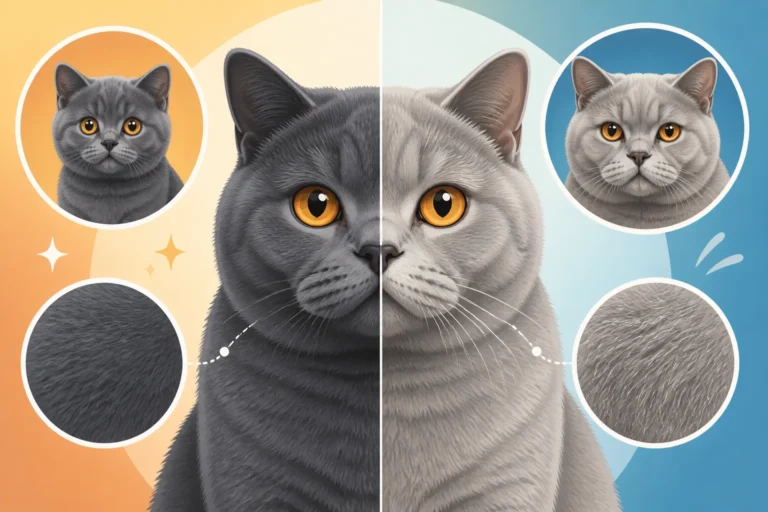
Aging British Shorthair coats experience gradual texture loss, density changes, fading colors, and grey hairs due to natural aging processes.
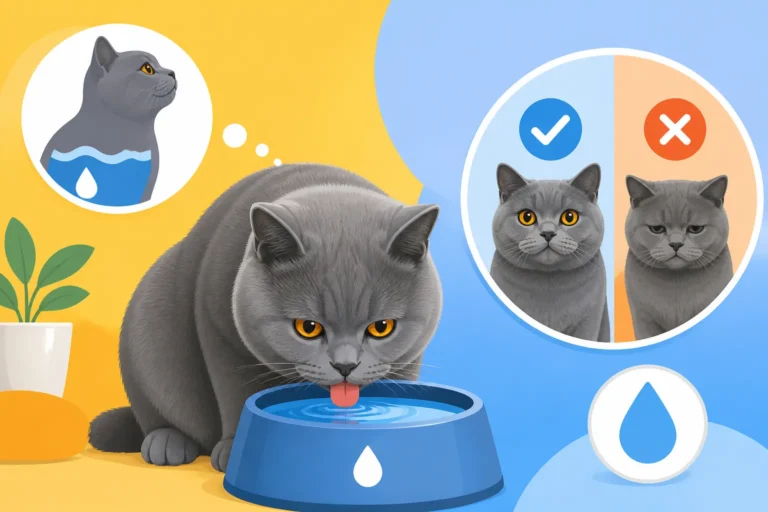
British Shorthair hydration needs, signs of dehydration, and how proper water intake protects kidney and urinary tract health.
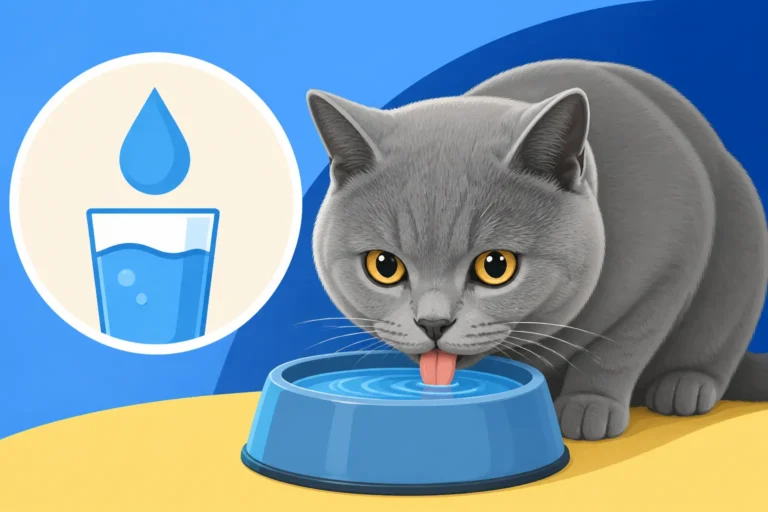
British Shorthair water intake guidelines explain that a ten pound cat needs four to eight ounces daily based on body weight.
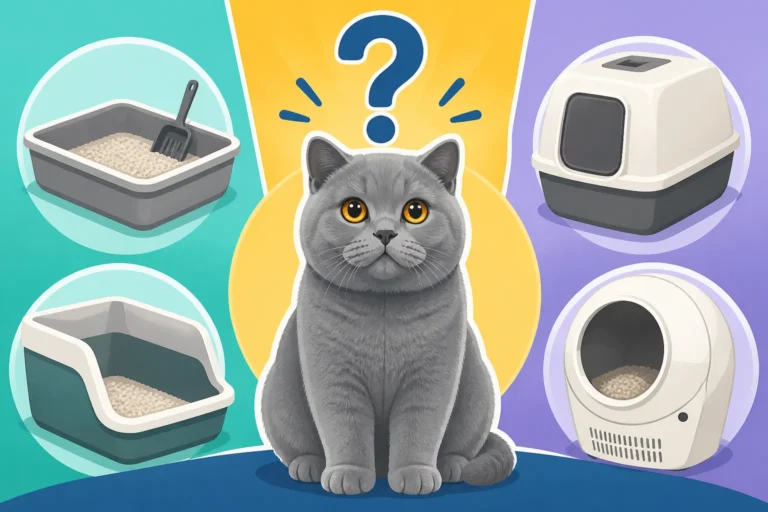
British Shorthair litter box selection requires accommodating their substantial cobby build, calm temperament, and privacy needs properly.
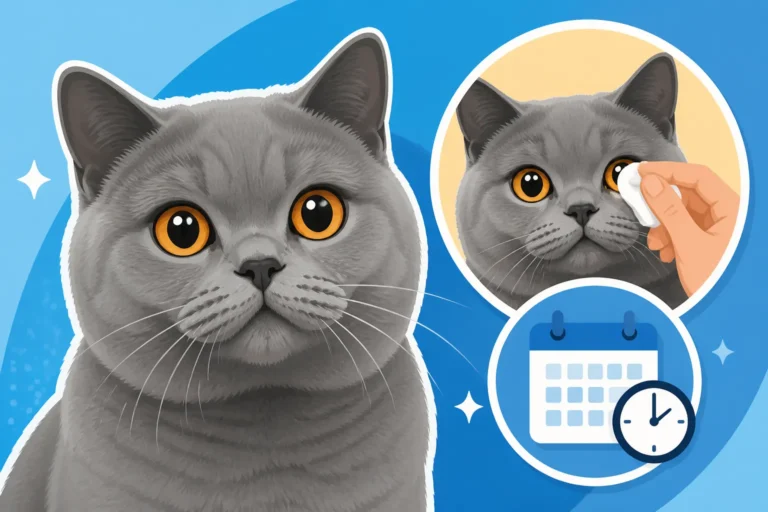
British Shorthair eye wiping frequency depends on their round facial structure, tear ducts, and dust or environmental irritants.
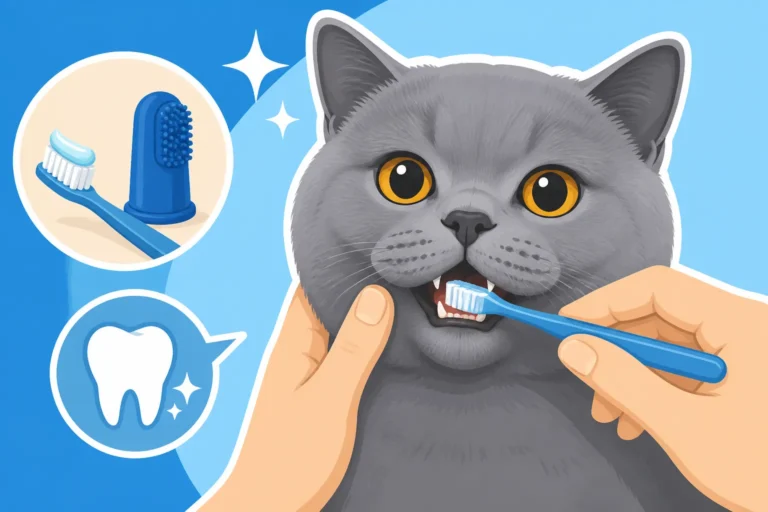
British Shorthair dental hygiene steps explain how owners clean feline teeth to prevent plaque, tartar, and periodontal disease.
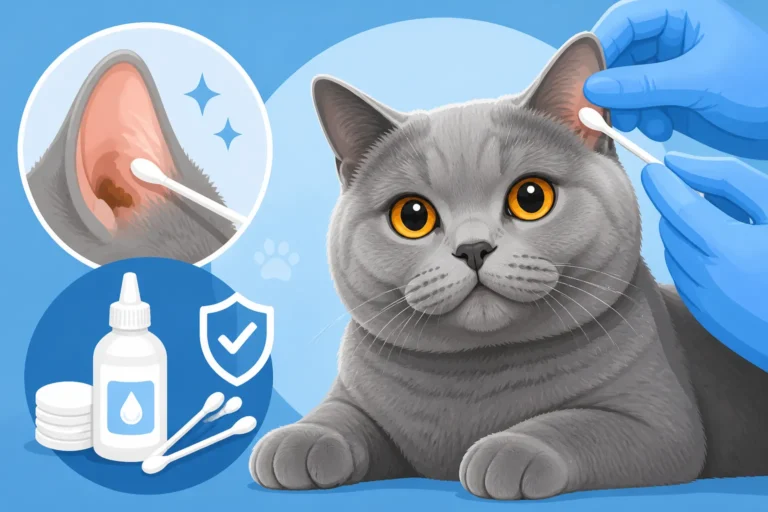
British Shorthair ear cleaning methods help owners safely remove light brown wax and inspect the pale pink pinna without causing pain.
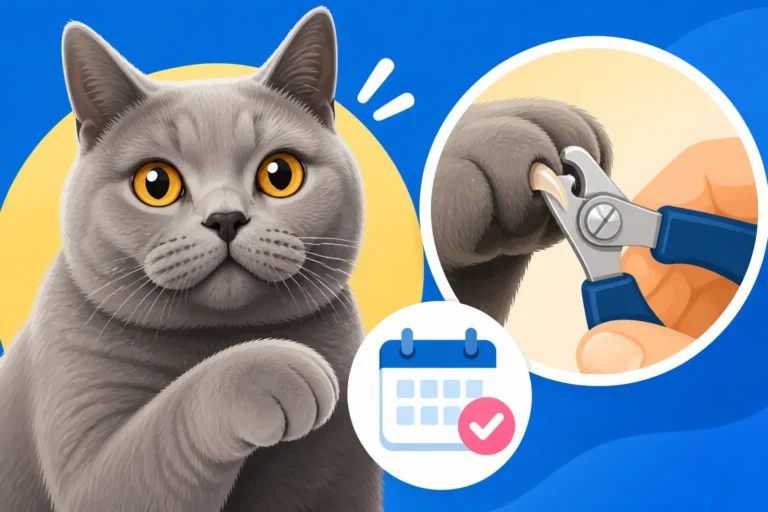
British Shorthair nail trimming schedules and the reasons thick, fast-growing claws require maintenance every two to four weeks.

Neutered male British Shorthair cats and their iconic facial jowls, explaining hormone impacts and realistic expectations.
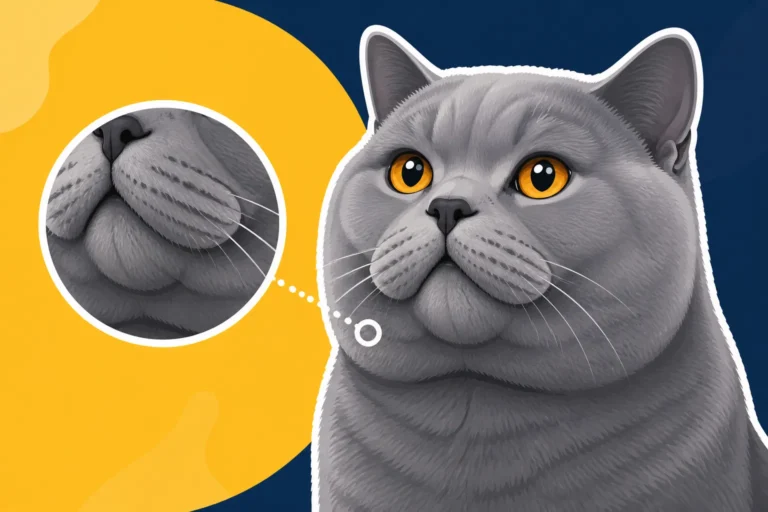
Male British Shorthair jowls are firm facial muscle and bone defining the cobby breed standard, distinct from mere weight gain.