Whether a Grooming Glove Does Anything for a British Shorthair
Grooming glove effectiveness on British Shorthair dense coats is evaluated, explaining how rubber nubs collect loose hair during shedding.
The daily stuff, done right.
Feeding amounts by life stage, coat and skin routines, dental and nail care, exercise needs, and what changes as they age.
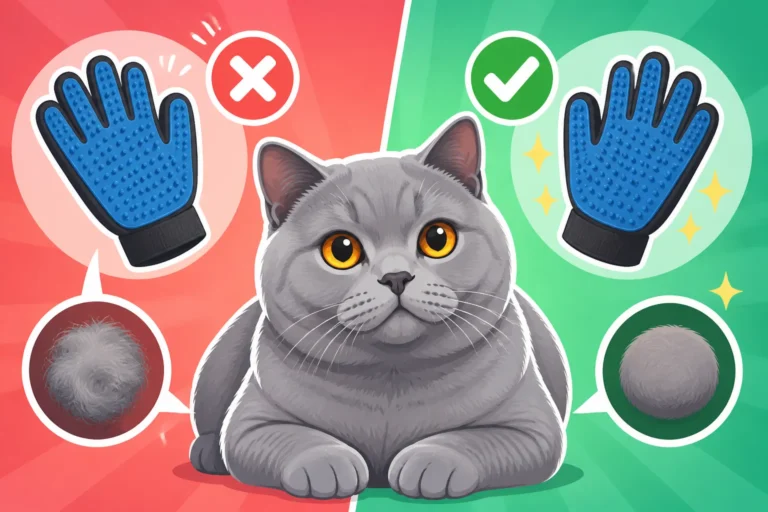
Grooming glove effectiveness on British Shorthair dense coats is evaluated, explaining how rubber nubs collect loose hair during shedding.
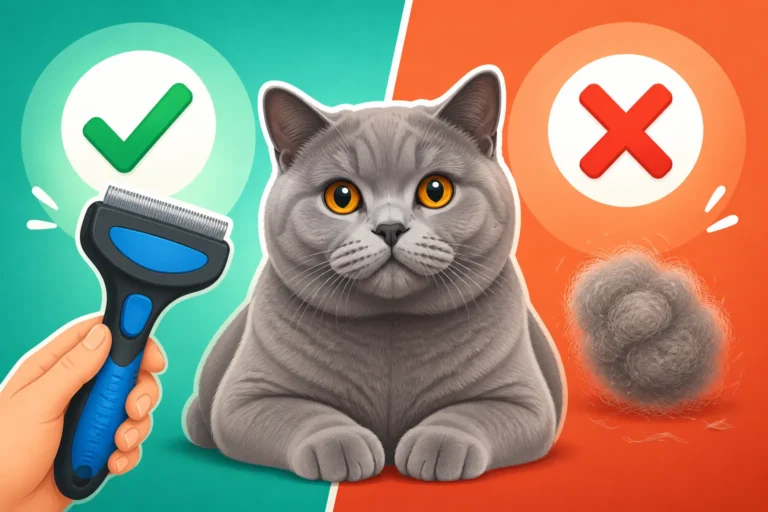
British Shorthair coat anatomy and shedding patterns determine whether aggressive deshedding tools damage plush double coats.
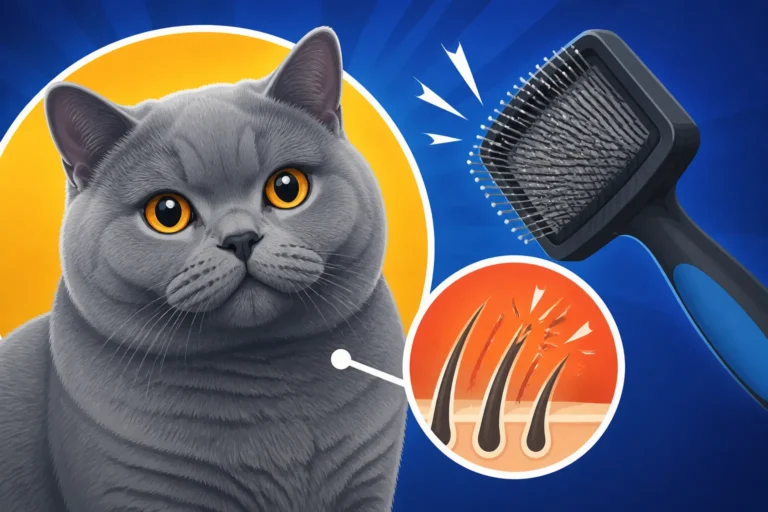
British Shorthair guard hairs break because slicker brushes damage the crisp outer coat and the dense, woolly undercoat.
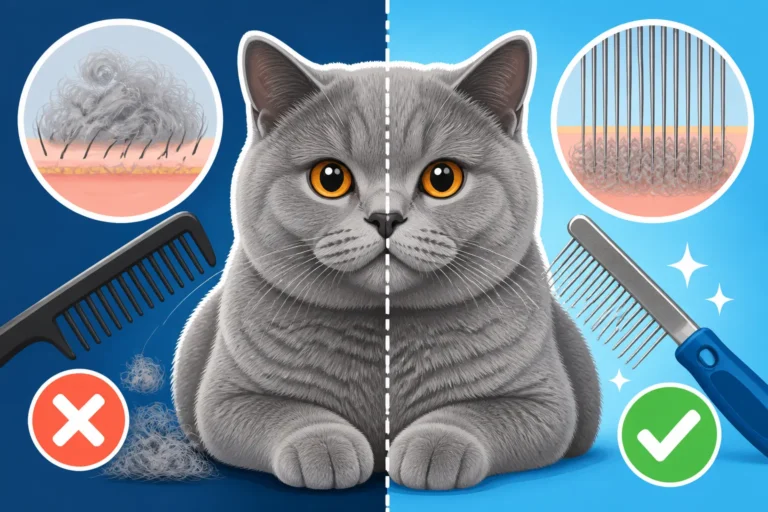
British Shorthair undercoat grooming requires proper combs to penetrate dense fur, remove loose hair, and prevent painful mats.
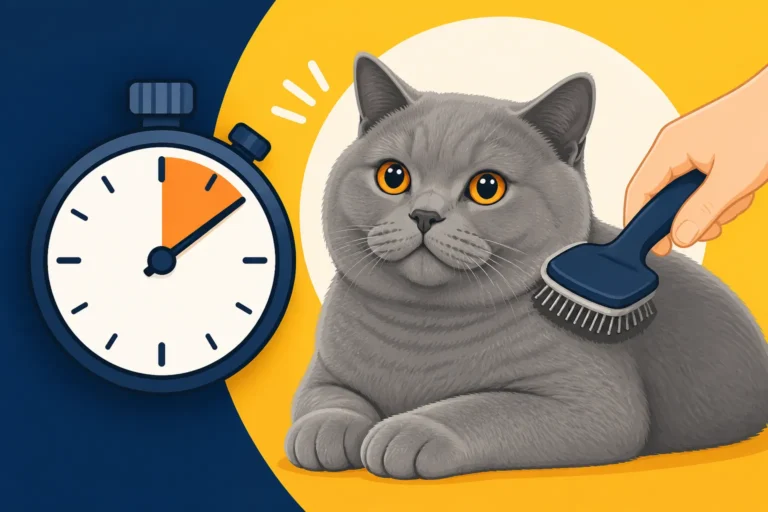
Grooming a British Shorthair cat takes five to twenty minutes depending on the cat cooperation level and dense undercoat.
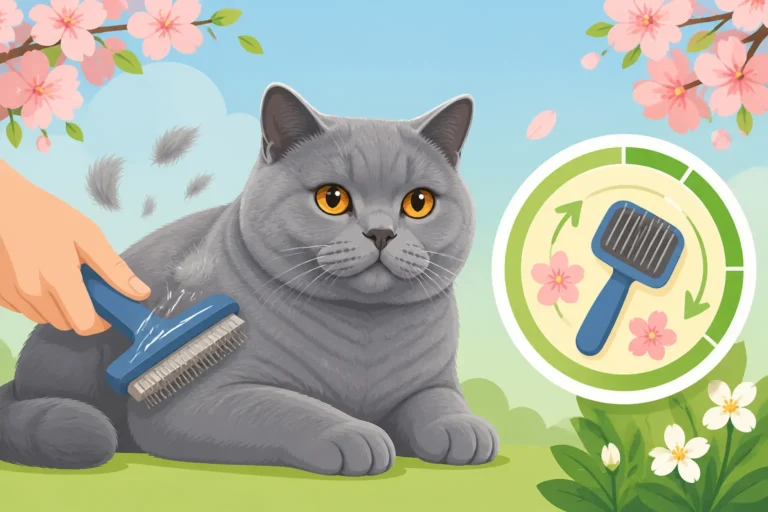
British Shorthair spring shedding schedules and combing frequency help owners manage heavy undercoat loss during seasonal transitions.
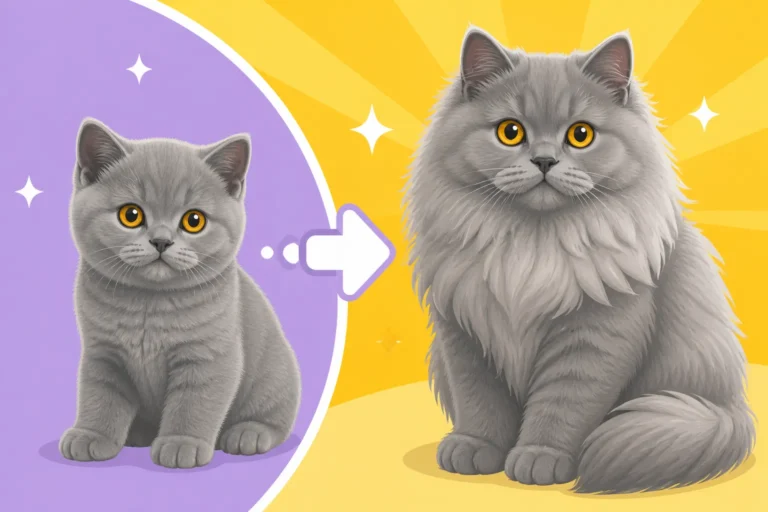
British Shorthair kitten genetics explain how recessive long hair genes produce unexpected longhaired cats in purebred litters.
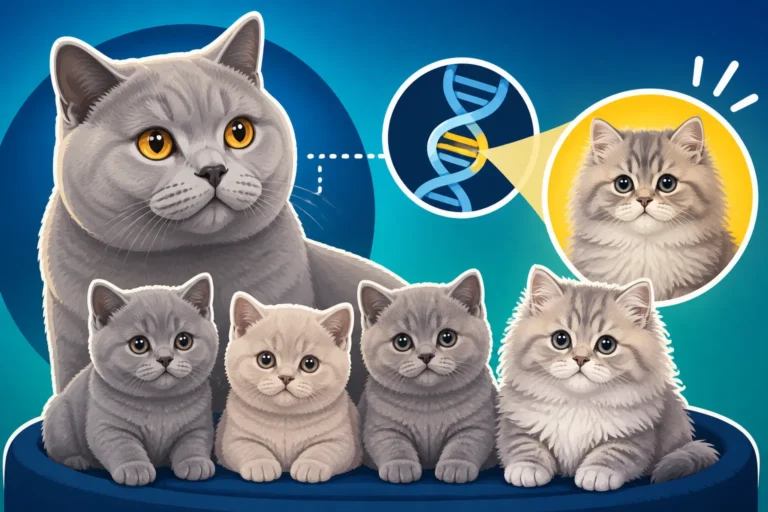
The hidden longhair gene in British Shorthair litters operates through recessive genetics originating from historical outcrossing.
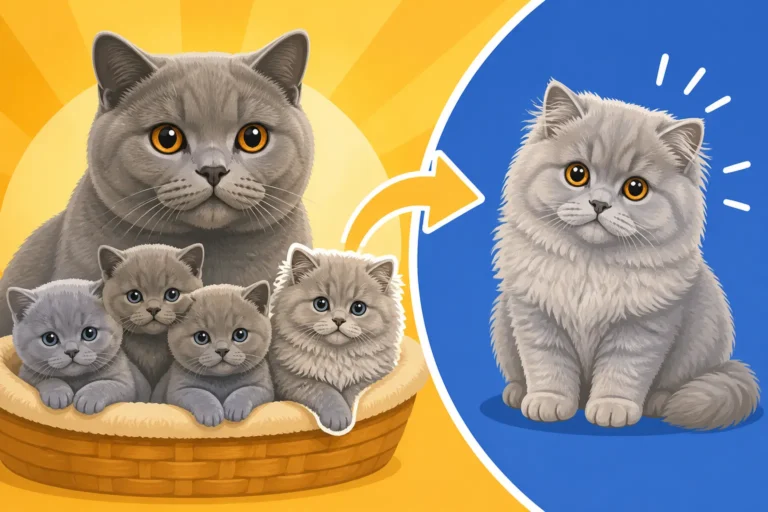
British Shorthair litters can include longhaired kittens because a recessive gene passes secretly through carrier parents.
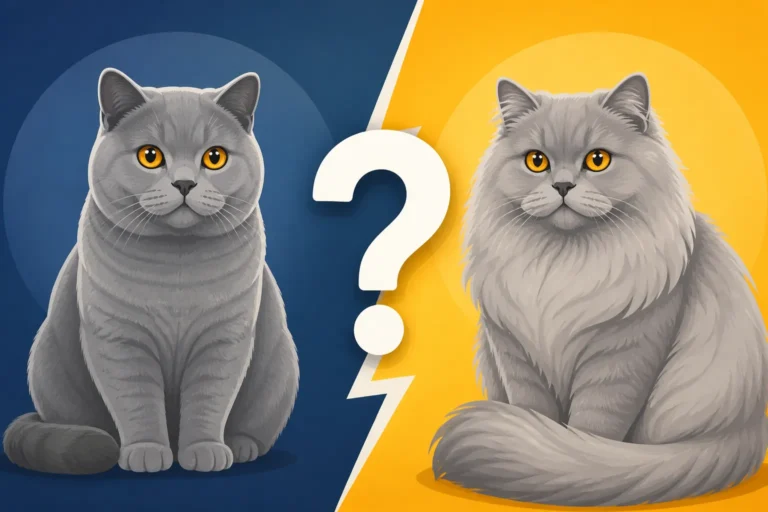
The British Shorthair breed standard and official registry rules explain coat length requirements and historical origins.