Whether a British Longhair Registers as a British Shorthair
British Longhair registration depends on cat registry rules, parent records, and ancestry checks for longhaired kittens.
Is this the right one for you?
Origins and temperament, size and coat, what living with one is actually like, and how it compares to the breeds people weigh against it.
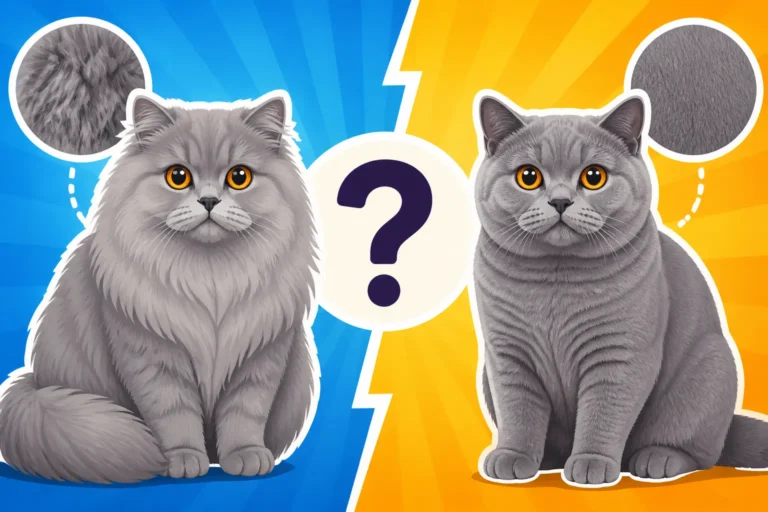
British Longhair registration depends on cat registry rules, parent records, and ancestry checks for longhaired kittens.
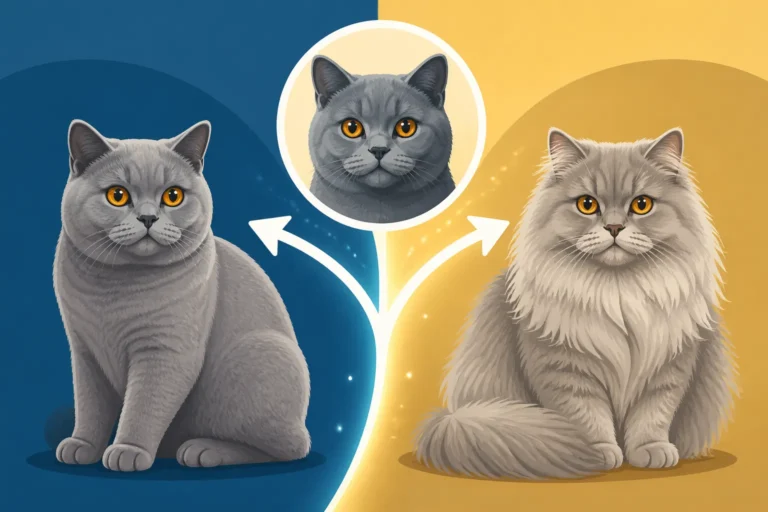
The British Longhair separation from the British Shorthair involves recessive genes, postwar breeding, and registry rules.
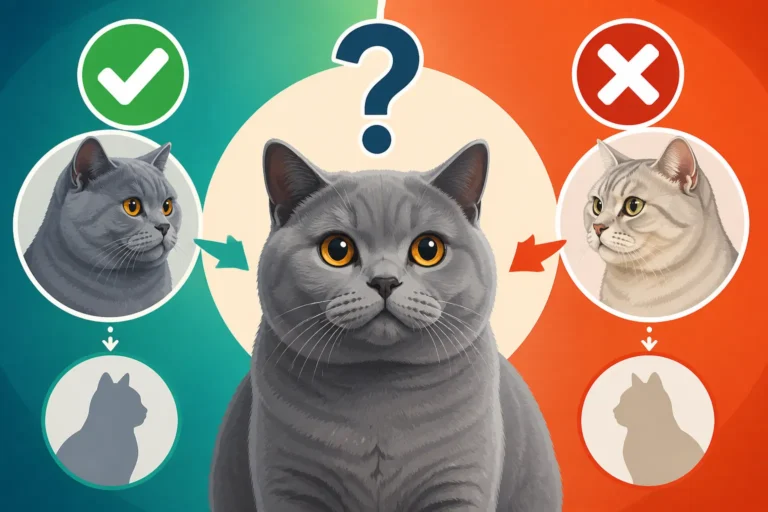
British Shorthair outcrossing rules depend on cat registries, individual organizations, countries, and registration categories.
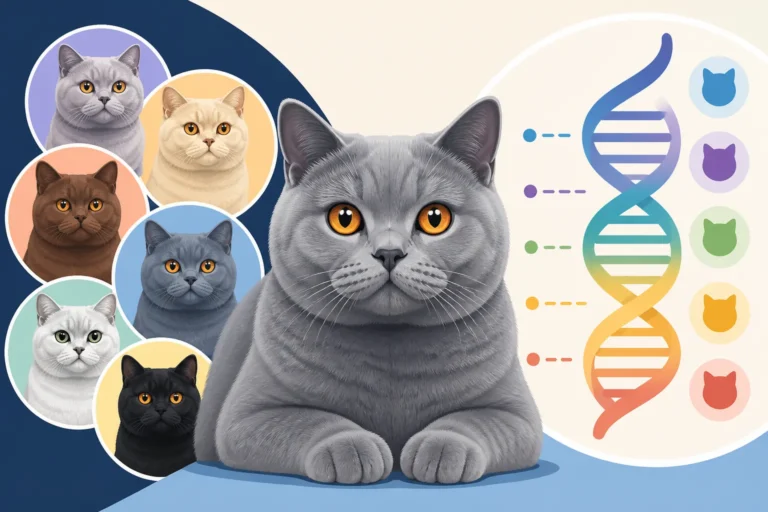
British Shorthair genetic diversity involves population variation, selective breeding history, and health questions buyers can ask breeders.
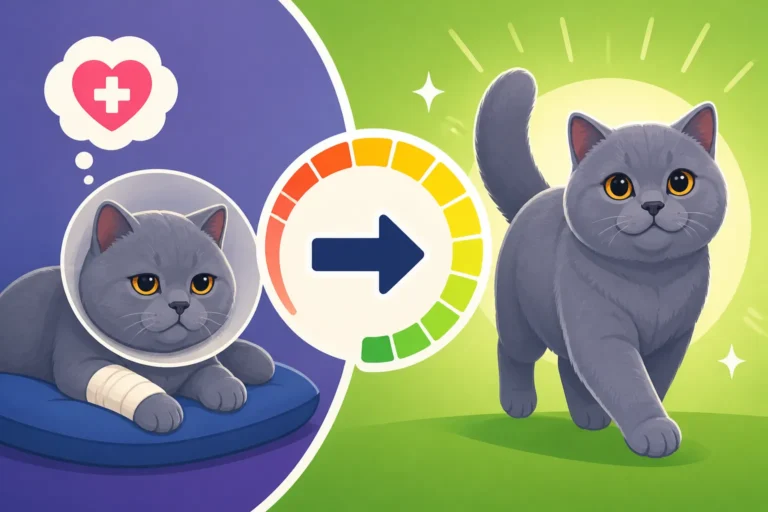
British Shorthair recovery took decades after world wars reduced the gene pool and forced careful outcrossing.
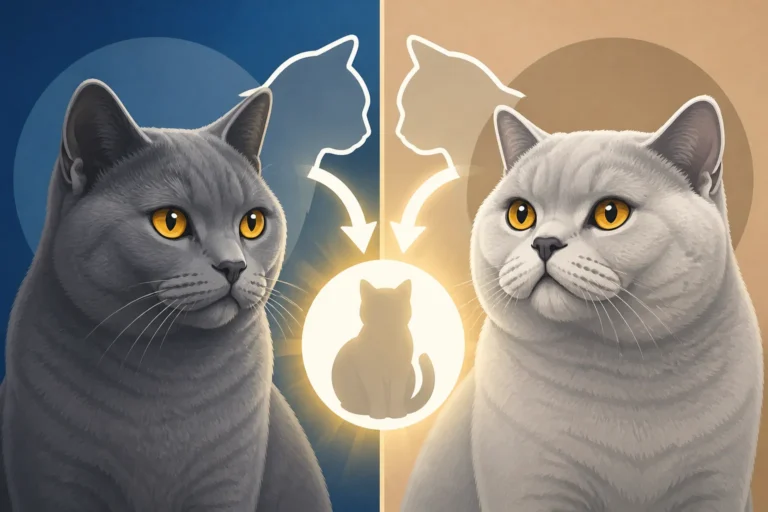
The Chartreux cat history explains postwar British Shorthair recovery, genetic diversity, and distinct breed differences today.
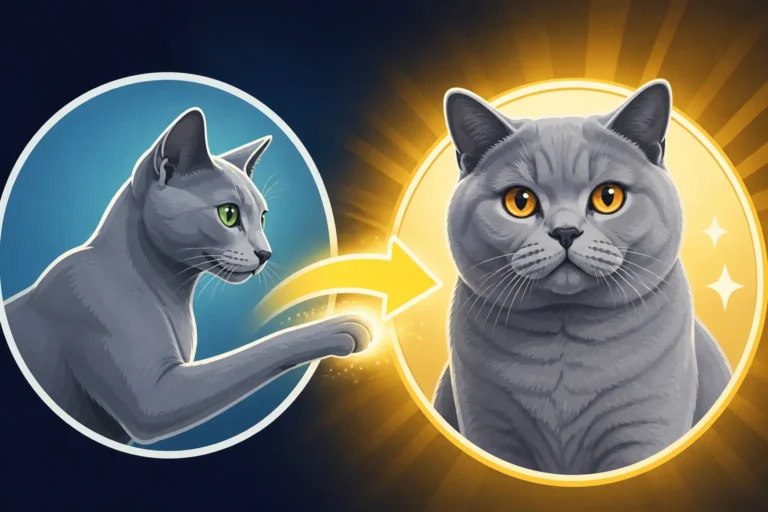
Russian Blue involvement in the British Shorthair recovery involved multiple outcrosses, with Persians playing a visible role.
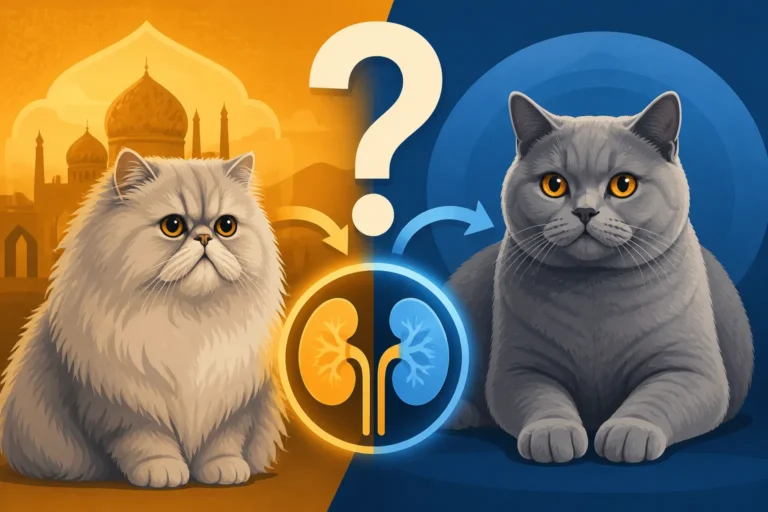
Persian crosses during postwar rebuilding likely introduced polycystic kidney disease into some British Shorthair lines.
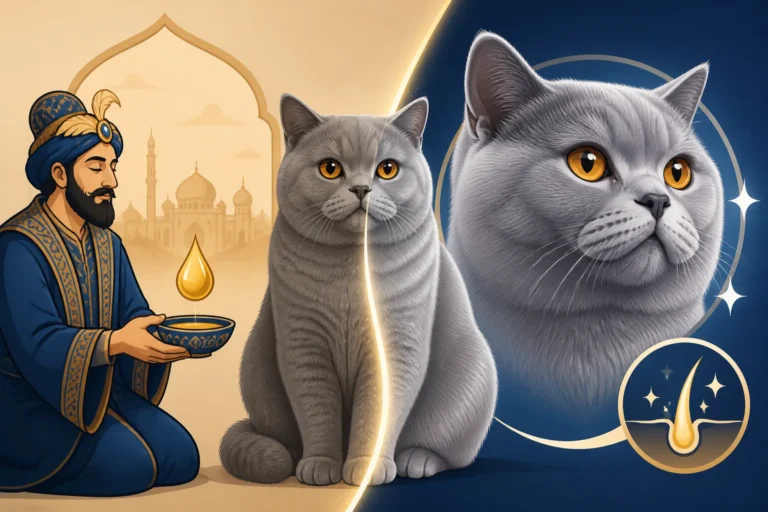
Persian ancestry helped rebuild British Shorthairs after wartime losses, shaping their rounded bodies and introducing a longhair gene.
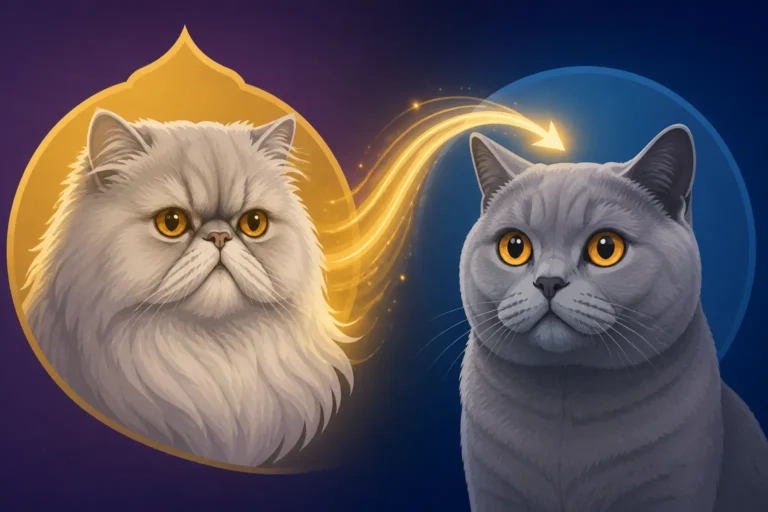
Persian ancestry helped shape the rounded head of the British Shorthair, explaining how postwar breeders restored the breed.