How British Shorthair Kittens Are Hand Reared to Survive
Hand-rearing British Shorthair kittens explains the practical steps to save fading newborns and manage maternal rejection.
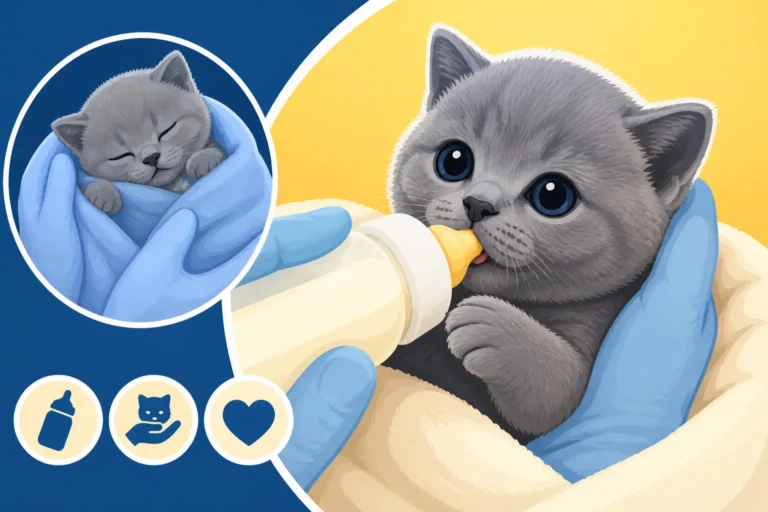
Hand-rearing British Shorthair kittens explains the practical steps to save fading newborns and manage maternal rejection.
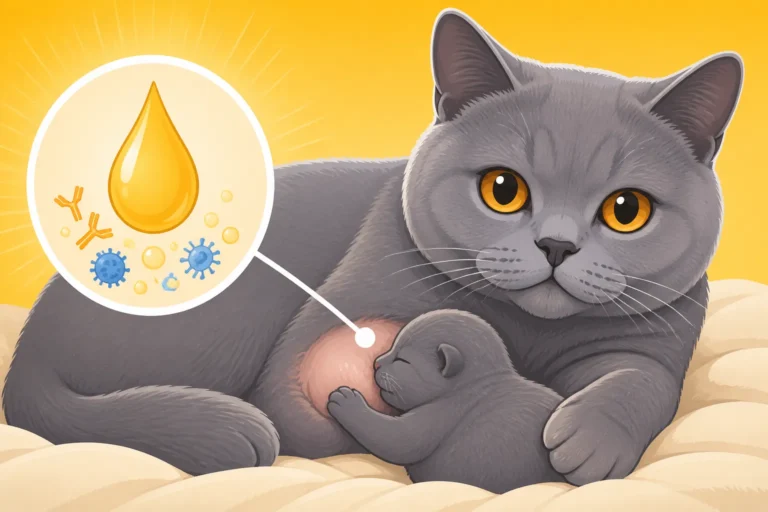
British Shorthair colostrum provides crucial newborn antibodies within twenty-four hours to protect fragile kittens from diseases.
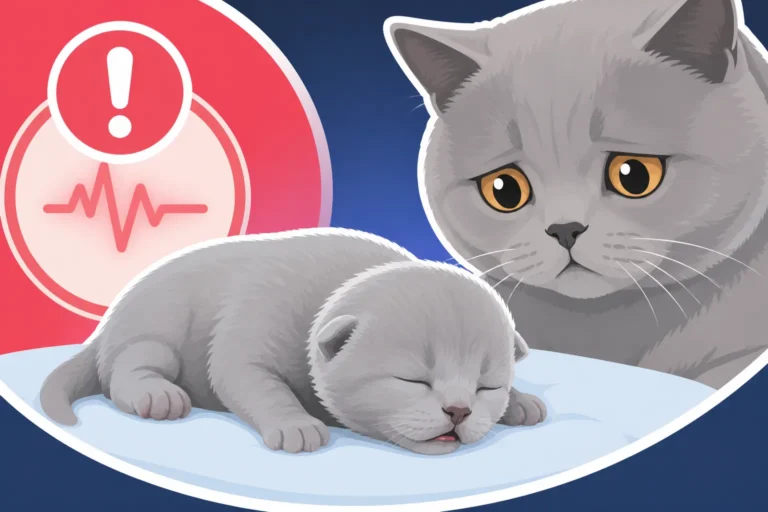
Fading kitten syndrome symptoms and blood type incompatibilities affecting newborn British Shorthair kittens are explained.
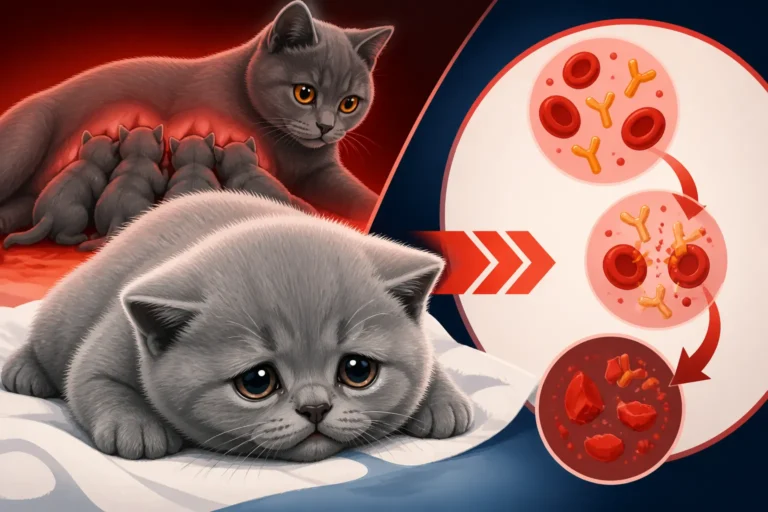
Neonatal isoerythrolysis destroys British Shorthair kitten blood cells when incompatible blood types and mother colostrum clash.
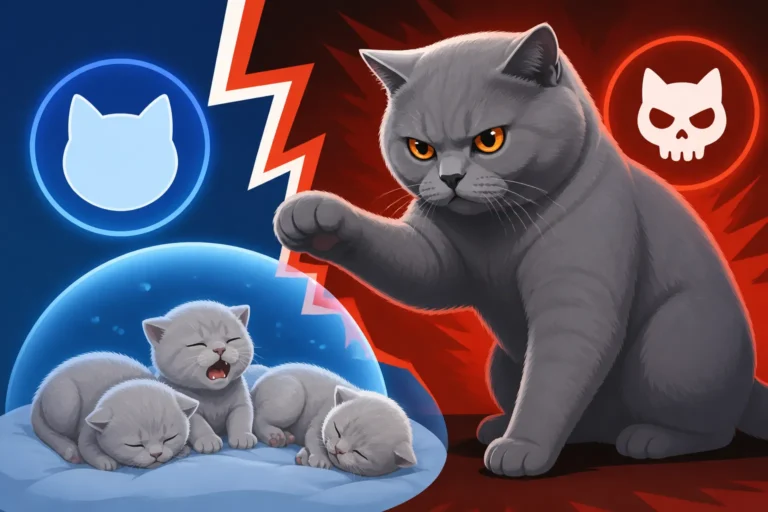
Neonatal isoerythrolysis occurs when a Type B British Shorthair queen nurses Type A kittens, triggering a fatal immune reaction.
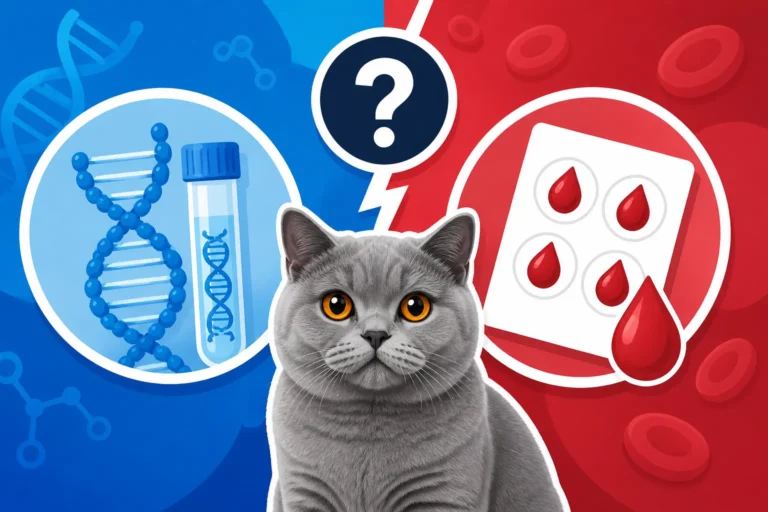
British Shorthair blood type tests use DNA or card methods to determine feline blood types and prevent neonatal isoerythrolysis.
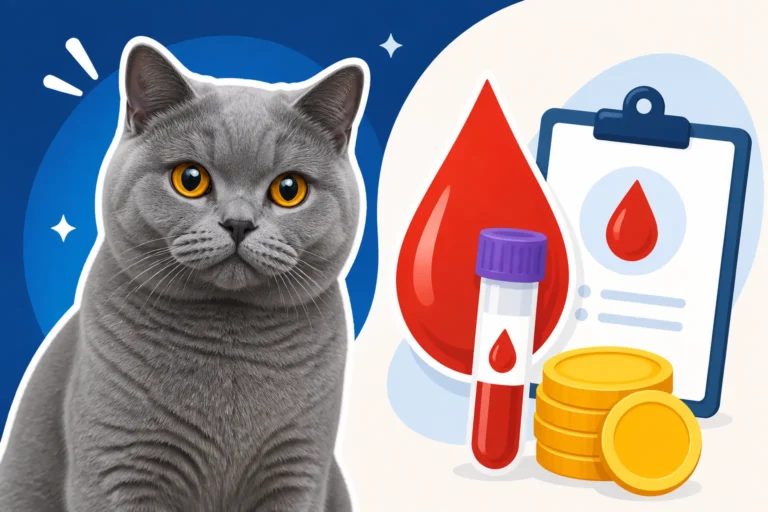
British Shorthair blood type testing costs and methods include rapid in-clinic card tests and laboratory analyses for Type A, B, and AB.
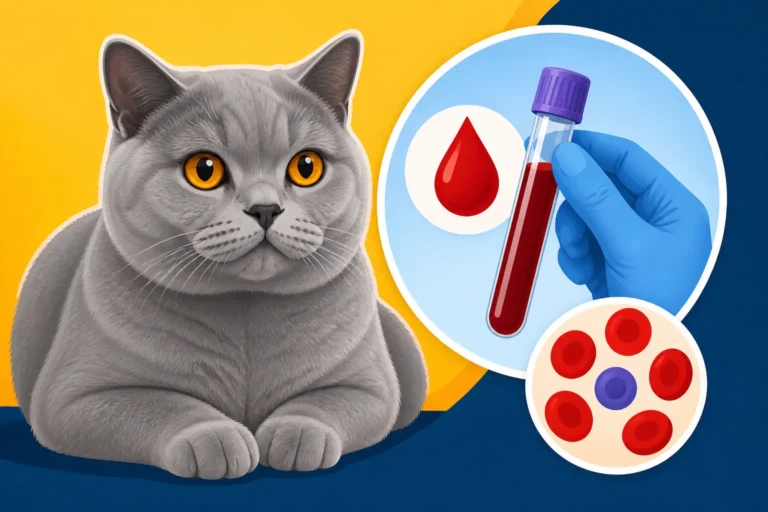
British Shorthair blood typing procedures and compatibility prevent fatal transfusion reactions and neonatal isoerythrolysis in kittens.
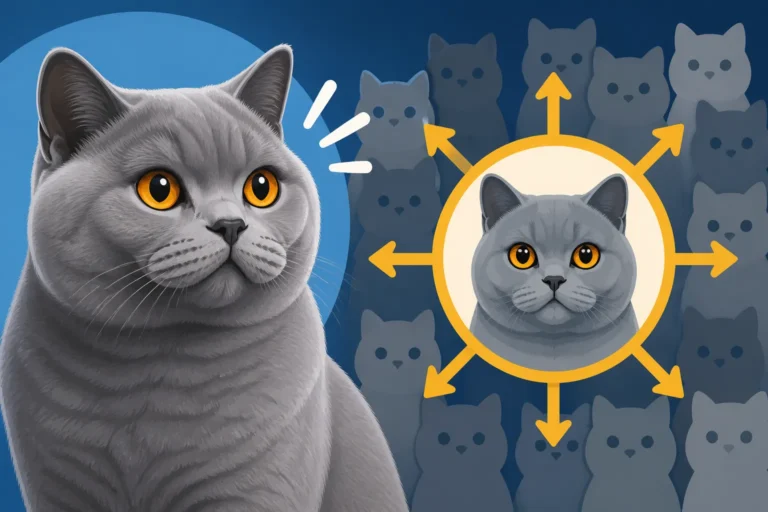
Type B blood prevalence in British Shorthairs causes neonatal isoerythrolysis, a fatal condition in fading newborn kittens.
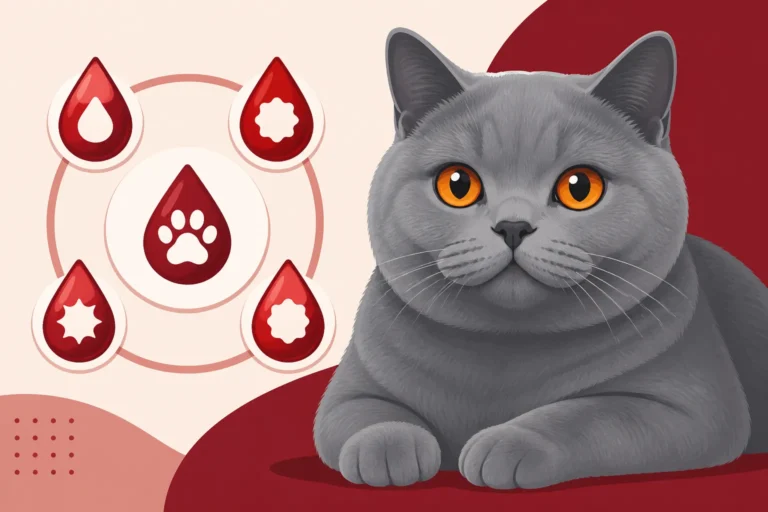
British Shorthair blood types include Type A, Type B, and the rare Type AB, which determine transfusion safety and prevent neonatal isoerythrolysis.