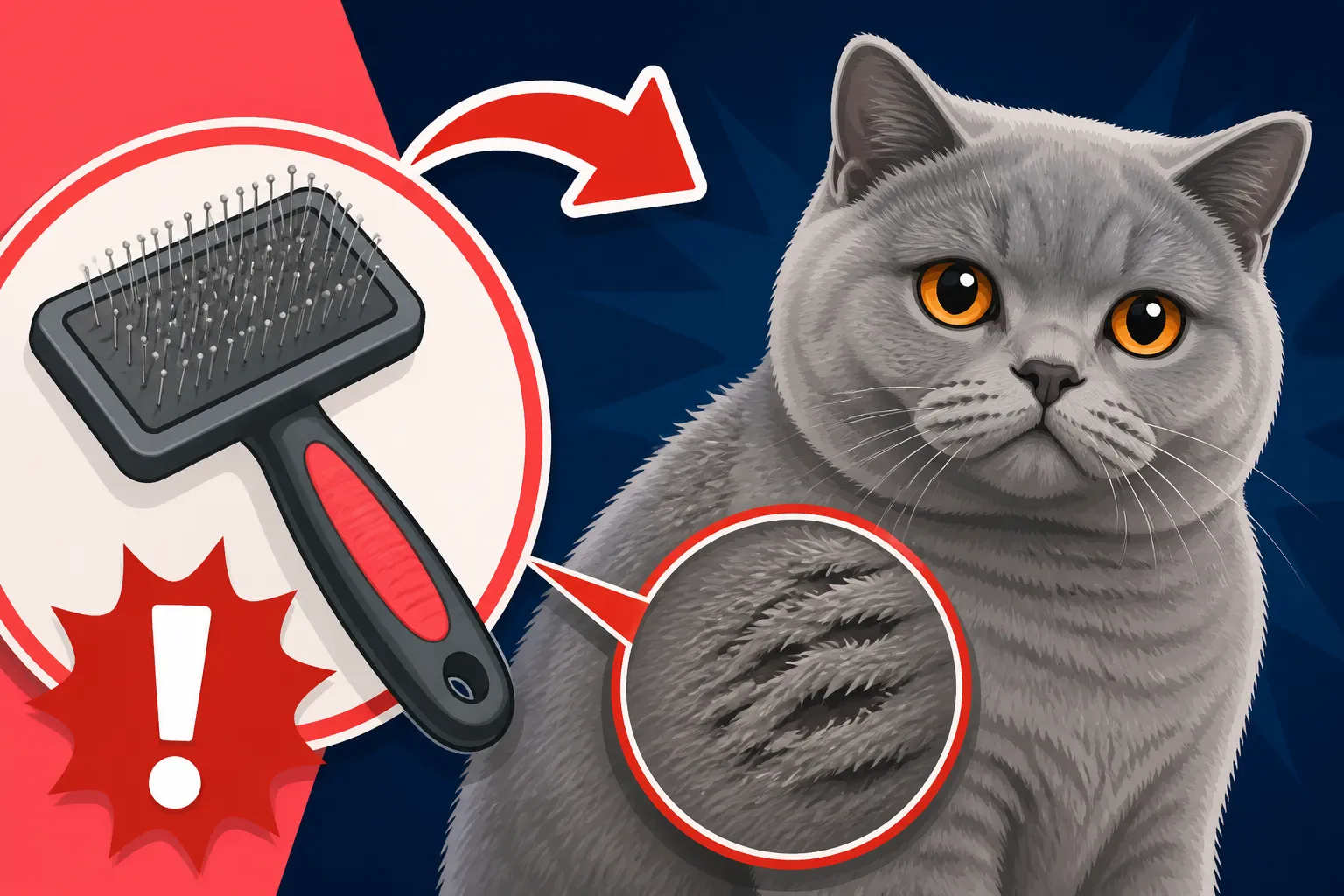
Why a Slicker Damages a British Shorthair’s Coat
It's a common, heartbreaking mistake many new British Shorthair owners make: reaching for that slicker brush, the one that worked wonders on their previous fluffy companion. They see the thick, dense coat of their British Shorthair and assume it needs a heavy-duty brush to get through it, only to find their cat's beautiful, crisp fur starts looking dull, broken, and sometimes even sparse. This guide is here to unravel why that popular slicker brush is actually an enemy to your British Shorthair's unique coat and what you should be using instead to keep them looking their absolute best.
Understanding the British Shorthair Coat
The British Shorthair boasts one of the most distinctive and beautiful coats in the feline world. It's not just "fur"; it's a highly evolved protective layer that gives them their iconic teddy bear appearance. Understanding its structure is the first step in caring for it correctly and avoiding tools that can cause more harm than good.
The Double Coat and Its Density
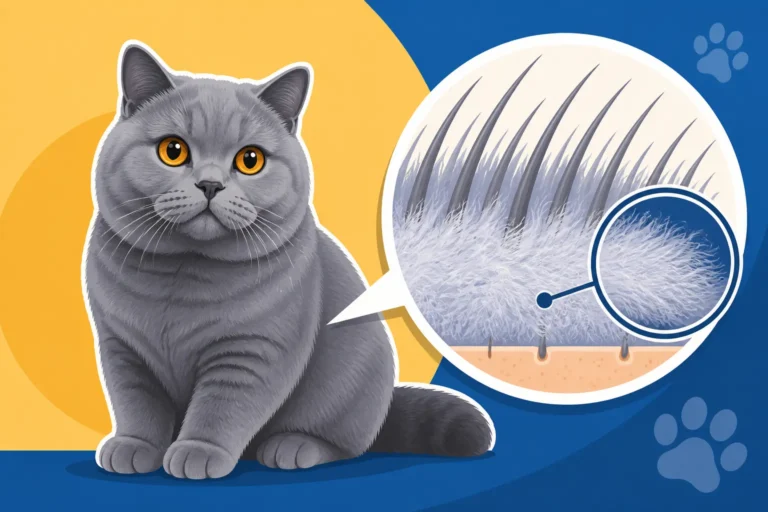
Unlike many other breeds with single coats or silky, flowing fur, the British Shorthair has a true double coat. This means they have two distinct layers of hair working in tandem. The outer layer consists of guard hairs, which are slightly coarser and provide protection from the elements, giving the coat its 'crisp' feel and holding it away from the body. Beneath this, there's a very dense, soft undercoat, almost like fine wool. This undercoat is what provides insulation, keeping them warm in colder climates and cool in warmer ones.
The sheer density of this undercoat is what often surprises new owners. It's incredibly thick, especially around the neck and flanks, contributing to their robust, cobby appearance. You can often try to part the fur and find it springs back immediately, a testament to its plushness and resilience. This density, however, also means that if not groomed properly, the undercoat can easily trap loose hairs, leading to mats and tangles deep within the layers, where they aren't immediately visible.
The Unique "Crisp" Texture and Guard Hairs
One of the most defining characteristics of a healthy British Shorthair coat is its "crisp" texture. This isn't a harsh or wiry feel, but rather a firm, resilient quality that causes the fur to stand erect, away from the body. It’s what gives them that rounded, plush look, almost like a freshly brushed velvet cushion. This crispness is largely due to the strength and structure of those guard hairs. They are designed to be straight and sturdy, not fine and delicate.
These guard hairs are the first line of defense, repelling dirt and moisture and preventing the softer undercoat from becoming matted too easily. When you run your hand against the grain of a British Shorthair's coat, you can truly appreciate this unique texture and how it springs back into place. Any grooming tool that disrupts or breaks these guard hairs will inevitably compromise the integrity and appearance of the entire coat, turning that desired crispness into a soft, flattened, or even frizzy mess.
How the Coat Protects Your Cat
Beyond aesthetics, the British Shorthair's thick, dense double coat serves several vital protective functions. Firstly, it offers excellent insulation, acting as a natural buffer against both cold and heat. This is a legacy of their origins in the often-chilly British Isles, where a robust coat was essential for survival. It helps regulate their body temperature, ensuring they stay comfortable in varying conditions. Why a British Shorthair's Dense Coat Suited the Climate explores this more.
Secondly, the coat acts as a physical barrier. The closely packed hairs and the slightly coarser guard hairs deter minor scratches, bumps, and even insect bites. It's a natural suit of armor that keeps their delicate skin protected. Furthermore, the standing-away nature of the coat means that dirt and debris often sit on the surface rather than penetrating deep down to the skin, making them relatively easy to keep clean with the right grooming routine. Undermining this natural protection with improper tools can leave their skin more vulnerable and exposed. What a British Shorthair's Coat Is Like goes into further detail about its characteristics.
How a Slicker Brush Works and Why It Fails
Slicker brushes are ubiquitous in the pet grooming world, and for good reason—they're fantastic for many breeds. However, understanding their design reveals precisely why they are ill-suited for the unique British Shorthair coat.
The Design of a Slicker Brush
A typical slicker brush is characterized by a rectangular or square head covered in numerous fine, short wires or pins. These pins are usually angled and packed very closely together. The idea behind this design is to allow the pins to penetrate deep into dense fur, grabbing and removing loose undercoat and detangling knots, especially in breeds with long, flowing, or very soft, fluffy coats. When you run a slicker brush through a long-haired dog or a cat with a very fine undercoat, those pins effectively "slick" through the fur, pulling out dead hair and separating strands without causing much friction or breakage.
The tips of these pins can sometimes be coated with a tiny plastic or rubber ball, but often they are simply bare metal. This design is crucial for reaching the deepest layers of fur. For breeds with appropriate coats, this works brilliantly to reduce shedding and prevent matting. But here's the rub: what works for one coat type can be devastating for another, and the British Shorthair's coat is a prime example of this paradox.
Why It's Great for Other Breeds, Not British Shorthairs
Think about a Persian or a Ragdoll with their long, flowing, often silky coats. A slicker brush can gently work through their extensive fur, removing shed hairs and preventing large mats from forming. It's also excellent for many dog breeds like Poodles, Shih Tzus, or Golden Retrievers, where it helps to detangle and fluff up their softer, often curly or wavy coats. The fine pins can navigate through these hair types, collecting loose hair and straightening out snags without much resistance.
The goal with these breeds is often to create volume, detangle long strands, or manage a fine, silky undercoat. For these tasks, the slicker brush excels. It lifts the coat, removes superficial debris, and leaves the fur looking smooth and well-maintained. The problem arises when you apply this tool to a coat that fundamentally differs in texture, density, and structure – a coat that isn't meant to be "slicked" or fluffed in the same manner. This is where the British Shorthair's coat distinctively parts ways with those ideal for a slicker brush.
The Incompatibility with the British Shorthair Undercoat
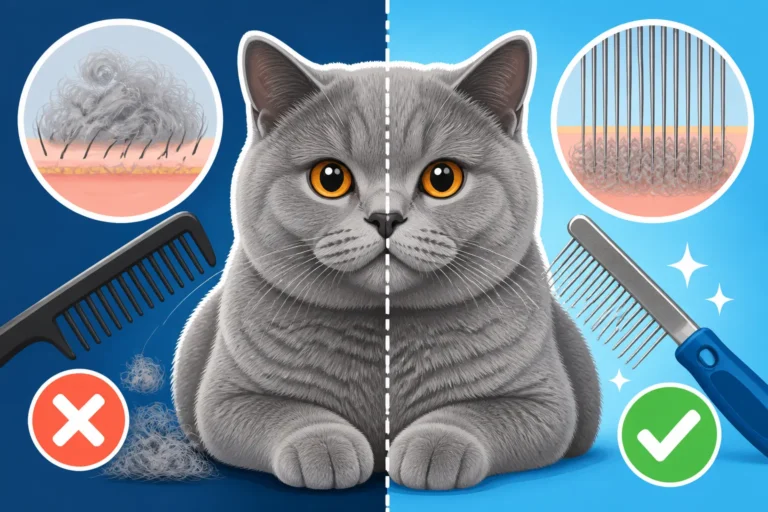
The British Shorthair's undercoat is not fine and wispy like a Persian's; it's incredibly dense and woolly, designed to stand firm. When you use a slicker brush on this type of undercoat, those closely packed, angled pins don't glide through smoothly. Instead, they catch, pull, and tear at the delicate undercoat hairs, often breaking them rather than gently removing them. Moreover, the strong guard hairs that give the British Shorthair its characteristic "crisp" feel are completely at odds with a slicker brush's design. The pins aggressively rake against these guard hairs, stripping them of their natural protective quality and often breaking them off entirely.
Imagine trying to comb through a very dense, springy wool blanket with a fine-toothed metal rake. You wouldn't be gently removing loose fibers; you'd be tearing at the fabric, damaging its integrity. That's essentially what a slicker brush does to a British Shorthair. It simply cannot penetrate the dense undercoat without causing undue friction and pulling, leading to discomfort for your cat and damage to their beautiful fur. This incompatibility is the root of all the problems associated with using this brush type on a British Shorthair.
The Damage a Slicker Brush Inflicts
Using the wrong grooming tool isn't just ineffective; it can cause significant, visible damage to your British Shorthair's coat and even their skin. The immediate and long-term consequences of using a slicker brush are numerous and often distressing for owners once they realize what's happening.
Breaking Guard Hairs and Softening the Coat
Perhaps the most prominent and immediate damage caused by a slicker brush is the breaking of the British Shorthair's distinctive guard hairs. These are the thicker, slightly stiffer hairs that give the coat its "crisp" texture and make it stand away from the body, creating that plush, rounded silhouette. The fine, rigid wires of a slicker brush act like tiny razors or hooks, snagging and snapping these crucial guard hairs. The result? That beautiful, resilient texture is lost.
When the guard hairs are broken, the coat loses its ability to stand erect, often appearing flattened, dull, and lifeless. Instead of the desired crispness, it feels soft, almost fluffy, but not in a healthy way. It becomes prone to static and can even develop a frizzy appearance as the damaged hairs scatter light rather than reflecting it smoothly. This transformation takes away a significant part of what makes a British Shorthair's coat so special and can make it look unkempt despite your grooming efforts. Why a British Shorthair's Coat Feels Crisp is fundamentally compromised.
Causing Skin Irritation and Brush Burn
Beyond the hair itself, a slicker brush poses a significant risk to your British Shorthair's delicate skin. The closely packed, stiff pins are not designed to glide gently over skin, especially if applied with any pressure. Because the brush struggles to penetrate the dense undercoat, owners often apply more force, thinking they need to "dig in" to get to the shed hair. This can lead to what's known as "brush burn."
Brush burn manifests as red, irritated patches of skin, sometimes even small abrasions or scratches. It can be incredibly painful for your cat and leave their skin vulnerable to infection. Even if there are no visible lesions, the constant scraping and pulling can cause chronic irritation, leading to itchiness, excessive licking, and hot spots. Imagine being repeatedly scraped with a stiff wire brush – that's the sensation your cat might be enduring. This discomfort can turn grooming into a highly stressful and negative experience, making your cat dread future sessions.
Contributing to Matting and Felted Undercoat
Ironically, a tool often used to prevent mats can actually cause or worsen them in a British Shorthair. When a slicker brush breaks the guard hairs, it creates a much softer, less structured coat that is more prone to tangling and matting. The broken hairs, no longer standing crisply, lie flat and interlock, forming felted patches. Furthermore, because the slicker brush struggles to effectively remove the dense undercoat without breaking it, it can push loose undercoat deeper into the coat rather than pulling it out.
This unremoved, broken undercoat then compacts and forms dense, painful mats, particularly in areas like the armpits, behind the ears, and around the tail. These mats are not just cosmetic issues; they pull at the skin, restrict movement, and can become breeding grounds for bacteria and parasites. If neglected, severe matting can necessitate professional grooming, sometimes even shaving the affected areas, which is a drastic and often stressful procedure for any cat, let alone a calm British Shorthair. Proper tools are essential to prevent this. How Much a British Shorthair Sheds explains the underlying issue.
The Right Tools for British Shorthair Grooming
So, if a slicker brush is out, what should you be using? The good news is that caring for a British Shorthair's coat isn't complicated once you have the right arsenal of tools. It's about working with their coat, not against it.
The Magic of a Wide-Toothed Metal Comb
For a British Shorthair, your absolute best friend in grooming will be a good quality, wide-toothed metal comb. I can't stress this enough. This is the MVP of British Shorthair coat care. Look for one that has teeth of varying lengths or a comb with both wide and medium-spaced teeth on different sides. The key is that the teeth are smooth, rounded, and spaced far enough apart to glide through their dense fur without snagging or pulling.
When you use a metal comb, it works by separating the hair strands and allowing loose undercoat to be gently lifted out without damaging the guard hairs. Start with the wider-spaced teeth to get through the thickest parts of the coat, then switch to slightly finer teeth if needed for a more thorough job. Always comb gently, working section by section. You'll be amazed at how much loose fur these combs can remove, drastically reducing shedding around your home and preventing mats. Brands readily available on sites like Chewy or Amazon offer excellent options for these types of combs. Which Comb a British Shorthair Needs is a must-read for selecting the right one.
Deshedding Tools: Use with Caution
Deshedding tools, like those famously manufactured by FURminator, can be a useful addition, but they require a very light touch and careful technique on a British Shorthair. These tools are designed with a fine, blade-like edge that gently pulls out loose undercoat. The "caution" here is paramount: overuse or heavy-handed application can still damage the guard hairs, much like a slicker brush, though generally to a lesser degree if used correctly.
When considering a deshedding tool for your British Shorthair, opt for one specifically designed for cats with short, dense coats. Use it sparingly, perhaps once a week during peak shedding seasons like spring and autumn, and always follow up with your wide-toothed metal comb. The goal is to remove dead undercoat, not to cut or strip the healthy outer coat. If you find your cat's coat looking fuzzy or sparse after using it, you might be applying too much pressure or using it too frequently. Always read the instructions carefully, and if in doubt, consult a professional groomer familiar with British Shorthairs.
Grooming Gloves and Rubber Brushes
For daily upkeep, or for cats who are a bit sensitive to combs, grooming gloves and rubber brushes (like those made by Kong or ZoomGroom) can be a gentle alternative. These tools typically have soft rubber or silicone nubs that massage the skin while gathering loose hairs. They're excellent for stimulating circulation, distributing natural oils, and removing surface-level loose fur and dander.
While they won't penetrate deep into the dense undercoat like a metal comb, they're fantastic for a quick pass-over, particularly for cats who enjoy the sensation. They can help keep the coat shiny and reduce the amount of hair floating around the house between more intensive combing sessions. Plus, many cats find them incredibly soothing, turning grooming into a pleasant bonding experience rather than a chore. They're widely available and often quite affordable, making them a great starting point for younger or more hesitant cats.
Proper Grooming Techniques for a British Shorthair
Having the right tools is only half the battle; knowing how to use them effectively and gently is just as important. British Shorthairs generally aren't high-maintenance in the grooming department, but a consistent, correct approach will make all the difference.
Establishing a Routine and Positive Association
The key to successful grooming with any cat, especially a British Shorthair, is consistency and positive reinforcement. Start grooming sessions when your cat is relaxed, perhaps after a meal or a nap. Keep early sessions short – just a few minutes – and gradually increase the duration as your cat becomes more comfortable. Always use gentle strokes. If your cat shows signs of discomfort or tries to escape, stop immediately and try again later. Never force them or make grooming a punishment.
Associate grooming with positive things. Offer a small, healthy treat during or immediately after a session. Praise them softly, and make the experience as calm and reassuring as possible. The goal is for your British Shorthair to see the comb as a pleasant interaction, not a dreaded ordeal. Over time, this positive association will make grooming much easier for both of you. How Often a British Shorthair Needs Combing gives a good guide for frequency.
Sectioning the Coat for Effective Combing
Due to the extreme density of the British Shorthair's coat, you can't just run a comb over them haphazardly and expect to get all the loose undercoat. Effective grooming involves sectioning the coat, much like a hairdresser sections human hair. Start by gently laying your cat on its side or encouraging them to relax. Begin at one end of their body, perhaps a flank, and gently part the fur with your hand.
Work in small sections, combing downwards from the skin outwards, being careful not to scratch their skin with the comb's teeth. Pay particular attention to "hot spots" for matting: behind the ears, under the chin, in the armpits, and around the "britches" (the fur on their hind legs). Hold the fur at the base near the skin with one hand while you comb with the other; this minimizes pulling on the skin and makes the process more comfortable. Gradually work your way across their body, making sure to get every area. Remember, slow and steady wins the race here.
Dealing with Seasonal Shedding
British Shorthairs, like most double-coated breeds, experience seasonal "coat blows" – periods of heavier shedding, typically in spring and autumn. This is when their bodies adjust their coat density for the upcoming weather. During these times, your regular grooming routine will need to intensify. Instead of combing once or twice a week, you might find yourself needing to comb daily or every other day.
This increased frequency is crucial to prevent the massive amount of shed undercoat from forming mats or simply accumulating all over your home. Be extra patient and persistent during these periods. While a deshedding tool might be cautiously introduced during these peak times, your wide-toothed metal comb remains your primary weapon. Regular combing during a coat blow not only keeps your cat comfortable and mat-free but also significantly reduces the amount of fur they ingest, which in turn helps prevent hairballs. When a British Shorthair Blows Its Coat is a helpful resource here.
Recognizing and Recovering From Coat Damage
Sometimes, despite our best intentions, damage occurs, either from using the wrong tools or from a period of neglect. Recognizing the signs of a compromised British Shorthair coat and knowing how to rehabilitate it is essential for their health and comfort.
Identifying a Damaged British Shorthair Coat
A healthy British Shorthair coat is plump, dense, and springs back crisply when touched. It has a slight sheen but isn't overly glossy. If your cat's coat has been subjected to improper grooming, you'll start to notice several tell-tale signs. The most obvious is a loss of that characteristic crispness; the fur will feel softer, flatter, and may appear dull or even frizzy. You might see broken guard hairs, especially if you look closely at the ends of the fur.
Another sign is excessive shedding of short, broken hairs, indicating that the coat is being torn rather than naturally releasing shed undercoat. Skin irritation, redness, or even small scabs might be visible if you part the fur. You might also notice an increase in matting, particularly tight, felted knots close to the skin, as the damaged hairs lose their protective structure and intertwine. If your cat becomes reluctant to be groomed, that's often a strong indicator of discomfort and potential underlying damage.
Steps to Rehabilitate a Compromised Coat
Recovering a damaged coat takes time and patience, but it's absolutely possible. The first and most crucial step is to immediately cease using the offending tool, especially slicker brushes. Replace it with a high-quality, wide-toothed metal comb. Next, schedule a gentle bath with a cat-specific, conditioning shampoo. This helps to hydrate the skin and fur, removing any accumulated debris and promoting healing. Ensure the shampoo is rinse-free or designed for minimal rinsing, as bathing a British Shorthair can be an adventure!
After bathing and thorough drying, begin a very gentle, consistent combing routine with your proper comb. Focus on carefully detangling any existing mats, being extra vigilant not to pull on the skin. You may need to use a mat splitter or blunt-nosed scissors to carefully cut through very tight mats if combing isn't working, always pointing the blades away from the skin. Consider a high-quality omega-3 fatty acid supplement, which can support skin and coat health from the inside out. There are many reputable brands available on Amazon or Chewy that offer these for cats. Over several weeks to months, with consistent gentle care, new, healthy guard hairs will grow in, and the coat's natural texture will gradually return. How a British Shorthair's Coat Texture Changes gives insight into this process.
Preventing Future Damage
The best way to deal with coat damage is to prevent it from happening in the first place. This means committing to using the correct grooming tools consistently. Invest in a good quality wide-toothed metal comb and make it your primary grooming tool. Familiarize yourself with how often your individual British Shorthair needs combing – some may need it more than others, especially during shedding seasons. How Often a British Shorthair Needs Combing offers excellent guidelines.
Maintain a regular grooming schedule, even if it's just a quick comb-through every few days. This keeps ahead of loose fur accumulation and prevents minor tangles from escalating into major mats. Pay attention to your cat's reaction during grooming; if they show signs of discomfort, reassess your technique or tools. Consider regular health checks with your vet, as a healthy coat often reflects overall good health. Finally, educate other family members or pet sitters on the correct grooming practices to ensure your British Shorthair's magnificent coat remains a source of joy, not frustration.
| Grooming Tool | Suitability for British Shorthair | Pros | Cons |
|---|---|---|---|
| Wide-toothed Metal Comb | Excellent | Gently removes undercoat, doesn't damage guard hairs, effective for mats | Can be time-consuming for very dense coats |
| Slicker Brush | NOT RECOMMENDED | (None for BSH coat) | Breaks guard hairs, causes brush burn, promotes matting, flattens coat |
| Deshedding Tool | Use with Caution (Sparing) | Effective for removing loose undercoat during shedding | Can damage guard hairs if overused or used incorrectly |
| Grooming Glove/Rubber Brush | Good for Daily Surface Grooming | Gentle massage, removes surface hair, promotes bonding, enjoyable for cats | Doesn't penetrate deep undercoat, less effective for dense mats |
| Fine-toothed Comb | Limited (Face/Paws only) | Good for delicate areas | Will pull and snag on body fur |
Disclaimer
This article is for general informational purposes only and does not constitute professional advice. Laws, prices and regulations vary by location and change over time. Consult a qualified professional for guidance on your specific situation.