The Two Weeks a British Shorthair Drops Its Undercoat
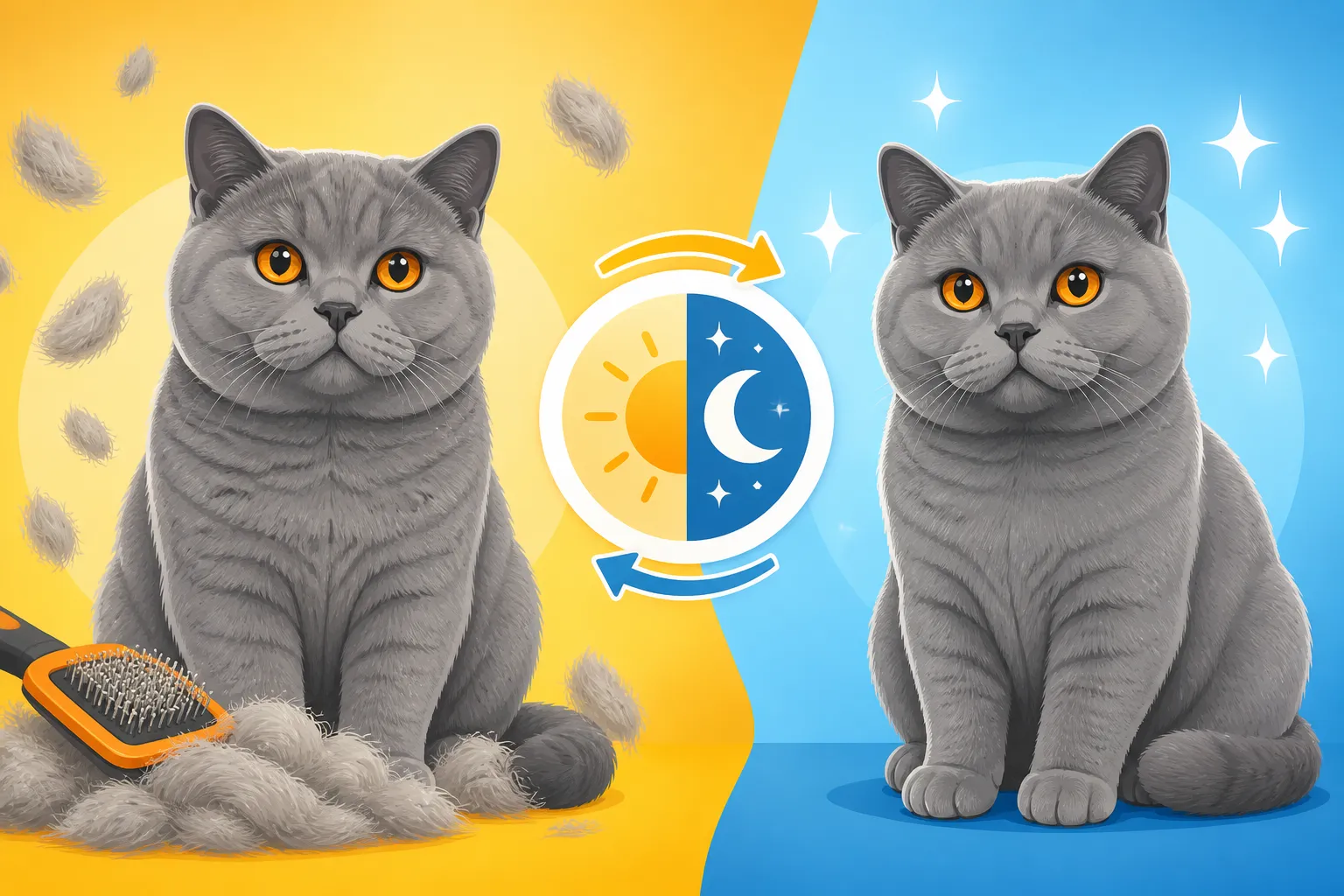
The majestic, plush coat of a British Shorthair is one of their most defining and utterly charming features, giving them that irresistible teddy bear appeal. However, if you're a British Shorthair parent, you know that this beautiful density comes with a caveat: shedding. While they might not be the highest-shedding breed year-round, there are specific times when their undercoat drops with an intensity that can truly surprise you, often creating what feels like a blizzard of fluff in your home. This guide is here to walk you through those two intense weeks when your beloved British Shorthair decides it's time to lighten up, explaining what to expect and how to manage the deluge of fur.
Understanding the British Shorthair's Unique Coat
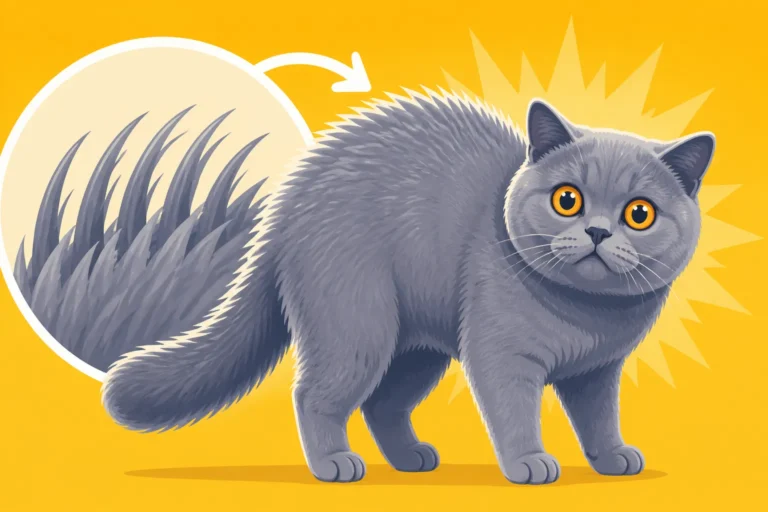
The British Shorthair's coat isn't just fur; it's a marvel of feline insulation and texture. It's often described as dense, plush, and "crisp" to the touch, and it literally stands away from their body. This unique structure is a big part of their charm, but it also explains why managing their shedding can be a bit more involved than with other breeds.
The Double Coat Phenomenon
Many cat breeds have a single coat, but the British Shorthair boasts a magnificent double coat. This means they have two distinct layers of fur, each serving a vital purpose. The outer layer consists of guard hairs that are coarser and provide protection from the elements, like rain and sun. These are the hairs that give the coat its "crisp" feel and help it stand away from the body. Underneath this protective layer lies the true unsung hero of warmth: the undercoat. This layer is much softer, finer, and incredibly dense, designed to trap air and provide superior insulation, keeping your British Shorthair warm in cooler temperatures and protected from heat.
During most of the year, this double coat works in perfect harmony, keeping your cat comfortable. But when the seasons change, especially from winter to spring and sometimes even from summer to autumn, that dense undercoat needs to be shed to make way for a lighter, more appropriate seasonal coat. It's a natural process, but it can feel overwhelming when you're suddenly finding fur bunnies in every corner. A British Shorthair's Coat Stands Away From Its Body is a great read to understand more about this unique coat.
Why the Coat Feels Crisp and Stands Up
The distinct crispness and "standing up" quality of a British Shorthair's coat isn't just a quirky trait; it's a key part of their breed standard and a functional design element. Imagine a thick, velvet carpet. That's a bit what their fur is like, but instead of lying flat, it has a springiness that makes it bounce back. This is due to the structure of the individual hairs and their density. The guard hairs are quite strong and stiff, acting like tiny springs that prop up the softer, woollier undercoat beneath them.
This characteristic allows for excellent air circulation close to the skin, which is important for temperature regulation. It also makes them incredibly soft and satisfying to pet, but it means that when those undercoat hairs loosen, they don't just fall out unnoticed. They often get caught within the dense network of the remaining coat, forming mats if not regularly groomed, or ending up as substantial clumps of fur on your furniture and floors. Knowing this structural detail helps us understand why certain grooming tools are better suited for them, which we'll get into later.
The Seasonal Shed: Why it Happens
The sight of floating fur tufts and hair coating every surface can be alarming if you’re not prepared. But for British Shorthairs, these intense shedding periods are a completely normal, biologically driven process. It's their body's way of adapting to changes in their environment.
The Role of Light and Temperature
The primary drivers behind a cat's seasonal shedding cycles are daylight hours and ambient temperature. Even though most British Shorthairs live indoors and are relatively protected from extreme weather shifts, their ancient instincts still kick in. As the days grow longer in spring, a cat's body detects the increase in light and signals that it’s time to shed the heavy winter undercoat. This makes way for a lighter, thinner coat that's more suitable for warmer weather, preventing them from overheating. Conversely, as the days shorten in autumn, they'll begin to shed their summer coat to allow a thicker, denser winter coat to grow in, providing essential insulation against the cold.
This natural rhythm is why you'll often notice two main shedding "seasons" each year, with the spring shed typically being the most dramatic. Even with consistent indoor temperatures, their internal clock, influenced by light exposure, keeps these cycles ticking. So, while your thermostat might stay at a cozy 72 degrees all year, your British Shorthair's fur isn't getting the memo to stop preparing for winter or spring.
How Often a British Shorthair Sheds
While these major seasonal "blows" happen twice a year, it's important to understand that British Shorthairs do shed year-round. It's not like their fur just stops falling out between seasons. Individual hairs have a life cycle; they grow, remain on the cat for a period, and then fall out to be replaced by new ones. This constant turnover means you'll always find a certain amount of British Shorthair fluff around your home, regardless of the time of year.
However, the intensity differs drastically. Outside of the two-week undercoat drop periods, the shedding is generally light to moderate, easily managed with regular, perhaps weekly, grooming sessions. During those two peak seasonal shifts, however, the amount of fur they drop can escalate dramatically. It can feel like your cat is practically disintegrating into a pile of fluff right before your eyes! This is when you really need to step up your grooming game and prepare for a bit more clean-up. How Much a British Shorthair Sheds goes into more detail about their typical shedding habits.
Identifying the Two-Week Undercoat Drop
So, how do you know you're in the thick of the two-week undercoat drop versus just a normal shedding phase? It's not always a hard and fast rule, as every cat is an individual, but there are some clear signs that your British Shorthair is "blowing their coat."
Signs of an Intense Shedding Cycle
One of the most obvious signs is the sheer volume of loose hair. You'll likely start noticing fur everywhere: on your clothes, furniture, carpets, and floating through the air like tumbleweeds. It's more than just a few stray hairs; it's significant clumps that seem to appear out of nowhere. You might even find your British Shorthair leaving a distinct "outline" of themselves on their favorite sleeping spots.
Another tell-tale sign is when you run your hand along their back, and your palm comes away coated in soft, fluffy undercoat. When you comb them, instead of just a bit of hair, you'll pull out what feels like enough fur to knit a small sweater. This isn't just surface hair; it's the deeper, denser undercoat coming loose. Your cat might also appear a bit "fluffier" or even slightly disheveled because the loose undercoat isn't lying as smoothly. They might even try to groom themselves more intensely, which can sometimes lead to an increase in hairballs.
The Duration: Why "Two Weeks" Is a Guideline
While we often refer to it as the "two-week undercoat drop," it's important to understand that this is a general guideline, not a strict deadline. For some British Shorthairs, it might feel like it lasts a solid three weeks, for others, maybe ten days of peak intensity. The exact duration can vary based on several factors:
- Individual Cat: Just like people, every cat is different. Some shed more intensely than others.
- Climate: Even indoor cats are subtly influenced by external weather. A sudden warm spell can trigger a quicker shed.
- Diet and Health: A cat on a good diet with all the necessary nutrients for coat health might shed more efficiently. Conversely, an unhealthy cat might have a poorer coat and shed irregularly.
- Grooming Routine: Regular grooming, especially with the right tools, can help move the process along more quickly by removing loose hair before it accumulates.
So, while you should prepare for an intense fortnight, don't be alarmed if it stretches a little longer. The key is to be proactive in managing the fur, rather than just waiting for it to end. Think of it less as a two-week event and more as a period of heightened shedding intensity that you need to be ready for.
Managing the Intense Shedding Period
When your British Shorthair decides it's shedding season, you need a battle plan. Simply hoping the fur will magically disappear won't work. Being proactive in your approach can significantly reduce the amount of loose hair in your home and keep your cat more comfortable.
Daily Grooming Becomes Essential
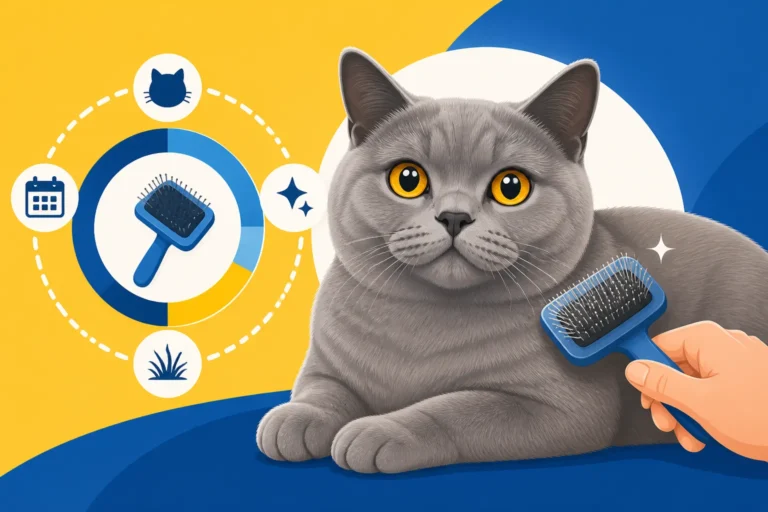
During those two weeks (or more!), daily grooming isn't a luxury; it's a necessity. A quick brush once a week just won't cut it when the undercoat is actively detaching. You need to make a habit of setting aside 10-15 minutes each day, ideally at a time when your cat is relaxed and amenable to being handled. This isn't just about reducing hair on your sofa; it's about preventing mats and keeping your British Shorthair's skin healthy.
Focus on getting deep into the undercoat. Gentle, consistent strokes are far more effective than aggressive pulling. Make it a positive experience with treats and praise, so your cat associates grooming with good things. If your cat tolerates it well, you might even do two shorter sessions a day – one in the morning and one in the evening. This consistent effort will remove a surprising amount of loose fur, significantly cutting down on what ends up scattered around your house. How Often a British Shorthair Needs Combing further emphasizes the importance of regular grooming.
The Right Tools Make All the Difference
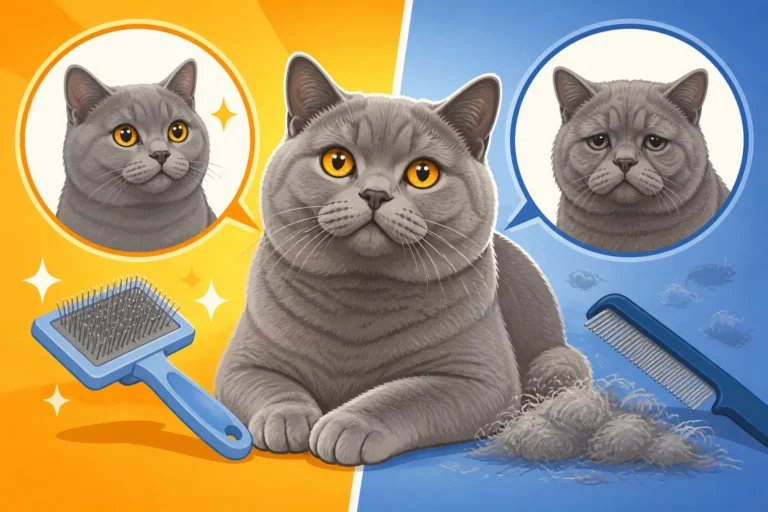
You can't effectively manage a British Shorthair's dense coat with just any brush. The wrong tool can be ineffective, or worse, can damage their delicate undercoat and guard hairs. For removing the undercoat during a heavy shed, a good quality metal comb with both wide and fine teeth is indispensable. The wider teeth can start by getting through the topcoat, while the finer teeth can then grab hold of that soft, loose undercoat.
Many British Shorthair owners also swear by specific deshedding tools designed to reach deep without cutting or damaging the healthy topcoat. Brands like the Furminator are often mentioned, but always use these types of tools sparingly and gently, as over-brushing can irritate the skin or damage the coat. A soft bristle brush or a grooming glove can be useful for collecting surface hair and distributing natural oils after you've tackled the undercoat. Experiment to see what your cat tolerates best and what yields the most fur removal without causing discomfort. Which Comb a British Shorthair Needs is an excellent resource for choosing the right grooming instruments.
Creating a Grooming Routine Your Cat Enjoys
Let's be real, not every British Shorthair leaps for joy at the sight of a comb. But with consistency and patience, you can turn grooming into a tolerable, even enjoyable, experience. Start with short sessions, especially if your cat is new to it. Focus on areas they don't mind being touched first, like their back or sides, before gradually moving to more sensitive spots. Always use positive reinforcement: a favorite treat, a gentle head rub, or a quiet cuddle immediately after grooming can create a positive association.
Never force your cat or chase them down for grooming. This will only build resentment and make future sessions harder. If they get agitated, stop and try again later. Sometimes, having a special "grooming spot" where they feel safe and comfortable can help. It could be on your lap while you're watching TV, or a specific blanket on the floor. Consistency is key, and over time, most British Shorthairs learn to accept, and some even enjoy, the attention and relief that grooming provides, especially when they're shedding heavily.
Grooming Strategies During Peak Shed
Beyond just having the right tools, how you use those tools during peak shedding makes a huge impact. It's about technique, patience, and knowing what to prioritize.
Effective Combing Techniques
When combing, remember the goal is to get through the guard hairs and into the dense undercoat where all that loose fluff is hiding. Start by gently parting the fur with your fingers, then insert your metal comb parallel to the skin, rather than pointing straight down. Use short, gentle strokes, working in the direction of hair growth. You'll likely see a lot of fur collecting on the comb – this is exactly what you want! Pull the comb away, remove the fur, and repeat.
Work in small sections, gradually moving across your cat's body. Pay extra attention to areas where mats are prone to form, such as behind the ears, under the chin, in the "armpits" (where legs meet the body), and around the tail. These areas often get overlooked, and the dense undercoat can quickly knot up. Be particularly gentle around sensitive areas, and if you encounter a tangle, try to work it out with your fingers first before using the comb. Never yank or pull through a mat, as this can be painful for your cat.
Dealing with Loose Undercoat and Hairballs
The sheer volume of loose undercoat during these periods is directly linked to an increased risk of hairballs. As your British Shorthair grooms themselves, they ingest a lot of this loose fur, which can then accumulate in their digestive tract, leading to hairballs. Frequent and thorough grooming is your first line of defense against this. By removing the fur yourself, you reduce the amount they ingest.
Beyond grooming, consider incorporating a hairball remedy into their routine during peak shedding. These often come as a paste or treat and can help the ingested fur pass through their digestive system more easily. Many cat food brands also offer specific "hairball control" formulas, which might be beneficial during these times, but always consult with your vet before making significant dietary changes. Ensuring your cat has access to fresh water is also important, as good hydration aids digestion.
Seasonal Shedding Calendar
Knowing when to expect the worst of the shedding can help you prepare. While it varies by individual cat and climate, here's a general guideline for a typical British Shorthair:
| Season | Daylight Hours | Temperature (General) | Shedding Intensity | Primary Shedding Reason | Grooming Recommendation |
|---|---|---|---|---|---|
| Winter | Short | Cold | Low-Moderate | Regular hair turnover | 2-3 times a week with a metal comb |
| Spring | Increasing | Warming | High | Shedding heavy winter undercoat | Daily thorough combing to remove dense undercoat |
| Summer | Long | Warm | Moderate | Regular hair turnover | 3-4 times a week with a metal comb, lighter deshedding if needed |
| Autumn | Decreasing | Cooling | High-Moderate | Preparing for winter coat; some undercoat shed | Daily or every other day combing to prepare for new growth |
Remember, this is a general guide. Some cats in very mild climates might have less pronounced seasonal changes, and indoor-only cats may shed a bit more consistently year-round, but the spring and autumn "blows" are still often noticeable. When a British Shorthair Blows Its Coat explores these cycles in more detail.
Minimizing the Mess Around Your Home
When your British Shorthair is deep into its two-week undercoat drop, it can feel like your home is transforming into a fur factory. But don't despair! There are practical steps you can take to keep the flying fluff under control and maintain a semblance of cleanliness.
Strategic Cleaning Practices
First and foremost, your vacuum cleaner is about to become your best friend. During peak shedding, daily vacuuming is often necessary, especially in your British Shorthair's favorite lounging spots. Consider investing in a vacuum specifically designed for pet hair, as these often have stronger suction and specialized attachments that can tackle embedded fur on carpets and upholstery. Brands like Dyson and Shark often have excellent pet-specific models available on Amazon.
Beyond vacuuming, sticky lint rollers will also be in high demand. Keep them handy by your front door, near your cat's favorite bed, and certainly in your closet. Microfiber cloths are great for wiping down hard surfaces, as they attract and hold onto loose hair effectively. For furniture, a damp rubber glove or a squeegee can be surprisingly effective at gathering fur from upholstery before you vacuum or lint roll. Don't forget to regularly clean air filters in your home, as these can trap a lot of airborne fur. What British Shorthair Fur Does to Furniture is a relatable read for any owner battling fur.
Protecting Your Furniture and Clothing
One of the biggest frustrations during a heavy shed is finding cat hair clinging to everything. To protect your furniture, consider using washable throws or blankets on your British Shorthair's favorite chairs and sofas. These can be easily tossed into the washing machine (with a good anti-static dryer sheet!) to remove accumulated fur. For clothing, a quick once-over with a lint roller before you leave the house becomes a routine.
If you have delicate clothing, store it in garment bags, especially items made of materials that are prone to attracting fur, like fleece or velvet. You might also designate certain areas or pieces of furniture as "cat zones" and focus your protection efforts there. For instance, if your cat loves a particular armchair, cover it with a heavy-duty, washable slipcover. This targeted approach can save you a lot of cleaning time and frustration.
Air Quality and Allergen Management
Even if you don't have allergies, a house full of cat hair can impact air quality. If you or family members do have sensitivities, the shedding period can be particularly challenging. Investing in a good quality air purifier with a HEPA filter can make a significant difference. These devices can capture airborne dander and fur particles, helping to keep the air cleaner and reduce potential allergens. Placing one in the room where your British Shorthair spends the most time can be especially beneficial.
Regularly dusting and wiping down surfaces will also help, as dander and fur settle everywhere. Pay attention to ceiling fans and light fixtures, as these can accumulate a surprising amount of dust and fur, only to redistribute it when they're turned on. While a British Shorthair is not considered hypoallergenic, managing their shedding proactively can certainly make living with them more comfortable for everyone, especially during these intense undercoat drops.
Dietary Support for a Healthy Coat
You might think that battling fur is all about brushing and vacuuming, but what goes into your British Shorthair's bowl plays a crucial role in the health and quality of their coat, and by extension, their shedding patterns. A well-nourished cat often has a healthier coat, which can shed more predictably and cleanly.
The Link Between Nutrition and Coat Health
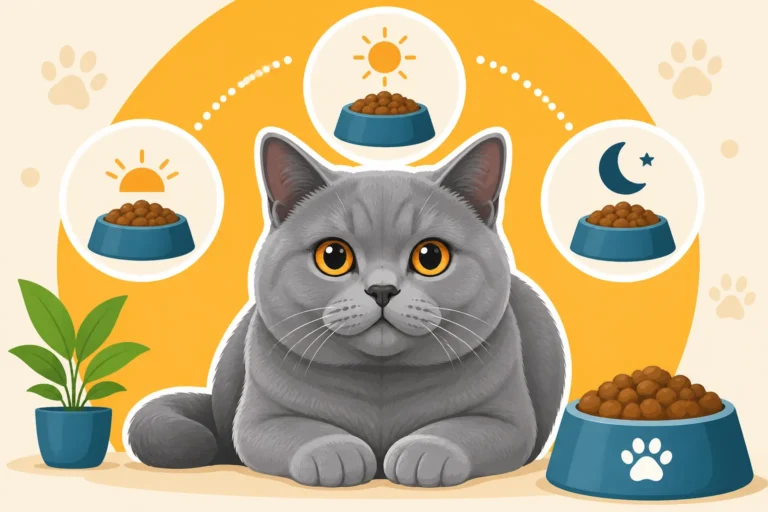
A British Shorthair's glorious plush coat requires a lot of nutritional resources to maintain. Protein is the building block of hair, so a high-quality diet rich in animal-based protein is absolutely essential. Look for cat foods where a named meat source (chicken, salmon, turkey, etc.) is the first ingredient. Beyond protein, essential fatty acids – particularly Omega-3 and Omega-6 – are critical for skin and coat health. These fats contribute to the natural oils that keep the fur supple and reduce dryness and breakage, which can sometimes contribute to excessive shedding.
Vitamins and minerals, such as Vitamin A, E, and B vitamins, along with zinc and copper, also play vital roles in hair growth and strength. If your cat's diet is lacking in any of these key nutrients, their coat might appear dull, dry, or shed more than it should, even outside of seasonal changes. Therefore, choosing a premium cat food that is complete and balanced for all life stages is paramount. Which Food Suits a British Shorthair provides valuable insights into making the best dietary choices.
Supplements for Extra Support
While a high-quality complete and balanced diet should ideally provide all the necessary nutrients, some British Shorthairs can benefit from additional supplements, especially during intense shedding periods or if they have specific coat concerns. Omega fatty acid supplements, often derived from fish oil (like salmon oil), are very popular for promoting a shiny, healthy coat and reducing shedding. These can be added to their food as a liquid or given as a soft chew.
Biotin and other B vitamins are also sometimes recommended for coat health. However, it's incredibly important to consult with your veterinarian before adding any supplements to your cat's diet. Excessive amounts of certain vitamins or minerals can be harmful, and your vet can help determine if a supplement is truly necessary and recommend appropriate dosages based on your cat's individual needs and existing diet. Over-supplementation can be just as problematic as deficiencies.
Hydration and Wet Food Benefits
Adequate hydration is often an overlooked aspect of coat health. A well-hydrated cat generally has healthier skin and a more resilient coat. While dry kibble is convenient, many cats don't drink enough water to compensate for its low moisture content. This is why many British Shorthair owners opt to feed a significant portion, or even all, of their cat's diet as wet food. Wet food provides a substantial amount of moisture, contributing to overall hydration.
When your cat is well-hydrated, their skin is healthier, and their fur follicles are better supported, potentially leading to stronger hair shafts and more organized shedding. Consider supplementing dry food with wet food, or even exploring fresh food options or high-quality canned foods. If your British Shorthair primarily eats dry food, encourage water intake by offering multiple water bowls around the house, ensuring they are always clean, or investing in a cat water fountain, which many cats find more appealing.
When Shedding is More Than Just a Seasonal Event
While seasonal undercoat drops are normal, it’s crucial to distinguish between a healthy, albeit heavy, shed and shedding that could indicate an underlying health issue. Excessive or abnormal shedding can sometimes be a red flag that your British Shorthair needs veterinary attention.
Red Flags for Health Issues
If your British Shorthair's shedding seems constant, unusually heavy outside of seasonal changes, or is accompanied by other symptoms, it's time to pay close attention. Here are some red flags:
- Bald Patches or Thinning Fur: Normal shedding doesn't typically result in bald spots. If you see areas where the fur is noticeably thinner, or entirely gone, it's a concern.
- Skin Irritation: Excessive scratching, redness, scabs, bumps, or flaky skin beneath the fur are signs of irritation that could be causing hair loss.
- Dull, Brittle Coat: A healthy British Shorthair coat should be plush and soft, even if shedding. If it's dull, greasy, overly dry, or brittle, it could indicate a nutritional deficiency or other health problem.
- Excessive Grooming/Licking: While cats groom to remove loose hair, obsessive licking, chewing, or pulling at their fur can indicate discomfort, allergies, or even stress.
- Changes in Behavior: Lethargy, loss of appetite, changes in litter box habits, or a sudden disinterest in play alongside shedding can all point to an underlying illness.
- Parasites: Fleas, mites, or other external parasites can cause intense itching and subsequent hair loss due to scratching. You might see "flea dirt" (small black specks) in their fur.
Any of these signs warrant a visit to the veterinarian. It's better to be safe than sorry, as early detection of a health issue can lead to more effective treatment. Signs a British Shorthair Is Unwell provides a broader overview of health indicators.
Common Causes of Abnormal Shedding
Several medical conditions can manifest as abnormal shedding or poor coat quality. Allergies, whether environmental, food-related, or to fleas, are a very common culprit, causing intense itching and subsequent fur loss from scratching and licking. Skin infections, both bacterial and fungal (like ringworm), can also lead to patchy hair loss and irritated skin.
Hormonal imbalances, such as hyperthyroidism (especially in older cats), can affect coat health, leading to thinning or greasy fur. Nutritional deficiencies, as mentioned earlier, will impact the strength and growth of hair. Internal parasites can also contribute to a dull coat and increased shedding, as they can interfere with nutrient absorption. Finally, stress and anxiety can sometimes lead to over-grooming, resulting in localized hair loss. Your vet will perform a thorough examination, which may include blood tests, skin scrapes, or dietary trials, to get to the root of the problem.
Long-Term Coat Care Beyond Shedding Seasons
While the two-week undercoat drop demands extra attention, proper British Shorthair coat care is a year-round commitment. Establishing a consistent routine will not only keep their coat beautiful but also contribute to their overall health and well-being.
Regular Brushing and Grooming Routine
Even when your British Shorthair isn't actively blowing their coat, regular grooming is important. Aim for at least 2-3 times a week with a good quality metal comb to prevent mats and remove loose hairs before they become a problem. This consistent routine will also help distribute natural skin oils, keeping their coat healthy and shiny. Think of it as preventative maintenance.
Regular grooming sessions are also a fantastic opportunity to bond with your cat and perform quick health checks. As you comb, you can feel for any lumps, bumps, or skin irritations that might otherwise go unnoticed. You can check their ears for cleanliness, their eyes for discharge, and their claws for length. Making grooming a positive part of your routine will benefit both your cat's physical health and your relationship with them. Why a Comb Beats a Brush on a British Shorthair offers more detail on effective grooming tools.
Environmental Factors and Their Impact
Even for an indoor cat, environmental factors can subtly influence coat health and shedding. Maintaining a consistent temperature in your home, especially during seasonal transitions, can help moderate shedding. While you can't stop the biological imperative, extreme temperature swings might make the shedding more abrupt or challenging.
Humidity also plays a role. In very dry environments, your cat's skin can become dry and flaky, which might contribute to more shedding. A humidifier, especially during dry winter months, can sometimes help both your skin and your cat's. Ensure your home is clean and free of excessive dust, as this can exacerbate skin issues for sensitive cats. Providing comfortable, clean sleeping spots will also encourage healthy coat turnover without irritation.
The Role of Veterinary Check-ups
Finally, never underestimate the power of regular veterinary check-ups for maintaining your British Shorthair's coat health. During annual wellness exams, your vet will assess their overall health, including the condition of their skin and coat. They can identify subtle issues before they become major problems, advise on diet or supplements, and address any concerns you have about shedding.
For senior British Shorthairs, these check-ups become even more critical, as older cats can be more prone to conditions like hyperthyroidism or arthritis, both of which can impact their grooming habits and coat quality. Your vet is your best partner in ensuring your British Shorthair maintains that magnificent, plush coat they are famous for, no matter the season.
Disclaimer
This article is for general informational purposes only and does not constitute professional advice. Laws, prices and regulations vary by location and change over time. Consult a qualified professional for guidance on your specific situation.