Whether a British Shorthair Is Right for You
You've fallen in love with those adorable, round faces and plush coats of the British Shorthair, haven't you? It's easy to see why these cats are so captivating, but owning one is a big commitment. This guide will help you dig past the charming photos to truly understand the temperament, care requirements, and lifestyle implications of bringing a British Shorthair into your home, so you can decide if this wonderful breed is the perfect fit for you.
Understanding the British Shorthair Temperament and Lifestyle
The British Shorthair is famous for its calm demeanor, and while that's generally true, there's more to their personality than just being a "plush potato." They have a distinct way of interacting with their world and their people that sets them apart from many other breeds. It's crucial to understand these nuances to avoid misunderstandings and ensure both you and your cat are happy.
The Independent, Affectionate Observer
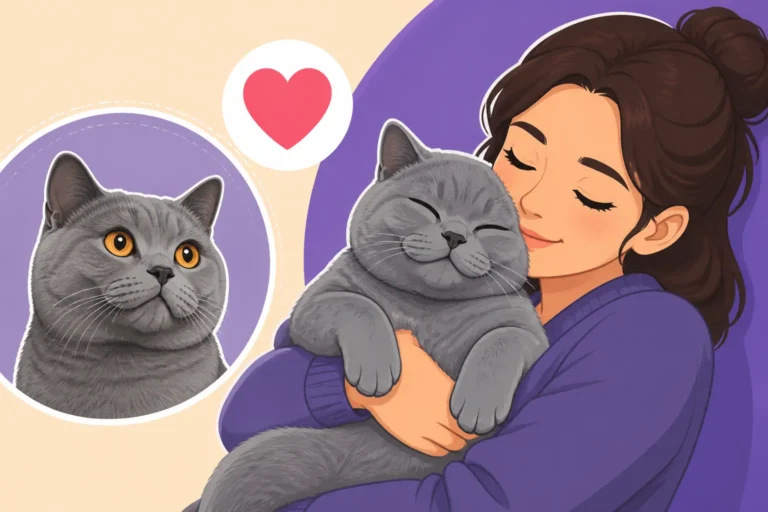
British Shorthairs are often described as independent, and it's a very accurate assessment. They love to be near you, often choosing a spot on the sofa next to you or on a nearby chair, but they aren't typically "lap cats" in the traditional sense. Many will tolerate a cuddle or a brief sit on your lap, but they much prefer to observe the household goings-on from a slight distance. This isn't a sign of aloofness; it's simply their nature. They adore being part of the family but on their own terms.
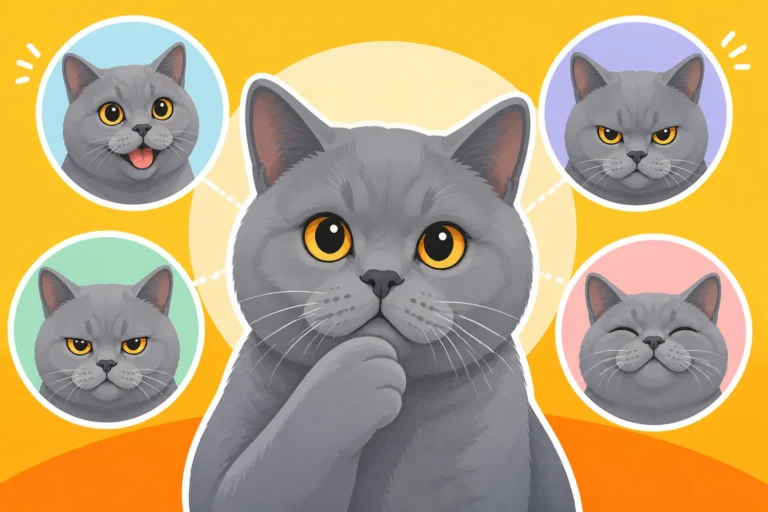
Their affection is shown in subtle ways. You might find your BSH following you from room to room, just to settle down in your vicinity. They might give you a gentle head-butt or rub against your legs as you walk by. A slow blink from across the room is a huge compliment from a British Shorthair! They're not the type to constantly demand attention or be underfoot, which many owners actually appreciate. If you're looking for a cat that's always in your face, the British Shorthair might surprise you with its understated love. For a deeper dive, check out How Affectionate a British Shorthair Is.
They are also incredibly quiet cats. Their meows are often soft chirps or trills, rather than loud demands. You might not even know they're in the room sometimes until you spot their round, watchful eyes. This quiet nature makes them excellent companions for those who appreciate peace and calm in their home. They're not prone to loud vocalizations, unless perhaps they're very hungry or displeased about something.
Their Low-Key Activity Levels
If you're envisioning a cat that bounces off the walls, climbs to the highest points of your home, and requires hours of intense play, the British Shorthair might not be what you're expecting. These are generally low-energy cats, preferring short bursts of play followed by long naps. As kittens, they can be playful and mischievous, but they tend to settle into a more sedate lifestyle as they mature. This isn't to say they don't enjoy play; they certainly do!
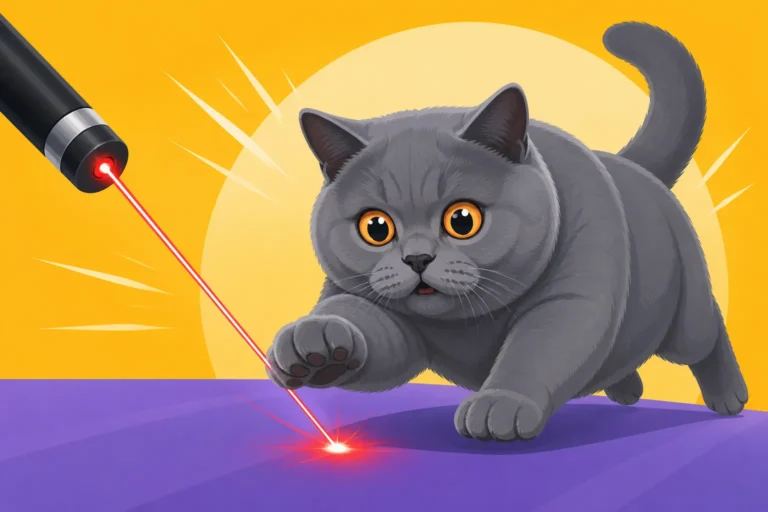
Engaging them in play often requires a bit of effort on your part. Think wand toys, laser pointers (used carefully and always ending with a tangible toy), or puzzle feeders to stimulate their minds and encourage movement. They aren't natural climbers and often prefer sturdy, lower cat trees or even just a soft bed on the floor. Getting a Low Energy British Shorthair to Move is a key part of their care, especially given their predisposition to weight gain. Don't be surprised if they eye a toy with intense concentration for a few minutes, then decide a nap is a better idea.
This low activity level means they are well-suited to apartment living or homes without extensive outdoor access. They are perfectly content to be indoor-only cats, as long as they have comfortable spots to survey their domain and a bit of interactive play from their humans. They don't have the restless energy that some more athletic breeds possess, which can be a huge benefit for busy households or those with limited space.
Compatibility with Family and Other Pets
One of the British Shorthair's most appealing traits is its generally tolerant nature, making them a good fit for many different household dynamics. They are often described as "bomb-proof" with children due to their calm and patient temperament. They're not usually prone to scratching or biting, even if a child is a bit clumsy, preferring instead to simply walk away if they're feeling overwhelmed. However, it's always crucial to teach children how to interact respectfully with any cat, understanding boundaries and gentle handling.
They can also adapt well to living with other pets, including other cats and even cat-friendly dogs. Introductions should always be slow and managed, but a British Shorthair is less likely to instigate conflict. They tend to be more observers than aggressors, often choosing to coexist peacefully rather than vying for dominance. Their quiet and laid-back nature often means they won't challenge other animals unnecessarily. For detailed advice, see A British Shorthair With Children, Dogs and Other Cats.
It's important to remember, however, that every cat is an individual. While these are general breed traits, individual personalities can vary. A well-socialized British Shorthair kitten from a reputable breeder is more likely to exhibit these desirable traits. Rescued adult British Shorthairs can also be wonderful companions, though their past experiences might influence their initial adjustment to a new home.
Grooming, Health, and Daily Care Commitments
Owning a British Shorthair isn't just about enjoying their presence; it involves specific care commitments that you need to be prepared for. Their plush coat, robust build, and genetic predispositions mean they have unique needs that differ from other cat breeds.
The Unique Coat and Grooming Needs
The British Shorthair's signature feature is its dense, plush coat that stands away from its body. It's truly a marvel – feeling almost like a thick, velvety carpet. While this coat is beautiful, it does require regular attention to keep it in prime condition. Contrary to what some might think about short-haired cats, the British Shorthair does shed, and it can be quite a bit, especially during seasonal changes. You'll find yourself reaching for the vacuum more often than you might expect!
Regular combing, ideally a few times a week, is essential to remove loose hair, prevent matting (though they are less prone than long-haired breeds), and distribute natural oils. A good quality metal comb with both wide and narrow teeth is often preferred over a slicker brush, which can damage their delicate undercoat. If you let it go, that thick coat can become impacted with loose hair, leading to discomfort and potentially hairballs. You might find a good comb on Amazon. When it comes to shedding, prepare yourself; you'll want to read How Much a British Shorthair Sheds to know what to expect.
Beyond combing, their general grooming needs are fairly standard: occasional nail trims, dental care (brushing their teeth if they tolerate it, or regular professional cleanings), and checking their ears and eyes for any issues. Their round faces can sometimes mean tear staining or discharge that needs gentle wiping. Establishing a routine early on, even with kittens, can make these tasks much easier as they grow.
Managing Their Predisposition to Weight Gain
This is perhaps one of the most critical aspects of British Shorthair care. Their naturally cobby build, combined with their low activity levels and hearty appetites, makes them highly prone to obesity. It's very easy for a BSH to become overweight, and it's a slippery slope to a host of health problems. An overweight British Shorthair isn't just "more to love"; it's a cat at risk of diabetes, arthritis, heart strain, and liver issues.
Portion control is absolutely paramount. Free feeding is generally not recommended for British Shorthairs. Instead, measured meals, twice a day, are usually best. Your vet can help you determine the ideal calorie intake based on your cat's age, weight, and activity level. Engaging them in play, even for short sessions, is also vital for calorie burning and muscle maintenance. You might consider puzzle feeders, which you can easily find on Amazon, to slow down their eating and provide mental stimulation. For more information on this challenge, check out Why a British Shorthair Gains Weight So Easily.
| Aspect | British Shorthair Trait | Owner Implication |
|---|---|---|
| Affection | Independent, prefers proximity over laps | Enjoy their subtle displays of love, don't force it |
| Activity Level | Low energy, prefers naps to acrobatics | Regular, short play sessions needed to prevent obesity |
| Grooming | Dense, plush coat; moderate shedding | Regular combing crucial, vacuum often |
| Diet | Prone to obesity, hearty appetite | Strict portion control and monitored feeding are a must |
| Vocalization | Quiet, soft chirps and trills | Great for peaceful homes, not overly demanding verbally |
| Socialization | Generally tolerant with children/other pets | Good family pets, but always ensure proper introductions |
Important Health Considerations
While generally robust, British Shorthairs do have some health predispositions that potential owners should be aware of. The most notable is Hypertrophic Cardiomyopathy (HCM), a common heart condition in many cat breeds. While there is no specific DNA test for HCM in British Shorthairs like there is for some other breeds, reputable breeders will regularly screen their breeding cats via echocardiograms performed by a veterinary cardiologist. This is a non-negotiable part of ethical breeding.
Polycystic Kidney Disease (PKD) is another condition that was once prevalent in the breed, primarily inherited from their Persian ancestors used in post-war outcrossing. Thankfully, a DNA test for PKD1 exists and has allowed responsible breeders to largely eradicate this disease from their lines. Any kitten you consider should come from parents tested clear for PKD. Hemophilia B is another, rarer, genetic condition for which DNA testing is available. Understanding What a British Shorthair Breeder Should Have Tested is absolutely vital for ensuring you get a healthy kitten.
Regular veterinary check-ups, even if your British Shorthair seems perfectly healthy, are crucial for early detection of any potential issues. As they age, like all cats, they can become susceptible to conditions like arthritis or hyperthyroidism. A proactive approach to their health, including proper diet and regular vet visits, can help them live a long and happy life, often The Twelve to Seventeen Years a British Shorthair Gets.
Financial Realities of British Shorthair Ownership
Bringing any pet into your life comes with financial considerations, and the British Shorthair is no exception. It's important to be realistic about both the initial cost of acquiring one and the ongoing expenses throughout their lifespan. These cats are an investment, not just in terms of money, but in time and emotional commitment.
Initial Costs and Ongoing Expenses
The upfront cost of a well-bred British Shorthair kitten from a reputable breeder can be significant. This price reflects the breeder's investment in health testing (like regular echocardiograms for HCM, DNA tests for PKD and Hemophilia), quality food, proper care for the queen and kittens, registration fees, and early veterinary care for the kittens, including vaccinations and sometimes microchipping. Beware of unusually low prices, as they often signal a lack of proper health screening or ethical breeding practices, which can lead to higher vet bills down the line. To get a sense of this, you might look at articles like What a British Shorthair Costs to Buy in 2026 (keeping in mind that prices fluctuate).
Beyond the initial purchase, you'll need to budget for essential supplies: a large, sturdy litter box (or two!), good quality litter, food and water bowls, a comfortable bed, a sturdy scratching post (they need something substantial for their size and strength), and various toys. Amazon is a great resource for finding these initial setup items. Ongoing monthly costs will include premium cat food (especially if you opt for prescription or weight-control diets), litter, annual vet check-ups, booster vaccinations, parasite prevention, and potentially pet insurance. Over their lifetime, these costs add up significantly; consider reading Fifteen Years of a British Shorthair, Priced Out for a broader perspective.
Then there are the unexpected costs: emergency vet visits, specialized treatments if a health issue arises, or even boarding fees if you travel. Having an emergency fund or pet insurance is highly recommended. While British Shorthairs are generally healthy, the potential for conditions like HCM means you need to be financially prepared for potential diagnostic tests and ongoing medications. It’s a good idea to budget for a comprehensive health panel each year, especially as they get older.
The Investment in Health Screening
As mentioned earlier, responsible breeders invest heavily in health screening, and this directly impacts the cost of a kitten. For conditions like HCM, where there's no DNA test, regular cardiac ultrasounds (echocardiograms) are the gold standard. These are specialized procedures performed by a veterinary cardiologist and are not inexpensive. A breeder who consistently performs these tests on their breeding animals is incurring significant costs, which are naturally factored into the kitten price.
For conditions with DNA tests, such as PKD and Hemophilia B, the cost per test is generally lower, but a responsible breeder will still test all their breeding cats to ensure they are clear and not passing on these genetic conditions. When you purchase a kitten, you should be provided with documentation of these health tests for both parents. Don't be afraid to ask for proof; it's a sign of a good breeder. This upfront investment in a well-screened kitten can save you far more in potential veterinary bills and heartbreak down the line, making you wonder Whether a British Shorthair Is Expensive to Own in the long run.
Ultimately, the cost of a British Shorthair is not just a price tag; it's a reflection of the care, dedication, and responsible practices that go into producing a healthy, well-socialized companion. Cutting corners on the initial purchase price can lead to much larger expenses and emotional distress if you end up with a cat with preventable health problems.
Is a British Shorthair the Right Fit for Your Home?
After considering their temperament, care needs, and financial implications, it's time to evaluate if a British Shorthair truly aligns with your lifestyle and expectations. These are wonderful cats, but they thrive in specific environments.
Ideal Living Situations
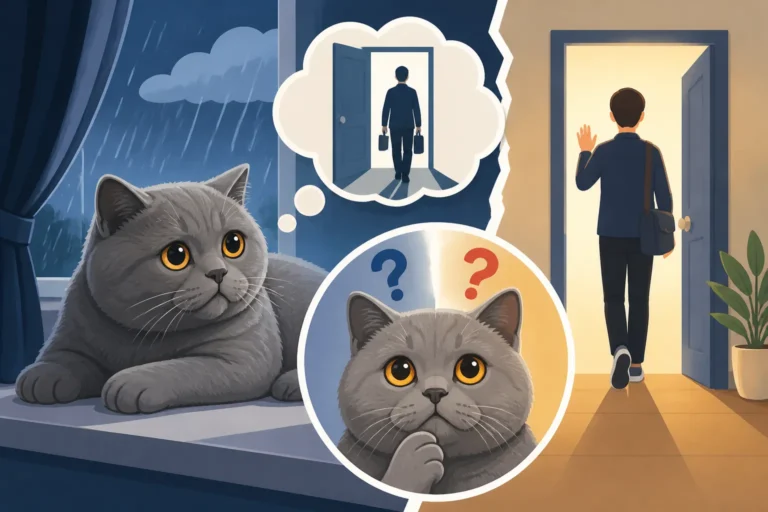
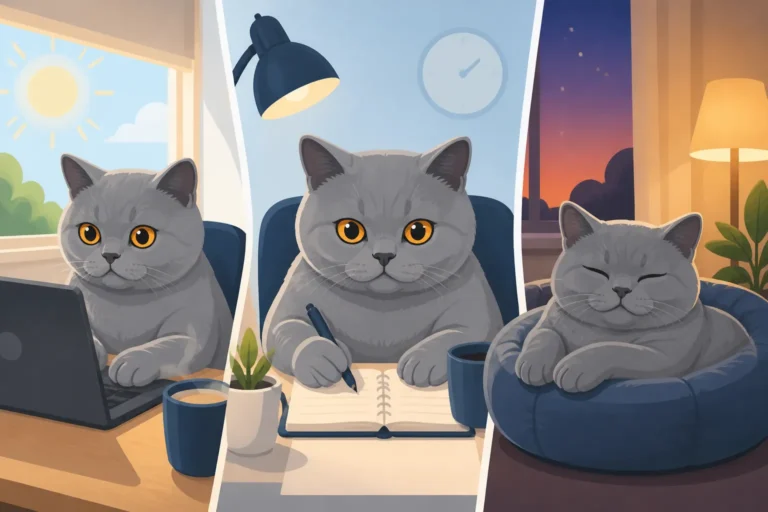
A British Shorthair is an ideal companion for individuals, couples, or families who appreciate a calm, generally quiet presence in their home. Their independent nature makes them suitable for people who work full-time, as they are usually quite content to entertain themselves or nap while you're away, though they will certainly be happy to see you when you return. They don't typically suffer from severe separation anxiety. If you want to know more about how they spend their days alone, check out What a British Shorthair Does All Day.
They thrive in indoor environments, whether it's a small apartment or a large house, as long as they have their creature comforts: a quiet retreat, comfortable sleeping spots, and a stable routine. Because they are not overly athletic, they don't require vast spaces to roam. A clean, safe, and predictable environment is usually all they ask for. Their robust build also means they need sturdy furniture and cat accessories that can withstand their weight without toppling.
They are often an excellent choice for first-time cat owners because of their forgiving and adaptable nature. Their relatively low maintenance grooming (compared to long-haired breeds) and placid temperament mean fewer complex challenges for a novice. However, the commitment to portion control and recognizing their subtle communication cues are still important learning curves. Consider how well How Well a British Shorthair Suits a First Time Cat Owner matches your own readiness.
What to Consider Before Bringing One Home
Before you commit, take a moment to honestly assess your expectations and lifestyle. Are you prepared for a cat that might prefer to sit next to you rather than on you? Are you committed to strict portion control and encouraging regular, gentle play to prevent obesity throughout their potentially long lifespan? Can you afford the upfront cost of a well-bred, health-tested kitten, and budget for ongoing quality food, vet care, and potential future medical needs?
Also, think about your household's noise level and activity. While adaptable, a British Shorthair generally prefers a peaceful home. Constant loud noises, unpredictable schedules, or very rambunctious children (unless properly managed) might be more stressful for them. While they tolerate children well, they are not typically eager playmates in the same way a more energetic breed might be.
Finally, consider the long-term commitment. A British Shorthair can live for well over a decade, sometimes into their late teens. This means committing to their care for a significant portion of your life. If you can provide a stable, loving, quiet home with consistent care, appropriate diet, and regular health monitoring, then a British Shorthair might just be the most delightful, plush companion you could ever wish for. Their steadfast presence and gentle affection enrich the lives of those who understand and appreciate their unique charm.
Disclaimer
This article is for general informational purposes only and does not constitute professional advice. Laws, prices and regulations vary by location and change over time. Consult a qualified professional for guidance on your specific situation.