How Far a British Shorthair Is Safe With a Rabbit
The idea of a harmonious household where your dignified British Shorthair and your hopping, twitching rabbit can peacefully coexist is certainly a lovely one. Many of us dream of our pets becoming the best of friends, sharing sunny spots and perhaps even a gentle sniff. However, when it comes to a British Shorthair and a rabbit, it’s not as simple as hoping for the best. This guide will delve into the complexities of introducing these two very different species, helping you understand the inherent risks and how to manage the environment to ensure the safety and well-being of your beloved bunny.
Understanding the British Shorthair's Natural Instincts
Despite their famously placid and teddy-bear-like demeanor, British Shorthairs are, at their core, cats. This means they possess instincts that have been honed over millennia, instincts that dictate their interactions with smaller creatures, even if those creatures are also cherished family pets. It's crucial not to let their cuddly appearance fool you into thinking they've somehow shed these fundamental traits.
The British Shorthair's Hunting Drive
Let's be real, while your British Shorthair might spend most of its day napping in a sunbeam or observing the world with a serene, almost philosophical gaze, it still carries the genetic blueprint of a predator. These cats, like all felines, evolved to hunt. Their ancestors, including the street cats that contributed to the breed's origins, were adept at catching mice and other small prey. What a British Shorthair Did on a Farm can give you a better idea of their working past. This ingrained hunting drive isn't something that can simply be trained out of them, no matter how well-behaved or affectionate your individual cat is.
Imagine your British Shorthair sees a quick movement – a rabbit twitching its nose, or hopping across the room. For a split second, that might trigger an instinctual response. It's not malice; it's just biology. They might stalk, pounce, or bat at the rabbit, not necessarily to kill it, but because their primal brain says, "Something small moved, let's investigate." The problem is, even a playful pounce from a sturdy British Shorthair can be incredibly dangerous, if not fatal, for a delicate rabbit. Their dense, muscular bodies, while charming, pack a significant punch, and their claws are sharp, designed to grasp and tear.
Temperament and Prey Drive
The British Shorthair's calm temperament often leads people to believe they have no prey drive. While it's true they're generally not as hyperactive or intense as some other breeds, a calm disposition doesn't equate to a complete absence of hunting instincts. Think of it more as a low-level hum rather than a constant roar. This low hum can still flare up when the right stimulus presents itself.
Every cat is an individual, of course, and some British Shorthairs might genuinely show little interest in a rabbit. Others might find the novelty exciting. What a British Shorthair's Temperament Is Really Like explores their general personality in more detail. They are generally known for being observers rather than active participants in household chaos. This can be a double-edged sword: they might ignore a rabbit, or they might watch, learn its habits, and then surprise you with an opportunistic pounce. Their quiet nature means you might not even realize they're "hunting" until it's too late. They are not known for being vocal, so you might not hear a warning meow if they are engaging with a smaller animal. How Often a British Shorthair Meows really highlights their quiet communication.
It's also worth noting that their displays of affection are often more about proximity than physical interaction. How Much of a Lap Cat a British Shorthair Is illustrates that they typically prefer to sit near you, not on you. This independent streak means they might not be easily deterred from an interesting "toy" just because you're present.
Assessing the Rabbit's Vulnerability and Behavior
While we focus a lot on the cat's behavior, it's equally, if not more, important to understand the rabbit's perspective. Rabbits are not small, fluffy dogs or cats; they are entirely different creatures with unique physiological and psychological needs, and their natural responses to perceived threats are critical to consider.
Rabbit Behavior and Stress Signals
Rabbits are quintessential prey animals. In the wild, they are hunted by everything from foxes to hawks. This means their entire existence is hardwired for survival against predators. Their heightened senses, their ability to freeze or bolt, and their preference for hiding are all defense mechanisms. When a rabbit perceives a threat, its stress levels skyrocket.
Even the mere presence of a cat, regardless of how friendly or calm that cat seems to you, can be a constant source of stress for a rabbit. A cat's scent, its silhouette, or even a soft purr can be interpreted as danger. Signs of stress in a rabbit include:
- Thumping: Loud thumping of their hind legs on the ground, a clear warning signal.
- Freezing: Becoming completely still, often in a hunched position, hoping to go unnoticed.
- Hiding: Seeking refuge in dark, enclosed spaces, and refusing to come out.
- Loss of Appetite: Stress can severely impact a rabbit's digestive system, leading to a refusal to eat, which can quickly become a life-threatening condition called gut stasis.
- Nervous Grooming: Excessive licking or plucking of fur.
- Reluctance to Move: Appearing lethargic or unwilling to engage in normal activities.
Even if your British Shorthair seems to ignore the rabbit, the rabbit itself might be living in a constant state of fear, which significantly impacts its quality of life and health. Chronic stress can weaken a rabbit's immune system, making it more susceptible to illness.
The Risk of Injury Beyond Predation
Many people focus on the fear of their cat directly killing their rabbit, and while that's a very real concern, the risks go far beyond a fatal attack. A British Shorthair's playful batting or chasing, even if not intended to cause harm, can have devastating consequences for a rabbit.
Consider the delicate skeletal structure of a rabbit. Their bones are much more fragile than a cat's. A swift kick from a British Shorthair, a pounce that lands incorrectly, or even a scratch from a claw during a chase can cause severe internal injuries, broken bones, or spinal trauma. Rabbits can also injure themselves by crashing into objects or attempting to flee desperately when startled. A panicked rabbit might run headfirst into a wall or furniture, causing concussions or broken necks.
Furthermore, a cat's mouth and claws carry bacteria that can cause serious infections if they break the rabbit's skin. A seemingly minor scratch can quickly become a life-threatening abscess. Unlike dogs, whose interactions with rabbits are often about play or social hierarchy (though still risky), a cat's interaction often stems from a prey-predator dynamic, even if subtle. For insights into general interspecies dynamics, you might find How a British Shorthair Gets On With a Dog interesting, as it highlights how BSHs adapt to other household members. Similarly, their gentle nature with children How a British Shorthair Behaves With Children doesn't translate directly to prey animals.
| Behavior | British Shorthair (Potential) | Rabbit (Prey Animal) |
|---|---|---|
| Response to Movement | Stalking, pouncing, batting (instinctual) | Freezing, bolting, hiding (panic-driven) |
| Physical Contact | Claws, teeth (even playful can be harmful) | Fragile bones, thin skin (easily injured) |
| Stress Indicators | Tense body, fixed gaze, tail swishing (subtle) | Thumping, hiding, loss of appetite (obvious) |
| Intent | Curiosity, play, mild prey drive | Fear, survival instinct, terror |
Safe Introduction Strategies and Management
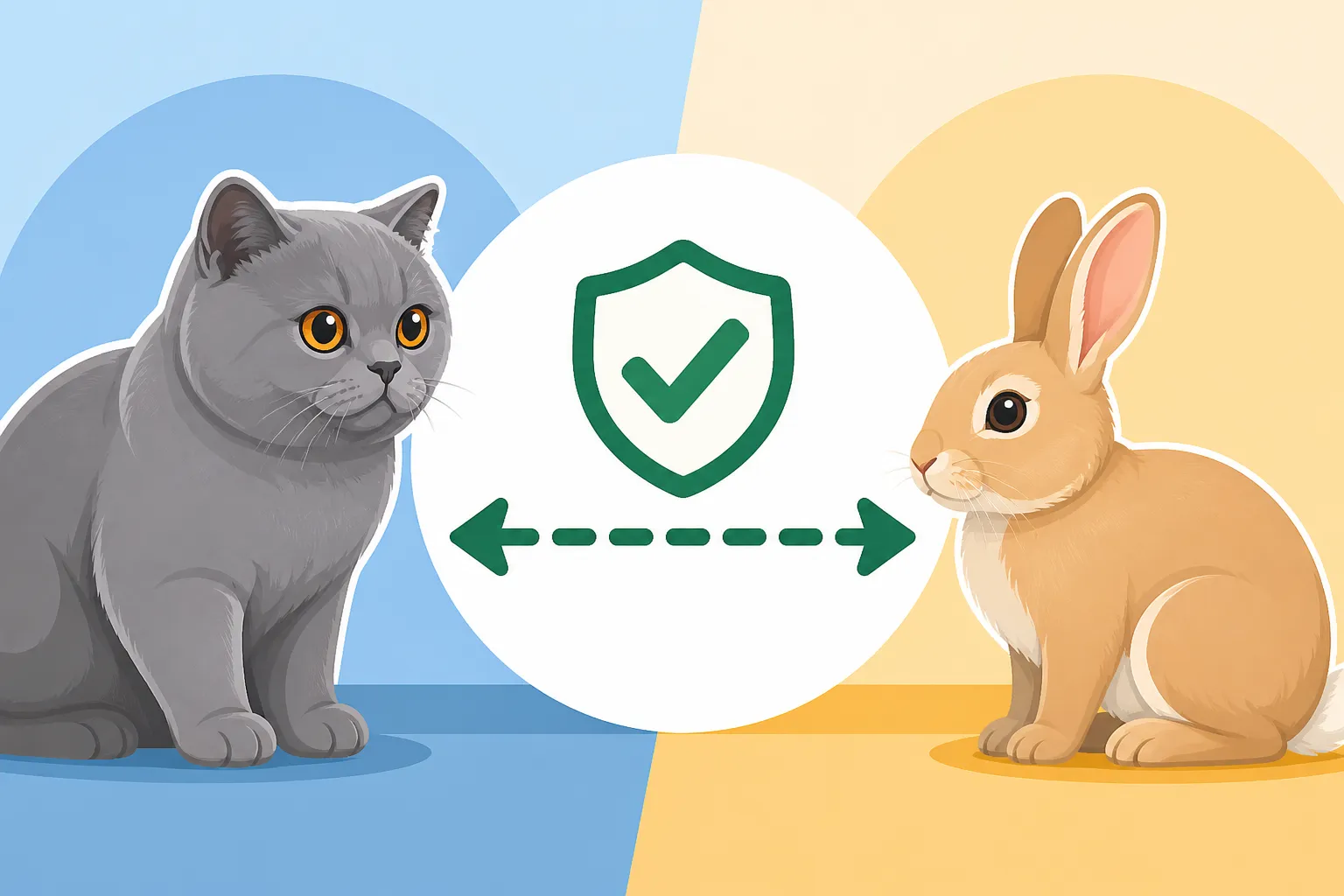
Given the inherent risks, introducing a British Shorthair to a rabbit requires an immense amount of caution, patience, and a realistic understanding that full, unsupervised cohabitation might never be possible. The goal isn't to make them best friends, but to ensure both animals can live safely and without undue stress.
Creating a Secure Environment for Both Pets
The absolute foundation of any attempted cohabitation is dedicated, separate, and secure living spaces. Your rabbit must have an enclosure that is impenetrable to your British Shorthair. This is non-negotiable. Think sturdy, metal-grid pens with secure latches, or a dedicated "rabbit room" that the cat cannot enter at all. Simply closing a door isn't always enough; some cats are incredibly adept at opening doors or finding tiny gaps. You might even find robust, multi-level rabbit cages or playpens on Amazon that offer strong barriers.
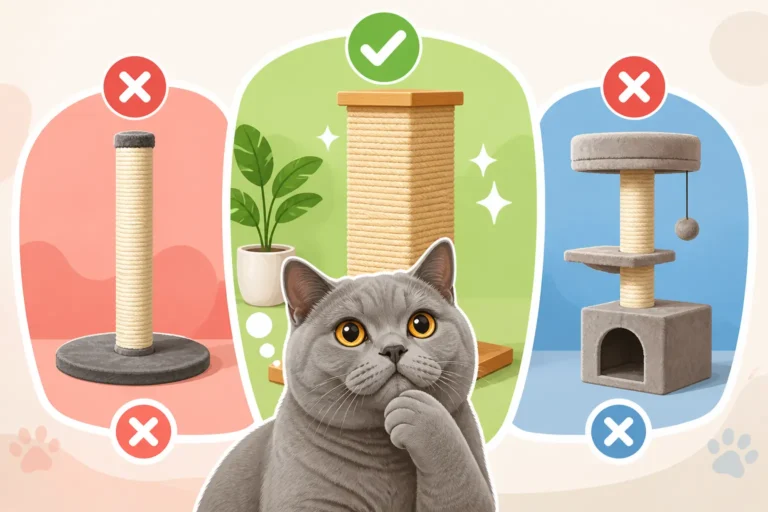
For your British Shorthair, ensure they have plenty of vertical space. Cats feel safer and more confident when they can observe their surroundings from a height. Investing in tall cat trees, wall-mounted shelves, or cat-friendly climbing structures can help redirect their attention and give them a sense of territory away from the rabbit. Which Cat Tree a British Shorthair Uses can guide you on selecting appropriate structures for their size and weight. Make sure these are placed in areas where they don't have direct line of sight or access to the rabbit's enclosure.
Scent swapping can be a gentle first step. Exchange blankets or toys between the two animals' spaces so they can get used to each other's smell without direct contact. This helps them understand there's another animal in the home, but in a non-threatening way. Use calming pheromone diffusers in both spaces, which can be found easily on Amazon, to help reduce anxiety for both pets.
Supervised Interactions and Training
If you decide to attempt supervised introductions, proceed with extreme caution and patience. This process should be slow, gradual, and always with the rabbit securely housed.
- Barrier Introductions: Start by having the rabbit in its secure, cat-proof enclosure, and allow your British Shorthair to be in the same room, always supervised. Keep the sessions very short, just a few minutes, and observe both animals closely.
- Positive Reinforcement: During these sessions, reward your British Shorthair for calm behavior. Give them treats or praise when they ignore the rabbit or show no signs of stalking. Which Toys a British Shorthair Will Actually Chase can give you ideas for interactive play to redirect their energy away from the rabbit. Use these toys to engage your cat's prey drive on appropriate objects, not the bunny.
- Leash Training (Optional for Cat): Some owners consider leash training their British Shorthair for these interactions, allowing them a bit more control over the cat's movements. This is a big commitment and not every cat tolerates it.
- Never Unattended: I cannot stress this enough: never leave your British Shorthair and rabbit unsupervised in the same room, even if the rabbit is caged. Accidents can happen incredibly quickly. Even stepping out for a moment to grab a drink is too long.
Training a British Shorthair to ignore a rabbit isn't about eradicating their prey drive; it's about managing their environment and behavior to prevent that drive from being directed at the rabbit. The aim is for peaceful coexistence, not necessarily friendship.
Long-Term Management and Monitoring
Even after what appears to be a successful introduction phase, ongoing vigilance is absolutely essential. The dynamics between animals can change, especially during times of stress, illness, or even just a mood shift.
Consider your daily routine:
- When you're home: Can you ensure both animals are always separated unless you are actively supervising a short, controlled interaction? This often means keeping the rabbit's enclosure closed, or keeping them in separate rooms.
- When you're away: This is where the real challenge lies. How Many Hours a British Shorthair Can Be Left addresses how long a BSH can be left alone, but that assumes a cat-only environment. With a prey animal in the house, any unsupervised time together is a massive risk. You must have a robust system in place to prevent any unauthorized contact. This might mean the rabbit stays in a locked room, or the cat is confined to a different part of the house with secure barriers.
- Stress Management: Regularly monitor both animals for signs of stress. Is your rabbit eating, drinking, and playing normally? Is your British Shorthair exhibiting any new, restless behaviors? If either animal seems stressed, it's a clear sign that the current arrangement isn't working, and you need to increase separation.
It's a long-term commitment that often involves creating two entirely separate domains within your home, which is a lot of work but ultimately for the safety of your vulnerable rabbit. Remember, a British Shorthair might be calm, but their instincts remain, and a rabbit's fragile nature means even the gentlest cat interaction can be devastating. Prioritizing safety over the dream of interspecies friendship is the most responsible choice for your rabbit's well-being. Look for sturdy gates or cat-proof doors on Amazon to help create secure zones within your home.
Conclusion
While the image of a serene British Shorthair peacefully coexisting with a fluffy rabbit is charming, the reality is far more complex and fraught with potential dangers. British Shorthairs, despite their calm demeanor, retain innate predatory instincts that can pose a significant threat to a delicate rabbit, regardless of their intentions. Rabbits, as prey animals, live in a constant state of vulnerability, and even perceived threats can lead to severe stress and physical harm.
Successful cohabitation relies heavily on creating meticulously separated and secure living spaces, with any interactions being brief, highly supervised, and focused on positive reinforcement for the cat. It demands an ongoing commitment to vigilance and a realistic understanding that true unsupervised friendship may never be achievable. Prioritizing the safety and stress-free existence of your rabbit above all else is the ultimate goal, even if it means maintaining two distinctly separate worlds within your home.
Disclaimer
This article is for general informational purposes only and does not constitute professional advice. Laws, prices and regulations vary by location and change over time. Consult a qualified professional for guidance on your specific situation.