How a British Shorthair Handles a Toddler
Bringing a curious, boisterous toddler into a home that's been peacefully ruled by a calm, independent British Shorthair can feel like introducing two different species! Many cat parents worry about how their beloved, sometimes aloof, feline will react to the unpredictable energy of a small child. This guide is here to walk you through understanding your British Shorthair's natural disposition, preparing your home for a new dynamic, and managing interactions to ensure a safe and happy environment for everyone, paws and tiny hands alike.
Understanding the British Shorthair Temperament Around Children
British Shorthairs are renowned for their laid-back, placid nature, making them wonderful companions. However, their specific temperament nuances are key to understanding how they'll interact with a toddler. They aren't typically "lap cats" in the clingy sense, and they value their personal space immensely. This doesn't mean they're unfriendly; it just means their affection is often on their own terms.
Their Natural Calm and Patience
One of the greatest assets of a British Shorthair, particularly when toddlers are involved, is their inherent calm demeanor. These cats aren't usually prone to sudden bursts of panic or aggression, which is a huge relief when you have a small child who might accidentally make a loud noise or sudden movement. They tend to observe situations before reacting, preferring to retreat rather than engage in conflict. This patient nature means they're more likely to simply walk away from an overzealous toddler than to lash out. It's a hallmark of the breed, a quiet dignity that serves them well in a busy family home. They're often described as the most unflappable of felines, a trait that makes them remarkably tolerant even when their personal bubble is inadvertently breached.
Their calm disposition also means they're less likely to be stressed by the general chaos that toddlers bring to a household. While a highly anxious or reactive breed might become overwhelmed by constant noise and activity, a British Shorthair often takes it all in stride. They might find a quiet corner to nap in, but they're less likely to develop anxiety-related behaviors like excessive vocalization or inappropriate urination purely from the presence of a toddler. This doesn't mean they're immune to stress, but their baseline tolerance is higher than many other breeds.
The British Shorthair's Need for Personal Space
While they are patient, British Shorthairs are definitely not fond of being picked up or held against their will. This is a critical point when dealing with a toddler, whose natural inclination is to grab and cuddle anything soft and furry. Your British Shorthair generally prefers to sit near you, not on you, observing from a comfortable distance. This preference for physical autonomy means that forced interaction can quickly lead to stress for your cat, even if they don't overtly protest. A gentle push away or a quick escape is far more typical than a swat or a bite, but repeated intrusions can erode their trust.
It's essential to respect this need for space and teach your toddler to do the same. This isn't about the cat being unfriendly; it's just how they're wired. They enjoy being in the same room, perhaps even sharing a sofa, but they want the freedom to move away whenever they choose. Think of it as a respectful coexistence rather than constant close contact. Understanding that A British Shorthair Will Not Be Picked Up voluntarily and often finds it quite unpleasant is the first step in setting realistic expectations for interactions with a curious toddler.
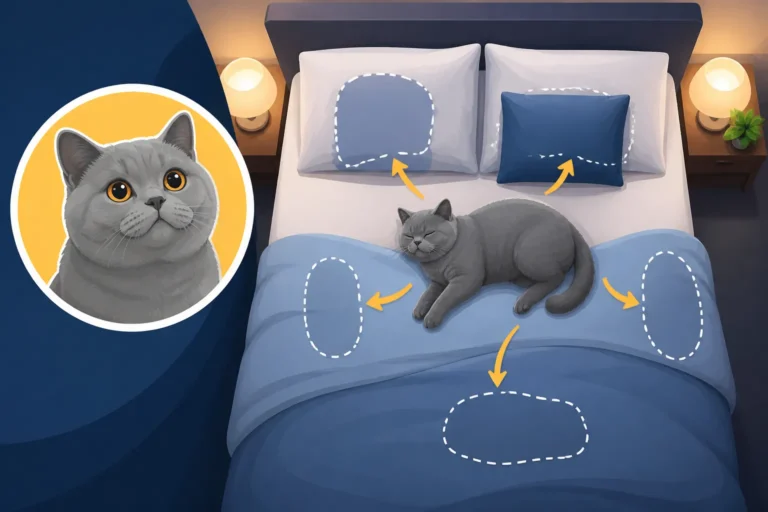
Creating designated "cat-only" zones where your British Shorthair can retreat is non-negotiable. This could be a tall cat tree (which also offers a vertical escape route), a cozy bed tucked away in a quiet room, or even just a shelf they can jump onto that a toddler cannot reach. These spaces serve as crucial sanctuaries where your cat knows they are safe from tiny hands and unpredictable movements, allowing them to relax and recharge away from the action.
Reading a British Shorthair's Subtle Cues
British Shorthairs are often described as The Quietest Cat in the House, which means their communication is often subtle. They don't typically vocalize loudly to express discomfort or annoyance. Instead, you'll need to pay close attention to their body language. A British Shorthair approaching a toddler with a tail held high and a relaxed posture is a good sign. However, if their ears are flattened, their tail is tucked, or they're stiffening up, these are clear indicators that they're feeling stressed or threatened. A slow blink can indicate contentment, while wide eyes or a direct stare might mean anxiety.
Sometimes, their attempts to communicate might be as simple as turning their head away, avoiding eye contact, or shifting their body slightly to create more distance. If a British Shorthair is holding still, almost "freezing," it's usually a sign of intense discomfort or fear, indicating they're trying to make themselves invisible. These are critical moments to intervene gently, redirecting the toddler or providing the cat with an escape route. Learning How to Read a British Shorthair's Face and body language is paramount to fostering a positive relationship between your cat and your toddler.
Ignoring these subtle signals can lead to increased stress for your cat, and while they are incredibly patient, every animal has a limit. Persistent unwanted attention can eventually lead to a cat feeling cornered and resorting to a hiss or, in rare cases, a swat – not because they are aggressive, but because their polite warnings have been missed. Your role is to be the interpreter and protector, ensuring your cat's boundaries are respected long before they feel the need to enforce them themselves.
Preparing Your British Shorthair for a Toddler's Arrival
Preparation is key to a smooth transition. Even if your British Shorthair is known for being chill, a new, loud, fast-moving human is a big change. Start these preparations well in advance of the toddler becoming mobile and interactive.
Gradual Introduction to New Sights and Sounds
Long before your toddler is actively running around and interacting, your British Shorthair will need to adjust to the general presence of a small human. This means gradually exposing them to toddler-related sights, sounds, and smells. Play recordings of babies crying, toddlers babbling, and loud toys. Start at a low volume and gradually increase it, always observing your cat's reaction. If they seem agitated, reduce the volume or stop for a while. You can also introduce baby items like blankets, toys, and clothes that carry the toddler's scent, allowing your cat to investigate them at their own pace. Place these items in areas your cat already frequents, associating the new smells with comfort and familiarity.
When the toddler first arrives, whether as a newborn or a new adoption, maintain as much of your British Shorthair's routine as possible. Cats are creatures of habit, and disruptions to feeding times, play sessions, and quiet naps can heighten anxiety. Allow your cat to explore the toddler's room under supervision, getting used to the nursery and all its new equipment. Don't force interaction; simply allow them to exist in the same space, letting curiosity guide them. A British Shorthair's innate curiosity will often lead them to investigate new things, but they need to feel safe doing so.
Another helpful strategy is to diffuse calming pheromones around the house, particularly in areas where the cat and toddler will spend time. These can help reduce overall stress and promote a sense of security for your cat during this period of change. Brands like Feliway offer diffusers that release synthetic versions of feline facial pheromones, which signal safety and comfort to cats. Placing these in key rooms can significantly aid in creating a more tranquil environment for your British Shorthair.
Creating Safe Havens for Your Cat
This is perhaps the most crucial step in ensuring your British Shorthair's well-being. Every cat needs a place where they can escape, undisturbed, from anything that overwhelms them – and a toddler's boundless energy can certainly be overwhelming. These safe havens should be strategically placed throughout your home, easily accessible to your cat but entirely off-limits to your toddler. Consider vertical spaces like tall cat trees or shelves mounted high on walls. Cats feel more secure when they can observe their surroundings from an elevated position. Amazon offers a wide array of sturdy cat trees and wall-mounted shelves perfect for this purpose.
These retreats aren't just for escaping; they're also places where your cat can sleep soundly without fear of being woken by a sudden poke or loud cry. Ensure these spots have soft bedding and are located in quieter parts of the house. A spare bedroom or even a high shelf in the living room can serve this purpose. Make it a positive association by regularly placing treats or their favorite toys in these areas. This teaches your British Shorthair that these spots are not just safe, but also rewarding.
Beyond vertical spaces, think about rooms with baby gates that allow your cat to slip through (or jump over) but block your toddler. This creates zones where your cat can eat, use their litter box, and relax without interruption. Remember, a British Shorthair is a relatively independent cat, and A British Shorthair Is Genuinely Fine on Its Own in a quiet space, making these safe havens even more effective for their mental well-being. Knowing they have an escape route significantly reduces stress and prevents them from feeling trapped or cornered by a persistent toddler.
Desensitization to Toddler-like Behavior
Toddlers, God bless 'em, can be a bit clumsy and uncoordinated. They grab, they pull, they stumble, and they don't always understand "gentle." You can help your British Shorthair get used to some of this unpredictability in a controlled manner. Gently touch your cat's paws, ears, and tail (areas a toddler might be tempted to grab) for very short periods, always rewarding with a treat immediately afterwards. The goal isn't to make them love it, but to tolerate it without fear or aggression. If your cat shows any signs of discomfort, stop immediately.
Simulate some toddler movements and sounds. Crinkle papers, drop soft toys, walk with a heavy footstep, or even crawl around the floor yourself, always keeping an eye on your cat's reaction. The idea is to make these common toddler actions less startling when they actually happen. If your British Shorthair sees you making these noises and movements and nothing bad happens, they'll learn to associate them with neutrality rather than danger. This slow, positive exposure helps your cat build resilience.
| Toddler Behavior Simulation | Cat Reaction to Watch For | Positive Reinforcement |
|---|---|---|
| Gentle tug on tail/paw | Tail flick, ear twitch | Soft voice, small treat |
| Loud sudden clap | Slight startle, look | Treat after settling |
| Crawling/waddling | Observation, no tension | Play with a favorite toy |
| High-pitched squeal | Minimal ear movement | Calm praise, gentle stroke |
Always keep these sessions very short and positive. Never push your cat past their comfort level. The objective is to gradually increase their tolerance, not to force them into submission. If your cat appears genuinely distressed, scale back the intensity or take a break. Patience and positive reinforcement are your best tools here.
Managing Interactions Between Your British Shorthair and Toddler
Once your toddler is mobile and actively seeking out the cat, careful management of their interactions becomes paramount. This isn't just about protecting the cat; it's about teaching your child respect for animals and preventing any negative experiences.
Supervised Play and Gentle Touch
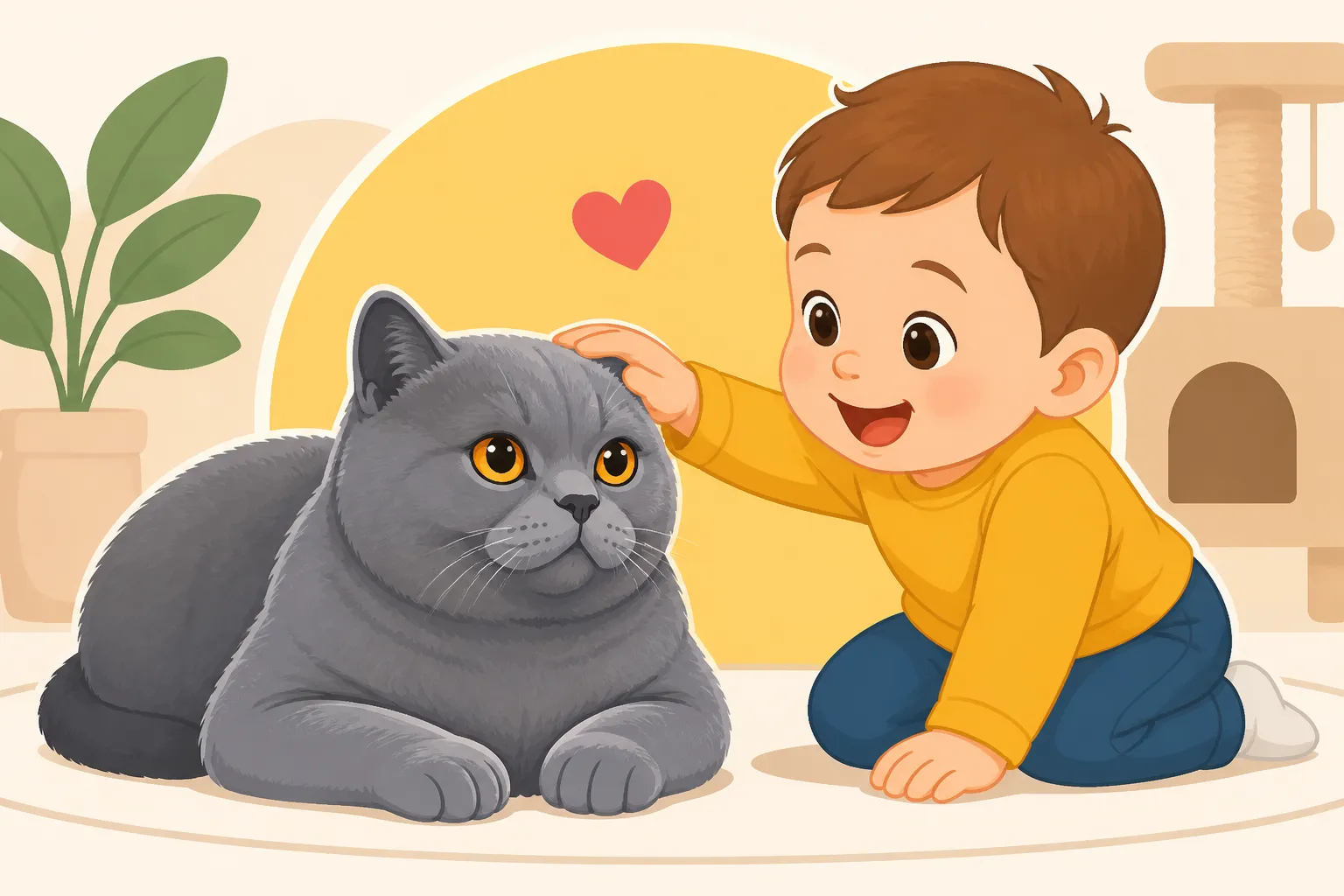
All interactions between your British Shorthair and your toddler should be closely supervised, especially in the early stages. This means you are actively present, not just in the same room. Teach your toddler the concept of "gentle hands." Demonstrate how to stroke the cat softly on its back or head, avoiding sensitive areas like the belly, tail, or paws. Praise your child enthusiastically when they are gentle and redirect them immediately if they are too rough. Consistency is key here. Remember, How a British Shorthair Behaves With Children largely depends on how well those interactions are guided.
Engage in "interactive play" where you facilitate the interaction in a positive way. Use a wand toy or a laser pointer (with careful use, ensuring the cat "catches" the laser dot periodically on a physical toy to prevent frustration) to engage your British Shorthair, allowing your toddler to be a part of the activity from a safe distance. This teaches your child that playing with the cat involves tools, not direct grabbing or wrestling. This type of play allows the cat to get some exercise, which is important given How Much Play a British Shorthair Needs, and helps the toddler understand appropriate engagement.
Never allow your toddler to chase, grab, or corner your British Shorthair. If your cat retreats to a safe space, teach your toddler that "cat needs space" and to leave them be. This builds trust with your cat, as they learn that you are their protector, and it teaches your child empathy and respect for animal boundaries. These early lessons are invaluable for their future interactions with all animals.
Teaching Your Toddler Respect for Animals
Toddlers are sponges, and they learn best by example. Model respectful behavior towards your British Shorthair. Speak in calm, quiet tones around the cat, especially when the toddler is present. Show them how to give the cat space, how to observe quietly, and how to offer a treat gently. Explain, in simple terms, that the cat has feelings and needs to be treated kindly. For instance, if your cat is napping in its bed, you can say, "Kitty is sleeping, we need to be quiet so she can rest." This helps them understand boundaries.
Emphasize that the cat's toys are the cat's toys, and the cat's food and water bowls are the cat's. Toddlers love to explore, but setting clear boundaries about what belongs to the cat reinforces the idea that the cat is a distinct individual with its own possessions and needs. If your toddler tries to pick up the cat, gently intervene and say, "Kitty doesn't like to be picked up. We can stroke her gently here," guiding their hand to an appropriate spot. This reinforces the knowledge that Why a British Shorthair Hates Being Picked Up is a natural trait of the breed, not a personal slight against the toddler.
Reinforce positive interactions with praise for both your child and your cat. If your British Shorthair tolerates a gentle stroke, give them a treat. If your toddler is gentle, offer enthusiastic praise. This positive reinforcement loop will help cement good habits and create positive associations for everyone involved. It’s about building a foundation of mutual respect and understanding, one gentle interaction at a time.
When to Intervene and Separate
Knowing when to step in is critical. If you see your British Shorthair’s body language shift from relaxed to tense – tail swishing low, ears flattening, pupils dilating, or a subtle leaning away – it’s time to intervene. Don't wait for a hiss or a swat. Gently scoop up your toddler and move them away, or create a barrier to give your cat space. You are the referee, ensuring fair play and safety for both parties. Your cat needs to know that you will protect them from unwanted attention.
Sometimes, simply redirecting your toddler's attention to another activity or toy is enough. If the cat seems overly stressed or the toddler is relentlessly pursuing, it's perfectly fine, and often necessary, to separate them entirely. You might put the toddler in another room for a few minutes with a distraction, or gently lead your British Shorthair to one of their safe havens. The goal is to prevent any negative experience from escalating and potentially becoming a lasting fear or aversion for either your cat or your child.
Recognize that your British Shorthair may have "off" days where they are less tolerant, just like humans do. Respect this. If they're particularly sleepy, grumpy, or just not in the mood for toddler shenanigans, give them extra space. Remember, your British Shorthair likely spends How Many Hours a Day a British Shorthair Sleeps, and interrupted rest can make any creature less patient. Protecting your cat's peace is part of responsible pet ownership, and it sets a good example for your child about respecting others' needs.
Long-Term Harmony: Living with a British Shorthair and Growing Toddler
Establishing good habits early on will pave the way for a harmonious household as your toddler grows and your British Shorthair ages. It’s an ongoing process of adjustment and reinforcement.
Maintaining Routine and Stability
Cats thrive on routine. Even with the whirlwind of a toddler, try to maintain your British Shorthair's regular feeding schedule, playtimes, and quiet periods. Predictability helps reduce stress. If mealtimes are consistent, for example, your cat knows when to expect food and isn't constantly nudging or weaving around your feet, potentially tripping a small child. When playtimes are scheduled, it gives your cat a dedicated opportunity to burn off energy and interact positively, rather than trying to initiate play at inappropriate moments with a toddler.
While the exact schedule might need to be flexible around a toddler's nap and meal times, aim for consistency where possible. If your cat knows that after the toddler's morning nap is when they get their favorite wet food, it provides a sense of security. This stability is incredibly reassuring to them, allowing them to better cope with the otherwise unpredictable nature of a toddler. It reinforces that despite the new arrival, their world hasn't completely turned upside down.
Consider using automated feeders for consistency, especially if your schedule with a toddler becomes erratic. Amazon has many reliable automatic feeders that can dispense food at set times, ensuring your British Shorthair gets their meals on schedule regardless of what childcare emergencies pop up. This takes one variable out of the equation and provides a steady anchor for your cat's day.
Encouraging Positive Associations
Always strive to create positive associations between your British Shorthair and your toddler. This means rewards for the cat whenever they are calm and tolerant in the toddler's presence. Treats, gentle praise, or a short, focused play session with a favorite toy can go a long way. If the cat voluntarily approaches the toddler and is gentle, reward that behavior immediately. The more positive experiences they have together, the stronger their bond will become.
Likewise, ensure that the toddler also has positive associations with the cat. Praise them profusely when they are gentle or respectful. Let them "help" you feed the cat (if appropriate and safe) or give a treat. This fosters a sense of responsibility and connection. The aim is for both cat and child to view each other as sources of positive interaction, not just something to be endured or avoided.
Over time, you might find your British Shorthair choosing to lie near your toddler during quiet moments, or even rubbing against their legs. These are huge wins and should be acknowledged and celebrated. They show that trust is building, and that your cat sees the toddler not as a threat, but as an accepted, albeit sometimes noisy, member of the family.
Recognizing Stress or Behavioral Changes
Even with the best preparation, living with a toddler can be stressful for a cat. Keep a close eye on your British Shorthair for any signs of stress or behavioral changes. This could include changes in appetite, litter box habits (urination or defecation outside the box), excessive grooming, lethargy, or increased hiding. A normally social cat becoming withdrawn, or a quiet cat suddenly vocalizing more, can also be red flags. These signs indicate that your cat is struggling to cope, and intervention is needed.
If you notice persistent changes, consult your veterinarian. They can rule out any underlying medical issues and offer advice on behavioral modifications. Sometimes, a simple adjustment to the environment, like adding another litter box in a more secluded area or increasing dedicated one-on-one quiet time with your cat, can make a huge difference. For instance, sometimes issues with the litter box can stem from simple stress or even the wrong kind of box. Understanding Which Litter Box Size a British Shorthair Needs and ensuring it's in a quiet, accessible spot can alleviate some stress.
Remember, a British Shorthair's overall health and happiness contribute to their tolerance and patience. Make sure they are receiving regular veterinary check-ups and their basic needs are met. Addressing potential issues like Gingivitis in a British Shorthair can prevent discomfort that might make them less tolerant. Ultimately, a happy, healthy cat is more likely to be a patient and tolerant companion for your growing toddler. This journey requires ongoing vigilance and adaptation, but with understanding and effort, a British Shorthair and a toddler can certainly learn to live together in peace. For broader considerations about their suitability for your home, you might find Whether a British Shorthair Is Right for You a helpful read.
Disclaimer
This article is for general informational purposes only and does not constitute professional advice. Laws, prices and regulations vary by location and change over time. Consult a qualified professional for guidance on your specific situation.