Why a British Shorthair Always Looks Grumpy
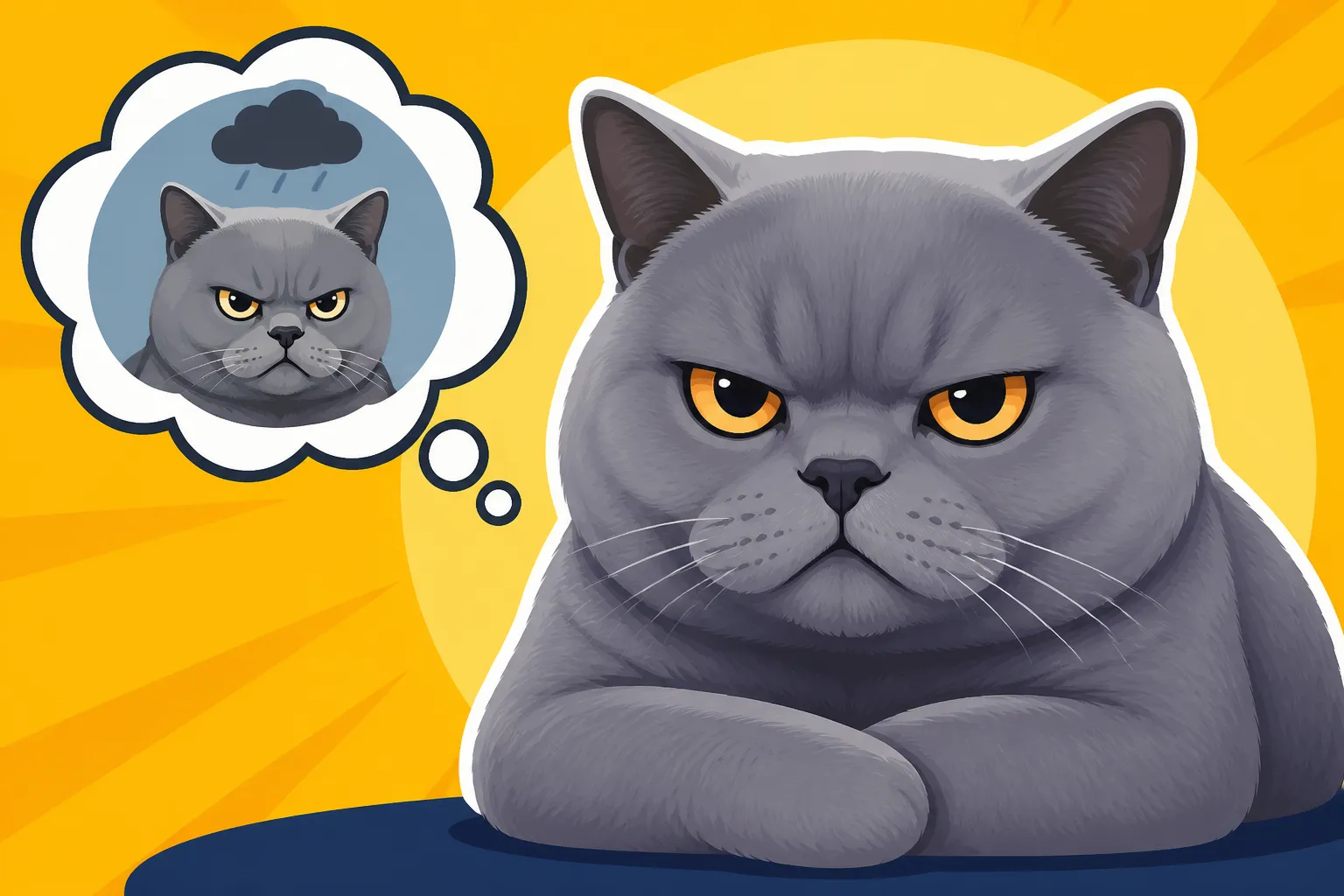
If you've ever spent time admiring a British Shorthair, you've probably noticed that perpetually serious, almost disapproving expression they wear. It's a common observation among owners and admirers alike, leaving many to wonder if their beloved feline companion is truly as grumpy as they look. This guide is here to unravel the mystery behind that iconic, seemingly unamused British Shorthair face and assure you that it's mostly a trick of genetics, not an indicator of their inner mood.
The Anatomy Behind the "Grumpy" Face
The charming, slightly stern look of a British Shorthair isn't a result of a bad day; it's intricately woven into their very anatomy. These cats are bred to possess certain physical traits that, when combined, create an illusion of perpetual solemnity or even a touch of disdain. It’s all about the curves and angles, or rather, the lack thereof, that makes their face so distinctive and, to us, a little bit grumpy.
The Distinctive Round Head and Jawline
One of the most defining features of the British Shorthair is their wonderfully round head. This isn't just a casual roundness; it's a prominent, apple-like shape that is a hallmark of the breed standard. Coupled with this is a strong, full jawline, often accentuated in males by impressive jowls that develop as they mature. This robust bone structure creates a broad face, pushing their cheeks out and contributing to that full-faced, almost teddy-bear appearance. However, this same fullness can also give the impression of a fixed, unyielding expression.
Think of it this way: when a human smiles, the muscles around their mouth and eyes pull upwards, creating creases and lifting the cheeks. A British Shorthair's substantial facial structure, particularly those full jowls we discussed in What a Male British Shorthair's Jowls Are, means there’s less visible movement and flexibility in their facial muscles to convey subtle changes in emotion. Their face is a solid, stoic canvas, which might make their default expression seem less overtly joyful, even when they’re purring contentedly. It's their natural architecture, giving them that classic, sometimes stern, look.
Eyes That Seem to Frown
Another key element contributing to the "grumpy" aesthetic is the placement and shape of their eyes. British Shorthairs typically have large, round, wide-set eyes, often in striking shades of copper or gold. While beautiful, these eyes are set in a way that, combined with their heavy brow ridge, can create the optical illusion of a furrowed brow or a slight frown. The skin above their eyes often has a subtle fold or natural weight that contributes to this effect, as if they’re constantly pondering the deeper philosophical questions of catnip availability.
It's a look that can be quite endearing once you understand it, but it certainly doesn't scream "playful" or "cuddly" at first glance. Imagine looking at someone who naturally has heavy eyelids or a slight downward turn to the corners of their mouth; even when they're perfectly happy, their default expression might seem less cheerful than someone with naturally upturned features. For a British Shorthair, their eye shape and placement contribute significantly to that permanent "resting grumpy face" syndrome. You can learn more about this unique feature in The Round Head and Copper Eye a British Shorthair Is Judged On.
Small, Low-Set Ears
The British Shorthair's ears are another subtle but important factor in their overall facial expression. They are typically small to medium-sized, rounded at the tips, and set relatively wide apart and low on their broad head. This positioning can make their face appear even wider and more rounded, further emphasizing the "fullness" of their cheeks and brow. Unlike cats with larger, more upright, or expressive ears that might swivel and point to convey mood, the British Shorthair's ears blend more seamlessly into their head shape.
When a cat is alert or engaged, their ears might perk up and rotate. While British Shorthairs do this, the inherent size and setting of their ears means these movements are less dramatic and perhaps less noticeable to the casual observer. This lack of highly dynamic ear movement, combined with their other facial features, consolidates the impression of a consistently calm, almost unbothered, facial expression. It's another piece of the puzzle that creates their signature look, ensuring they always appear composed, even when they're secretly thrilled by a dangling toy.
Temperament and Expression: Is it Really Grumpiness?
It's easy to look at a British Shorthair's face and assume their expression mirrors their mood. However, a deep dive into What a British Shorthair's Temperament Is Really Like quickly reveals that their inner world is usually far from grumpy. These cats are renowned for their calm, affectionate, and independent natures, which often belies their stoic exterior. Their expressions are more about their breed characteristics than their emotional state.
A Naturally Calm and Reserved Demeanor
British Shorthairs are famous for being incredibly calm and easygoing. They're not generally known for frantic bursts of energy or overly dramatic displays. Instead, they often exhibit a quiet dignity, preferring to observe the world from a comfortable perch rather than be at the center of constant commotion. This inherent calmness extends to their demeanor, meaning they aren't typically a breed that's going to be bouncing off the walls with visible excitement. This tranquil nature can reinforce the perception of grumpiness because they simply don't often show exaggerated joy or overt animation in their expressions, even when they are perfectly content.
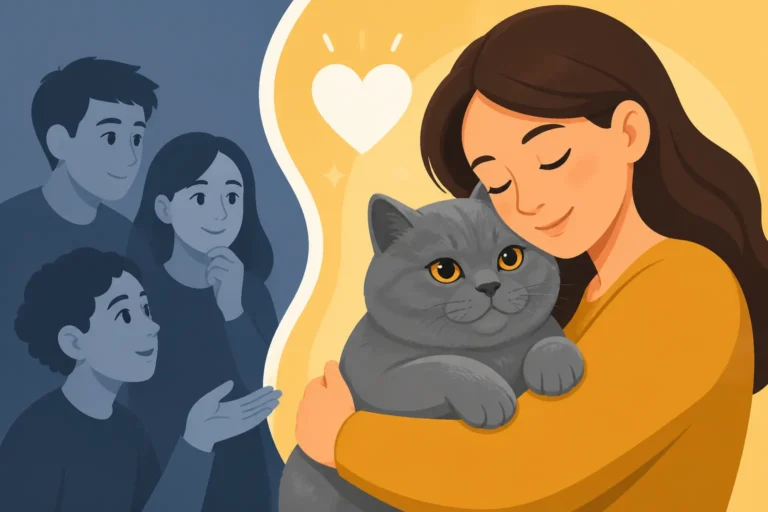
Consider a cat that loves to sit near you but not necessarily on you, a common British Shorthair trait. This preference for proximity over constant physical contact might seem aloof to some, but it's simply their way of showing affection. They are often described as "sturdy" in both body and mind, possessing a quiet confidence that translates into a serene presence. Their reserved nature means their expressions are rarely boisterous, which can easily be mistaken for a lack of enthusiasm or a general air of displeasure.
Subtle Communication Cues
Because their facial anatomy isn't designed for broad, overt expressions, British Shorthairs communicate their feelings through much more subtle cues. You won't often see a wide-eyed, grinning British Shorthair, but you'll certainly feel their affection in other ways. A slow blink, for instance, is a classic sign of trust and contentment in any cat, and it's especially prominent in British Shorthairs. When your British Shorthair gives you a long, deliberate blink, they are essentially blowing you a kiss.
Their tail is another excellent indicator of mood. A gently swaying tail, a slight twitch of the tail tip, or a tail held high with a slight curve are all positive signals. Similarly, their body language as a whole speaks volumes. A relaxed posture, a soft purr that rumbles through their sturdy body, or the gentle rub of their head against your leg are all ways How a British Shorthair Shows Affection without needing a conventionally "happy" face. Learning to read these nuanced signals is key to understanding your British Shorthair's true feelings, moving beyond their naturally serious expression.
The "Statuesque" British Shorthair Pose
It's not uncommon for a British Shorthair to sit or lie in a very still, almost statuesque manner. They often seem deep in thought, perhaps contemplating the mysteries of the universe or simply enjoying a quiet moment. This stillness, combined with their naturally robust build and round features, creates a formidable and sometimes unapproachable appearance. They might stare intently, not out of aggression, but simply curiosity or focus. This can be intimidating to those unfamiliar with the breed, who might interpret the intense gaze and unmoving posture as a sign of being cross or unhappy.
Many owners describe their British Shorthairs as being very "present" but not necessarily "active" in the traditional sense. They are content to be near you, often choosing to lounge in the same room, silently observing. This quiet presence and lack of overt physical display of excitement further contribute to the idea that they are somewhat aloof or even grumpy. However, if you watch closely, you'll see small tells: a twitch of an ear, a slight shift in their gaze, or the way they lean into your touch when you finally reach out. Their calm stillness is simply Why a British Shorthair Is So Still, not a sign of emotional distress.
Misinterpreting Their Expressions: What Owners Should Know
It's tempting to project human emotions onto our pets, especially when their faces seem to convey something so clearly. With British Shorthairs, however, falling into the trap of anthropomorphism can lead to misunderstanding their true feelings. Their unique facial structure means their "grumpy" look is often a misinterpretation, and knowing the difference between their natural expression and actual signs of discontent is crucial for their well-being.
Understanding Their Comfort Levels
A British Shorthair might always look grumpy, but that doesn't mean they are grumpy. Their comfort levels are usually very high in a stable, predictable environment. These cats thrive on routine and calm, and a disruption might make them slightly unsettled, but their face won't necessarily change to reflect that. Instead, you'll need to observe their broader body language. Are their whiskers relaxed and forward? Is their tail softly swishing or held high? Are their ears relaxed and facing forward, rather than flattened or swiveling rapidly? These are far more accurate indicators of their internal state than their default facial expression.
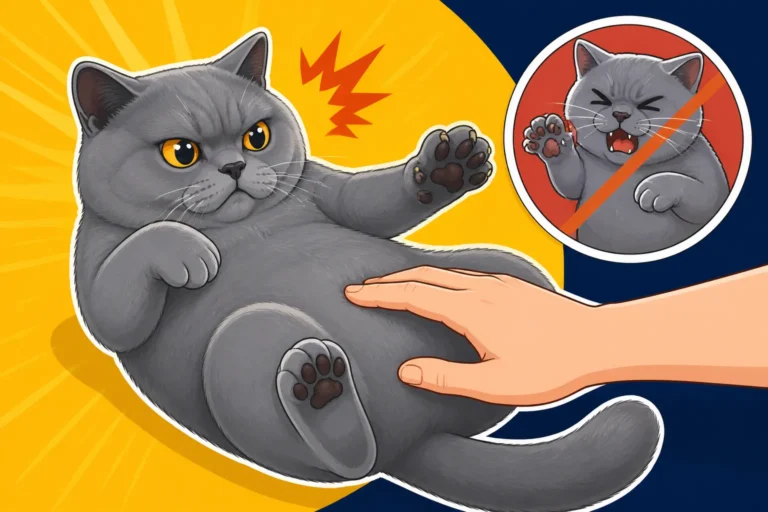
For example, if your British Shorthair is sprawled out, perhaps even showing their belly (a sign of immense trust!), but still has that classic "grumpy" face, they are almost certainly comfortable and content. Their face simply isn't a barometer for their momentary happiness or unhappiness. Learning How to Read a British Shorthair's Face involves looking beyond the eyes and mouth to the entire picture, considering their posture, tail position, and overall engagement with their surroundings.
Signs of Contentment Versus Discomfort
Since their faces are less expressive, recognizing genuine contentment or subtle signs of discomfort requires a holistic approach.
Signs of Contentment:
- Purring: A deep, rumbling purr is the most obvious sign of a happy British Shorthair.
- Kneading: Gently pushing their paws into soft surfaces, often accompanied by purring.
- Slow Blinks: As mentioned, this is a sign of trust and relaxation.
- Relaxed Body Language: Loosely held tail, unhunched posture, lying with paws tucked or stretched out.
- Rubbing/Bunting: Gently head-butting you or rubbing their cheeks against you to mark you with their scent.
- Following You: Preferring to be in the same room as you, even if not directly interacting.
Signs of Discomfort or Stress:
- Flattened Ears: Ears pinned back or turned sideways.
- Tail Tucked or Thumping: Rapid thumping of the tail against the floor.
- Hiding: Seeking secluded spots away from interaction.
- Hissing/Growling: Obvious vocalizations of displeasure. How Vocal a British Shorthair Is can vary, but these are clear.
- Dilated Pupils: Can indicate fear or excitement, depending on context.
- Changes in Appetite or Litter Box Habits: These are always red flags indicating potential health or stress issues.
It's a dance of observation, where every part of their magnificent body plays a role in telling you how they feel.
Avoiding Anthropomorphism
It’s completely natural to see a British Shorthair with their serious expression and think they’re judging your life choices or are perpetually annoyed. We, as humans, are wired to read faces for emotional cues. However, applying human emotional interpretations to a cat's fixed facial structure can lead to misunderstandings and sometimes, to missing genuine signs of distress or joy. Your British Shorthair isn't actually judging your outfit; that's just their face.
The reality is that their "grumpy" look is a beautiful breed trait, much like the fluffy tail of a Persian or the sleek coat of a Siamese. It's part of what makes them uniquely British Shorthair. Instead of asking "Why is my cat always grumpy?", it's more accurate to ask, "Why does my cat's face look so serious even when they're happy?" It's important to remember that their calm, steadfast personality is often what's reflected in their quiet dignity, not a constant state of displeasure. Embrace the serious face as part of their charm, and learn to appreciate the subtle ways How Affectionate a British Shorthair Is actually shows itself.
Enrichment and Well-being: Keeping a Content British Shorthair
Even if their faces are naturally serious, ensuring your British Shorthair is truly content is paramount. A happy cat might still sport that iconic "grumpy" expression, but their overall health and demeanor will tell a different story. Providing the right environment, appropriate play, and consistent care contributes significantly to their mental and physical well-being. This, in turn, helps them live a full and contented life, no matter what their face might suggest.
Tailoring Playtime to Their Energy Levels
British Shorthairs are generally not the most hyperactive cats. They tend to have bursts of playful energy interspersed with long periods of napping and quiet observation. This means How Much Play a British Shorthair Needs might be less intense or prolonged than with other breeds, but it's no less important. Interactive play is crucial for mental stimulation and preventing obesity, a common issue for this sturdy breed. Engage them with toys that appeal to their hunting instincts, such as wand toys that mimic birds or mice, or puzzle feeders that challenge their minds.
Instead of expecting them to chase a laser pointer for half an hour, aim for two to three shorter play sessions a day, perhaps 10-15 minutes each. These focused sessions can prevent boredom and encourage them to move their bodies without overwhelming their calm nature. Toys that they can "catch" and feel victorious about, rather than just endlessly chase, are often more satisfying. Consider an interactive toy they can bat around on their own, perhaps found on Amazon, to keep them mildly engaged even when you're busy.
Creating a Peaceful Environment
Given their calm and reserved nature, a British Shorthair truly thrives in a peaceful and predictable home environment. Loud noises, constant changes, or excessive commotion can be stressful for them, even if their "grumpy" face doesn't overtly change. Provide them with plenty of comfortable, quiet spaces where they can retreat and feel secure. This includes cozy beds, high perches (if they choose to use them, as not all are avid climbers), and access to sunlight for napping.
A routine feeding schedule, consistent litter box maintenance, and a predictable daily rhythm will go a long way in making your British Shorthair feel safe and content. While they can adapt to some household dynamics, they generally prefer a tranquil existence where they can feel relaxed and in control of their personal space. Making their world predictable helps reduce any underlying stress that, while not visible on their face, could impact their overall happiness.
Regular Health Checks for Overall Happiness
No matter how calm and stoic your British Shorthair appears, regular veterinary check-ups are essential. Even a "grumpy" looking cat can be in pain or discomfort, and their subtle nature means they might hide symptoms remarkably well. Conditions like dental disease, arthritis (especially as they age or if overweight), or even heart conditions like HCM (Hypertrophic Cardiomyopathy) can develop silently. Catching these issues early is key to maintaining their quality of life.
Your vet can assess their overall health, including their weight and dental hygiene, and recommend appropriate preventative care or treatments. Early intervention can make a world of difference in managing conditions and ensuring your British Shorthair remains comfortable and happy for as long as possible. A healthy cat, even with a serious expression, is a happy cat. After all, the cost of What a British Shorthair's First Dental Costs is far less than treating advanced problems.
| Facial Feature | Contribution to "Grumpy" Look | What It Really Means for the Cat |
|---|---|---|
| Round Head | Creates broad, heavy appearance | A breed standard, symbol of robust health |
| Full Jowls | Adds to a 'set' expression, especially in males | A sign of maturity and breed type |
| Eye Shape/Set | Appears as a furrowed brow or frown | Normal eye structure; can show trust via slow blinks |
| Small Ears | Less dynamic expression | Blends into head; subtle movements indicate alertness |
| Overall Calmness | Less overt excitement shown | Contentment, relaxation, quiet observance |
Disclaimer
This article is for general informational purposes only and does not constitute professional advice. Laws, prices and regulations vary by location and change over time. Consult a qualified professional for guidance on your specific situation.