The Quietest Cat in the House
You've brought a British Shorthair into your home, perhaps expecting the typical boisterous cat antics, only to find yourself living with a fluffy, purring enigma who communicates more with a blink than a meow. It's a common experience for owners of these magnificent felines to wonder if their cat is simply shy, eternally sleepy, or if their quiet nature is just, well, normal. This comprehensive guide will delve deep into why your British Shorthair is likely the quietest cat in the house, how they communicate without making much noise, and what to do when that silence might actually be telling you something important.
Understanding the British Shorthair's Quiet Nature
It's not just a rumor; British Shorthairs genuinely are known for their reserved and generally quiet demeanor. Unlike some of their more vocal feline cousins, a British Shorthair often prefers to express itself through subtle body language rather than a constant stream of meows or demands. This inherent trait is part of their charm, contributing to their reputation as calm, collected, and wonderfully low-key companions. Many owners are drawn to them precisely because they aren't the type to wake you up with persistent yowling for breakfast.
This quietness isn't a sign of aloofness or disinterest, though it can sometimes be misinterpreted that way. Instead, it reflects a deeply contented and self-sufficient personality. They are typically observers, taking in their surroundings with a thoughtful gaze before deciding if any action is truly necessary. This can be a huge relief for those living in apartments or quiet households where constant vocalizations from a pet might be disruptive. Their calm presence can actually be incredibly soothing after a long day.
Part of this quiet disposition also ties into their history. British Shorthairs originated as robust working cats, likely valued for their stoic nature and hunting prowess, not their conversational skills. While modern breeding has refined their appearance and temperament, that quiet, observant core remains. It's a genetic predisposition, a fundamental aspect of the breed's character that makes them distinct. So, if your British Shorthair is more of a quiet shadow than a vocal alarm clock, rest assured, they're simply being true to their heritage.
Why British Shorthairs Aren't Typically Vocal
One of the biggest questions new British Shorthair owners have is "Why is my cat so quiet?" It's not uncommon to wonder if something is wrong when your feline friend rarely utters a peep beyond a soft purr. However, this is largely due to their breed-specific temperament. Unlike breeds such as the Siamese, who are notorious for their loud, insistent vocalizations and "conversations" with their owners, British Shorthairs tend to be much more laid-back and less prone to demanding attention through sound. They've simply never been bred for extensive chatter.
Their communication style leans heavily towards non-verbal cues. A British Shorthair might walk into a room, sit down a respectful distance from you, and simply stare until you acknowledge them, perhaps with a slow blink. This quiet approach is effective for them, as they learn that their subtle presence is usually enough to get your attention or convey their desires. If they rarely get a reaction from loud meows, they won't continue to use them.
Furthermore, British Shorthairs are generally very self-assured cats. They don't typically exhibit the kind of anxiety or neediness that often drives excessive vocalization in other breeds. They're quite content in their own company, often finding quiet spots to observe the household goings-on without feeling the need to comment on every little thing. This self-possession contributes greatly to their reputation as The Quietest Cat in the House.
The Sound of a British Shorthair's Meow
When a British Shorthair does decide to grace you with a vocalization, it's often a surprisingly small, soft sound, almost incongruous with their chunky, substantial build. You might expect a deep, booming "MROW!" from such a solid cat, but what you often get is a delicate "mew," a tiny chirp, or a quiet trill that sounds more like it came from a kitten. It's one of those endearing quirks that makes owning a British Shorthair so special.
These soft meows are usually reserved for specific situations. They might use a small "mew" to greet you when you return home, a gentle reminder that they've missed you but aren't going to make a fuss about it. A quiet trill might be used to call their kittens, or to express mild contentment when they're particularly happy, perhaps during a favorite petting session. It's a subtle invitation to interact, rather than a forceful demand.
Sometimes, their meows are so quiet you might even miss them, especially if there's other ambient noise in the house. You might only notice it if you're very close, perhaps while giving them their evening meal. It's a testament to their understated nature, where even their most direct vocal communication is often a whisper rather than a shout. If you're wondering What a British Shorthair's Chirp Means, it's usually a positive, affiliative sound.
Decoding British Shorthair Vocalizations
While they aren't chatty, British Shorthairs do have a range of subtle vocalizations, each carrying its own meaning. Understanding these nuances can deepen your bond with your cat and help you respond appropriately to their needs and moods. It's like learning a secret language, one spoken in hushed tones and soft murmurs. Pay close attention, and you'll start to recognize the pattern and context of each little sound.
Their purrs, for instance, are often quite robust and rumbling, a stark contrast to their delicate meows. A strong purr is a clear indicator of contentment, whether they're curled up on your lap (if you're lucky!) or simply enjoying a quiet snooze in a sunbeam. It's a comforting sound that reassures you of their happiness, a warm vibration that fills the air without being overly loud.
Beyond the purr, you might hear soft trills, chirps, and very occasional, quiet meows. Each of these can be a signal, and learning to interpret them in context will help you understand your British Shorthair's inner world. It's not about the volume, but the intention behind the sound that truly matters.
The Gentle Purr
The British Shorthair's purr is perhaps their most consistent and noticeable vocalization, and it's often surprisingly deep and resonant given their generally quiet nature. While their meows might be delicate, their purrs can vibrate through your chest if they decide to settle on your lap. This rumbling sound is the quintessential sign of a happy, relaxed, and content cat, a feline equivalent of a warm sigh of pleasure.
You'll typically hear this beautiful purr when your British Shorthair is feeling safe and secure. This could be during a gentle petting session, while they're dozing in a favorite warm spot, or even when they're simply enjoying a quiet moment near their favorite human. It’s a wonderful sound that confirms they’re feeling well and at peace with their world. Don't be surprised if this purr is the loudest sound you consistently hear from them.
Sometimes, a purr can also be a self-soothing mechanism, used by cats when they are feeling unwell or stressed. However, in a generally healthy and calm British Shorthair, a strong, steady purr is almost always a sign of deep contentment. It's their way of letting you know they're thoroughly enjoying the present moment, whether they're sprawled out on a comfy blanket or getting a gentle ear rub.
Occasional Chirps and Trills
While their meows are rare, you might occasionally hear your British Shorthair emit soft chirps or trills. These sounds are distinct from a typical meow and often carry different meanings. A chirp is a short, bird-like sound, usually higher in pitch, while a trill is a rolling, purr-like sound that often rises and falls in tone. These aren't loud calls for attention but rather more subtle forms of communication.
Chirps are often used by cats when they are tracking prey, even if that "prey" is just a bird outside the window or a dust bunny under the sofa. It's an involuntary excitement sound, almost like a suppressed hunting cry. If your British Shorthair is sitting intently by a window, watching a squirrel, you might catch a faint chirp. It's a fascinating glimpse into their innate predatory instincts, even for the most laid-back house cat.
Trills, on the other hand, are typically affiliative and friendly. A British Shorthair queen will often trill to call her kittens, and adult cats might use it as a greeting or an invitation to approach. You might hear a gentle trill when your cat winds around your legs as you walk, or when they jump onto the sofa to join you. It's a sweet, welcoming sound that indicates they're happy to see you and open to interaction, a gentle What a British Shorthair Trill Means to draw you closer.
The Rare, Soft Meow
The conventional "meow" from a British Shorthair is a truly rare event, almost like spotting a unicorn in your living room. When it does happen, it's typically a small, almost apologetic sound, often barely audible. Don't expect a robust, demanding cry; think more along the lines of a polite request or a soft inquiry. It's a marked contrast to the loud, insistent vocalizations of many other cat breeds.
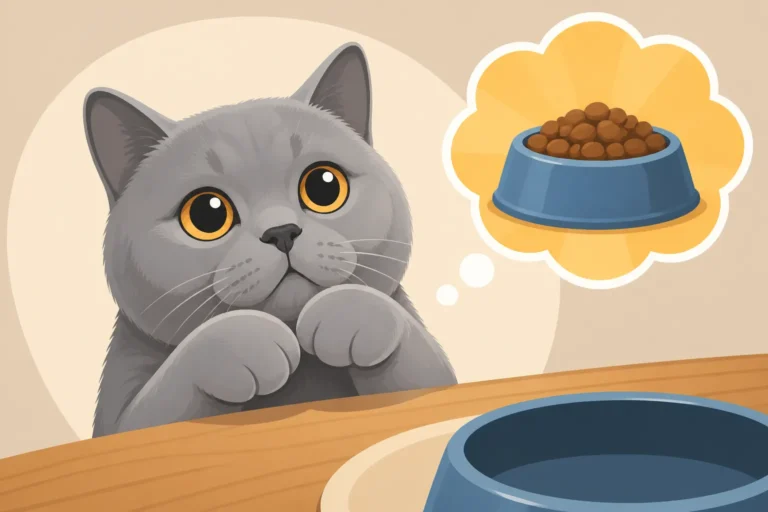
These rare meows are usually reserved for situations where they genuinely need something and their usual silent communication methods haven't quite worked. Perhaps they're standing by an empty food bowl, or they want a particular door opened. It's their way of saying, "Excuse me, I have a request, if you don't mind." They typically don't waste energy on prolonged meowing if a brief, soft sound will suffice.
For an owner accustomed to their cat's quiet nature, hearing even a faint meow can be a significant indicator. It means they're really trying to get your attention for something important to them. It's a reminder that while they're generally How Vocal a British Shorthair Is, they still possess the ability to speak up when necessary. Pay heed to these rare vocalizations, as they carry more weight than a constant chatter would.
Beyond the Meow: Non-Vocal Communication
Because British Shorthairs are not big talkers, you'll find that their communication relies heavily on body language, facial expressions, and even subtle shifts in their posture. Learning to read these cues is absolutely essential to understanding your British Shorthair. It's like becoming fluent in a silent language, one that speaks volumes if you know how to listen with your eyes. This is where the true depth of their personality shines through.
They are masters of the slow blink, the tail twitch, and the precise angle of their ears. These signals can tell you if they're content, annoyed, playful, or even unwell. Misinterpreting these silent signals can lead to misunderstandings, so honing your observation skills is key to a harmonious relationship. Many owners find this aspect of British Shorthair ownership incredibly rewarding, as it encourages a deeper, more mindful connection with their pet.
This silent communication also applies to how they show affection. You won't often find a British Shorthair showering you with constant purrs and headbutts, though they certainly have their moments. Instead, they might choose to simply be in the same room as you, or settle near your feet, offering a reassuring presence without the need for constant physical interaction. It's a quiet form of devotion that is deeply felt. Learning How to Read a British Shorthair's Face will give you a wealth of information about their mood.
The Language of the Eyes
A British Shorthair's eyes are incredibly expressive, often serving as their primary tool for silent communication. Those large, round, often copper-colored eyes can convey a wealth of emotion, from deep contentment to mild irritation, without a single sound. For an attentive owner, observing their cat's gaze is like reading an open book, revealing their inner world.
The "slow blink" is perhaps the most famous feline eye behavior, and British Shorthairs use it expertly. When your cat looks at you and slowly closes and then opens its eyes, it's widely understood as a sign of trust and affection, essentially a "cat kiss." If you return the slow blink, you're reciprocating that feeling of calm and safety, reinforcing your bond in a quiet, profound way. It’s a beautifully simple interaction that costs nothing.
Beyond the slow blink, the dilation of their pupils can tell you a lot. Large, dilated pupils often indicate excitement, fear, or a heightened state of arousal – perhaps during a play session or if something startling has happened. Pinpoint pupils, on the other hand, might suggest aggression or intense focus. Paying attention to these subtle changes in their eyes, along with the rest of their body language, provides a full picture of their emotional state.
Tail Talk and Ear Twitches
Just like dogs, a cat's tail and ears are crucial indicators of their mood, and British Shorthairs are no exception. Their plush, thick tails might not wag with the exuberance of a canine's, but every subtle movement carries meaning. Learning to interpret these can help you understand your cat's unspoken feelings and needs. It's a dynamic, silent language constantly being updated.
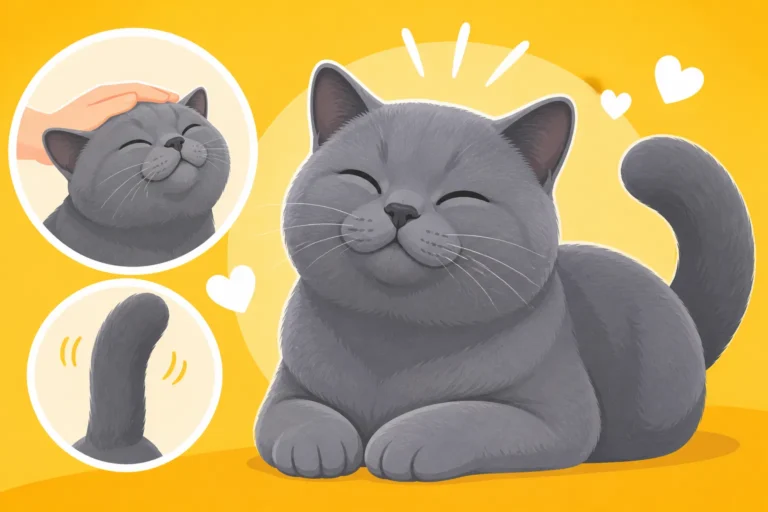
A high, upright tail with a slight curve at the tip, sometimes described as a "question mark" tail, is generally a sign of friendliness and happiness. It means your British Shorthair is feeling confident and approachable. If the tail is held low and tucked between their legs, it usually indicates fear or submission. A rapidly twitching or lashing tail, especially at the tip, is a clear warning sign of irritation or agitation, suggesting it's best to give them some space. This is often seen when they are mildly annoyed but too polite to voice it.
Their small, rounded ears also provide vital clues. Ears pricked forward indicate alertness and interest, while ears flattened against their head (often called "airplane ears") are a sign of fear, aggression, or discomfort. Even slight swivels or twitches can show what they are paying attention to. Combining eye contact, tail position, and ear movements paints a comprehensive picture of your British Shorthair's emotional state, allowing you to understand How a British Shorthair Shows It Is Pleased or displeased.
Body Posture and Proximity
The way a British Shorthair holds its body, and its chosen distance from you, are powerful forms of silent communication. These cats are masters of subtle cues, and their posture often speaks volumes about their comfort level, confidence, and desire for interaction. It's about respecting their space and understanding what their physical presence implies.
A relaxed British Shorthair will often sprawl out, perhaps on their back with their belly exposed, or curled up in a loose, comfortable ball. This open, vulnerable posture indicates a deep sense of security and trust in their environment. If they are hunched, tense, or trying to make themselves look smaller, it can signal fear or discomfort. A cat standing stiffly with an arched back and puffed-up fur is clearly trying to look intimidating and is feeling threatened.
Furthermore, their choice of proximity to you is key. A British Shorthair might not be a "lap cat" in the traditional sense, always seeking direct contact. Instead, they might choose to sit on the sofa next to you, or on a nearby chair, simply enjoying your presence. This act of choosing to be near you, without necessarily demanding petting, is a profound expression of affection and companionship. It shows they value your company and feel safe with you, which is a big deal for such an independent soul.
Living with a Quiet Companion
Embracing the quiet nature of a British Shorthair means adjusting your expectations of feline interaction. They won't constantly demand your attention with loud meows, but that doesn't mean they don't value your companionship. In fact, their calm demeanor often makes them wonderful, unobtrusive pets, perfect for quiet households, busy individuals, or those who appreciate a peaceful home environment. It's a different kind of relationship, built on mutual respect and understanding.
This quietness extends to their activity levels as well. British Shorthairs are generally not hyperactive cats. They enjoy their naps, their quiet observation posts, and short bursts of play. This means they are often content with less structured entertainment than some high-energy breeds. Their contentment with solitude can be a huge bonus for owners who work long hours, though they still need regular interaction and enrichment.
However, it's also important to ensure their quietness doesn't mask any underlying issues. Because they're so naturally reserved, a change in their subtle behaviors might be the only sign that something is amiss. This requires owners to be particularly observant and attuned to their cat's usual patterns. This vigilance is part of the responsibility of owning such a stoic and gentle creature.
The Independent Streak
One of the defining characteristics of a British Shorthair, which often goes hand-in-hand with their quiet nature, is their strong sense of independence. These cats are not typically "velcro pets" who need to be constantly attached to their humans. They are perfectly content to entertain themselves, observe the world from a comfortable perch, or simply enjoy a long, undisturbed nap in a sunbeam. This self-sufficiency is a big part of their appeal for many owners.
This doesn't mean they don't love you; it just means they express that love in their own way. They might choose to sit near you rather than on you, or follow you from room to room simply to be in your vicinity, without demanding direct interaction. It's a comforting, loyal presence that asks for little but gives a lot in return. Many owners appreciate this balance, as it means they can go about their day without constant feline interruption.
This independence also means they generally handle alone time very well. If you work a full day, your British Shorthair is unlikely to suffer from severe separation anxiety. As long as they have access to food, water, a clean litter box, and some comfortable resting spots, they're usually quite content to hold down the fort. Of course, they still need your attention and play time when you return, but their quiet self-reliance makes them a fantastic fit for many modern lifestyles. For more on this, check out How Many Hours a British Shorthair Can Be Left.
Respecting Their Space
Given their quiet and independent nature, respecting a British Shorthair's personal space is paramount to building a strong, trusting relationship. Unlike some cats who thrive on constant physical interaction, British Shorthairs often prefer to initiate contact on their own terms. Pushing them for attention when they're not in the mood can lead to them becoming even more reserved or, in rare cases, reacting defensively.
This means learning to read their subtle cues. If your cat is stretched out, seemingly relaxed, but avoids eye contact or slightly twitches its tail when you approach for a pet, it might be a gentle hint that they'd prefer to be left alone for the moment. On the other hand, if they slowly approach you, rub against your legs, or offer a slow blink, they're inviting interaction. It's all about mutual respect and understanding their boundaries.
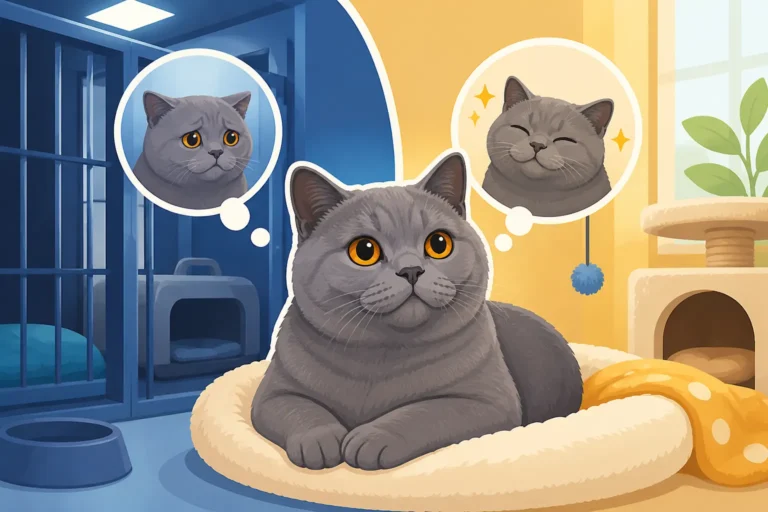
Providing them with quiet, elevated spaces where they can retreat and observe without being disturbed is also crucial. A sturdy cat tree, a cozy bed on a high shelf, or even a simple box can become their sanctuary. Knowing they have a safe haven where they can relax undisturbed helps build their confidence and makes them more likely to seek out interaction with you when they are ready. You can find many suitable options for cat trees and cozy beds on sites like Amazon.
Play That Moves a Quiet Cat
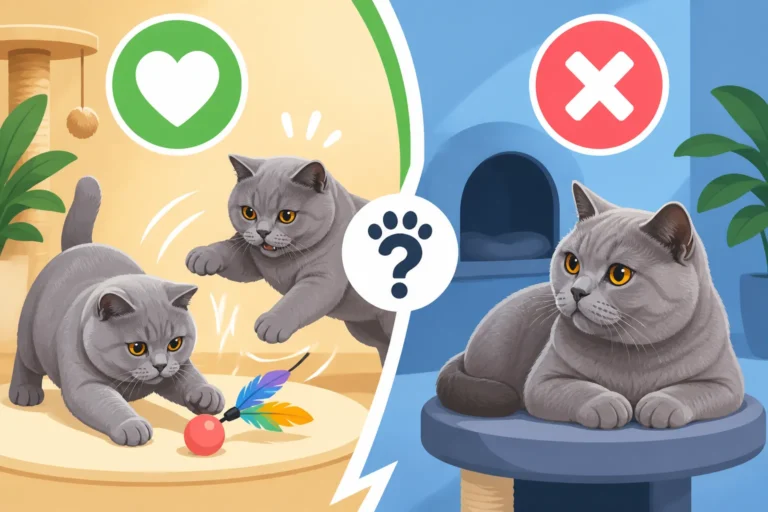
Just because British Shorthairs are quiet doesn't mean they don't enjoy playtime! However, their play style is often less frantic and more focused than other breeds. They tend to prefer short, intense bursts of activity rather than prolonged, high-energy sessions. The key is to find toys and activities that genuinely engage their predatory instincts without overwhelming their calm disposition. You might need to be the one initiating the play, as they're unlikely to bring you a toy.
Wand toys with feathers or small, fur-like attachments are often a big hit. The erratic movements mimic prey, tapping into their hunting drive. You'll often see them transform from a placid loaf to a surprisingly agile hunter, stalking, pouncing, and batting at the "prey" with gusto. Laser pointers can also be engaging, but always end a laser session by pointing the laser at a physical toy they can "catch" to prevent frustration.
Puzzle feeders are another fantastic way to engage their minds and encourage gentle activity, especially if you have a Why a British Shorthair Gains Weight So Easily. These require your cat to "work" for their food, stimulating their problem-solving skills and slowing down their eating. You can find a wide variety of interactive toys and puzzle feeders on Amazon that cater to their unique play style. Just remember, a few minutes of focused play several times a day is often more effective than one long, exhausting session.
When Silence is a Warning Sign
While a British Shorthair's quiet nature is usually normal and endearing, it's crucial to distinguish between their typical reserved demeanor and silence that indicates something is wrong. Because they are so naturally stoic and often hide pain or discomfort, a change in their usual quiet patterns can be a significant red flag. As an owner, becoming intimately familiar with your cat's baseline behavior is your best tool for early detection of health issues.
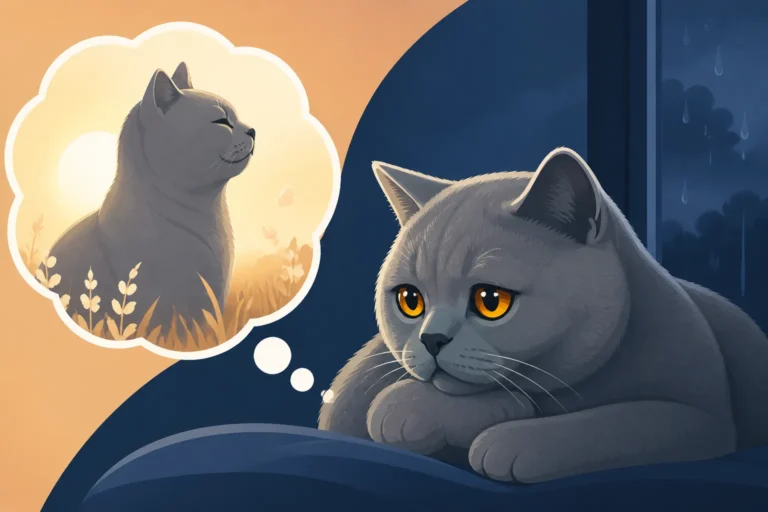
Cats are masters at masking illness, a survival instinct from their wild ancestors. They don't want to appear vulnerable to predators. For a British Shorthair, this means they might simply become even more withdrawn and quiet if they're not feeling well, or they might change their routines in subtle ways. It's rarely a dramatic collapse, but rather a slow, almost imperceptible shift that only an observant owner would notice.
Therefore, owners must pay close attention to other subtle behavioral changes that accompany prolonged silence. Is your cat eating less? Hiding more? Changes in litter box habits? These combined signs, even without vocalization, can be strong indicators that it's time for a vet visit. Never dismiss a sudden increase in quietness or withdrawal, especially if it's out of character for your usually quiet, but present, British Shorthair. This is vital when considering Whether a Silent British Shorthair Is Unwell.
Changes in Routine or Hiding Behavior
A key indicator that a British Shorthair's silence might be a sign of illness or distress is a noticeable change in their routine or an increase in hiding behavior. While British Shorthairs enjoy their quiet spaces, an outright disappearance or a sudden reluctance to participate in usual activities is cause for concern. These shifts are often more telling than a lack of meows, given their naturally subdued vocal tendencies.
If your cat, who usually greets you at the door with a subtle head bump, now stays hidden under the bed for hours, or if they stop coming for their regular meal times, these are significant departures from their norm. Even a shift in their favorite sleeping spots, moving from an open, familiar location to a secluded, dark area, can signal that they're trying to cope with discomfort or fear. They're seeking solitude to nurse themselves.
It’s important to remember that British Shorthairs are creatures of habit. Any sustained deviation from their established daily rhythms—whether it's sleeping more, eating less, or simply not engaging with toys they usually love—warrants a closer look. They may not cry out in pain, but their actions will often speak volumes. Always investigate prolonged hiding, as it's a common feline response to feeling unwell or vulnerable.
Decreased Appetite or Thirst
Another critical sign that your quiet British Shorthair might be unwell, even if they aren't vocalizing distress, is a noticeable decrease in their appetite or thirst. Cats, particularly male cats, are highly susceptible to urinary issues and kidney problems, and any change in their food or water intake can be a significant warning sign that something serious is happening internally.
If your cat leaves food uneaten that they usually devour, or if you notice their water bowl isn't emptying as quickly as usual, don't dismiss it. Even a day or two of reduced intake can be problematic, especially for cats, as prolonged lack of food can lead to liver issues. You might have to carefully monitor their consumption, especially if you have multiple pets, by feeding them separately or using smart feeders that track individual intake.
Combine reduced appetite with other subtle signs like lethargy, changes in litter box habits (like straining to urinate or defecate), or unusual hiding, and you have a strong case for an immediate veterinary visit. These are classic subtle signs of distress in a cat who won't be How a British Shorthair Asks for Food with loud meows. Their silence combined with these physical changes is their quiet plea for help.
Lethargy or Behavioral Changes
Lethargy, or a marked decrease in energy and enthusiasm, is a non-vocal but incredibly important indicator that a quiet British Shorthair might be feeling unwell. If your cat, who normally enjoys a quick burst of play or a patrol of the house, is now sleeping even more than usual, moving slowly, or seems generally uninterested in their surroundings, it's a red flag. Their natural calm should not be confused with outright listlessness.
Beyond lethargy, look for other subtle shifts in their typical behavior. Perhaps they're usually content to sit on a certain chair, but now they avoid it. Or they might suddenly resist being petted in a spot they normally adore. These can be indicators of pain or discomfort. A British Shorthair might also become unusually irritable or even subtly aggressive if touched in a painful area, even if they don't vocalize their discomfort.
Any deviation from their established personality and routine, no matter how small, when combined with their natural quietness, should prompt concern. It's about recognizing that while a silent cat is normal, a changed silent cat is not. Trust your gut feeling as an owner; if something feels "off" with your British Shorthair, even without a single meow of complaint, it's always best to err on the side of caution and consult your veterinarian.
Embracing the Calm: Benefits of a Quiet Cat
For many British Shorthair owners, their cat's quiet nature isn't just a quirk; it's a significant benefit that enhances their living situation. In a world that often feels noisy and overwhelming, having a calm, collected, and wonderfully quiet companion can be a source of immense peace and comfort. They don't add to the daily cacophony, but rather provide a tranquil presence that can be incredibly soothing.
This inherent calm makes British Shorthairs incredibly adaptable pets, fitting seamlessly into various household environments. Whether you live in a bustling city apartment or a quiet suburban home, their low-key personality ensures they won't cause disruption. They're content to be part of the family without constantly demanding to be the center of attention, making them ideal companions for those who appreciate peace and quiet.
Moreover, their quiet presence can be wonderfully therapeutic. There's a special kind of comfort in having a serene, purring companion nearby, offering silent support and a comforting weight on your lap. They embody tranquility, reminding us to slow down and appreciate the quiet moments. This makes them much more than just a pet; they become a peaceful anchor in our busy lives. If you're pondering What a British Shorthair's Temperament Is Really Like, their quiet calm is a huge part of it.
Ideal for Quiet Households
The British Shorthair's quiet nature makes them an absolutely perfect fit for households that value peace and tranquility. If you live alone, work from home, or simply prefer a serene environment, a British Shorthair won't disrupt your calm with incessant meows or boisterous demands. They are the epitome of a quiet companion, content to share your space without overwhelming it.
Imagine coming home after a stressful day. Instead of being met with a cat demanding immediate attention through loud vocalizations, your British Shorthair might offer a gentle head rub, a soft purr, or simply settle gracefully nearby. Their presence is reassuring and unobtrusive, allowing you to unwind in peace. This makes them particularly well-suited for retirees, introverted individuals, or anyone seeking a calm anchor in their lives.
This breed thrives in an environment where they aren't constantly stimulated or subjected to loud noises. They appreciate a predictable routine and a peaceful atmosphere. If you're looking for a pet that will blend seamlessly into a quiet lifestyle and offer companionship without being overly demanding, a British Shorthair is an excellent choice. Their quiet dignity adds a touch of elegance to any calm home.
Reduced Stress and Anxiety for Owners
Owning a British Shorthair can significantly reduce stress and anxiety for their human companions, largely due to their incredibly calm and quiet demeanor. In a world where constant noise and demands are the norm, having a pet that doesn't add to the sensory overload can be incredibly beneficial for mental well-being. Their tranquil presence itself is a form of therapy.
Unlike more vocal or high-energy breeds that might create their own stressors (like constant meowing, destructive behavior if bored, or demanding attention), the British Shorthair offers a calming influence. Their relaxed approach to life can be contagious, encouraging owners to slow down and enjoy the present moment. Simply observing them in a state of contented repose can lower your heart rate and ease your mind.
This breed's self-sufficient nature also means less pressure on owners to constantly entertain or appease a demanding pet. They provide companionship without requiring constant vigilance or intervention, allowing you to focus on other tasks or simply relax. This makes them a wonderfully low-stress pet choice for individuals who already manage a lot in their daily lives, providing comfort without additional burdens.
Predictable and Easygoing Companionship
One of the most appealing aspects of a quiet British Shorthair is the predictable and easygoing nature of their companionship. These cats are creatures of habit and generally possess a wonderfully stable temperament, which makes them incredibly reliable and reassuring pets. You won't often encounter sudden mood swings or unexpected outbursts of hyperactivity; what you see is largely what you get, day in and day out.
This predictability translates into a comfortable and secure relationship. You'll quickly learn their routines, their preferred spots for napping, their subtle cues for affection, and their gentle rhythms of life. This knowledge fosters a deep sense of understanding and trust between cat and owner. There's a quiet confidence in knowing your cat's disposition, which adds to the overall tranquility of your home.
Their easygoing nature also means they are generally tolerant of change, though they do prefer routine. They might take new experiences, like a houseguest or a new piece of furniture, in stride with their characteristic calm observation, rather than dramatic vocal protests. This adaptability, combined with their quiet temperament, makes them an incredibly pleasant and low-drama addition to almost any family, enriching your life with their serene presence.
Encouraging Interaction in a Quiet British Shorthair
While British Shorthairs are naturally quiet and independent, it doesn't mean they don't enjoy interaction with their human family. The key is to approach them on their terms, respecting their preferences and learning their subtle invitations. You might need to be more proactive in initiating gentle play or quiet cuddle sessions, as they are unlikely to demand your attention vocally. It's about meeting them halfway and fostering a bond built on trust and understanding.
The goal isn't to make your British Shorthair a boisterous, constantly meowing cat – that goes against their nature. Instead, it's about finding ways to connect that resonate with their calm personality. This could involve short, focused play sessions, quiet moments of petting, or simply sharing the same space in a peaceful manner. The interactions you do have will feel more meaningful precisely because they are chosen and genuine.
Remember, every cat is an individual, and while breed characteristics provide a general guideline, your British Shorthair will have their own unique personality within that quiet framework. Pay attention to what they respond to, and adjust your approach accordingly. Building a strong bond with a quiet cat is incredibly rewarding, as their subtle affections are often deeply felt and sincerely given.
Gentle Play Sessions
Even the quietest British Shorthair benefits immensely from regular, gentle play sessions. These aren't just for exercise; they're crucial for mental stimulation, bonding, and preventing boredom, which can sometimes manifest as lethargy or overeating in this less active breed. The trick is to make playtime engaging without being overwhelming.
Focus on toys that tap into their natural hunting instincts. Wand toys with feathers, soft "prey" animals on a string, or even a simple crumpled piece of paper can spark their interest. Move the toy in an erratic, enticing way, mimicking a mouse or bird. You'll often see their round eyes light up as they stalk and pounce, exhibiting surprising agility for their sturdy build. Keep sessions short, perhaps 5-10 minutes, several times a day, always ending on a positive note where they "catch" the toy.
Interactive puzzle toys that dispense treats can also be a hit, engaging their minds and encouraging movement. You can find many options on Amazon that encourage problem-solving. This type of play is less about noise and more about focused engagement, which perfectly suits the British Shorthair's temperament. Remember, consistency is key to keeping them active and engaged, even if they're not vocalizing for play.
Quiet Affection and Cuddles
While British Shorthairs aren't typically known for being extreme lap cats, many do enjoy quiet affection and gentle cuddles on their own terms. The trick is to respect their boundaries and learn their preferred ways of receiving affection. Pushing them for constant physical contact will likely be met with polite withdrawal, not a sudden embrace.
Often, a British Shorthair will show affection by simply being near you. They might jump onto the sofa and settle beside you, or curl up at your feet while you're reading. These moments are their way of seeking companionship. If they nudge their head against your hand or offer a slow blink, that's your cue that they might be open to a gentle petting session. Focus on areas they typically enjoy, like behind the ears, under the chin, or along their cheeks.
Some British Shorthairs will eventually become more accustomed to lap-sitting, especially if you create a comfortable routine. Enticing them with a soft blanket on your lap or a gentle scratch when they're nearby can encourage them. The key is never to force it. Cherish the quiet moments of connection, whether it's a purr while they're next to you or a contented stretch when you scratch their favorite spot. These subtle expressions of love are deeply meaningful.
Establishing a Routine
Establishing a clear and consistent routine is incredibly beneficial for a quiet British Shorthair, contributing to their sense of security and encouraging comfortable interaction. These cats thrive on predictability, and knowing what to expect throughout their day helps them relax and feel confident in their environment. A stable routine reduces anxiety, which in turn can make them more open to engaging with you.
This means consistent feeding times, regular play sessions, and even predictable times for grooming or quiet cuddles. For instance, if your cat knows they will get their dinner at the same time every evening, and then a short play session afterwards, they'll anticipate these events. This can even lead to subtle behavioral cues, like them waiting by their bowl at dinner time, or looking at you expectantly, signaling their readiness without a single meow.
A routine also helps you, the owner, stay attuned to their needs. When their schedule is predictable, any deviation—such as a missed meal or an unusual hiding spell—becomes much more obvious, allowing you to quickly identify and address potential issues. This consistency fosters a deeper understanding between you and your quiet companion, making their subtle communications even more impactful.
| Vocalization Type | Typical British Shorthair Sound | Common Meaning | When to Pay Attention |
|---|---|---|---|
| Meow | Soft, quiet "mew" or silent | Request, greeting | Rare, pay close attention if sudden/persistent |
| Purr | Deep, resonant rumble | Contentment, relaxation | Usually good, but can be self-soothing if unwell |
| Chirp | Short, bird-like sound | Excitement, hunting instinct | Playful, observing prey |
| Trill | Rolling, purr-like sound | Greeting, invitation to interact | Affectionate, welcoming |
| Growl/Hiss | Rare, low growl or sharp hiss | Warning, fear, aggression | Clear sign of distress, give space |
| Yowl | Extremely rare, loud wail | Distress, pain, territorial call | Immediate concern, seek vet attention |
Disclaimer
This article is for general informational purposes only and does not constitute professional advice. Laws, prices and regulations vary by location and change over time. Consult a qualified professional for guidance on your specific situation.