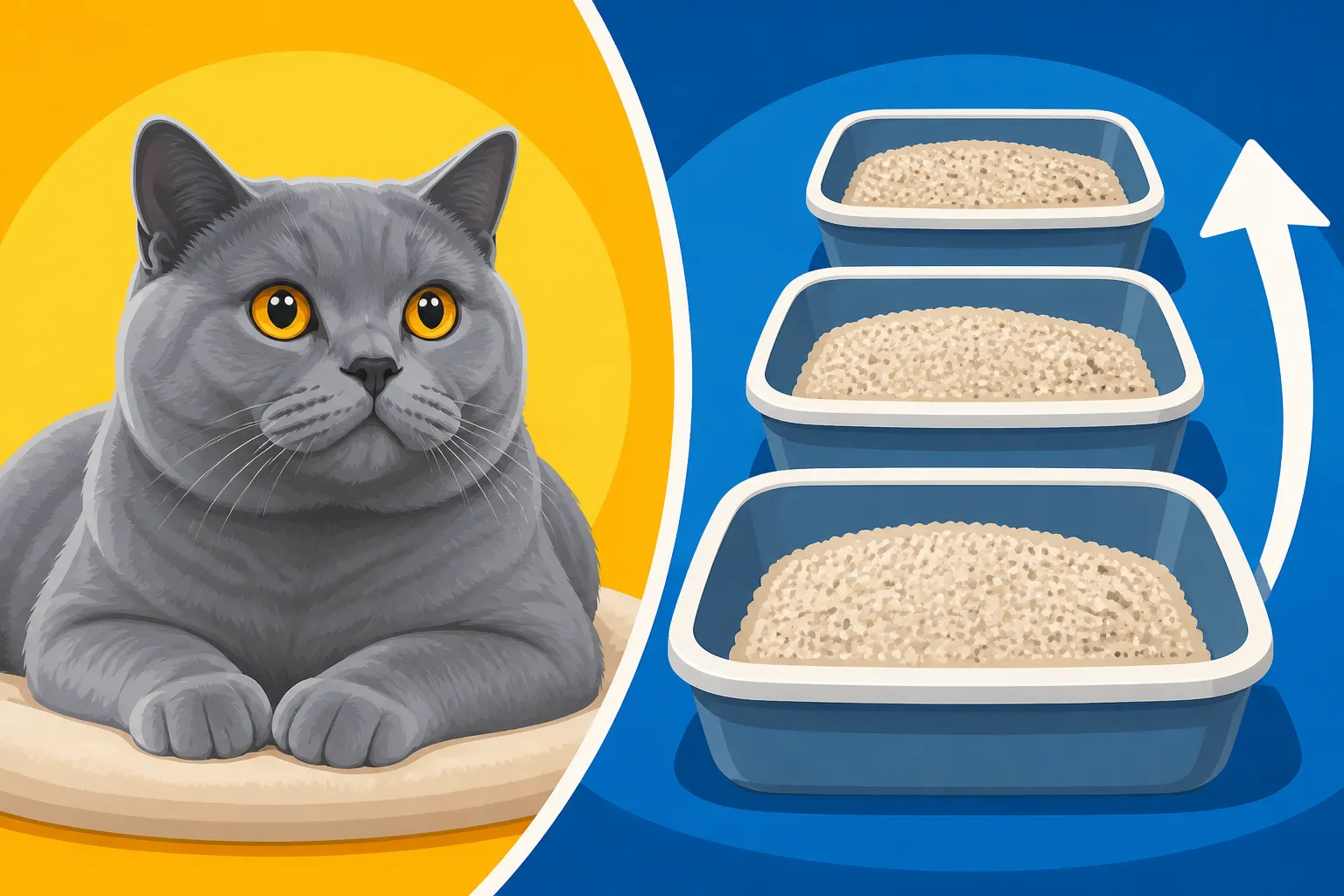
How Much Litter a Low Activity British Shorthair Gets Through
It's a common misconception that a calm, less active cat like our beloved British Shorthair won't go through much litter. Many owners find themselves constantly replenishing the litter box, wondering if their quiet companion is somehow a secret litter monster. This comprehensive guide will delve into all the factors influencing how much litter your low-activity British Shorthair truly needs, helping you understand their habits and manage your supply more effectively.
Understanding the Core Factors in Litter Consumption
Before we focus specifically on our charming, reserved British Shorthairs, it's essential to understand the fundamental elements that dictate how quickly any cat's litter box gets depleted. It's not just about what they put in the box, but also how they interact with it, what they eat, and even their sheer size.
Cat Size, Weight, and Waste Volume
Let's be real, British Shorthairs are not dainty little felines. They are robust, substantial cats, often weighing in anywhere from 9 to 18 pounds, with males typically being larger than females. This means they naturally produce a larger volume of waste than a smaller breed or a petite mixed-breed cat. Think about it – a larger body requires more food to fuel it, and more food going in means more waste coming out. When your British Shorthair steps into the litter box, the urine clumps will be more substantial, and their stools will be larger. These larger deposits demand more surrounding litter to effectively encapsulate them, absorb moisture, and trap odors. If there isn't enough litter, the waste might not be fully covered, leading to odors escaping and the surrounding litter becoming soiled faster.
Consider a mature male British Shorthair, particularly one with those magnificent full cheeks we adore. This grand feline isn't going to produce a tiny little pea-sized clump of urine. You're looking at a golf ball or even tennis ball-sized wet spot, which then needs a good couple of inches of dry litter to completely surround and solidify it. Over time, these larger contributions add up, making litter consumption directly proportional to the size and metabolic output of your furry friend.
The Impact of Diet and Hydration on Output
What your British Shorthair eats and how much water they drink plays a monumental role in their litter box habits and, subsequently, how much litter you go through. Cats are obligate carnivores, and historically, they got most of their hydration from their prey. Our domestic cats, especially those fed primarily dry kibble, often don't drink enough water.
If your British Shorthair is on a diet consisting mainly of dry food, their urine volume might be lower, and their stools could be harder and smaller. While this might seem like it would reduce litter usage, it also puts them at a higher risk for Urinary Problems in a British Shorthair, such as urinary crystals or infections, which can ironically lead to more frequent, smaller urinations or even inappropriate urination outside the box. On the flip side, a British Shorthair fed a high-quality wet food diet will generally be better hydrated. This usually results in larger, softer stools and more copious urine output. While this might mean larger clumps in the litter box, the increased hydration is vital for their overall kidney health and can prevent those painful urinary issues down the line. It's a trade-off: larger clumps might mean you scoop out more litter per day, but you're also promoting better health and avoiding potentially expensive vet bills and messy accidents that render even more litter unusable.
Scooping Habits and Litter Box Maintenance
This might seem obvious, but your personal routine for maintaining the litter box has a massive impact on how much litter your low-activity British Shorthair goes through. If you're diligent about scooping at least once, ideally twice, a day, you're only removing the soiled clumps and preserving the clean litter. This means you top up less frequently and perform full litter changes much less often. A fresh, clean litter box is also more appealing to your British Shorthair, encouraging consistent use and reducing the likelihood of them seeking alternative, less desirable spots to relieve themselves.
However, if scooping happens less regularly, the soiled waste sits there, slowly contaminating the surrounding clean litter with odor and bacteria. Over time, the entire box can become foul, even if only a portion of the litter has been directly used for waste. At this point, you're forced to dump the entire box of litter, even the mostly clean stuff, and start fresh much sooner than if you had scooped consistently. This "premature full change" is a huge waste of litter and money. Imagine having a massive, cozy Which Litter Box Size a British Shorthair Needs – if you don't scoop regularly, even that spacious box will become uninviting very quickly for your discerning British Shorthair.
How Litter Type Influences Usage and Cost
The type of litter you choose for your British Shorthair can dramatically alter how much you use, how often you clean, and ultimately, your ongoing costs. It's not just about what smells good to us, but what works best for their habits and your budget.
Clumping Versus Non-Clumping Litter
This is perhaps the biggest differentiator in litter usage.
- Clumping Litter: Most popular for a reason! Clumping litter, typically made from bentonite clay, forms solid, scoopable clumps when it comes into contact with moisture. This allows you to remove only the soiled portions, leaving the majority of the clean litter in the box. While you'll still need to top it up regularly as you scoop out waste, a full litter change (emptying and refilling the entire box) can be stretched out for weeks, sometimes even a month or more, especially for a single cat. For a British Shorthair, who produces sizable clumps, this efficiency is key. You're effectively "recycling" the clean litter, which is excellent for both cost-effectiveness and odor control.
- Non-Clumping Litter: This traditional litter, often made of clay or recycled paper, works by absorbing urine and odors. However, it doesn't form solid clumps. Instead, the liquid spreads and soaks into a larger area of the litter, making it impossible to remove only the soiled portion. This means that to maintain hygiene and odor control, you need to dump the entire box and refill it with fresh litter much more frequently – often every few days to a week. For a British Shorthair, who produces a good volume of urine, this can become quite costly and labor-intensive, as you're effectively throwing away a lot of partially used litter.
Beyond clay, there are other types. Silica gel crystal litters absorb an impressive amount of moisture and neutralize odor for a long time, often requiring only monthly changes of the crystals themselves, with daily stool removal. However, they can be more expensive upfront. Plant-based litters, like those made from corn, wood, or wheat, are often clumping and biodegradable, offering good odor control, but their absorption rates and clumping ability can vary. Many online retailers like Chewy offer a vast selection of these different litter types, allowing you to compare and find what best suits your British Shorthair and your household.
Particle Size, Tracking, and Your British Shorthair's Coat
The consistency and particle size of the litter can also influence how much you "lose" outside the box, especially with a cat like the British Shorthair. Our British Shorthairs are known for their incredibly dense, plush coats that stand away from their body, giving them that wonderful teddy bear look. A British Shorthair's Coat Stands Away From Its Body and this beautiful, thick fur can be a magnet for certain types of litter.
- Fine-Grained Litters: These often clump very well and are soft on paws, which cats generally prefer. However, the tiny particles are easily picked up in the dense fur between a British Shorthair's toes and on their thick coat. This leads to more tracking – litter being carried out of the box and scattered around your home. Every bit of tracked litter is litter you've paid for but can no longer use in the box.
- Larger Granule Litters: Some litters feature larger, heavier granules. These tend to track less because they don't cling as easily to fur. However, they might not clump as tightly or feel as comfortable on sensitive paws, which some British Shorthairs might protest.
- Pelleted Litters (Wood, Paper): These chunky pellets virtually eliminate tracking but often don't clump (unless specifically designed to break down into absorbent powder) and might not offer the same level of odor control as clay. If they don't clump, you're back to full litter changes more often, which can offset any savings from reduced tracking.
Consider investing in a good litter mat placed outside the box to catch tracked litter, regardless of type. This small investment can save you a surprising amount of litter over time by preventing it from scattering across your floors.
Odor Control and Longevity
The effectiveness of a litter's odor control directly impacts how long you can go between full litter changes, and thus, how much you use overall. A litter with poor odor control will quickly lead to a stinky box, even if scooped regularly. This strong odor might prompt you to dump and replace the entire contents of the box more frequently than truly necessary, simply to refresh the air in your home.
Many modern litters come with advanced odor-neutralizing additives, activated charcoal, or baking soda. These can significantly extend the usable life of the clean litter in the box, allowing you to simply scoop and top up for longer periods before a full change is needed. Given that most British Shorthairs are indoor-only cats and often share our living spaces, superior odor control isn't just a luxury; it's a necessity that can save you litter and keep your home smelling fresh. Don't underestimate the power of a good quality, odor-controlling clumping litter in reducing your overall consumption.
The "Low Activity" British Shorthair Specifics
Now, let's tie this back to the unique characteristics of our beloved British Shorthairs, particularly those who prefer a more relaxed pace of life. Their calm demeanor and propensity for a sedentary lifestyle do have some specific implications for litter usage.
Digging Habits and Litter Scattering
A "low activity" British Shorthair often translates to a cat that is less prone to frantic, enthusiastic digging and kicking in the litter box. Unlike some high-energy breeds that treat the litter box like an excavation site, flinging litter across the room, your British Shorthair might be a bit more dignified in their approach. This calmer digging can mean less litter is scattered outside the box during their bathroom breaks. Less scattering directly equates to less wasted litter that ends up on your floor instead of in the box doing its job.
However, "low activity" does not mean "no activity" in the litter box. They still need to dig a reasonable pit, do their business, and then meticulously cover it. A cat that's too heavy or stiff might not be able to dig deeply enough or cover their waste properly, which then leaves waste exposed, leading to odor issues and potentially faster contamination of the remaining litter. So, while extreme litter-flinging might be less common, ensure your British Shorthair can comfortably maneuver and bury their waste within the chosen litter box. If your cat seems to struggle, consider a lower-sided box.
Health Considerations Affecting Litter Usage
This is where the "low activity" aspect of a British Shorthair truly influences litter consumption, albeit indirectly. A less active lifestyle, combined with their naturally robust build, unfortunately makes British Shorthairs highly susceptible to weight gain. Obesity Is the British Shorthair's Real Disease, and it's a significant health concern that can have knock-on effects, including changes in litter box habits.
An overweight or obese British Shorthair may:
- Struggle to get into or out of a high-sided litter box: This can lead to them "missing" the box or refusing to use it, resulting in accidents that require extensive cleanup and replacement of soiled bedding or carpets.
- Have difficulty squatting comfortably: Their joints, already prone to issues as they age, can be further stressed by excess weight. What Obesity Does to a British Shorthair's Joints can make the act of urinating or defecating painful, potentially causing them to rush, not bury properly, or even associate the box with discomfort.
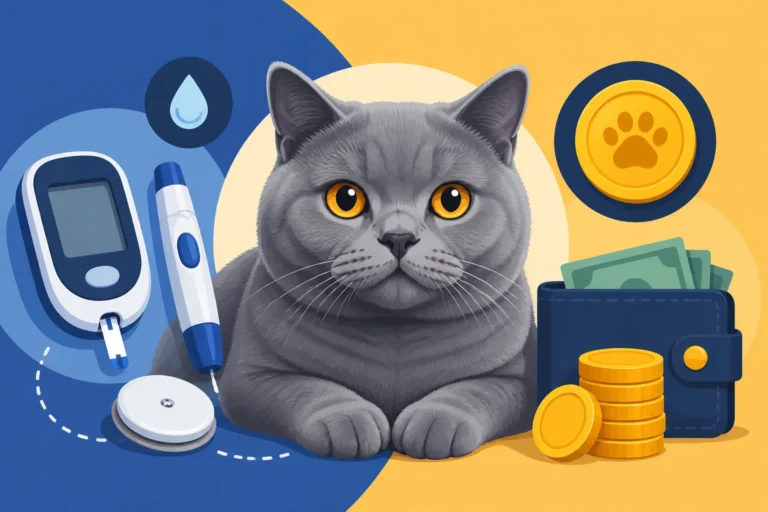
- Develop diabetes: Obesity is a leading risk factor for Whether an Overweight British Shorthair Gets Diabetes. Diabetic cats often drink and urinate much more frequently and in larger volumes, leading to significantly increased litter usage as you're scooping out more and larger clumps.
- Experience other urinary issues: Poor hydration, often linked to dry food diets, combined with obesity, can predispose them to urinary tract infections or bladder stones. These conditions often cause increased frequency of urination, straining, or urinating in inappropriate places.
Regular veterinary check-ups are crucial to monitor your British Shorthair's weight and overall health. If health issues arise, investing in pet insurance like Healthy Paws can help manage the costs of diagnosis and treatment, which might indirectly save you on excessive litter usage if an underlying condition is making your cat use the box inefficiently or inappropriately. Knowing Signs a British Shorthair Is Overweight can help you proactively manage their diet and exercise to prevent these issues.
Practical Estimates and Management Tips
So, how much litter are we really talking about, and what can you do to manage it? Let's break down some practical numbers and strategies.
Estimating Monthly Litter Needs
For a single, adult British Shorthair, using a good quality clumping clay litter and scooped diligently twice a day, you can generally expect to go through about 15-25 pounds of litter per month. This accounts for their larger waste volume and some inevitable tracking or residual contamination.
However, this is a highly variable estimate. Here's a table to illustrate how different factors can shift that average:
| Factor | Impact on Monthly Litter Usage (for 1 BSH, using clumping clay) |
|---|---|
| Typical Usage (Baseline) | 15-25 lbs |
| Diet: High Wet Food | +3-5 lbs (larger urine clumps, better hydration) |
| Diet: High Dry Food | -2-3 lbs (smaller clumps, but higher health risk) |
| Scooping: Daily/Twice Daily | Low end of range (efficient removal) |
| Scooping: Every Other Day | Mid to High end of range (more contamination) |
| Scooping: Infrequent | Significantly higher (frequent full changes) |
| Litter Type: Fine-Grained | +2-4 lbs (more tracking) |
| Litter Type: Large Granule | -1-2 lbs (less tracking) |
| Litter Type: Silica Gel | 5-10 lbs (less frequent full changes, but higher upfront cost) |
| Obese BSH / Diabetic BSH | +5-10 lbs (increased urination volume/frequency) |
| Multiple Cats | Multiply by number of cats, then add 20-30% extra buffer |
Remember, this is a guideline. Your British Shorthair's unique habits, your chosen litter brand, and even environmental humidity can influence the actual amount. Observing your cat and your litter usage over a month is the best way to get a personalized estimate.
Optimizing Litter Usage and Saving Costs
Managing litter isn't just about scooping; it's about smart choices that benefit both your British Shorthair and your wallet.
- Choose the Right Box: Go big! British Shorthairs need ample space. A large, open litter box (not covered, as covered boxes can trap odors and be uncomfortable for larger cats) allows them to turn around, dig, and squat without feeling cramped. This reduces accidents and encourages proper burying. Why a Heavy British Shorthair Needs a Low Sided Box if mobility is an issue.
- Maintain Proper Litter Depth: Aim for at least 3-4 inches of litter in the box. This allows for effective clumping and ensures your British Shorthair can fully bury their waste without hitting the bottom of the tray. Too little litter means waste hits the plastic, making cleaning harder and promoting odors.
- Scoop Religiously: As discussed, daily scooping is your best friend for maximizing litter life and minimizing odor.
- Invest in a Good Scoop and Mat: A sturdy metal scoop can make the job easier and more effective, ensuring you get all the soiled bits. A high-quality litter mat, especially one with deep grooves or mesh, will trap those rogue granules that stick to your British Shorthair's plush paws.
- Consider Different Litter Options: While clumping clay is often the most economical choice for long-term use, don't be afraid to experiment. If tracking is a major issue, a larger granule or pelleted litter might save you more in the long run, even if the per-bag cost is slightly higher. You can easily browse and compare prices and features of various litters on sites like Chewy.
- Buy in Bulk: If you have storage space, buying larger bags or multi-packs of your preferred litter often comes with a significant cost saving per pound.
When to Change Litter Entirely
Even with diligent daily scooping, a full litter change is eventually necessary. The general rule of thumb for a single British Shorthair using clumping litter is every 3-4 weeks. However, trust your senses and observe these signs:
- Lingering Odor: If a strong, unpleasant odor persists even after scooping, it's a clear sign that the remaining "clean" litter is saturated with microscopic particles and bacteria.
- Reduced Clumping Effectiveness: If the litter starts to fall apart when you scoop, or doesn't form hard, tight clumps anymore, its absorbency is compromised.
- Excessive Tracking and Dust: Old litter can become very dusty and break down into finer particles that cling more easily to fur, leading to increased tracking.
- Cat's Reluctance: If your British Shorthair starts hesitant to use the box, paws at the edges, or tries to go elsewhere, the cleanliness of their litter box might be the culprit. They are particular creatures!
When you do a full change, thoroughly wash the litter box with mild soap and water (avoid harsh chemicals) and dry it completely before refilling with fresh litter. This resets the hygiene and ensures your British Shorthair continues to enjoy a clean, inviting space. Regular veterinary care, understanding What a British Shorthair's Yearly Bloodwork Should Cover, and being proactive about any changes in bathroom habits can also contribute to overall litter management, as a healthy cat is generally a happy and predictable litter box user.
Disclaimer
This article is for general informational purposes only and does not constitute professional advice. Laws, prices and regulations vary by location and change over time. Consult a qualified professional for guidance on your specific situation.