How Much of a British Shorthair’s Food Bill Is Portion Size
It’s a frustrating cycle for many British Shorthair owners: you love to feed your fluffy companion, but those food bills seem to be climbing faster than you expected, even if your cat isn't eating significantly more. What many discover is that the true driver of their British Shorthair's food expenditure, and often their health issues, isn't just the cost per bag, but the subtle, insidious creep of improper portion sizing. This guide will delve into why getting portion size right is paramount for your British Shorthair's health and your wallet, and how seemingly small overfeeds can lead to substantial financial burdens.
The Quiet Calorie Creep: Why British Shorthairs Are Prone to Overeating and Overcosting
British Shorthairs are magnificent, calm creatures, often described as teddy bears. This charming, placid nature, however, can be a double-edged sword when it comes to their diet. Unlike some more boisterous or active breeds, a British Shorthair isn't likely to burn off extra calories through zoomies across the house. They prefer napping in a sunbeam or observing their kingdom from a comfortable perch. This lower activity level means they simply don't need as much food as you might instinctively think, and yet, they are often excellent at convincing you they do.
Understanding the British Shorthair's Metabolism
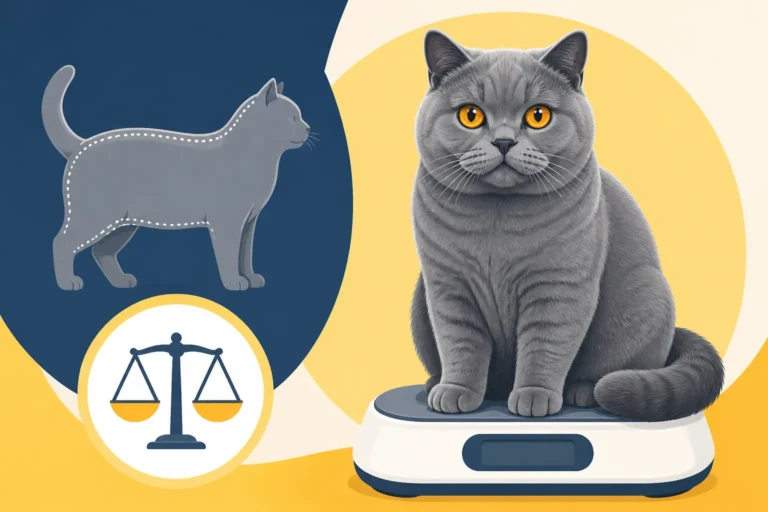
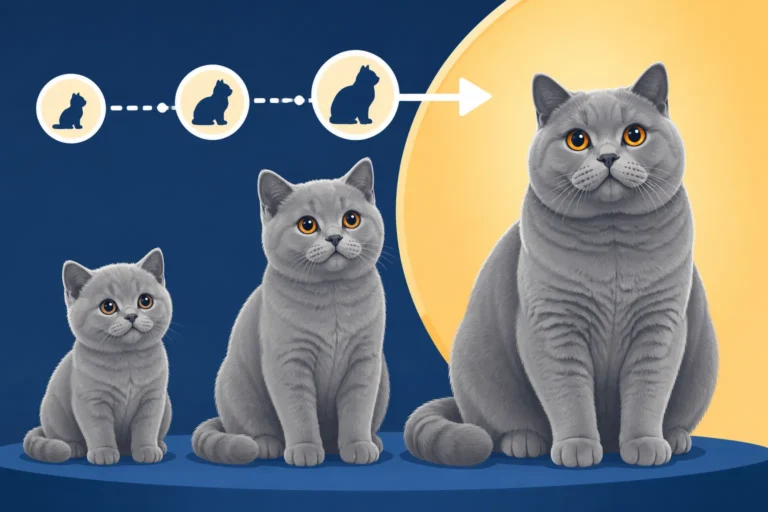
It’s easy to look at a British Shorthair's sturdy build and assume they need a hearty meal. Their dense, plush coat and naturally stocky physique can make it hard to gauge their true body condition. Many owners mistakenly perceive their cat's healthy weight as being "too thin" and, out of love, offer more food. However, these cats are actually quite efficient metabolically, especially once they've finished their growth spurts around two to three years of age. They aren't constantly on the go, hunting imaginary prey, or climbing to the highest shelves multiple times a day. Their energy output is significantly less than, say, an Abyssinian or a Siamese.
What this means for their food bill is that every extra kibble, every generous scoop, every "just a little bit more" at mealtime quickly adds up. If you're free-feeding, which we'll discuss in more detail, it's even harder to track. That seemingly inexpensive bag of dry food becomes less economical when a significant portion of it is being consumed unnecessarily, leading not just to waste, but to potential health issues down the line that will certainly cost you. You might find yourself searching for How Many Calories a British Shorthair Needs to get a clearer picture.
The Allure of the Empty Bowl and the Begging British Shorthair
Let's be honest, those round, copper eyes staring up at you can melt even the strongest resolve. British Shorthairs, despite their quiet demeanor, can be master manipulators when it comes to food. An empty bowl might be interpreted by an owner as a sign of hunger, when in reality, it simply means the previous meal has been consumed. Cats don't necessarily feel full in the same way humans do, and they are opportunistic eaters. If food is available, many will eat it, regardless of whether their caloric needs have been met.
This leads to a phenomenon where owners replenish the bowl out of habit or guilt, even when it's only been a short time since the last feeding. Over a week, a month, or a year, these small, incremental additions of food quickly exceed their actual requirements. The result? A heavier cat, a faster depletion of your food supply, and ultimately, a higher overall food bill. It's a classic case of paying more for something that isn't actually benefiting your pet, and in fact, might be harming them.
The Hidden Financial Drain: How Overfeeding Impacts Your Budget
It's not just the direct cost of buying more food that hits your wallet when portion sizes go awry. Overfeeding your British Shorthair can lead to a cascade of health problems, each carrying its own hefty price tag in vet bills, specialized diets, and long-term care. These indirect costs can far outweigh any savings you thought you were making by buying a bigger bag of a cheaper food.
Direct Costs: More Food, Faster
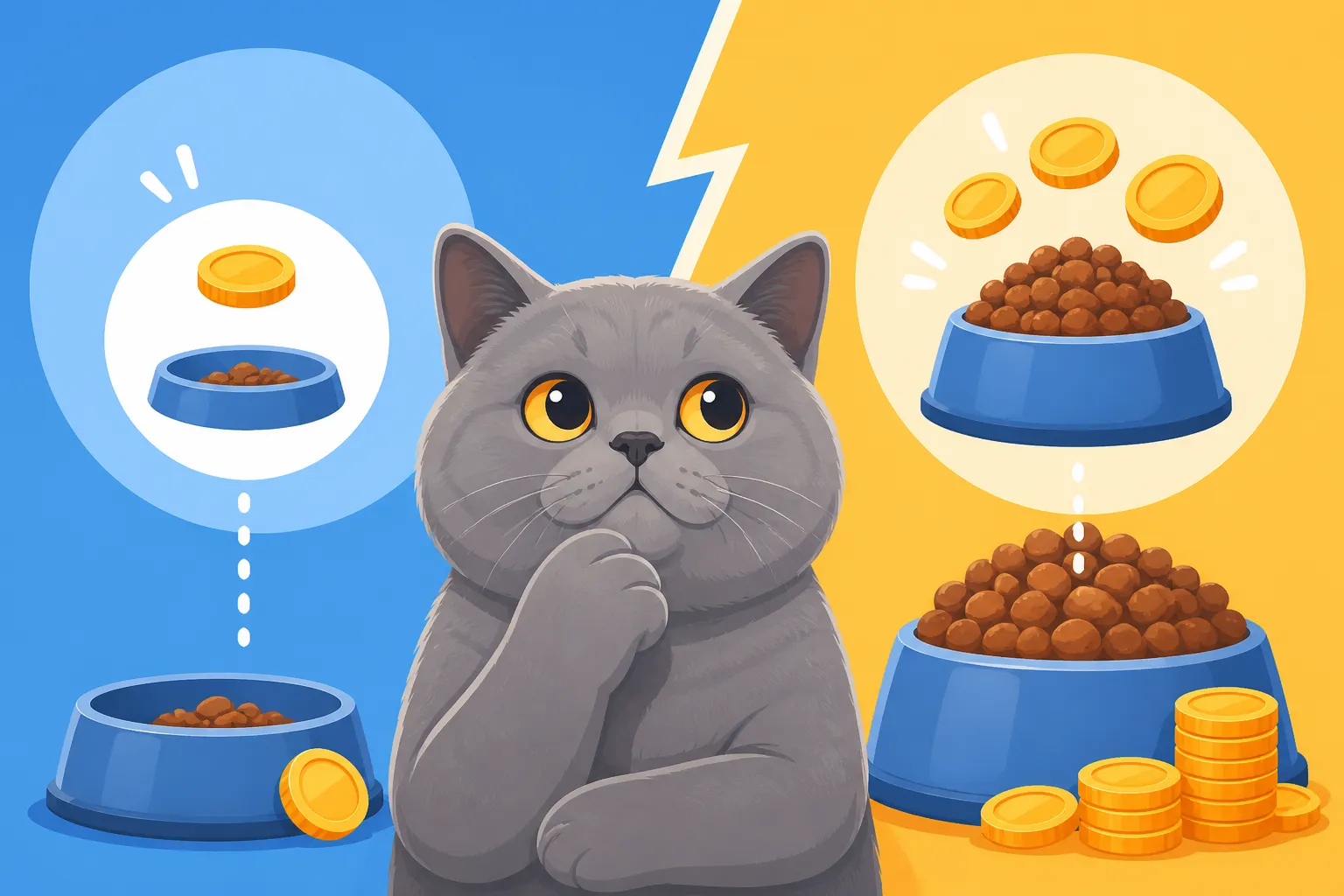
This is the most obvious impact: if your British Shorthair is consistently eating more than they need, you're going through bags of food faster. Let's say a bag of food is meant to last a cat of their size for a month. If you're accidentally over-portioning by just 10-20% each day, that bag might only last three weeks. Over a year, you're essentially buying an extra 4-6 bags of food that your cat didn't truly require. This seemingly small oversight translates into hundreds of dollars annually simply because the scoop was a little too full, or the bowl was topped up "just in case."
Consider also the type of food. If you're trying to save money by buying a bulk, lower-quality kibble, your cat might need to eat more of it to feel satisfied or get the necessary nutrients, inadvertently increasing the portion size. Conversely, higher-quality, nutrient-dense foods, while perhaps more expensive per bag, can sometimes be fed in smaller portions, balancing out the cost. It's a delicate equation, and getting the portion size right is critical regardless of the brand you choose, whether it's a premium brand or a more budget-friendly option found on Chewy.
Indirect Costs: The Veterinary Bill Avalanche
This is where the real financial pain can set in. An overweight or obese British Shorthair is at a significantly higher risk for a range of serious health conditions. We're talking about things like diabetes, arthritis, heart disease, and liver problems. Each of these diagnoses comes with a steep price for veterinary consultations, diagnostic tests, medications, and ongoing management. What Obesity Does to a British Shorthair's Joints is a particular concern given their sturdy build.
For instance, a diagnosis of feline diabetes often means daily insulin injections, special prescription diets, and frequent blood glucose monitoring, all of which are continuous, recurring expenses. Managing arthritis might involve pain medications, joint supplements, and potentially even physical therapy. Heart disease, common in the breed as seen in What HCM Does to a British Shorthair's Heart, can be exacerbated by excess weight, leading to more intensive and expensive cardiac care. These are not minor expenses; they can easily run into thousands of dollars annually, eclipsing the cost of food many times over. This is precisely why responsible British Shorthair owners might look into pet insurance providers like Healthy Paws, which can help mitigate the financial impact of such unexpected health challenges, but prevention through proper portion control is always the first and best line of defense. You might want to understand What an Overweight British Shorthair Costs at the Vet.
Here's a simplified look at how improper portioning compounds costs:
| Cost Type | Impact of Improper Portion Size | Example Cost Implication |
|---|---|---|
| Direct Food Purchase | Consuming food faster than necessary | Buying an extra bag every few months, totaling hundreds annually. |
| Prescription Diets | Required for weight loss or specific health issues | Significantly more expensive than regular food, a permanent switch. |
| Vet Visits/Consultations | Increased frequency for weight checks, health issues | Multiple consultations, sometimes specialized, adding hundreds per visit. |
| Diagnostic Tests | Bloodwork, X-rays, ultrasounds for obesity-related conditions | Hundreds to thousands for initial diagnosis and monitoring. |
| Medications | For diabetes (insulin), arthritis (pain meds, supplements), heart disease | Daily or weekly ongoing costs, easily hundreds per month. |
| Special Equipment | Glucose monitors, ramps for arthritic cats | Initial purchase costs, plus ongoing supplies. |
The Toll on Longevity and Quality of Life
Beyond the financial aspect, overfeeding significantly impacts your British Shorthair's quality of life and potentially shortens their lifespan. An overweight cat is often less active, less playful, and generally more uncomfortable. They may struggle to groom themselves properly, leading to skin and coat issues. While not a direct monetary cost, the emotional toll of seeing your beloved pet struggle, combined with the reduced years of companionship, is invaluable. Investing time and effort into proper portion control is an investment in their happiness and longevity, which is truly priceless.
Mastering Portion Control for Your British Shorthair's Health and Your Budget
So, how do you get this portion size thing right? It requires a bit of detective work, consistency, and a willingness to adjust your habits. The good news is that once you establish a routine, it becomes second nature, and both your British Shorthair and your bank account will thank you.
Calculate Their True Caloric Needs
The first step is to understand how many calories your specific British Shorthair truly needs. This isn't a one-size-fits-all number. It depends on their age, current weight, ideal weight, activity level, and whether they are spayed or neutered. Adult, neutered indoor British Shorthairs generally have lower caloric needs than active kittens or intact breeding cats. Your veterinarian is your best resource for this. They can help you determine your cat's ideal body condition score and calculate their daily caloric intake requirement.
Once you have that number, you can then look at the food you're feeding. Every bag or can of cat food will have a calorie count per cup or per can. Use this information to accurately measure out their meals. Don't just rely on the feeding guide on the bag, as these are often generalized and can sometimes be a bit generous, especially for less active breeds. For instance, if a bag suggests feeding 1 cup a day, but that 1 cup contains 400 calories and your vet says your cat only needs 250, you're looking at a significant overfeed if you just follow the bag. This is a critical step in managing your British Shorthair's food bill effectively.
Ditching Free-Feeding: The Controlled Approach
Many owners simply leave a bowl of dry kibble out all day for their cats to graze on. While this seems convenient, it’s one of the biggest culprits for overeating in British Shorthairs, as they often don't regulate their own intake well. Why Free Feeding Ruins a British Shorthair is a topic often discussed among seasoned owners and vets. Switching to scheduled, portion-controlled meals is a game-changer.
Instead of an always-full bowl, divide your British Shorthair's calculated daily caloric intake into two or three smaller meals. Feed them at consistent times each day. This not only helps with weight management but can also satisfy their natural instinct for routine and provide mental enrichment. If your cat is used to free-feeding, this transition might take a few days of adjustment, but they will quickly adapt. Automated feeders can be a lifesaver here, dispensing precise portions at set times, which is incredibly helpful if your schedule is erratic.
Measuring Accurately: Scoops, Scales, and Consistency
Eyeballing a portion size is rarely accurate. A half-cup scoop might actually hold more or less depending on how densely you pack it or the size of the kibble. For true precision, invest in a digital kitchen scale. Weighing out your British Shorthair's food provides the most accurate way to ensure they are getting exactly the right amount of calories. This is especially important if your cat is on a weight loss journey, where every gram counts.
Consistency is key. Ensure every family member knows and adheres to the feeding schedule and portion sizes. "But Fluffy looked hungry!" shouldn't translate into extra food. If you're concerned your British Shorthair is genuinely hungry between meals, consult your vet. It might be that their food isn't satisfying enough, or there's another underlying issue. Sometimes, increasing the frequency of smaller meals, rather than the total amount, can help.
Smart Budgeting and Dietary Choices for a British Shorthair
Beyond just portion size, the type of food you choose and how you manage your overall feeding strategy can also significantly impact your British Shorthair's food bill. Making informed choices here can save you money and keep your cat healthier in the long run.
Choosing the Right Food Type and Quality
The debate between wet food, dry kibble, and fresh food is ongoing, and each has its own cost implications. Dry kibble is often the most economical per serving, but it’s crucial to select a high-quality option that provides good nutrition, rather than relying on fillers. High-quality kibbles can often be fed in smaller portions because they are more nutrient-dense.
Wet food, while typically more expensive per can or pouch, offers excellent hydration, which is vital for feline urinary health. This can potentially prevent costly urinary tract issues down the line. A combination of wet and dry food is often a good compromise, providing the benefits of both while allowing you to manage costs. You might consider Whether Wet Food Keeps a British Shorthair Slimmer. When comparing options, look at the ingredients list, focusing on named meat proteins as the first few ingredients. Reading reviews and comparing prices on reputable pet supply sites like Chewy can help you find the best value for quality food.
Managing Treats and Supplements
Treats are often an overlooked source of extra calories and, therefore, extra cost. A few treats here and there might seem insignificant, but for a cat with a lower caloric need, they can quickly add up. If you give treats, factor them into your British Shorthair's daily caloric allowance. This might mean slightly reducing their main meal portion to accommodate the treats. Opt for low-calorie treats or even small pieces of cooked chicken or tuna as healthier alternatives.
Supplements, while sometimes beneficial, should always be discussed with your veterinarian first. Don't add them to your cat's diet just because you think they "might help." Unnecessary supplements are an extra cost and could potentially interact negatively with your cat's existing health or diet. For example, if your cat is already on a high-quality, balanced diet, many general supplements may be redundant.
Batch Buying and Loyalty Programs
Once you've settled on a food that works well for your British Shorthair, consider buying in larger bags or cans, if appropriate, to take advantage of bulk discounts. Always check the expiration dates and ensure you have proper storage to keep the food fresh. Many pet supply stores and online retailers offer loyalty programs, subscription services, or discounts for repeat orders. Signing up for these can lead to significant savings over time.
For example, if you consistently buy a particular brand of kibble or wet food, subscribing to an auto-ship option on Chewy might save you a percentage on each order. This predictable delivery also helps you avoid last-minute trips to the store or running out of food, which can sometimes lead to impulse buys or less economical choices. The savings from these strategies, when combined with meticulous portion control, will ensure that your British Shorthair's food bill is a manageable and predictable part of your budget, rather than a constantly climbing expense that causes stress. Knowing What Portion Controlled Food Costs a British Shorthair Owner can give you a better idea of what to expect.
Disclaimer
This article is for general informational purposes only and does not constitute professional advice. Laws, prices and regulations vary by location and change over time. Consult a qualified professional for guidance on your specific situation.