What a British Shorthair Kitten’s Vaccination Course Costs
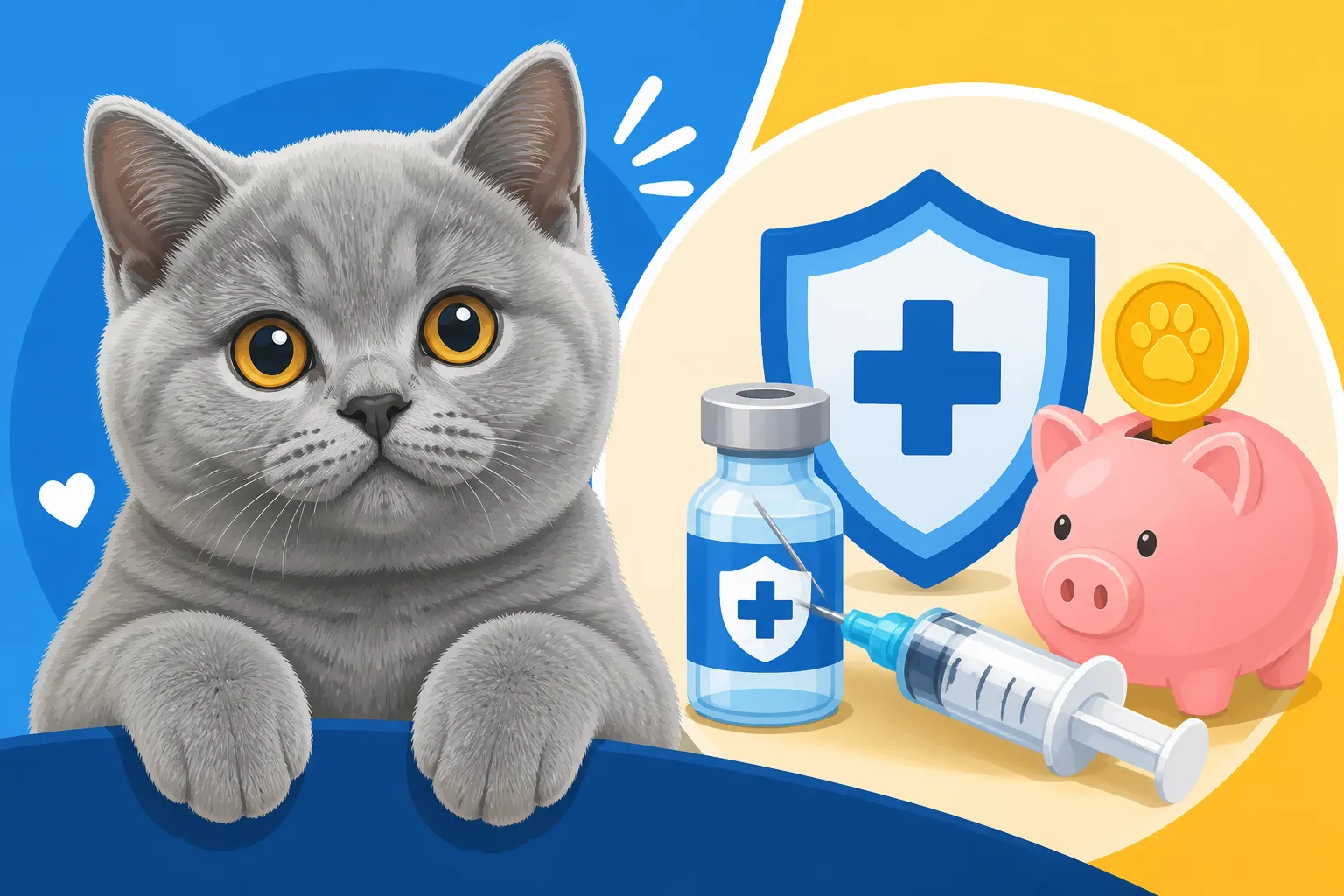
Bringing home a British Shorthair kitten is such an exciting time! Their plush coats, round faces, and calm demeanor immediately steal your heart. But amidst all the joy of new kittenhood, the practicalities start to loom, and for many new owners, understanding the costs involved can feel like navigating a maze. One of the first and most critical financial considerations is the necessary vaccination course your little furball will need. This guide will help you understand exactly what to expect when it comes to the cost and importance of those essential first shots for your adorable British Shorthair.
Understanding the British Shorthair Kitten Vaccination Schedule
When you bring your British Shorthair kitten home, they're typically still very young and highly susceptible to a range of common, yet potentially very serious, feline diseases. Their immune systems are developing, and while they might have some maternal antibodies, these fade over time, leaving them vulnerable. This is precisely why a structured vaccination course is absolutely crucial. It's not just about ticking a box; it's about building a robust defense against illnesses that can cause significant suffering and even be fatal.
Your veterinarian will lay out a schedule designed to provide optimal protection, usually starting when your kitten is around 8 weeks old and involving a series of boosters. This layered approach ensures that as maternal antibodies wane, your kitten's own immune system can learn to fight off these threats effectively. Missing a shot or delaying the schedule can leave gaps in their immunity, making all the previous efforts less effective. It’s a commitment to their long-term health, and understanding this schedule is the first step in preparing for the associated costs.
Core Vaccinations Your British Shorthair Kitten Needs
The foundation of any kitten's vaccination plan revolves around what are known as "core" vaccines. These are recommended for all cats, regardless of their lifestyle, because the diseases they protect against are widespread, highly contagious, and often severe. For your British Shorthair, these are non-negotiable. They are the bedrock of preventive care that every responsible cat owner embraces.
The primary core vaccine is often given as a combination shot, commonly known as FVRCP. This single injection protects against Feline Viral Rhinotracheitis (herpesvirus), Feline Calicivirus, and Feline Panleukopenia (feline distemper). Rhinotracheitis and Calicivirus are common causes of upper respiratory infections, leading to sneezing, nasal discharge, and conjunctivitis. Panleukopenia, on the other hand, is a highly contagious and often deadly viral disease that attacks rapidly dividing cells, particularly in the bone marrow and intestines. Protecting your British Shorthair from these is paramount. You'll also find this discussed in depth if you look into What a British Shorthair Breeder Should Have Tested.
Another critical core vaccine is the Rabies vaccine. Rabies is a fatal neurological disease that can affect all mammals, including humans, and is transmitted through the saliva of infected animals, typically via a bite. While your British Shorthair might be an indoor cat, the risk, however small, of exposure still exists—perhaps from a bat entering the home, or an accidental escape. Many regions have legal requirements for rabies vaccination, making it not just a health precaution but a legal responsibility. This vaccine is usually given as a single shot when your kitten is a bit older, often around 12-16 weeks.
Non-Core Vaccinations and Lifestyle Factors
Beyond the core vaccines, your vet might discuss "non-core" vaccinations. These are recommended based on your British Shorthair's individual risk factors, lifestyle, and geographical location. The most common non-core vaccine is for Feline Leukemia Virus (FeLV). FeLV is a serious viral infection that can cause various cancers, immune suppression, and other blood disorders. It's primarily transmitted through close contact with infected cats, often through saliva (e.g., sharing food/water bowls, mutual grooming, bite wounds).
If your British Shorthair is going to be an indoor-only cat with no exposure to other cats whose FeLV status is unknown, your vet might deem this vaccine unnecessary. However, if your kitten will have outdoor access, attend cat shows, or live in a multi-cat household where FeLV status isn't confirmed for all residents, then the FeLV vaccine becomes a vital layer of protection. It’s a conversation you'll have with your vet, weighing the benefits against the risks for your particular situation. Before any FeLV vaccination, your kitten will typically need an FeLV/FIV test to ensure they aren't already infected.
| Vaccine Type | Diseases Protected Against | Typical Schedule for Kittens |
|---|---|---|
| Core Vaccinations | ||
| FVRCP (Distemper Combo) | Feline Viral Rhinotracheitis, Calicivirus, Panleukopenia (Distemper) | Series of 2-3 shots, 3-4 weeks apart, starting at 8 weeks |
| Rabies | Rabies Virus | Single shot around 12-16 weeks of age |
| Non-Core (Situational) | ||
| FeLV (Feline Leukemia) | Feline Leukemia Virus | Series of 2 shots, 3-4 weeks apart (if recommended) |
Breaking Down the Costs of a Kitten Vaccination Course
Now, let's get down to the brass tacks: what will this all cost? It's important to understand that the "cost of vaccinations" isn't just the price of the vaccine itself. It's a bundle of services that ensure your British Shorthair kitten gets comprehensive care. Many factors can influence the final figure, from where you live to the specific veterinary clinic you choose. Don't be surprised if the total bill for a complete course of kitten shots and associated initial care is a few hundred dollars. This is a crucial early investment in your cat's health, ultimately saving you far more in potential treatment costs down the line if they were to contract one of these preventable diseases.
When budgeting, think beyond just the injection. Each visit for a vaccination is an opportunity for your vet to conduct a thorough physical examination, ensuring your kitten is developing correctly and catching any potential health issues early. This holistic approach adds significant value and is part of what you're paying for.
Veterinary Exam Fees and Vaccine Administration
Every time your British Shorthair kitten goes to the vet for a vaccination, there will be a veterinary examination fee. This isn't just a quick glance; it's a comprehensive check-up. The vet will listen to your kitten's heart and lungs, check their eyes, ears, and teeth, palpate their abdomen, and assess their overall body condition. They’ll look for any signs of illness, discuss nutrition, parasite prevention, and answer any questions you might have about your new pet. These exams are vital, especially for kittens, as they grow and change rapidly, and early detection of issues can make a huge difference.
On top of the exam fee, there's the cost of the vaccine itself and its administration. Each dose of FVRCP or Rabies vaccine, for example, has an associated cost. If your vet recommends the FeLV vaccine, that will be an additional charge per dose. Some clinics might offer a slightly reduced fee for subsequent booster shots within the same vaccination series, acknowledging that a full exam might not be necessary for every single visit after the initial one, but a recheck is almost always included. This bundled approach is common and generally ensures continuity of care for your British Shorthair.
Regional Differences and Package Deals
The cost of a British Shorthair kitten's vaccination course can vary significantly depending on your geographical location. Veterinary prices tend to be higher in urban areas or regions with a higher cost of living compared to rural areas. This reflects the differences in overhead costs for veterinary practices, such as rent, staff salaries, and medical equipment. It's always a good idea to call a few local clinics to get a general idea of their pricing structure before committing to one.
Many veterinary clinics understand the financial burden of initial kitten care and offer "kitten packages." These packages often bundle all the necessary core vaccinations, deworming treatments, initial parasite screenings, and sometimes even the spay/neuter surgery at a slightly reduced overall rate. Opting for a kitten package can be a smart way to save some money while ensuring your British Shorthair receives all the recommended preventative care. It's worth asking about these options during your initial phone calls or consultation. Sometimes they even include microchipping, which is a fantastic idea for any cat, purebred or otherwise. You might also want to factor this into the broader discussion of What a British Shorthair's First Year of Screening Totals.
Additional Tests and Treatments During Visits
It’s rare for a kitten vaccination visit to be just about the shots. Your British Shorthair kitten will likely need deworming treatments, as most kittens are born with or acquire intestinal parasites from their mother. These dewormers are given orally and are usually administered at each vaccine visit. Furthermore, a fecal examination to check for internal parasites is a common recommendation, adding to the cost. This involves taking a small stool sample to the vet for microscopic analysis.
Beyond parasites, your vet might recommend testing for Feline Leukemia Virus (FeLV) and Feline Immunodeficiency Virus (FIV). Even if your kitten won't be receiving the FeLV vaccine, it's prudent to know their status, especially if they came from an unknown background or a multi-cat environment. These tests involve a small blood sample and can add a significant but necessary cost to the initial vet visits. Discussing Whether a Rescue British Shorthair Has Been Screened also touches on the importance of knowing your kitten's background health status. These initial diagnostic steps are critical for establishing a baseline for your British Shorthair's health and guiding future care.
Saving on British Shorthair Kitten Vaccination Costs
While vaccinations are non-negotiable for your British Shorthair kitten's health, there are indeed ways to manage the associated costs without compromising on quality care. Being proactive and informed can make a real difference to your budget. It's about smart planning and knowing where to look for value, allowing you to allocate your resources effectively for all aspects of your British Shorthair's well-being.
Every penny saved on essential preventative care means more resources available for other important aspects of owning a British Shorthair, from quality food to enrichment toys, or even setting aside a fund for unexpected future veterinary needs. It demonstrates responsible pet ownership, balancing necessary medical care with financial prudence.
Exploring Low-Cost Vaccination Clinics
Many communities offer low-cost vaccination clinics, often run by humane societies, animal shelters, or mobile veterinary services. These clinics typically focus solely on vaccinations and basic preventative treatments like deworming, rather than a full comprehensive exam. Because they have lower overheads and operate on a higher volume, they can offer vaccinations at a significantly reduced price compared to a full-service veterinary hospital.
While these clinics can be an excellent option for getting your British Shorthair kitten vaccinated, it's important to understand what they do and don't offer. You might not get the same in-depth consultation with a vet that you would at a private practice, nor would they be equipped to handle complex health issues. However, if your kitten has already had an initial comprehensive health check at your regular vet and simply needs booster shots, a low-cost clinic can be a practical and budget-friendly choice. Just be sure to bring any previous medical records so they can update your kitten's health history accurately.
Considering Pet Insurance for Long-Term Savings
Pet insurance is something many new pet owners overlook when focusing on initial kitten costs, but it can be a real game-changer for long-term financial planning. While most standard pet insurance policies, such as those offered by Healthy Paws, primarily cover accidents and illnesses, many providers offer optional "wellness plans" or "preventative care packages" as add-ons. These add-ons specifically help cover the costs of routine care, including vaccinations, annual exams, and sometimes even spay/neuter surgery.
Even if you don't opt for a wellness plan to cover the initial vaccination course, having a good pet insurance policy in place from kittenhood can provide immense peace of mind. British Shorthairs, while generally robust, are not immune to unexpected health issues or accidents that can incur substantial vet bills later in life. Imagine your British Shorthair developing a sudden illness, or needing emergency care after an unforeseen incident; pet insurance would help cushion that financial blow, allowing you to focus on your cat's recovery without the added stress of crushing debt. It’s an investment in their future health and your financial security.
Purchasing Supplies Smartly
While the vaccination itself must come from a veterinary professional, many other kitten supplies that add to the overall initial cost can be purchased more affordably. Online retailers like Chewy often offer competitive prices on cat food, litter, toys, scratching posts, and carriers. Setting up an auto-ship option for recurring items like food and litter can sometimes provide additional discounts, helping you save a little more over time.
Think about the bigger picture of your British Shorthair's initial needs. A high-quality cat carrier is essential for safe vet visits, and a spacious litter box is a must for this generously-sized breed. Which Litter Box Size a British Shorthair Needs is a good article to review for this. By being savvy with these non-medical purchases, you can free up more of your budget for the crucial veterinary care your kitten needs, including their vaccination course. Don't fall into the trap of buying the cheapest options for everything, though; investing in durable, high-quality basics from the start can also save you money by preventing the need for frequent replacements.
Long-Term Health and Vaccination Benefits for Your British Shorthair
Deciding to bring a British Shorthair kitten into your life is a significant commitment, and part of that commitment involves ensuring their health and well-being from day one. Investing in a complete vaccination course isn't merely an expense; it's a foundational act of love and responsibility that pays dividends throughout your cat's entire life. These initial shots provide vital protection against diseases that are not only common but can be devastating, leading to prolonged suffering, costly treatments, and heartbreaking outcomes.
When you weigh the upfront cost of vaccinations against the potential medical bills for treating a preventable disease, the financial benefits become crystal clear. Beyond the money, however, is the immeasurable value of your British Shorthair living a healthy, comfortable life, free from the avoidable pain of illnesses like panleukopenia or respiratory viruses. Vaccinations are one of the most effective tools we have in veterinary medicine to ensure a long and happy companionship with our feline friends.
Preventing Serious and Costly Illnesses
The diseases that kitten vaccinations protect against are, without exaggeration, very serious. Feline panleukopenia, for instance, can lead to severe gastrointestinal distress, dehydration, and death, especially in young kittens. Treating a kitten with panleukopenia requires intensive veterinary care, including hospitalization, intravenous fluids, antibiotics, and supportive medications, all of which can quickly escalate into bills totaling thousands of dollars. Similarly, severe cases of Feline Viral Rhinotracheitis or Calicivirus can lead to chronic respiratory problems or even pneumonia, requiring ongoing treatment and medication.
By simply adhering to the recommended vaccination schedule for your British Shorthair, you are actively preventing these nightmares. You're building a shield for your cat that vastly reduces their risk of contracting these illnesses, thereby eliminating the need for expensive and emotionally draining emergency treatments. It's a prime example of how a relatively small preventative investment saves a huge amount of money and heartache in the long run. Thinking about What Most British Shorthairs Die Of emphasizes the importance of preventing common, serious diseases.
Ensuring a Strong Start for a Long, Healthy Life
British Shorthairs are known for their generally robust health and can live long, fulfilling lives, often The Twelve to Seventeen Years a British Shorthair Gets, if cared for properly. A crucial part of this care begins in kittenhood with a complete vaccination course. These early immunizations are not just for immediate protection; they lay the groundwork for a strong immune system that will serve your cat throughout their adolescent and adult years. A healthy start means a greater chance of avoiding chronic issues that can stem from early infections.
Think of it as setting your British Shorthair up for success. With their immune system properly primed, they are better equipped to handle everyday environmental challenges and minor infections, should they occur. This foundational health allows them to thrive, enjoy their characteristic calm demeanor, and fully develop into the magnificent, plush companions we adore. It's truly the best way to honor your commitment to their well-being and ensure many wonderful years together.
Breeder Responsibility and Early Vaccinations
A reputable British Shorthair breeder will typically begin the vaccination process for their kittens before they go to their new homes. This means your kitten will usually have received at least their first FVRCP vaccine dose, and sometimes even two, by the time you pick them up. This initial step taken by the breeder is an important indicator of their commitment to the health of their lines and saves you some of the initial cost and effort.
However, even if your British Shorthair kitten comes with initial vaccinations, it is your responsibility as the new owner to ensure the series is completed on schedule. The breeder should provide you with a detailed vaccination record, which you will then present to your own veterinarian at your kitten's first check-up. This allows your vet to continue the series seamlessly, ensuring no gaps in protection. Always choose a breeder who is transparent about their vaccination protocols and provides verifiable health records, as this truly sets the stage for a healthy future for your British Shorthair. This is also covered in Which Health Results a British Shorthair Breeder Must Show.
Disclaimer
This article is for general informational purposes only and does not constitute professional advice. Laws, prices and regulations vary by location and change over time. Consult a qualified professional for guidance on your specific situation.